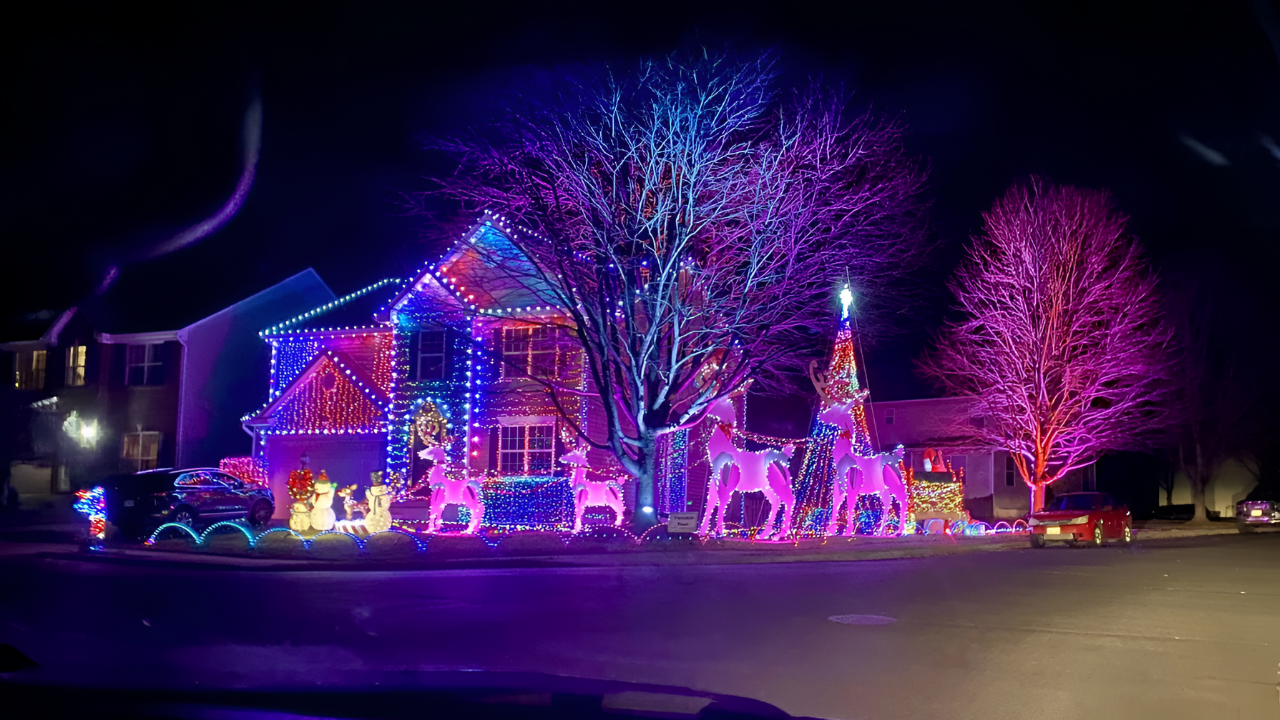
Your parents’ attic brims with treasures they adore. You’d rather not. From ceramic villages to overflowing ornaments, a generational split is reshaping American holiday homes. Baby Boomers spent decades accumulating sentimental decorations, while younger generations prefer curated, minimalist displays. This isn’t just aesthetics—millions face a tough choice: Do cherished heirlooms become donation fodder? Here’s what’s going on.
When Tradition Meets Minimalism

Numbers reveal a surprising story. Gen Z spends £82.30 ($111 USD) on Christmas decor, nearly 4x more than Boomers’ £20.20 ($27 USD), yet approaches differ. Younger generations prioritize quality, self-expression, and personal meaning over inherited tradition. Boomers accumulated decorations as symbols of permanence and family memory. These opposing approaches explain tension during downsizing discussions and reveal a generational values gap.
The Downsizing Crisis No One Talks About
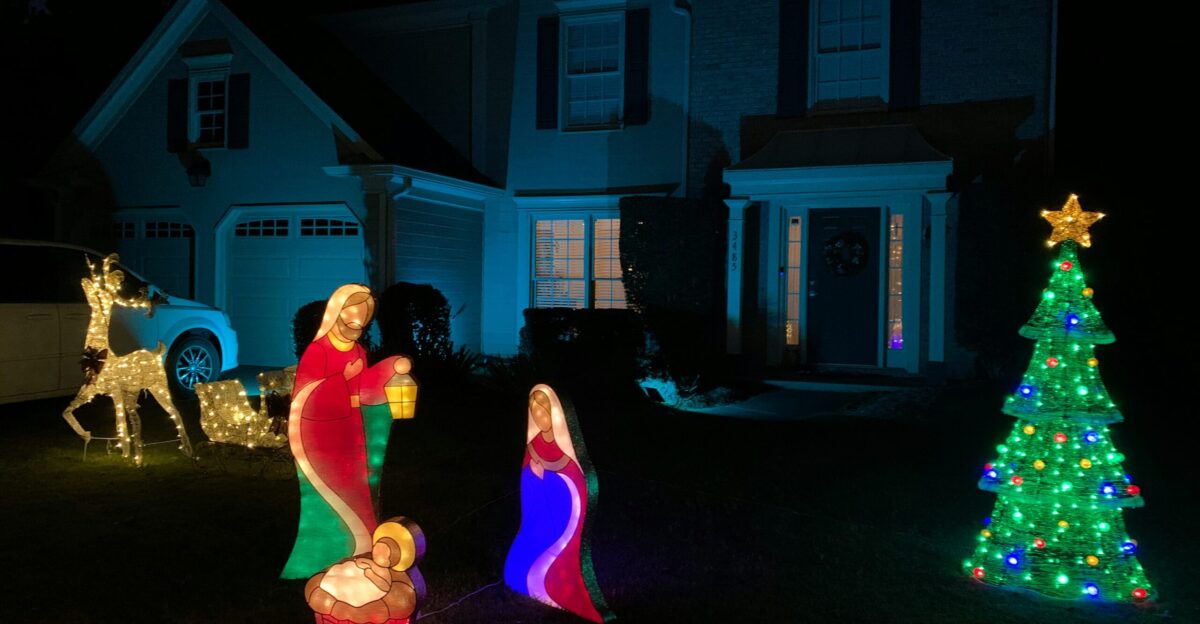
Estate sale experts report record volumes of unwanted Christmas decorations hitting markets nationwide. A Minnesota Star Tribune investigation found Boomers struggle as children refuse inherited heirlooms. Charity donations tripled this season, with warehouses overflowing with Santas, villages, and ornaments. For many, decades of cherished traditions risk oblivion. Yet younger generations, facing smaller homes and different tastes, simply can’t—or won’t—absorb the old collections.
Living Spaces Shape Holiday Choices
Home size drives holiday choices more than sentiment. Millennials and Gen Z often live in 200–500 square-foot apartments, far smaller than desired 2,408-square-foot homes. Ceramic villages need display tables. Collections require storage. Frequent moves and limited space make preserving bulky decorations impractical. Boomers built homes for permanent installations, while younger generations navigate economic realities demanding flexibility. Space constraints redefine what can be preserved.
The Self-Expression Revolution
Younger generations aren’t abandoning decorations—they’re reinventing them. DIY salt-dough ornaments, handmade felt decorations, and curated displays dominate TikTok. Country Living named “Crafty Christmas” 2025’s top trend. Gen Z creates items reflecting identity, aesthetics, and values, not obligation. The shift: from accumulation-based tradition to curated self-expression. Both approaches are valid, illustrating how memory, home, and family identity are interpreted differently across generations.
Before We Reveal The List
Eight decoration categories reveal this generational split. Some enjoy unexpected comebacks. Others face obsolescence. A few aren’t rejected outright, but are approached differently. These items show how generations construct meaning through objects. Understanding these differences isn’t judgmental—it’s compassionate. Whether you’re a Boomer seeing treasures ignored, or a younger person feeling guilty, these insights illuminate why the same decoration can mean everything or nothing.
1. Ceramic Christmas Villages
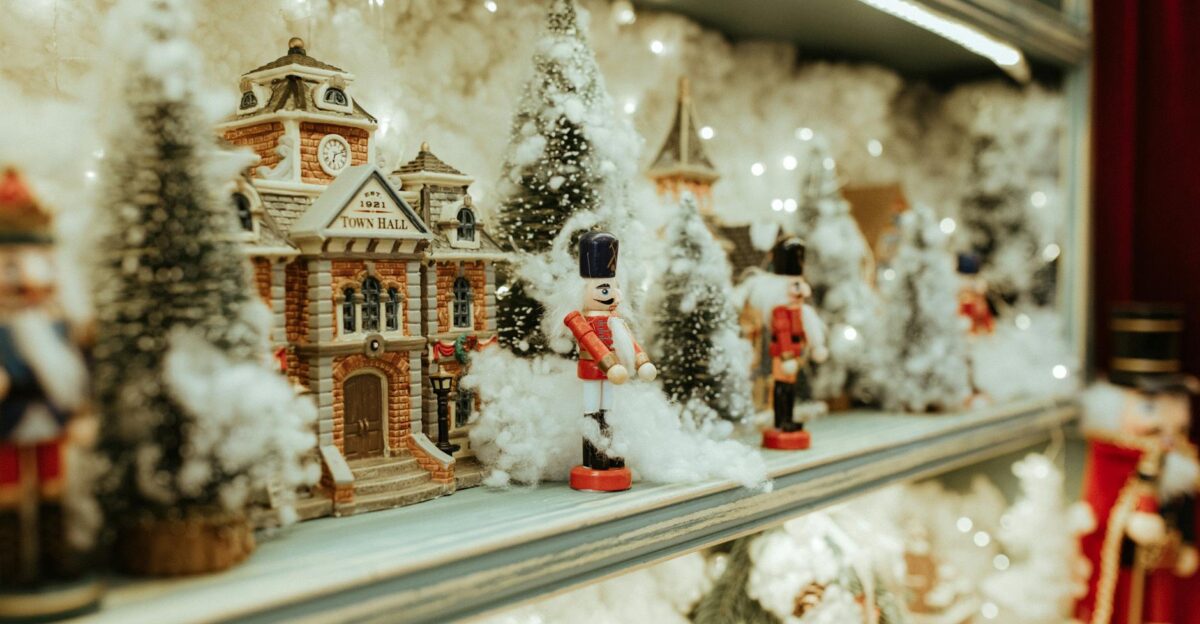
Department 56 Dickens Villages defined 1980s and 1990s Christmas aesthetics. Boomers invested hundreds or thousands in elaborate miniature towns needing display tables. Younger collectors prefer themed villages—Harry Potter, Disney, indie brands. Southern Living reported: “When it comes to Christmas villages, younger generations aren’t refusing—they’re selecting.” Department 56 expanded to 10 licensed collections, reporting 7–11% annual growth. The divide is aesthetic curation, not rejection.
2. Tinsel

Silver tinsel dominated 1960s and 1970s trees. Despite a 1971 FDA lead ban, nostalgic Boomers maintained it. Designers dismissed tinsel by 2000, but 2025 brought a revival. BBC News reported: “Tinsel and colorful Christmas lights are on trend again.” Gen Z embraces bold, eclectic visuals, reclaiming what Millennials abandoned. Generational preferences aren’t linear—”dated” can become retro delight, proving nostalgia cycles unexpectedly.
3. Nutcracker Collections
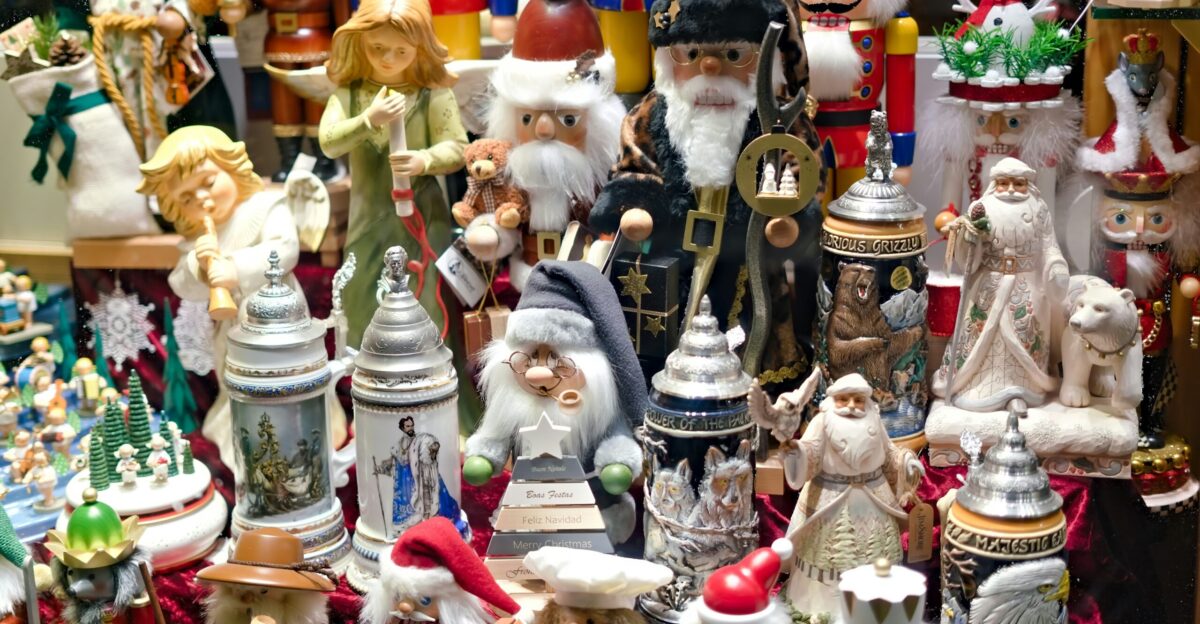
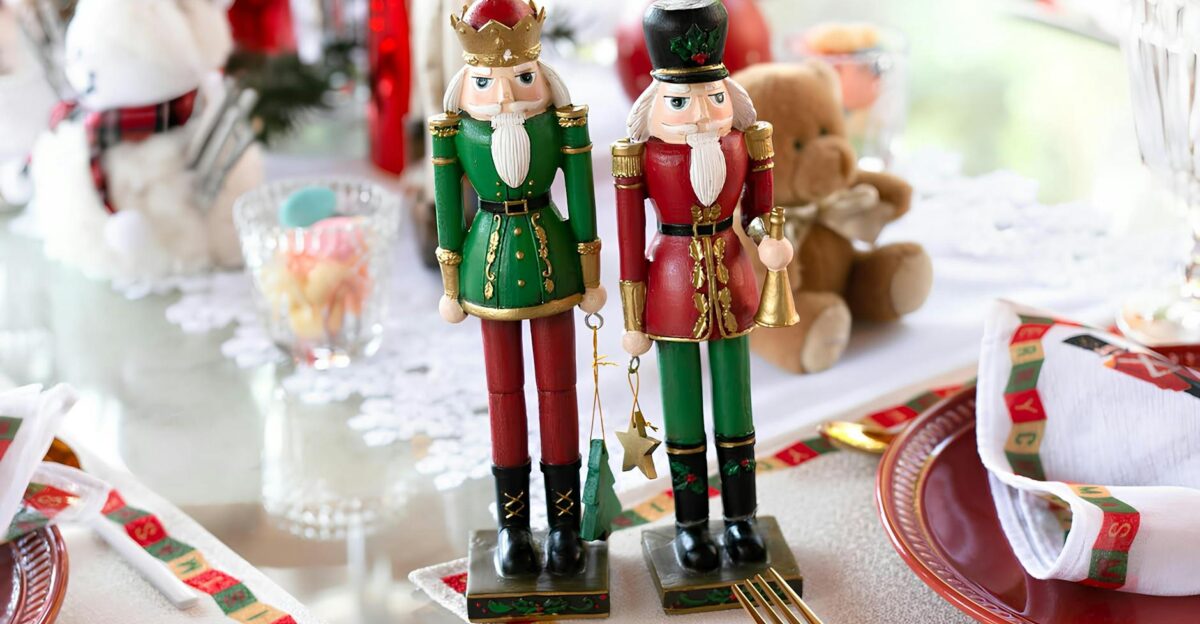
Nutcrackers surged post-World War II as soldiers returned with German market treasures. Boomers often displayed 25+ pieces. Today, Google ranks them #1 most-searched Christmas decoration. Younger collectors curate differently: Pottery Barn sells contemporary nutcrackers featuring pop culture, sports teams, or modern aesthetics. Boomers display tradition; Gen Z expresses contemporary interests. Same decoration, different frameworks. Holiday meaning now reflects theme selection, not quantity.
4. Elaborate Outdoor Light Displays
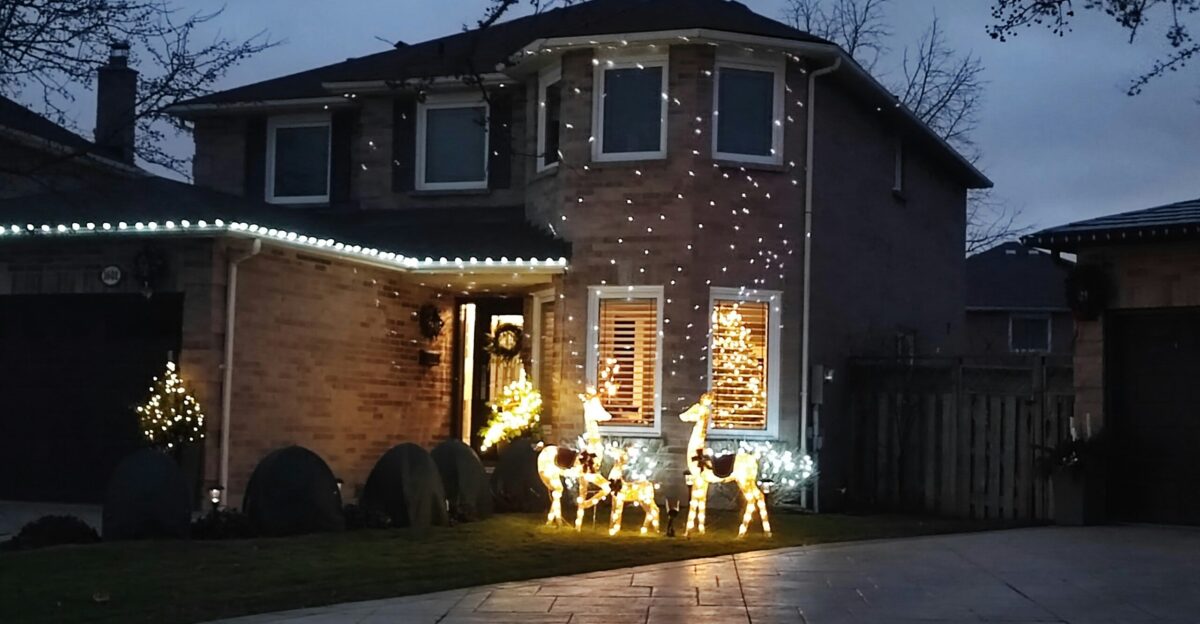
Boomers pioneered extravagant outdoor lights, spending $50–$680+ annually, tripling December bills. Displays symbolized pride, tradition, and self-expression. Younger generations mostly skip them. Renting, sustainability concerns, climate anxiety, and Instagram aesthetics drive preference for subtle, solar, LED, or understated displays. Bright displays feel wasteful or chaotic digitally. Environmental and digital norms outweigh attachment, showing how different generations value visibility, energy, and presentation of joy.
5. Mismatched Sentimental Ornaments
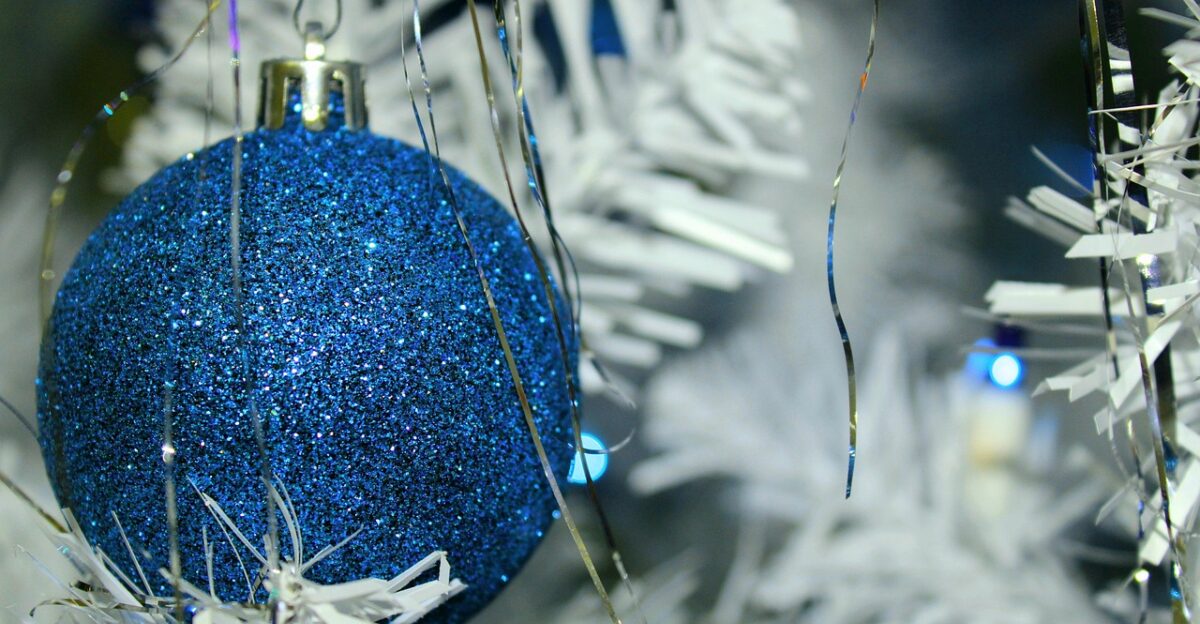
Boomers accumulated ornaments indiscriminately—60 Santas, kitsch, religious, and vacation mementos. Trees often lose visual coherence. Younger generations inherit these, feel guilt, yet curate thoughtfully. VegOut’s Adam Kelton notes they keep meaningful items while discarding duplicates. Curation beats completeness. Selective display honors memory without overwhelming aesthetics. Younger generations redefine inheritance: sentimental recognition within coherent, intentional holiday decor frameworks. This balance preserves both meaning and style.
6. Handmade Decorations
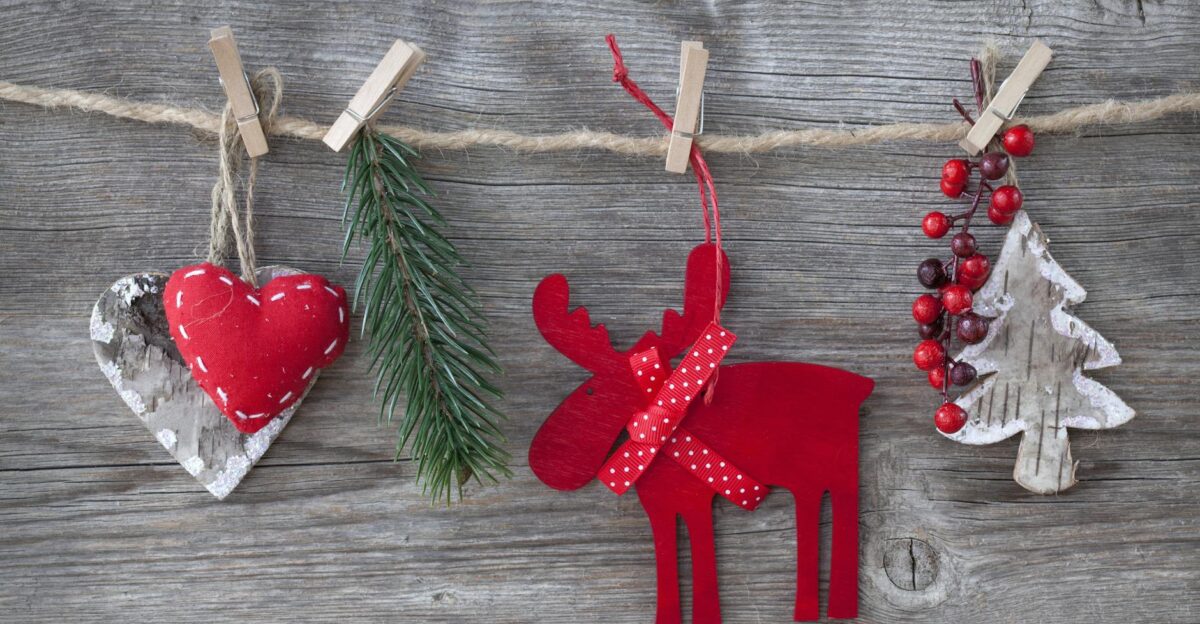
Boomers created handmade items from necessity. TikTok shows Gen Z inventing their own: salt-dough, felt, papier-mâché. Country Living named this “Crafty Christmas” 2025’s top trend. Boomers crafted out of practicality; Gen Z crafts for self-expression, aesthetics, and mindfulness. Both represent love and effort, but motivations differ. Younger generations recontextualize handmade traditions for identity and creativity, proving ornaments can shift from functional necessity to personal artistry.
7. Single-Color Light Sets
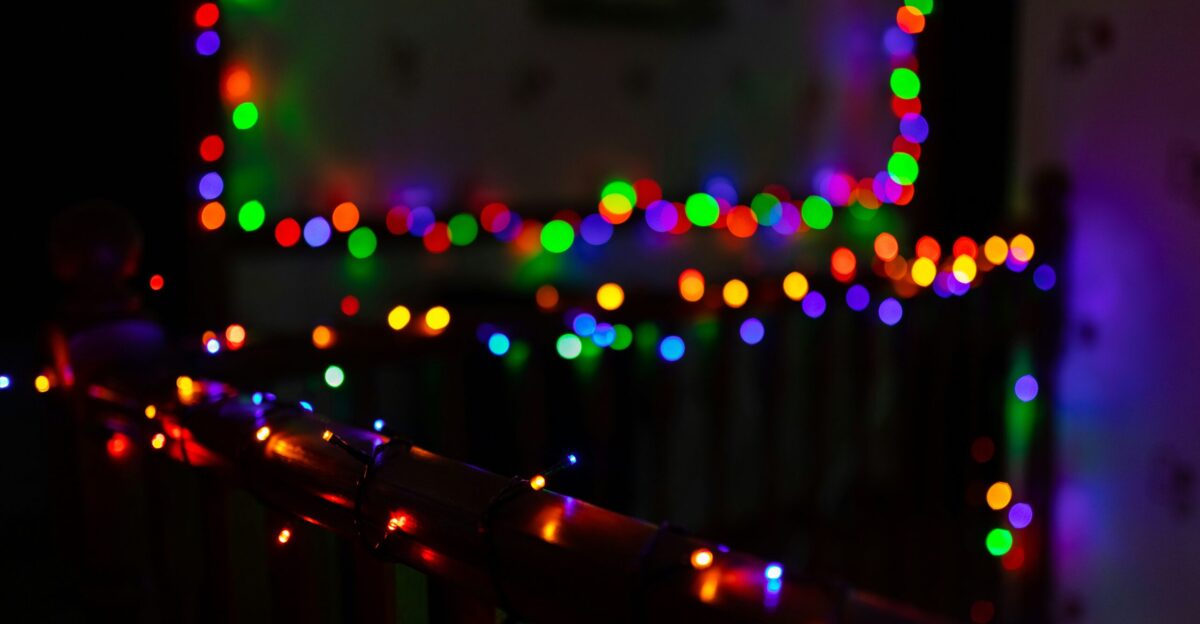
Coordinated single-color schemes—white, warm, or cool—represented Boomer design discipline. Consistency required planning and replacing bulbs annually. Younger generations diverge: some embrace minimalist white, others maximalist multicolor chaos. Reddit debates reflect personal style over obligation. Elle Decor confirms light color reflects taste rather than generational rules. Boomers maintained uniformity; Millennials experiment freely. The divide emphasizes philosophy and aesthetics over age or inheritance.
8. Stockings Filled With Practical Necessities
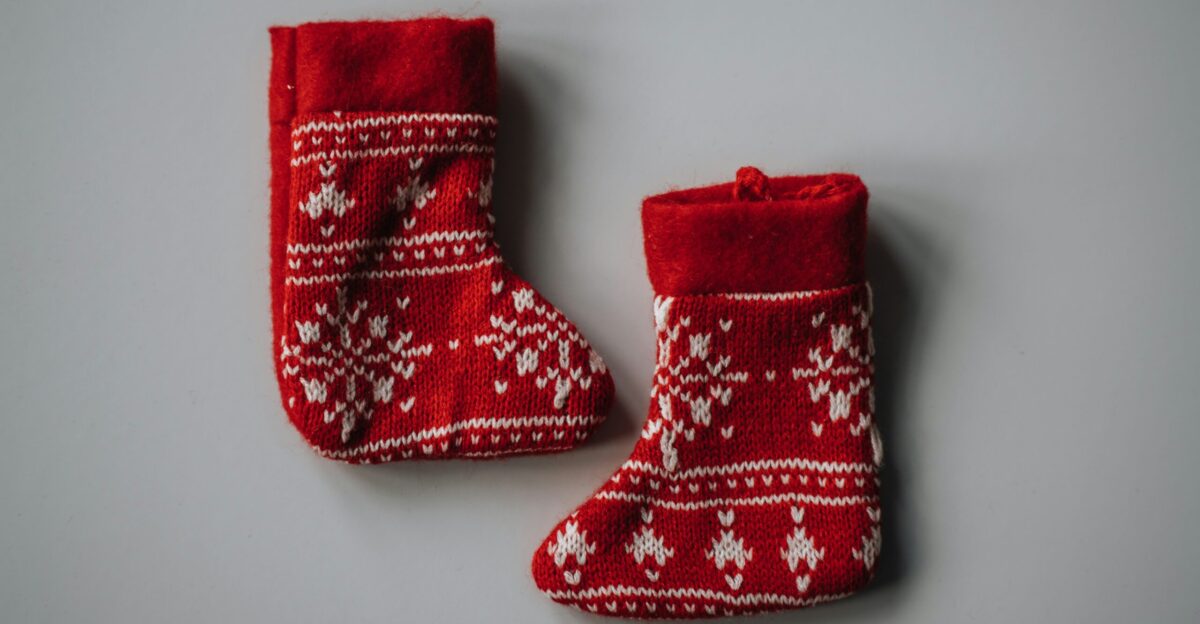
Boomers filled stockings with socks, toothbrushes, candy, and lip balm, blending utility with tradition. Gen Z questions practicality masquerading as sentiment. Instead, they favor luxury items, experience gifts, or self-care treats. Functional gifts feel inadequate when framed as special. This contrast reflects generational attitudes toward authenticity, delayed gratification, and celebration philosophy. Boomers integrate necessity; younger generations separate it, each revealing unique values of giving and joy.
The Resurgence Factor
Some “outdated” decorations thrive in 2025. Department 56 villages, tinsel, and nutcrackers see reinterpretation. Vintage ornament sales rise. Handmade decorations flourish. The global market, valued at $8.75 billion in 2025, projects $13.42 billion by 2034. Boomers fueled accumulation; younger generations drive curation, intentionality, and aesthetic experimentation. Growth reflects reimagining, not rejection. Understanding this shifts the narrative: younger generations reimagine tradition rather than abandoning it.
What Younger Generations Actually Want

Data reveals nuance. 26% of Gen Z won’t put up trees versus 10% of Gen X, yet 58% of Millennials and Gen Z purchase new decorations annually. Preferences include sustainable materials, aesthetic cohesion, multipurpose items, Instagram-worthy displays, and self-expression. Gen Z spends 4x more than Boomers, highlighting investment over indifference. The divide isn’t avoidance—it’s intentional, expressive engagement with holiday traditions, emphasizing meaning over accumulation.
The Heartbreak Of Inheritance Rejection
Boomers face real heartbreak when children reject inherited decorations. Decades of memories, financial investment, and continuity feel dismissed. Younger generations feel guilt refusing ornaments or villages. Both feelings coexist. Solutions exist: photograph collections before donation, digitize memories, gift selectively, or create new traditions incorporating individual items. Respect for emotional investment and practical realities allows families to navigate conflict while honoring both generational perspectives on meaning and memory.
Moving Forward: Creating New Traditions
The generational divide offers compromise opportunities. Boomers can gift selectively; younger people can honor meaning without obligation. Mixed households may display an inherited village while starting curated new collections. Photography preserves memory digitally. Storytelling about items creates continuity.
Combining legacy and contemporary practices maintains emotional significance. Traditions evolve rather than vanish. Respect for older methods paired with thoughtful adaptation defines celebrations that are meaningful and relevant for every generation.
The Bigger Picture
Christmas decoration choices reflect broader philosophies. Boomers value permanence, accumulation, and history. Younger generations prioritize curation, authenticity, and self-expression. Both responses are shaped by historical and social contexts: post-war abundance versus economic uncertainty, environmental crises, and mobility. This shift highlights adaptive strategies rather than moral failings. Recognizing differences fosters compassion. Families can navigate aesthetic and space challenges without diminishing the sentimental or emotional value of holiday traditions.
Finding Common Ground
This season, rethink conversations about decoration preferences. Instead of defending accumulation or feeling guilty declining inheritance, ask: Which items bring joy? Which memories matter most? Perhaps one ornament suffices. Perhaps DIY projects replace villages. Storytelling preserves meaning. Traditions survive evolution, not repetition. Honoring Boomer collections doesn’t require exact replication. Respecting the past while embracing current aesthetics enables celebrations that honor history and creativity simultaneously.
Source:
Global Christmas Decoration Market Size, Share 2025–2034. Custom Market Insights, August 4, 2025.