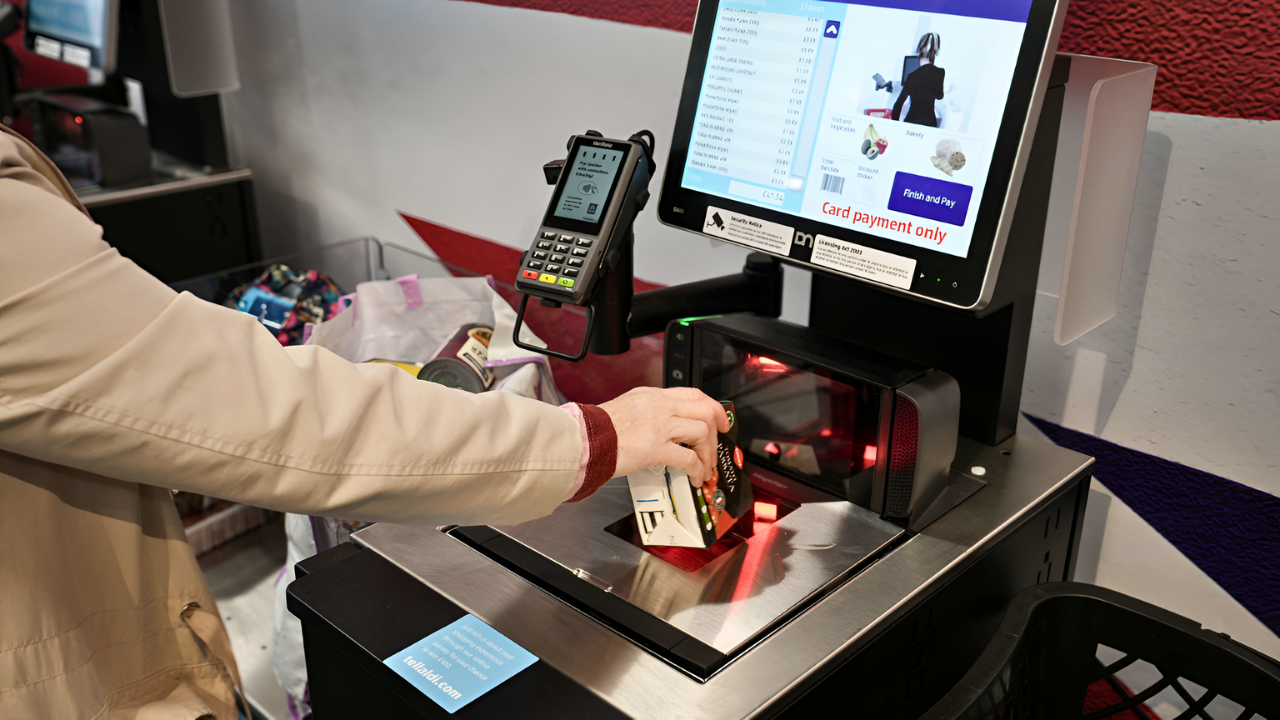
Walmart, one of America’s biggest retailers with more than 4,600 stores and over $568 billion in sales, is quietly pulling back on self-checkout. Once seen as the future of shopping, self-checkout stations were meant to make visits faster and cheaper by reducing staff needs. But growing theft and customer frustration have led the company to rethink its strategy.
The decision reflects a larger shift happening across the retail industry. Many companies that once celebrated self-service technology are realizing it can create as many problems as it solves, especially when it comes to theft and security.
How Theft Changed the Game
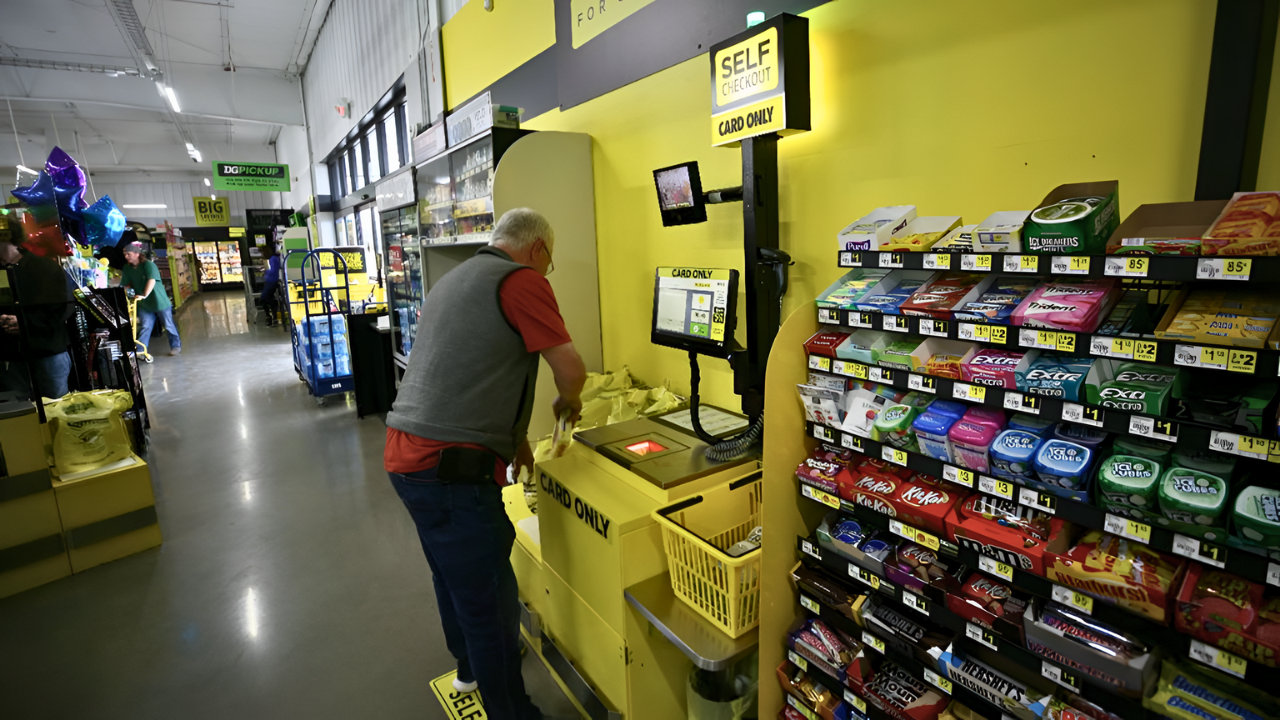
Retailers across the U.S. are losing nearly $100 billion a year to what’s known as “shrink.” That term covers theft, fraud, and errors. While some losses happen behind the scenes, self-checkout systems are now seen as a major factor, making up about 3.5 to 4 percent of total shrinkage.
Police departments have reported a rise in calls from stores with these machines, as employees catch more theft attempts but have little power to act. Many cases involve small items or accidental scanning errors, but even these incidents take up police time.
For Walmart and other retail giants like Target and Dollar General, the issue has reached a tipping point. Stores that once viewed self-checkout as a way to cut labor costs are now finding that the financial and social costs of theft outweigh the benefits. The balance between convenience and security is shifting fast.
The Rise and Fall of Self-Checkout
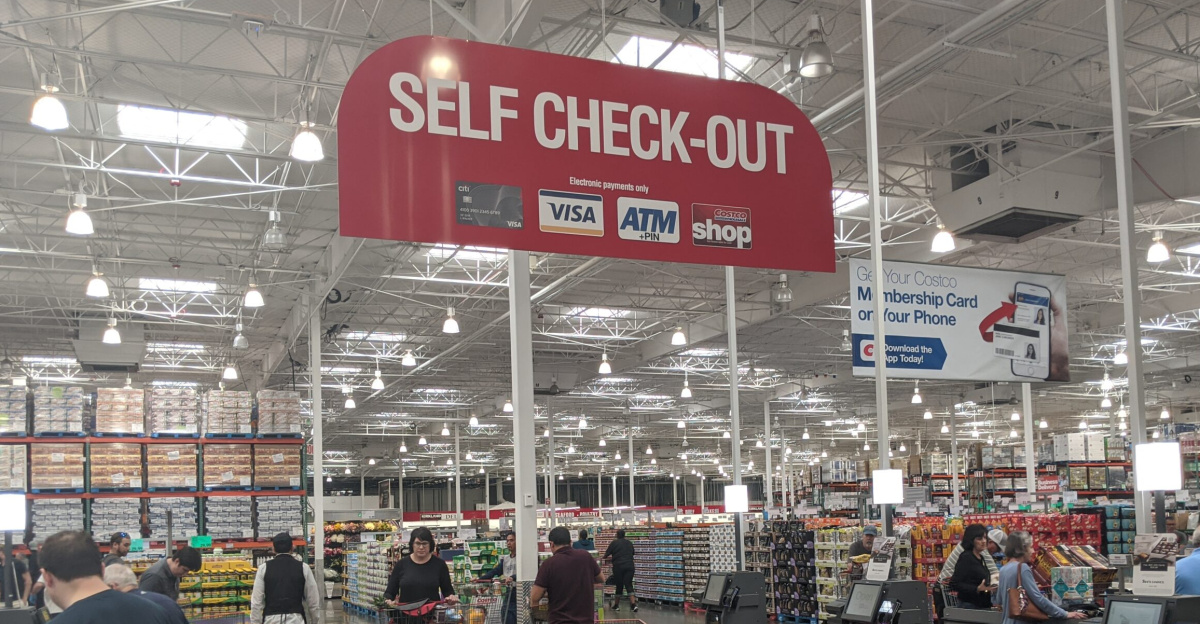
In the early 2010s, self-checkout kiosks spread quickly across the country. They fit the image of modern retail, efficient, high-tech, and customer-driven. By 2020, thousands of machines filled supermarkets and big-box stores. Customers could scan and bag their items without waiting in long lines.
But the reality wasn’t so smooth. Over time, stores noticed more missing merchandise and more customer complaints. Machines often glitched, needed frequent employee help, or created awkward interactions when errors occurred. For every dollar saved on labor, retailers seemed to lose more in shrinkage.
This pattern turned what was once a celebrated innovation into a difficult liability. Stores began asking whether automation was worth the cost, not just financially, but in terms of customer satisfaction and community impact.
Police Pressure and Local Strain
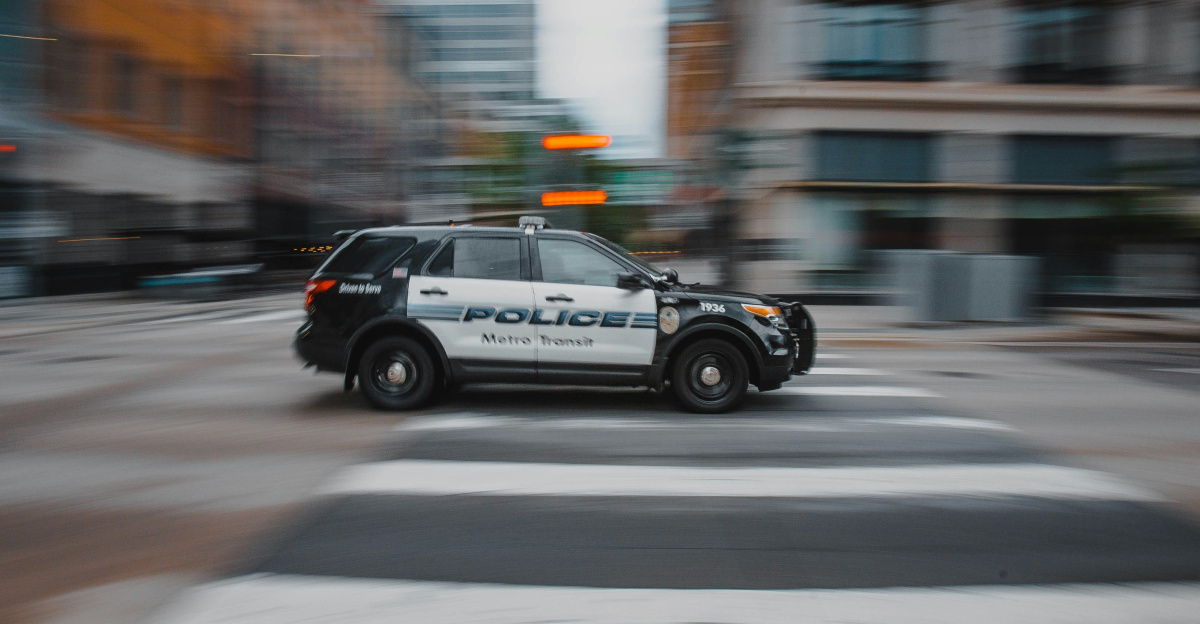
In some cities, the problem became impossible to ignore. In Shrewsbury, Missouri, for example, police received 509 calls in five months from a single Walmart location, nearly a quarter of all local police activity. Many of these calls involved thefts at self-checkout, usually minor but time-consuming to handle.
Local law enforcement grew frustrated, and communities began to feel the impact. The constant police presence was a drain on resources. When Walmart decided to remove its self-checkout kiosks in certain stores, the change was immediate.
Between January and May 2025, theft-related calls at the Shrewsbury store dropped 64 percent, and arrests fell 55 percent. Police Chief Lisa Vargas called it a huge change and praised Walmart for “taking initiative” to relieve the strain on local law enforcement.
The Industry Follows Walmart’s Lead
Walmart isn’t alone in reevaluating its approach. In March 2024, Dollar General announced that it would remove self-checkout machines from 9,000 stores because of theft concerns, later expanding that number to 12,000. CEO Todd Vasos said the company’s low-profit model simply couldn’t handle the losses caused by shrinkage.
Target took a more moderate approach. Starting in March 2024, it limited self-checkout lanes to 10 items or fewer in about 2,000 stores. The company also added employees to monitor transactions during busy hours. Target described the change as an “Express Self-Checkout” system, a compromise between efficiency and control.
For customers, these changes brought some unexpected positives. With more human cashiers back on duty, shoppers enjoyed shorter lines, fewer technical issues, and more personal interaction. While bringing back staff raises costs, many retailers decided that improved security and happier customers made it worthwhile.
A New Balance Between People and Technology

The retreat from self-checkout marks a new phase in retail’s long relationship with technology. Rather than relying entirely on automation, many companies are combining human oversight with advanced tools like smart cameras, artificial intelligence, and RFID scanners. These systems track items more accurately while keeping workers engaged in the process.
This “hybrid model” could define the next era of shopping: technology that protects profits without losing the human touch. The shift also benefits communities by reducing police calls and improving safety in stores.
Still, challenges remain. Retailers must train new staff, redesign store layouts, and help customers adjust to the new normal. But the early results from companies like Walmart suggest that moving back toward human interaction may be the smarter and safer business decision.
As the retail world continues to evolve, the key question is no longer just how fast shoppers can pay, but how secure and confident they feel doing it.
Sources
Capital One Shopping Research – Largest Retailers in the U.S. and the World
Walmart Corporate Investor Relations – Annual Report & Location Facts
NBC News – Major retailers are backtracking on self-checkout
Retail Dive – Walmart removes self-checkout from select stores
People Magazine – Walmart Store Removed Self-Checkout Option and Shoplifting Decreased
Dollar General Q1 2024 Earnings Transcript – CEO Todd Vasos Remarks