
What was once hailed as “America’s Sub Shop” with nearly 2,000 thriving locations has quietly crumbled into a shell of its former self. Blimpie Subs & Salads, a chain that practically invented the fresh-sliced submarine sandwich franchise model in 1964, has contracted to just 95 stores by the end of this year, representing a staggering 95% decline in just over 2 decades.
This isn’t a sudden market crash story; it’s far more revealing: a masterclass in how strategic missteps, franchisee abandonment, and relentless competition can systematically dismantle an iconic American brand. The question isn’t just what happened to Blimpie, it’s why nobody saw it coming, and the earliest clues were hiding in plain sight.
Three Friends Turned $2,000 Into Blimpie
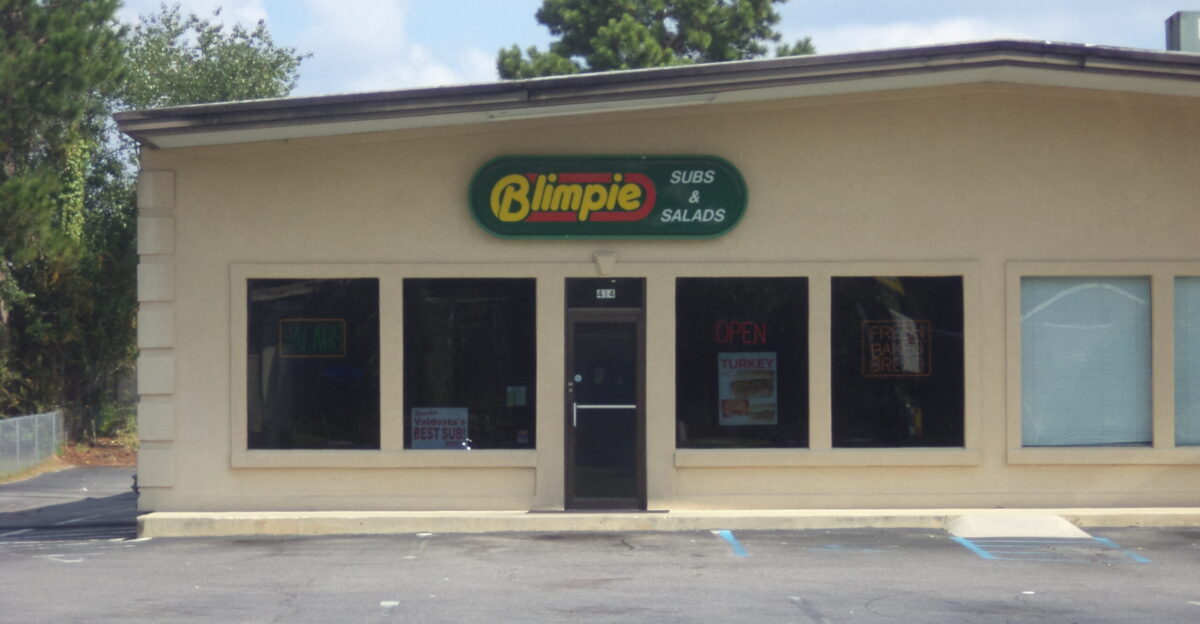
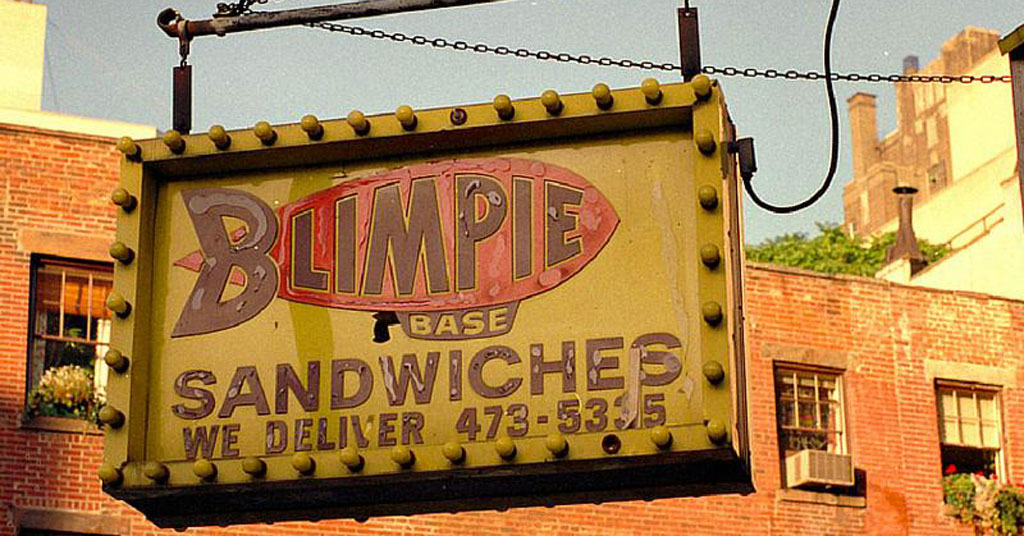
Three teenagers pooled $2,000 in 1964 to open a Hoboken sub shop. Tony Conza, Peter DeCarlo, and Angelo Baldassare called it Blimpie because the sandwich reminded them of a blimp more than a submarine. That first day generated $265 in sales. By 1995, they had cracked 1,000 locations nationwide. Yet the profits never matched the pace.
Expansion Looked Great On Paper
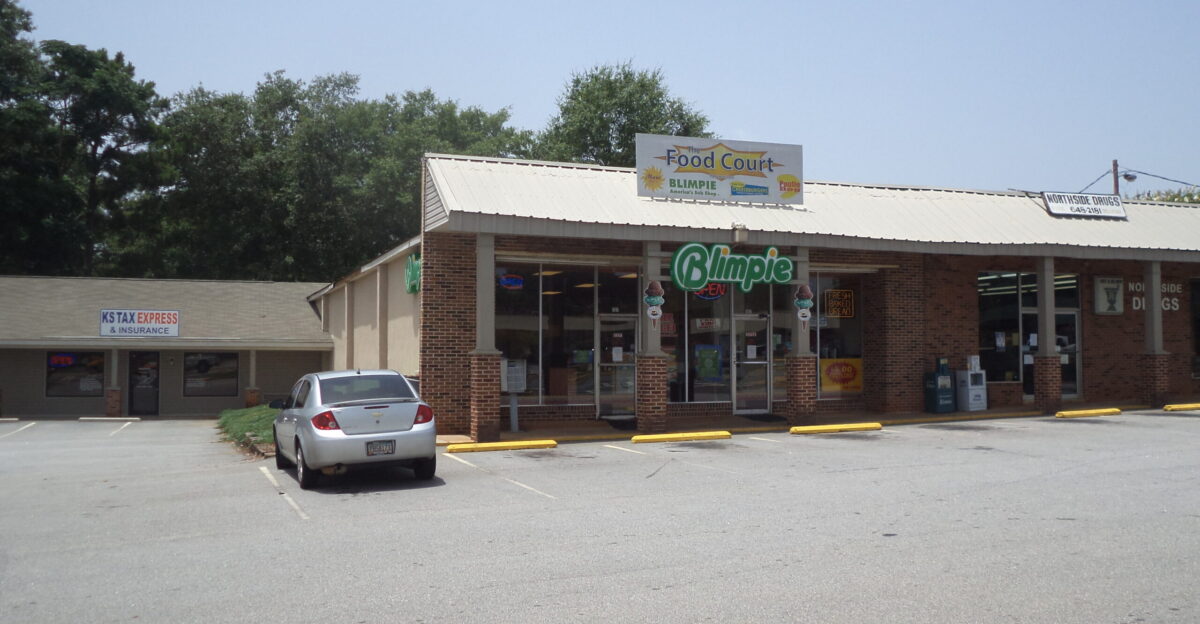
Blimpie exploded from 200 locations in 1988 to nearly 2,000 by 2001. Growth looked phenomenal. But 70% of those openings were tiny, low profit kiosks in convenience stores, airports, and stadiums. They looked good on paper but hemorrhaged money in practice. The company chased unit count over franchisee profitability, and the warning signs were already there.
The Founder Who Drifted Away
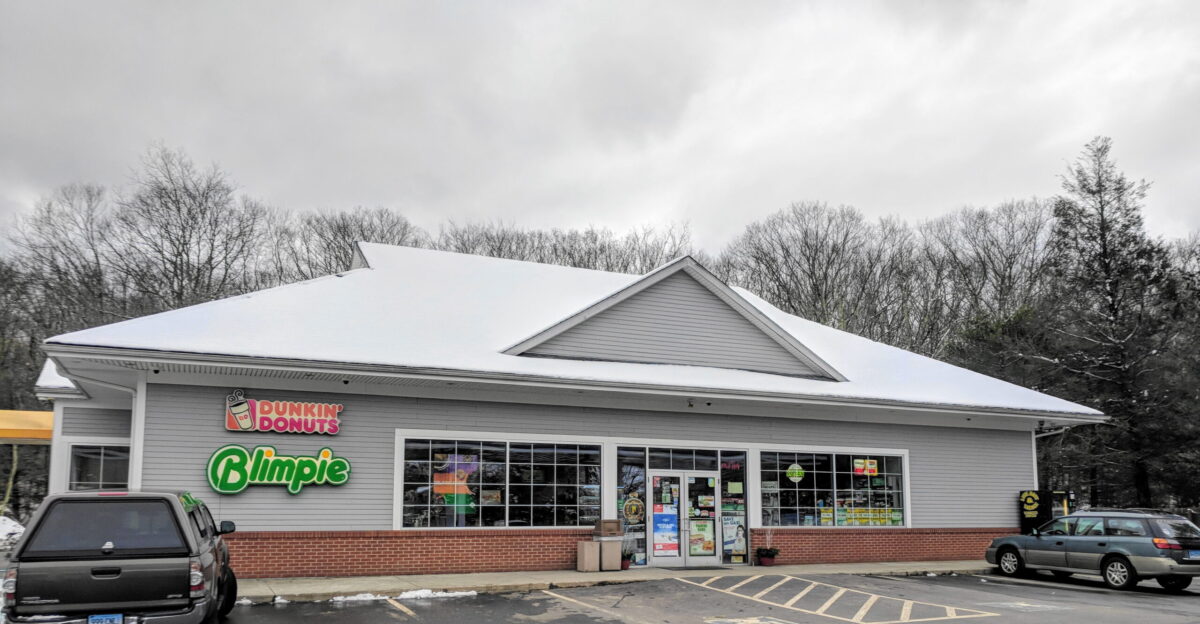
In 1984, founder Tony Conza decided submarines had no future. He opened Border Café, a tablecloth Mexican restaurant in Manhattan. The concept lost $347,800 in 1 year despite generating $4.5 million in revenue. Company stock crashed to $0.15 per share. Meanwhile, Subway, founded 1 year after Blimpie, grew to over 4,000 locations, and the gap kept widening.
“Blimpie Has Fallen From A Peak”
“Blimpie has fallen from a peak of 2,000 locations to under 100. This video discusses their history while attempting to identify the biggest reasons behind their decline,” Company Man, YouTube, August 14, 2024. The quote is blunt, but the collapse did not happen overnight. The most dramatic drop came after a major handoff that looked harmless at first.
A Sale That Changed Everything

When Tony Conza sold Blimpie for $25.7 million in 2001, it seemed like good timing. But within 2 years, closures accelerated dramatically. From 2001 to 2011, Blimpie closed 1,114 stores, a 60% reduction. Sales fell from $300 million annually to $115 million. Did franchisees notice corporate support evaporating before customers did?
The “Rescue” That Made It Worse
Kahala Brands bought Blimpie for undisclosed terms in 2006. Within 1 year, the chain shed 5.41% of remaining locations. By year 2, another 20.14% closed. The deal meant to stabilize operations instead sped up the death spiral. Kahala was managing 18 brands across 27 countries, and Blimpie became a neglected line item, not a priority.
A Quote Franchisees Still Mention
“The Blimpie Subs & Salads franchise has an alarmingly high SBA loan default rate of 46%,” Unhappy Franchisee, 2024. That number is more than a complaint. It suggests a system where operators struggled to survive even when they did everything “right.” The reason the default rate mattered so much comes down to what stores were actually earning.
When Operators Lost Everything
Between 2001 and 2015, 46% of franchisees who took SBA loans to open Blimpie locations ended up defaulting. That is the highest failure rate among major sandwich chains. Compare Jimmy John’s at 3.5% or Jersey Mike’s at roughly 5%. Many small footprint locations brought in under $300,000 annually, barely covering rent and operating costs, and the math kept breaking.
Jersey Mike’s Proved It Was Possible
Jersey Mike’s, born from the same Point Pleasant, New Jersey, inspiration that shaped Blimpie, reached 3,051 locations by 2025 while Blimpie shrank to 95. Jersey Mike’s prioritized franchisee profitability over aggressive expansion. Average unit volumes hit $1.3 million annually versus Blimpie’s under $300,000. Founder Peter Cancro stayed focused on quality, and the contrast got sharper every year.
How Subway Outlasted Its Scandals
Subway faced the Jared Fogle scandal in 2015 when its longtime spokesperson was arrested on child pornography charges. The brand recovered. Despite overexpansion and franchisee complaints, Subway still generated $3 billion more in annual system sales than Blimpie by 2020. Scale matters. With 27,000 stores, 1 disaster is survivable. With 95 stores, every mistake becomes fatal, and earlier mistakes compound.
“Despite $4.5 Million In Revenues”

“Despite $4.5 million in revenues for 1987 (its largest total yet), the company showed a net loss of $347,800 for the year,” Wikipedia article on Blimpie International history, 2024. That snapshot explains why growth alone never fixed Blimpie. Even at “record” revenue, profitability was fragile. The deeper issue was a business model that rewarded openings even when locations could not succeed.
The Unit Economics That Broke The Brand
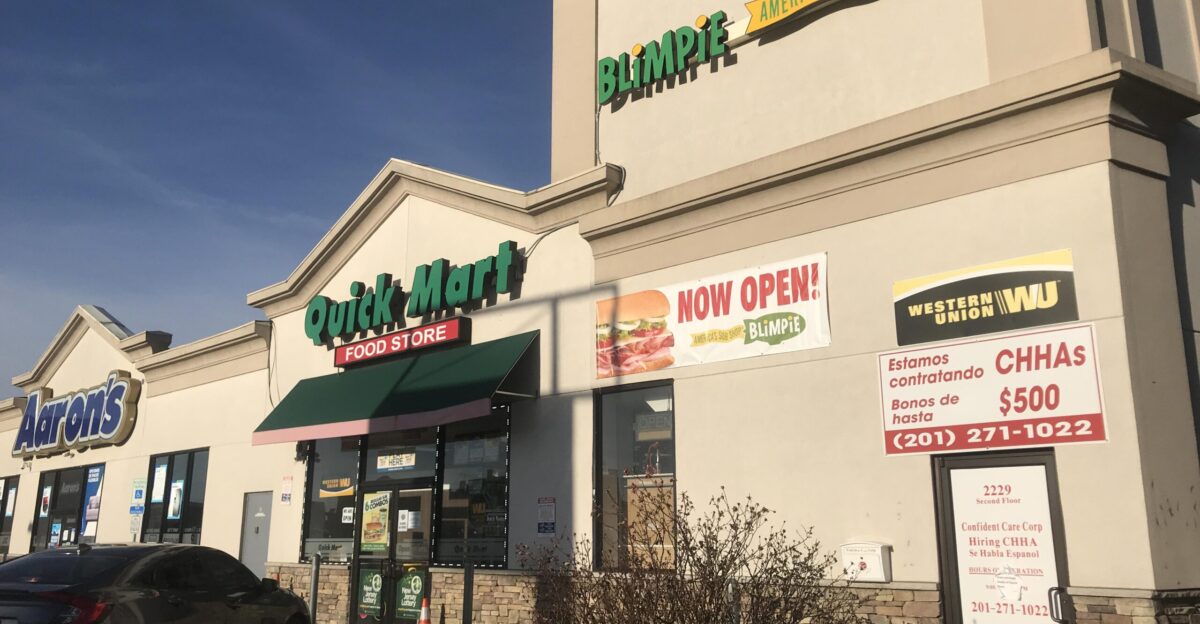
Blimpie’s core problem was unit economics. A convenience store kiosk generating $200,000 annually could not support rent, labor, food costs, and royalty payments. The company knew this, internal analysis showed 70% of nontraditional locations were unprofitable, yet it kept opening them because corporate collected royalties regardless. Franchisees absorbed the losses. Once the default rate became known, recruiting new operators slowed fast.
The Tech Gap That Hurt At The Worst Time
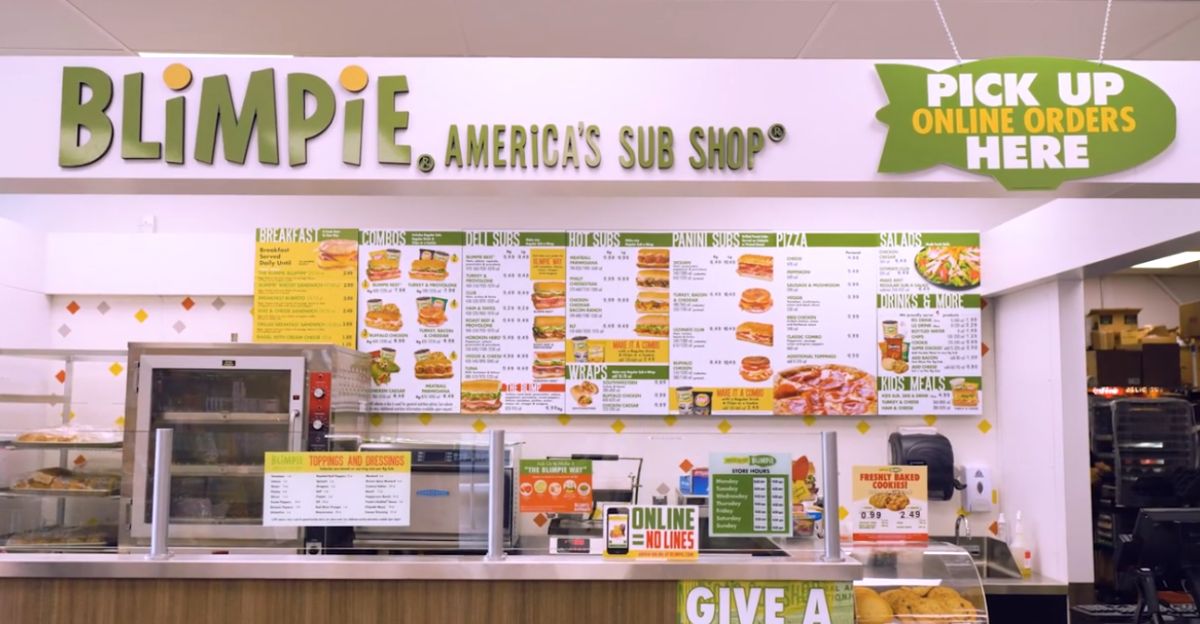
By 2015, successful chains were investing millions in mobile ordering, digital loyalty programs, and modern point-of-sale systems. Blimpie’s technology stagnated. Jersey Mike’s has built a sophisticated digital ordering system. Firehouse Subs modernized its POS systems. Blimpie stayed stuck in the 2000s. When the pandemic prompted consumers to shift toward online ordering, the brand struggled to keep up, and its visibility suffered as a result.
A Brand Fading From Memory
Blimpie’s Instagram has fewer than 2,000 followers. Jersey Mike’s has 200,000+. Throughout the 2010s and 2020s, Blimpie posted sporadically, with no notable campaigns, no viral moments, and little reason for younger customers to be aware of its existence. The company website had not been meaningfully updated since 2019. But the store count data shows the slide was measurable long before social media mattered.
“By 2011, The Number Of Blimpie Locations”
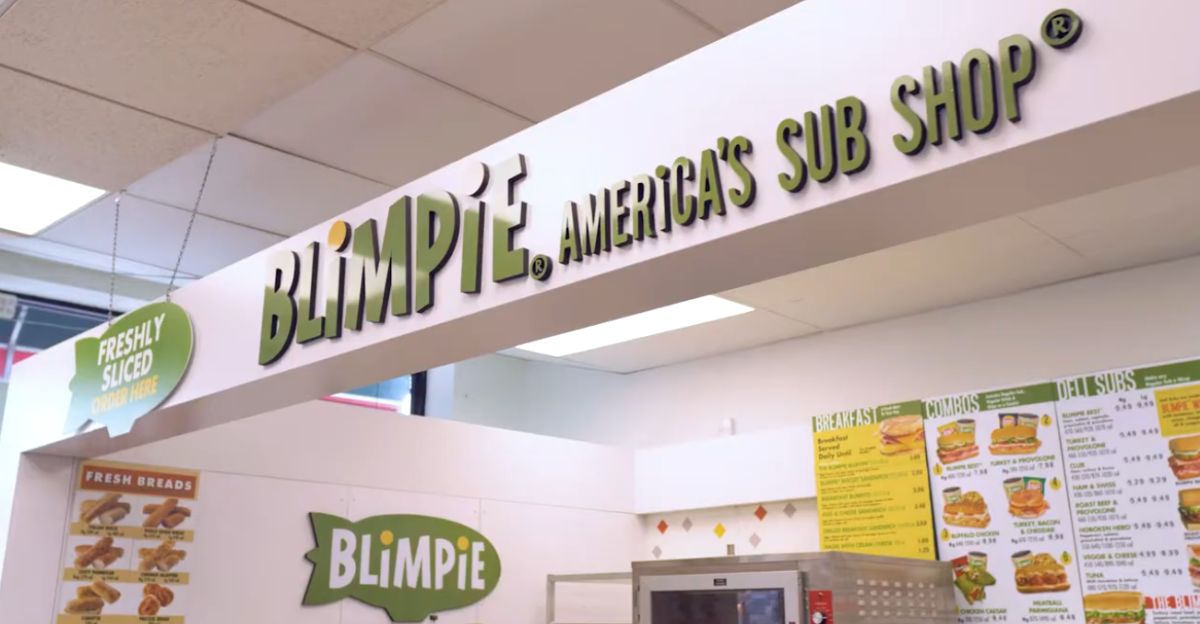
“By 2011, the number of Blimpie locations had fallen to 739 stores, and revenue was down to just over $110 million,” Wikipedia, 2024. That line captures how quickly the footprint was shrinking after the 2001 sale. It also hints at the geographic retreat that followed, where Blimpie stopped being national and became scattered pockets of survival. Where did the remaining stores cluster, and why there?
The Map Of A Retreating Chain
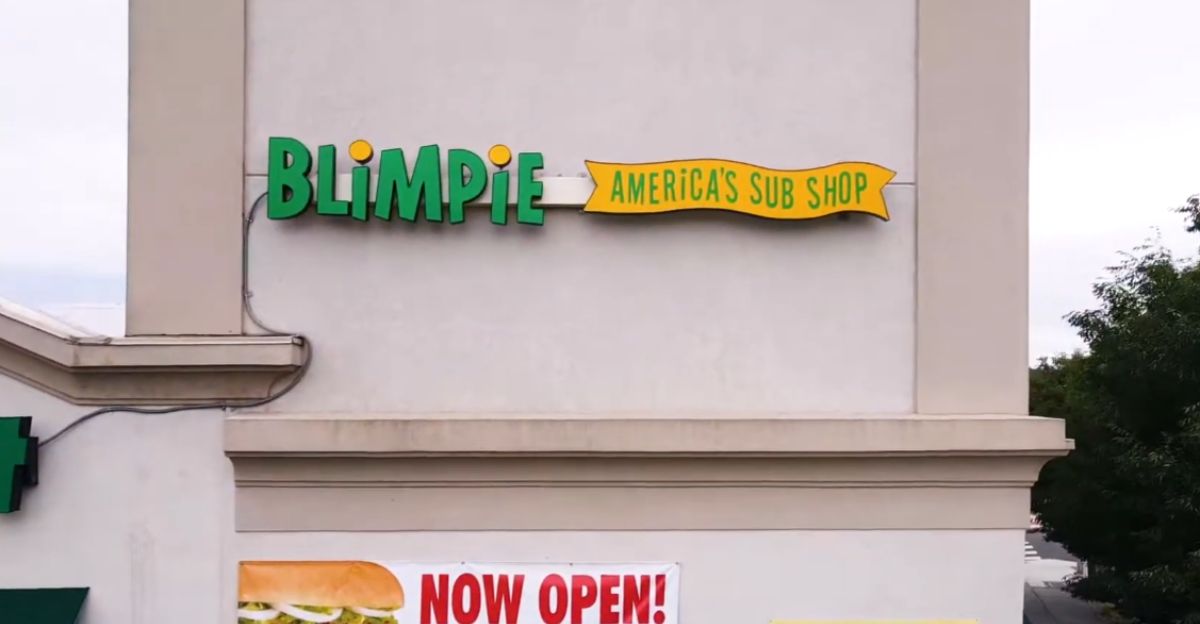
As of late 2025, New Jersey has 21 Blimpie locations, over 22% of the remaining system. Georgia has 15, and Idaho has 7. Those 3 states hold 48% of the entire U.S. footprint. Blimpie operates in just 23 states total. Texas has 4 stores left, and California is minimal or nonexistent, reflecting a brand quietly abandoning whole regions.
The MTY Deal That Didn’t Revive Blimpie

MTY Food Group acquired Kahala Brands in 2016 for $310 million. Blimpie became 1 of 18 brands under a Canadian franchisor overseeing 5,500+ locations globally. There was no dedicated brand president, no major capital investment, and little strategic attention. From 2016 to 2025, the store count fell from 164 to 95, a decline of roughly 4.2% annually. Could any turnaround have worked by then?
Singapore’s Fast Rise And Faster Exit

Blimpie expanded to Singapore in 2020, expecting to open 5 locations through a partnership with Deelish Brands, with staggered openings through 2025. By 2023, both the Singapore Blimpies and Deelish Brands had collapsed. The venture lasted 3 years, and 0 locations remain. It became a symbol of misplaced focus, consuming attention while the domestic system kept shrinking.
“Blimpie Has Contractesd To Approximately 95 Stores”
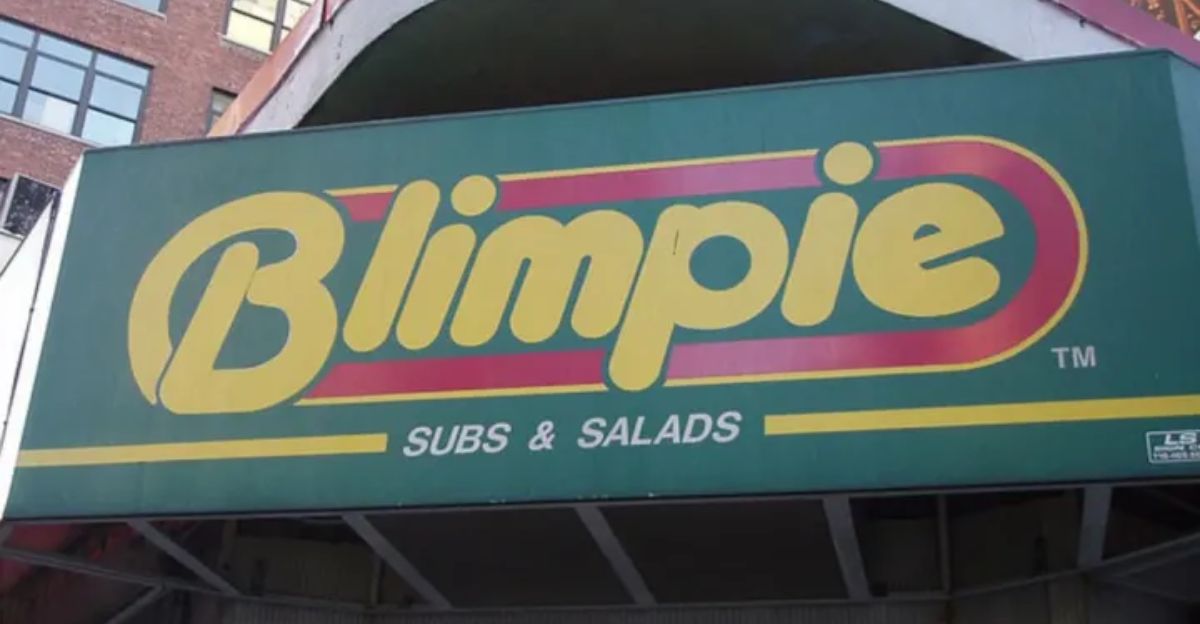
“Blimpie has contracted to approximately 95 stores across the country, with concentrations in states like New Jersey and Georgia,” TheStreet, 2025. Even with the misspelling preserved, the message is clear: Blimpie did not explode in a headline-worthy collapse. It faded. A 61-year-old brand became easy to overlook because its decline was gradual, uneven, and mostly out of sight until the count hit double digits.
What’s Left Of “America’s Sub Shop”
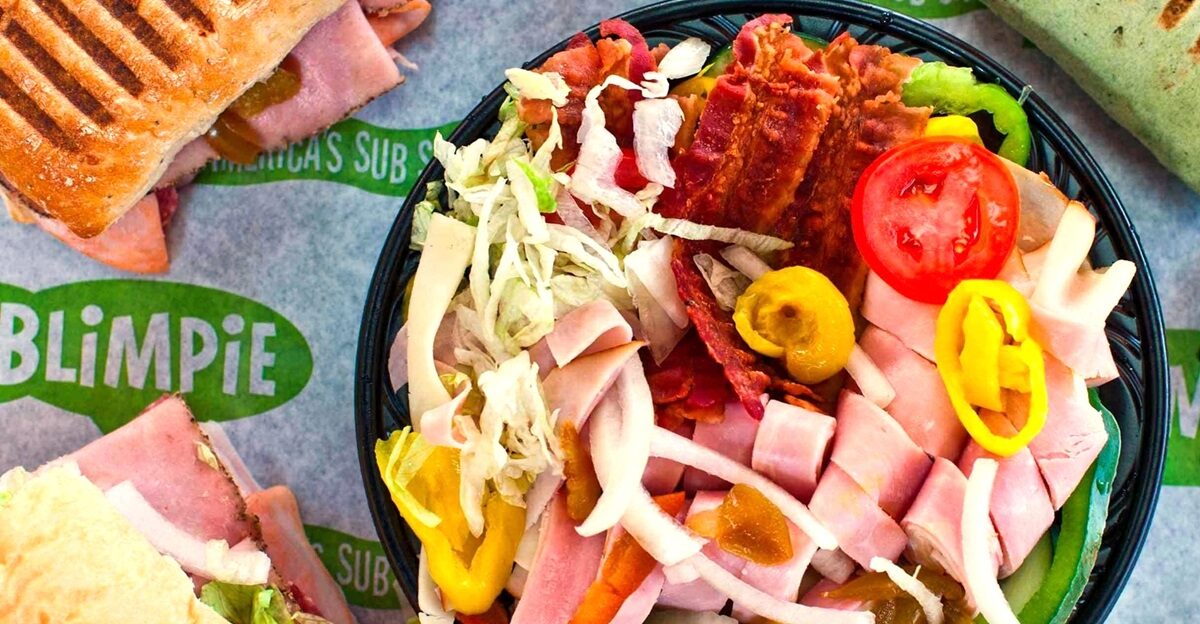
Today, Blimpie exists mostly as a cautionary tale. The 95 remaining locations are concentrated in New Jersey and Georgia, run largely by long tenured franchisees who stayed despite corporate neglect. New franchise applications have essentially stopped. The corporate website remains static. Consumer awareness is minimal outside a few clusters. Blimpie was a pioneer that became a relic, and the final lesson sits in what its rivals learned earlier.
Sources:
MTY Food Group Acquires Kahala Brands. Food Business News, 2016
Why a once-dominant sandwich chain all but disappeared. TheStreet, 2025
The Decline of Blimpie…What Happened?. Company Man, YouTube, August 14, 2024
Blimpie International, Inc. Company History and Evolution. Wikipedia, 2024
Blimpie Franchise Complaints. Unhappy Franchisee Database, 2024