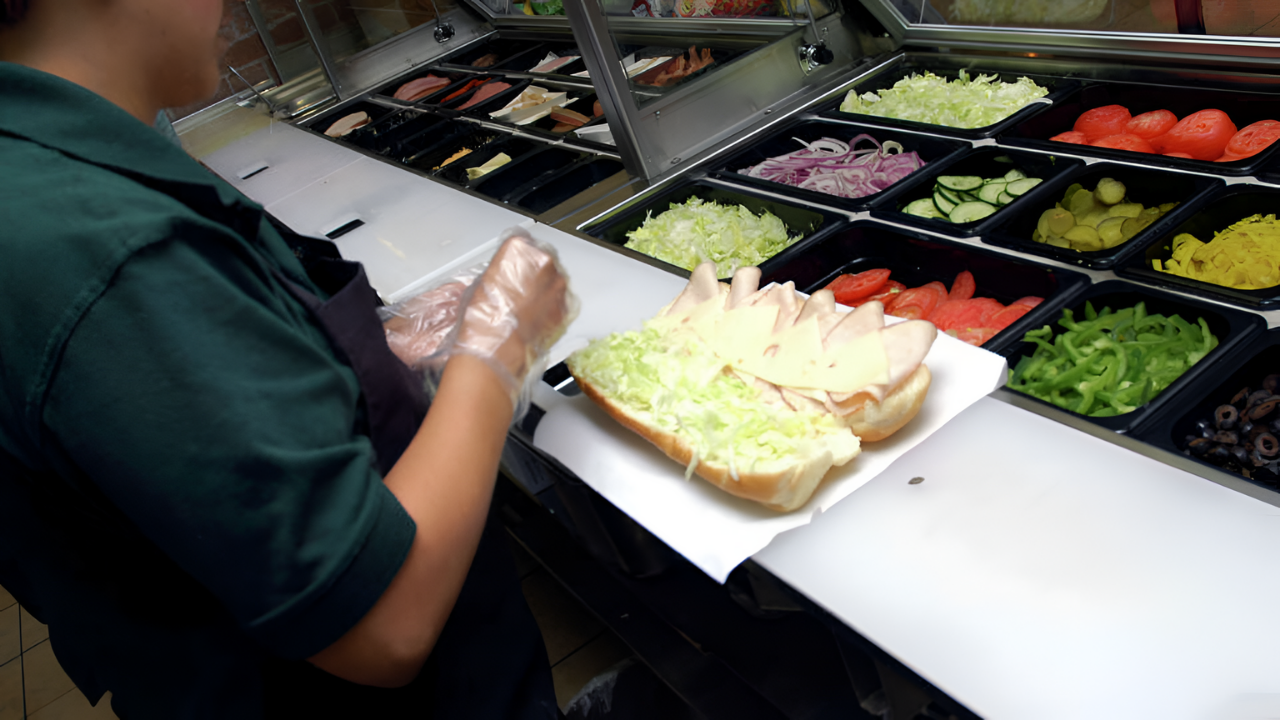
Blimpie’s sandwich empire, once sprawling across nearly 2,000 U.S. locations, has shrunk to fewer than 100 stores, a stark reminder of how quickly fortunes can fade in the competitive fast-food landscape.
From 2001 to 2011, Blimpie shuttered over 1,000 outlets, reducing its count to 200 by 2023 and just 95 by 2025. The chain now operates in 23 states, with the largest clusters in New Jersey (20 stores) and Georgia (18 stores). This 95% contraction over less than 25 years stands out as one of the fastest declines in the restaurant sector, leaving behind vacant storefronts and faded signage in former hotspots.
The story started in 1964, when three partners took out loans to launch the first Blimpie in a Hoboken, New Jersey, basement. The submarine sandwich idea spread quickly, reaching 150 franchises by 1983 through aggressive national expansion. By the early 2000s, the chain hit its peak of 1,850 to 2,000 locations, securing prime retail spots and challenging giants like Subway.
Strategic Missteps and Mounting Pressures
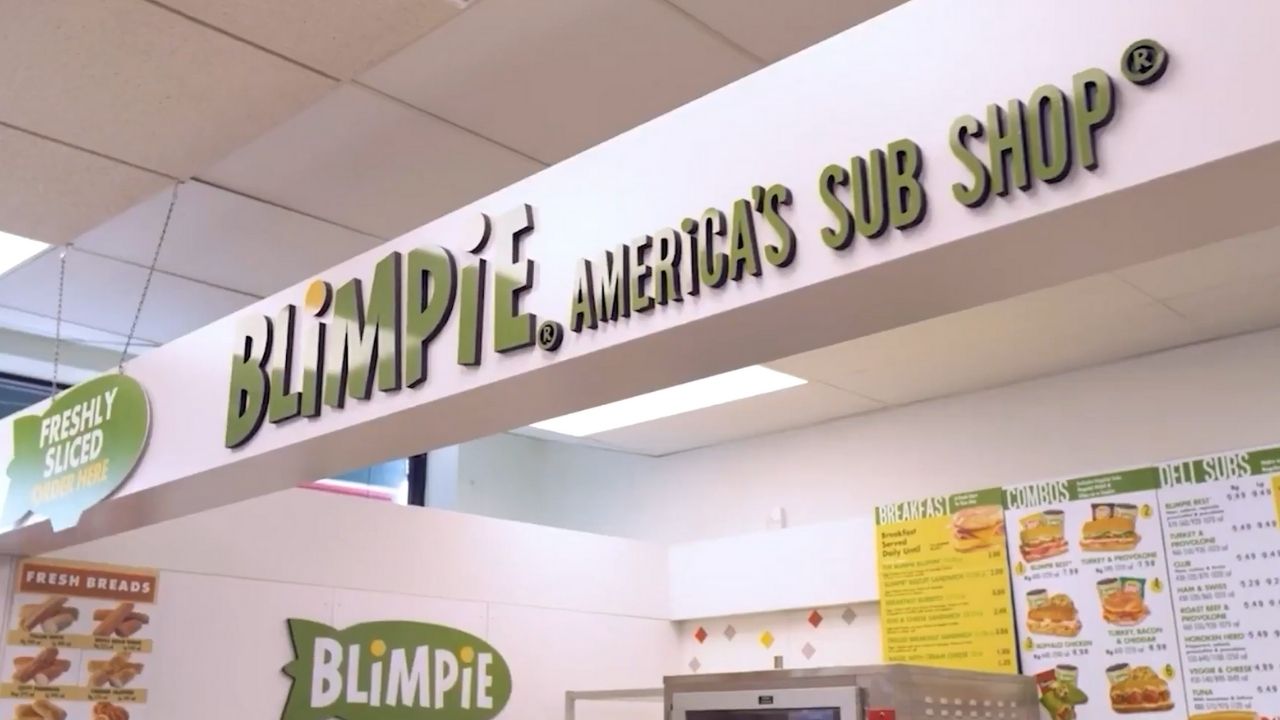
Ownership changes in the early 2000s brought pivotal errors. Blimpie pushed into nontraditional venues like convenience stores, kiosks, and carts, but these spots underperformed. Between mid-2000 and mid-2001 alone, 155 locations closed, with about 70% in those unprofitable formats. Competition intensified from Subway’s low-cost, high-volume model—which boasted over 27,000 U.S. stores by 2015—and local delis offering fresher ingredients and better service. Blimpie’s margins eroded as it cut costs on portions and quality, alienating customers.
The closures wiped out roughly 1,900 stores over two decades, costing thousands of jobs. Franchise owners, often investing life savings, suffered heavily; SBA loan data reveals approximately 40-46% of Blimpie franchisees defaulted on government-backed loans, one of the industry’s highest rates. Undercapitalized operators in oversaturated markets struggled with rising costs, poor management, and slim economics. The 2006 acquisition by Kahala Brands—which would later acquire Cold Stone Creamery in 2007—failed to halt the slide, dropping stores to 739 by 2011 despite rebranding attempts.
Broader Industry Challenges
Blimpie’s woes mirror troubles across franchising. The COVID-19 pandemic accelerated closures for small operators lacking resources for delivery or digital shifts. Rivals like Jersey Mike’s, rooted in a 1956 New Jersey sub shop, grew to over 3,000 locations by emphasizing quality and strong franchises, while Jimmy John’s thrived on delivery. Younger consumers, familiar with Subway, Chipotle, and these newcomers, overlooked Blimpie amid its reduced marketing. Chains like Quiznos, which filed for bankruptcy in 2014, faced similar issues from unsustainable low-price models amid labor costs, food inflation, and shifting tastes.
Blimpie’s path forward hinges on Kahala’s choices amid limited supplier leverage and investment capacity. It could persist as a regional player in New Jersey and Georgia, serving loyalists through selective franchising in high-traffic spots. Yet experts doubt a national revival, given the brand’s invisibility to new generations and entrenched competition. The chain’s saga underscores execution risks in franchising—overexpansion, weak economics, and adaptation failures—serving as a lesson for the sector as economic pressures persist.
Blimpie’s sandwich empire, once sprawling across nearly 2,000 U.S. locations, has shrunk to fewer than 100 stores, a stark reminder of how quickly fortunes can fade in the competitive fast-food landscape.
A Collapse Unlike Any Other
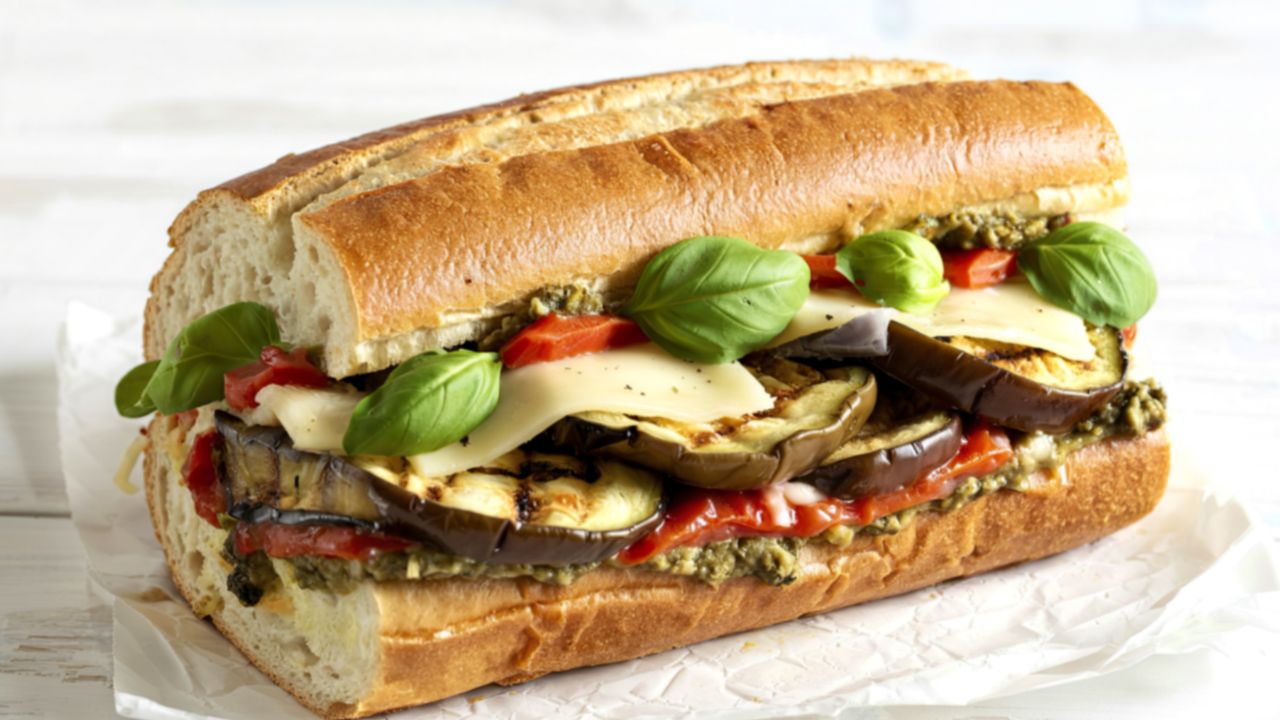
From 2001 to 2011, Blimpie shuttered over 1,000 outlets, reducing its count to 200 by 2023 and just 95 by 2025. The chain now operates in 24 states, with the largest clusters in New Jersey (20 stores) and Georgia (15 stores). This 95% contraction over less than 25 years stands out as one of the fastest declines in the restaurant sector, leaving behind vacant storefronts and faded signage in former hotspots.
The story started in 1964, when three partners took out loans to launch the first Blimpie in a Hoboken, New Jersey, basement. The submarine sandwich idea spread quickly, reaching 150 franchises by 1983 through aggressive national expansion. By the early 2000s, the chain hit its peak of 1,850 to 2,000 locations, securing prime retail spots and challenging giants like Subway.
Strategic Missteps and Mounting Pressures
Ownership changes in the early 2000s brought pivotal errors. Blimpie pushed into nontraditional venues like convenience stores, kiosks, and carts, but these spots underperformed. Between mid-2000 and mid-2001 alone, 155 locations closed, with about 70% in those unprofitable formats. Competition intensified from Subway’s low-cost, high-volume model—which boasted over 27,000 U.S. stores by 2015—and local delis offering fresher ingredients and better service. Blimpie’s margins eroded as it cut costs on portions and quality, alienating customers.
The closures wiped out roughly 1,900 stores over two decades, costing thousands of jobs. Franchise owners, often investing life savings, suffered heavily; SBA loan data reveals 46% of Blimpie franchisees defaulted on government-backed loans, one of the industry’s highest rates. Undercapitalized operators in oversaturated markets struggled with rising costs, poor management, and slim economics. The 2006 acquisition by Kahala Brands—owners of Cold Stone Creamery, Auntie Anne’s, and Cinnabon—failed to halt the slide, dropping stores to 739 by 2011 despite rebranding attempts.
Broader Industry Challenges
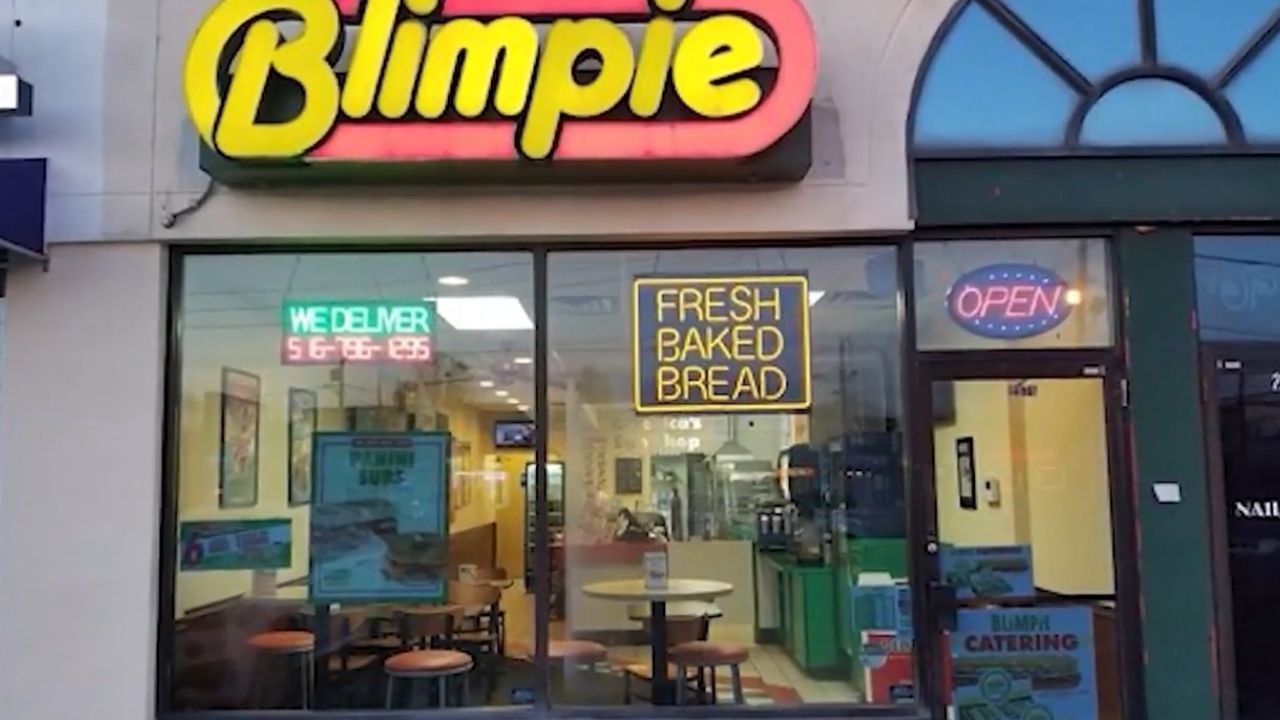
Blimpie’s woes mirror troubles across franchising. The COVID-19 pandemic accelerated closures for small operators lacking resources for delivery or digital shifts. Rivals like Jersey Mike’s, rooted in a 1956 New Jersey sub shop, grew to over 3,000 locations by emphasizing quality and strong franchises, while Jimmy John’s thrived on delivery. Younger consumers, familiar with Subway, Chipotle, and these newcomers, overlooked Blimpie amid its reduced marketing. Chains like Quiznos, which filed for bankruptcy in 2014, faced similar issues from unsustainable low-price models amid labor costs, food inflation, and shifting tastes.
Blimpie’s path forward hinges on Kahala’s choices amid limited supplier leverage and investment capacity. It could persist as a regional player in New Jersey and Georgia, serving loyalists through selective franchising in high-traffic spots. Yet experts doubt a national revival, given the brand’s invisibility to new generations and entrenched competition. The chain’s saga underscores execution risks in franchising—overexpansion, weak economics, and adaptation failures—serving as a lesson for the sector as economic pressures persist.
Sources:
“Why Blimpie Is Struggling To Stay In Business.” Mashed, 9 Mar 2024.
“61-year-old sandwich chain quietly shuts nearly 2000 shops.” Yahoo Finance, 28 Dec 2025.
“Kahala Corp. Announces Acquisition of BLIMPIE Restaurant Chain.” QSR Magazine, 25 Jan 2006.
“A brief history of Quiznos’ collapse.” Restaurant Business, 12 Jun 2018.