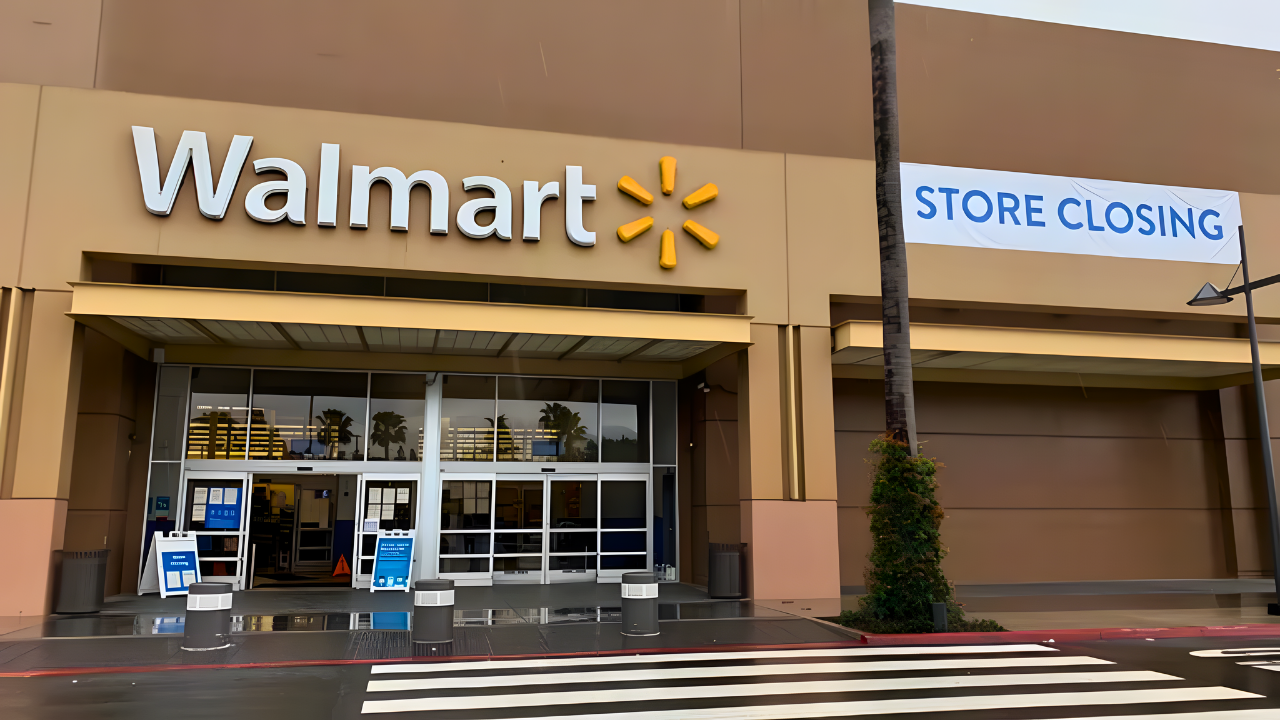
America’s shopping landscape is being remade store by store. Once-stable chains are shrinking or vanishing, and the pressures that began during the pandemic have hardened into long-term forces reshaping where people buy everything from food to clothing. For customers, the clearest clues are often visible inside the aisles well before a final “store closing” banner goes up.
Signs a Chain Is in Serious Trouble
One of the strongest indicators that a location is at risk is when company leaders publicly acknowledge steep, ongoing losses. When executives say certain branches are losing tens of millions of dollars, they are usually preparing investors and communities for shutdowns rather than testing the idea. In April 2023, for example, Walmart disclosed that some Chicago stores had posted losses for 17 straight years; those locations soon closed. Such statements are rarely reversed, and once they are made, closures often follow within weeks.
Theft has become another major factor. Several national retailers say shoplifting and organized retail crime have roughly doubled over the past five years. Target has responded in some markets by locking entire categories of goods behind glass and trimming how much it keeps on shelves. When everyday items suddenly require staff to unlock cases, it is not just an inconvenience for shoppers; it suggests the company is struggling to balance security costs against shrinking profit margins and may be preparing to leave.
Bankruptcy filings are an even more direct warning. When a large chain seeks court protection from creditors, store closures usually come quickly. Bed Bath & Beyond filed in April 2023 and shut all of its locations by July. Forever 21 has gone through bankruptcy more than once, with its most recent restructuring ending in a sweeping pullback from physical stores. By the time a bankruptcy becomes public, decisions about which locations to close are often well advanced.
Day-to-Day Changes Inside the Store
Shoppers can also spot trouble in more subtle operational changes. A store that once opened early and closed late may begin trimming hours at both ends of the day, leaving fewer evening or early-morning options. At the same time, staff levels tend to drop, making checkout lines longer and restocking slower. These shifts are often cost-cutting moves while corporate leaders decide whether a location still fits into their long-range plans. Once hours and staffing are cut, they rarely return to previous levels, and many such stores end up on closure lists.
Conditions on the sales floor offer another set of signals. Locations slated for closure often look worn down before any public announcement. Shelves may be half-empty for weeks, seasonal displays may not be updated, and once-reliable product choices shrink. This is not simply poor management; it is a sign the company may be reducing shipments and limiting fresh inventory to avoid being stuck with goods when doors finally shut. Fry’s Electronics, for instance, became known for cavernous stores with large gaps on its shelves in the years before it abruptly closed in 2021.
Shifts in Strategy: Smaller Stores and Online Focus
Even when stores are not closing immediately, how chains invest reveals which formats they believe can survive. Some retailers are moving away from sprawling, traditional locations and experimenting with smaller footprints or experience-driven spaces. Kohl’s has reduced the size of many of its sites, while Foot Locker is closing numerous mall locations and opening new concepts built around different layouts and activities.
At the same time, many large chains are redirecting spending toward e-commerce. Some companies are shutting physical storefronts while building high-tech fulfillment centers designed to ship online orders rapidly. Walmart has closed various outlets even as it opens new distribution hubs, and Sam’s Club has converted former stores into logistics facilities. The message is clear: for these firms, moving goods through warehouses to customers’ homes now often looks more profitable than operating large walk-in locations.
Foot Traffic, Neighborhood Changes, and the Crime Debate
Retailers closely monitor how many people come through their doors. When foot traffic drops sharply—often by more than 20 percent over a year—locations become much harder to justify. Work-from-home patterns have drained office districts of daily commuters, and research from Stanford University and the JPMorgan Chase Institute shows that cities such as San Francisco, New York, and Chicago lost significant numbers of in-person shoppers between 2017 and 2021. When a downtown that once bustled now feels quiet, stores that depend on steady walk-in trade may not last.
Chains also look beyond their own doors. If several national brands close in the same part of a city within a short period, it usually reflects deeper local problems such as weak demand, high costs, or both. In San Francisco, Whole Foods, Anthropologie, and Nordstrom were among the prominent retailers that shut locations in 2023. Such clusters of exits often signal that a neighborhood or district can no longer support the same density of big-name stores.
Crime and safety concerns have become a frequent explanation for these decisions. Companies such as Walmart and CVS have cited theft and security challenges when closing outlets. Some economists, however, argue that rising crime can also be a consequence of store closures rather than only a cause, suggesting a feedback loop: as retail options vanish and areas grow more neglected, crime may increase, which in turn is used to justify further shutdowns.
Long-Term Impact and What Comes Next
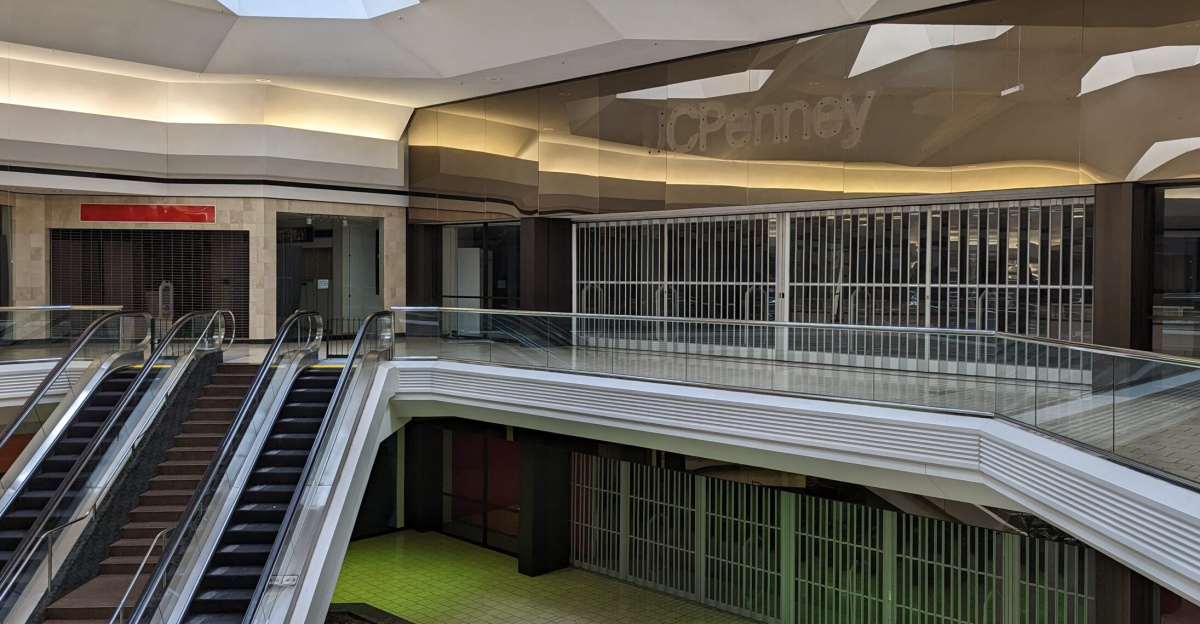
The pandemic accelerated trends that were already under way. In 2020 alone, U.S. retailers shuttered 9,302 stores, a 59 percent increase over the total two years earlier and the highest tally since 2012. Well-known chains including J. Crew, Neiman Marcus, and JCPenney all entered bankruptcy that year. By mid-2022, however, store openings began, on balance, to outnumber closures again as retailers adjusted and launched new formats.
Still, the broader shakeout is far from over. Analysts at UBS have forecast that about 50,000 additional U.S. stores could close by 2027. When big retailers pull out, the effects ripple through communities. Smaller independent shops nearby often lose traffic and eventually shut, creating “retail deserts” where residents must travel long distances for basics like groceries and clothing. These shifts influence not only where people shop but how neighborhoods develop, which jobs are available, and how connected communities feel.
For customers, paying attention to early warning signs—public comments about losses, sudden changes in hours and staffing, deteriorating store conditions, and clusters of closures in one region—can help them anticipate which locations may not be around much longer. For cities and towns, the next few years will test whether they can replace departing big-box stores with new models or risk being left without essential services as the reshaping of American retail continues.
Sources:
Bankruptcy, Falling Sales Force Thousands More Store Closures – The Street
2025 US Retail Industry Outlook | Deloitte Insights – Deloitte
The great retail reset: what’s behind the wave of store closures – Retail Insight Network
Retail Apocalypse: What The Data is Actually Telling Us – ReatilDogMa