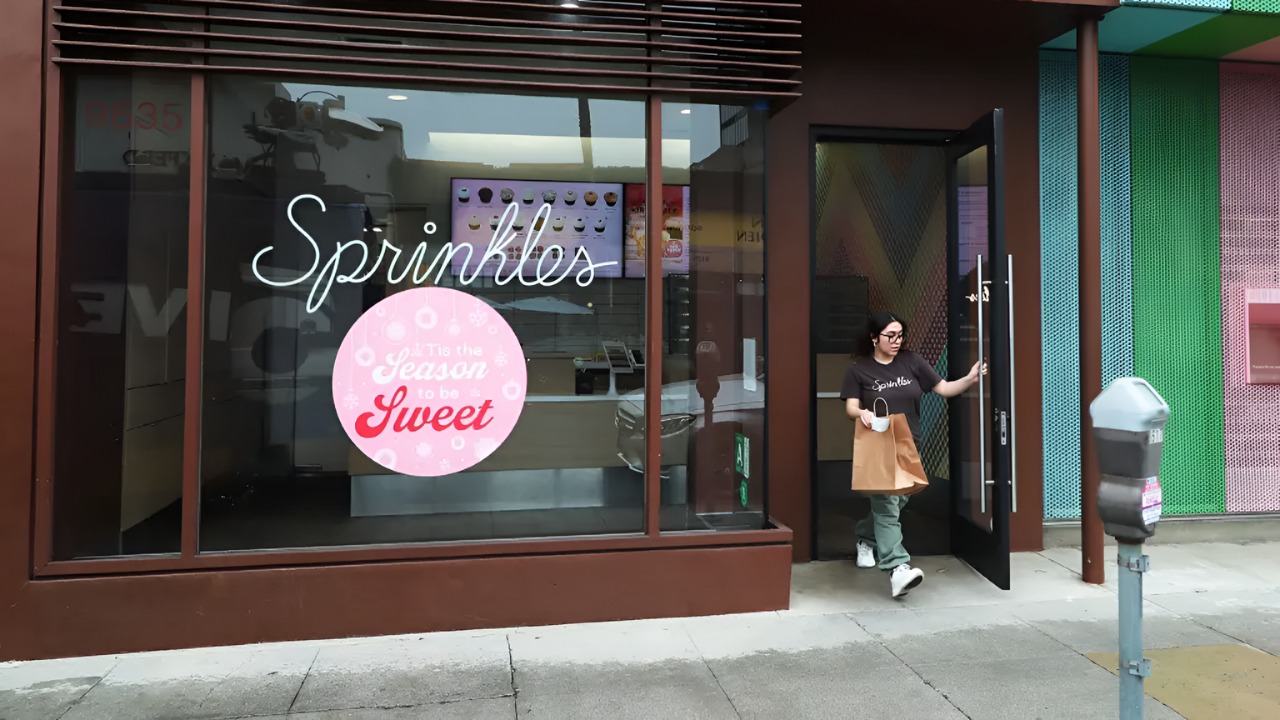
After nearly 20 years of selling cupcakes, Sprinkles has officially closed all of its shops and cupcake ATMs across the United States. The move marks the end of a cultural era that once turned cupcakes into a national obsession, while also reflecting broader changes in how Americans enjoy dessert outside their homes.
Sprinkles began in 2005 with a single idea: a bakery that sold only cupcakes. At the time, this was new and exciting. The concept caught on fast, and soon Sprinkles became the face of the cupcake boom. Crowds lined up outside its stores, celebrities mentioned it on television, and the brand’s sleek look helped it feel more like a fashion statement than a small-town bakery. Its invention of the first 24-hour cupcake ATM added to the buzz, giving customers access to treats anytime.
At its busiest point, Sprinkles had 21 locations across the country and a strong place in pop culture. But as dessert trends changed, the image of the cupcake as the must-have treat started to fade. New dessert shops offered variety, cookies, ice cream, doughnuts, and healthier options, while Sprinkles stuck with its single-theme menu. By the end of 2025, all of Sprinkles’ U.S. bakeries and ATMs were shut down. Founder Candace Nelson announced December 31 as their final day of operations, closing a chapter that once helped define American dessert culture.
The Challenges of Selling Just One Thing

Sprinkles’ downfall mirrors a broader problem for dessert shops built around one product. When customer tastes evolve, these businesses often struggle to keep up. Over the last decade, people have started seeking variety, seasonal flavors, limited-edition items, and lower-sugar or gluten-free desserts. Single-item bakeries, no matter how beloved, found it harder to compete in a dessert world that now changes by the month.
Economic factors made things worse. Rents and labor costs have risen, especially in big cities where Sprinkles had many of its locations. Interest rates have also gone up, making it more expensive for companies to expand or remodel. Restaurants with narrow menus and premium pricing were hit hardest because they had little flexibility to adapt. For Sprinkles, the costs of running physical shops and maintaining its signature ATMs became too much while consumer habits were shifting toward takeout, online orders, and viral food trends.
These pressures were not unique to Sprinkles. All across the restaurant industry, businesses have been struggling to balance post-pandemic changes in customer behavior with financial realities. Dessert shops that once thrived on walk-in traffic and novelty found themselves squeezed between rising costs and shrinking interest.
Ownership Shifts and Corporate Choices

The company’s journey was also shaped by who owned it. In 2012, Sprinkles’ founders sold the business to a private equity firm. From that point, it moved away from hands-on, founder-led management toward a more corporate model focused on franchising rather than running its own stores. By 2025, Sprinkles no longer operated any company-owned bakeries in the U.S.
The final closure came quickly and caught many by surprise. Candace Nelson, though still strongly linked to the brand, said she learned about the shutdown only days before it happened. Employees described getting abrupt layoff notices without severance pay, highlighting the human cost of corporate decisions made at a distance.
What happens next for the brand is still unclear. Sprinkles retains valuable intellectual property—recipes, branding, and strong name recognition, that could make a comeback possible through packaged goods or international franchises. But for now, the original cupcake empire that helped start it all has officially gone dark.
Desserts and Dining in Transition
Sprinkles’ exit is part of a larger wave of restaurant closures in the Washington, D.C., region and beyond. The company’s Georgetown bakery, open since 2011, closed alongside others as part of the nationwide pullback. Around the same time, Chip City, a major cookie chain that once seemed poised for aggressive growth, shut its only Maryland shop in Bethesda, even after receiving a $10 million investment from Danny Meyer’s hospitality firm. Other well-known names, including The Cheesecake Factory and Lucky Strike, are also leaving the area.
These closures go beyond business losses, they change the fabric of local neighborhoods. Workers lose jobs with little warning, and customers lose casual gathering spots that once filled storefronts with steady activity. Bethesda, for example, has seen several dessert shops disappear in quick succession, including Fancy Cakes by Leslie. Streets that once buzzed with cafes and sweet shops now face stretches of vacancy as landlords search for new tenants in a tougher economic climate.
The future of dessert dining may depend on flexibility. Many successful newcomers are mixing rich treats with lighter or healthier offerings and rotating flavors more often. Restaurants are also relying on multiple income sources, delivery, catering, and retail packaging to smooth out ups and downs.
Sprinkles’ story serves as both a celebration and a cautionary tale. It helped define a generation of dessert culture but ultimately couldn’t evolve fast enough to survive changing times. As cities and suburbs reimagine their dining scenes, the next wave of dessert spots may look very different, less focused on one perfect product, and more on giving customers something new each time they visit.
Sources:
“Sprinkles Cupcakes permanently closing all stores after 20 years of operation, founder says.” Fox Business, 30 Dec 2025.
“Chip City gets $10M from Danny Meyer’s Enlightened Hospitality Investments.” Restaurant Business Online, 19 Oct 2022.
“Chip City Permanently Closes Its Only Maryland Location.” MoCo Show, 2 Jan 2026.
“Cheesecake Factory in DC’s Friendship Heights is closing.” WTOP, 9 Dec 2025.