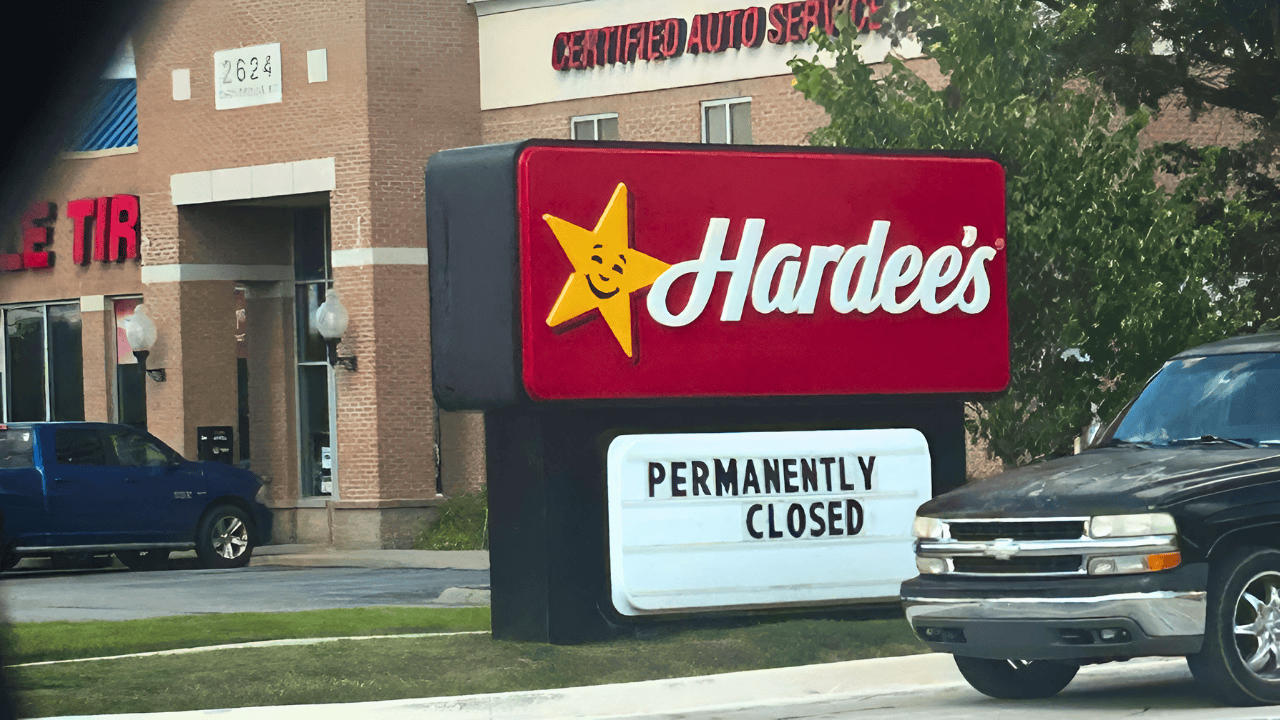
Seventy-seven Hardee’s restaurants went dark in December 2025, victims of a $6.5 million debt crisis that severed ties between the iconic burger chain and its second-largest franchisee.
Employees arrived to locked doors, customers found darkened dining rooms, and communities across eight states lost familiar landmarks. Among them: Geneva, Alabama’s sole Hardee’s at 1301 Maple Avenue, serving a town of just 4,242 residents. But what triggered this massive closure reveals deeper fractures in America’s fast-food franchise system.
The Breaking Point

Hardee’s Restaurants LLC filed a federal lawsuit in Tennessee’s Middle District Court against ARC Burger LLC, alleging the franchisee began defaulting on payments in December 2024. The operator accumulated over $6.5 million in unpaid franchise royalties, advertising contributions, technology fees, rent for 28 subleased locations, property taxes, and accrued interest.
Despite issuing two default notices and proposing repayment plans, Hardee’s received only partial payments before severing the franchise agreement in September 2025.
Alabama’s Limited Impact
Alabama emerged relatively unscathed with only the Geneva location closing, while Georgia absorbed the heaviest blow—34 shuttered restaurants representing nearly half of all affected properties. Florida, Missouri, Kansas, Illinois, Montana, South Carolina, and Wyoming also sustained losses.
Multiple Hardee’s establishments in Birmingham, Montgomery, and other Alabama cities continue operating under different franchise ownership, insulating the state from widespread economic disruption experienced elsewhere.
Private Equity’s Restaurant Gamble

ARC Burger operates under High Bluff Capital Partners, a Denver-based private equity firm managing Rego Restaurant Group’s portfolio including Church’s Texas Chicken, Quiznos, and Taco Del Mar.
High Bluff purchased 80 Hardee’s locations from bankrupt Summit Restaurant Holdings in August 2023 for $16.5 million, promising to revitalize properties that had languished under previous ownership. The acquisition seemed strategic at the time, targeting underserved markets with growth potential.
Ambitious Expansion Plans Crumble
When High Bluff acquired the restaurants, CKE Restaurants CEO Max Wetzel expressed optimism: “Throughout this process, we have maintained that the restaurants would be sold to a qualified and well-capitalized buyer with demonstrable success across the restaurant, food and beverage markets.
High Bluff is the ideal partner.” The statement, issued in July 2023, captured industry hopes that experienced operators could rescue struggling franchises.
Management Fee Complications

ARC Burger’s financial structure required annual payments of $1 million plus 5% of EBITDA to High Bluff Capital Partners through a management consulting arrangement.
Hardee’s lawsuit alleges these payments were neglected alongside franchise obligations, creating a cascading debt crisis. The complex financial engineering, designed to maximize returns, instead accelerated the franchisee’s collapse throughout 2024.
Revenue Reality Check

Average Hardee’s restaurants generate under $1.2 million annually—significantly below major competitors. Wendy’s establishments earn approximately $2 million yearly, while McDonald’s outlets generate roughly $3.9 million in comparable unit volumes.
This weak financial performance makes accessing traditional restaurant lending increasingly difficult for Hardee’s franchisees, creating vulnerability when operational challenges emerge.
The Previous Franchise Failure
Summit Restaurant Holdings, ARC Burger’s predecessor operating 108 Hardee’s locations, filed Chapter 11 bankruptcy in May 2023 citing insufficient foot traffic and high operational costs.
CKE Restaurants assumed control of some properties while High Bluff purchased the bulk through bankruptcy auction. The recurring franchise failures at similar locations suggest deeper market challenges than individual operator mismanagement.
Workers Face Sudden Displacement

Hardee’s acknowledged the closures’ impact on hundreds of restaurant employees and surrounding communities in official statements.
Workers received advance notification about impending shutdowns, though the sudden nature left many scrambling for alternative employment during the competitive holiday season. Some employees at non-ARC Burger locations confirmed their restaurants would remain operational, creating confusion about which properties faced closure.
Geographic Concentration Amplifies Pain
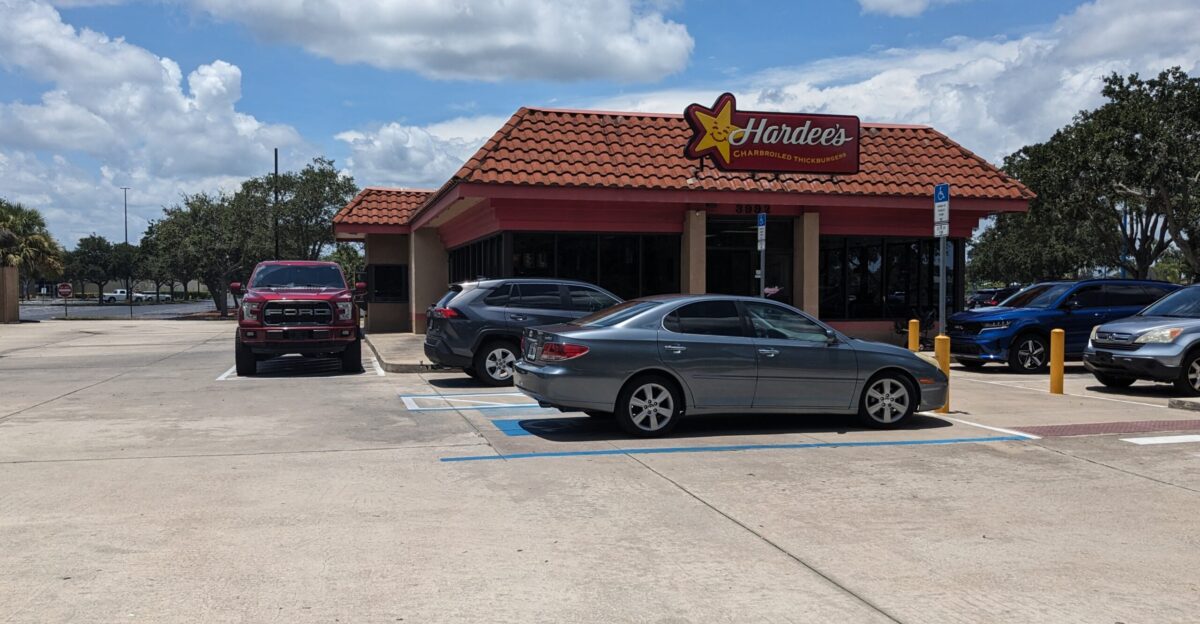
Georgia’s devastating loss of 34 establishments eliminated hundreds of jobs across affected communities, with disproportionate impact on rural areas where employment alternatives remain limited.
Local economies dependent on these establishments as both employers and dining destinations faced immediate disruption. The geographic concentration meant some communities lost their only national fast-food presence, creating food access concerns.
Expert Warns of Structural Challenges
Harvard Business School consultant Michael S. Kaufman addressed broader restaurant industry pressures: “Consumers are expressing that they’re struggling, or are starting to struggle, or are becoming more cautious about their spending.
I am uncertain if it is feasible to sustain the large number of traditional casual dining restaurants moving forward.”
Price Increases Outpace Inflation

Between 2014 and 2024, fast-food menu prices surged 39% to 100%, exceeding national inflation of 27% during the same timeframe. Labor experts indicate franchised chains experience higher violation rates than corporate-run establishments due to lower brand investment.
Franchisees face pressure to minimize labor costs offsetting steep operating expenses, particularly franchise fees, creating operational tensions that threaten service quality.
Paradigm Investment Group Fights Back

Paradigm Investment Group, operating 76 Hardee’s restaurants across Alabama, Florida, Mississippi, and Tennessee, filed its own lawsuit against Hardee’s on April 14, 2025.
The franchisee argues new operational requirements—including extended hours past 2 p.m., digital fees, and loyalty program mandates—violate original agreements and destroy profitability at many locations. The rebellion signals broader franchisee frustration with corporate mandates.
CEO Challenges Corporate Strategy

Paradigm CEO Don Wallen expressed frustration with corporate mandates: “Whenever a new CEO arrives and wishes to implement some untested strategy, we find ourselves dealing with the fallout for many years.”
The franchisee refused compliance, prompting CKE to send termination notices before both parties agreed to postpone cancellation pending legal resolution. The standoff reveals fundamental disagreements about operational strategy and profitability.
$500 Million Overhaul Investment

CKE Restaurants announced a $500 million restaurant overhaul investment over four to six years, focusing on digital and physical transformations. The company committed to updating over 500 locations across 20 markets, including $60 million in corporate locations.
Updates encompass new signage, refreshed interiors, exterior digital menu boards, and a cross-brand loyalty program launched in 2023 aimed at competing with digitally advanced competitors.
Competitors Face Similar Pressures
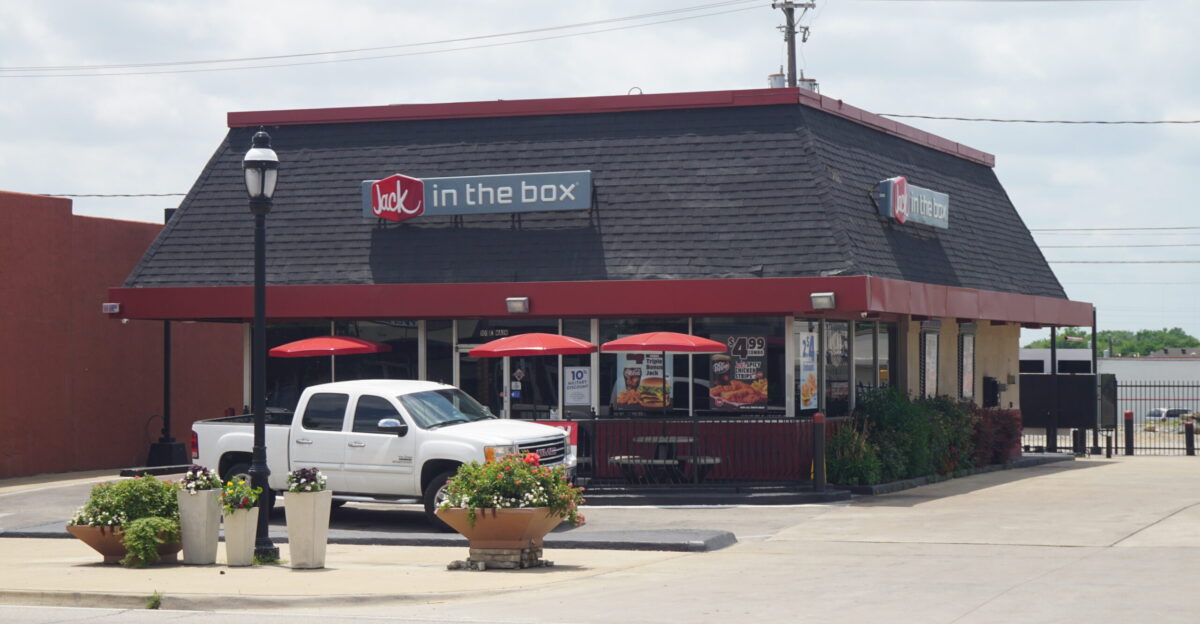
The broader fast-food industry confronted difficult conditions throughout 2024-2025 as consumers reduced dining expenses due to inflation. Wendy’s announced plans to close approximately 300 locations, while Jack in the Box launched its Jack on Track turnaround program closing 150-200 underperforming restaurants.
Burger King experienced significant franchisee bankruptcies affecting multiple state operations, demonstrating Hardee’s challenges reflect industry-wide structural issues.
Reopening Prospects Remain Uncertain
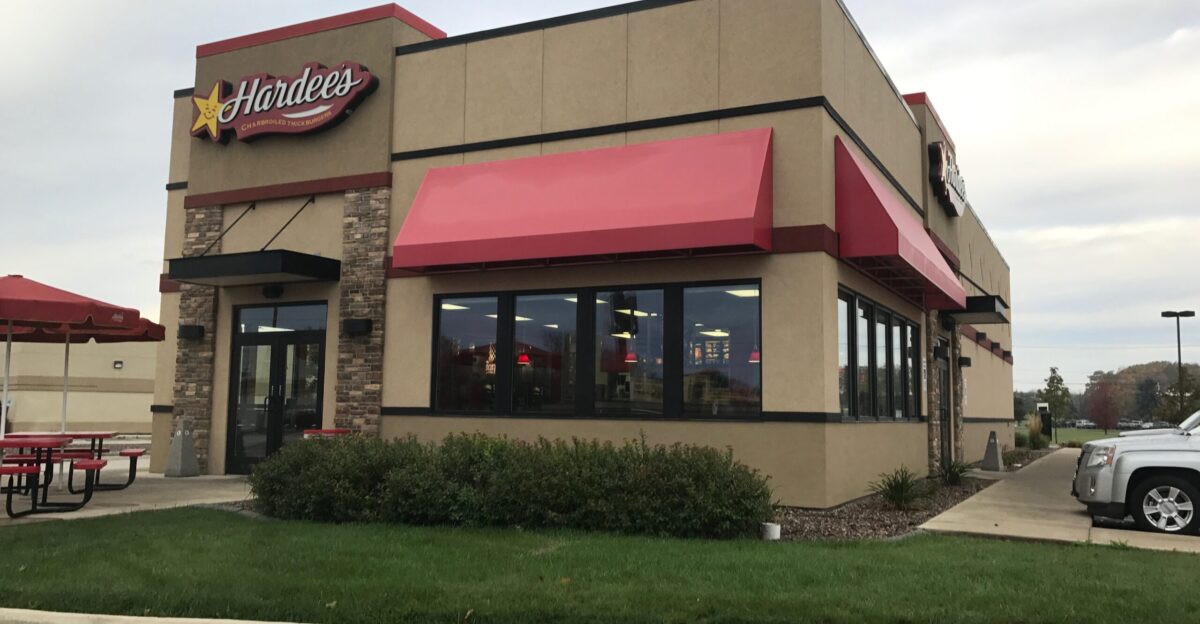
Finding new franchisees for closed Hardee’s locations faces substantial obstacles including weak brand performance, lender reluctance, geographic challenges, and infrastructure costs. The Geneva location remains closed with uncertain reopening prospects.
Industry analysts predict continued consolidation as marginal restaurants struggle to survive even within established brands. Properties in secondary markets face particularly difficult futures without viable operator candidates willing to assume operational risks.
Legal Resolution Timeline

The Tennessee federal lawsuit between Hardee’s and ARC Burger continues through 2026, with potential implications for franchise law nationwide. The case tests franchise agreement enforcement when operators claim profitability despite payment defaults.
Resolution could establish precedents affecting how franchise corporations respond to payment disputes, potentially strengthening or weakening franchisor leverage over troubled operators. Industry observers watch closely for settlement terms or court rulings.
Consumer Behavior Reshapes Fast-Food Economics
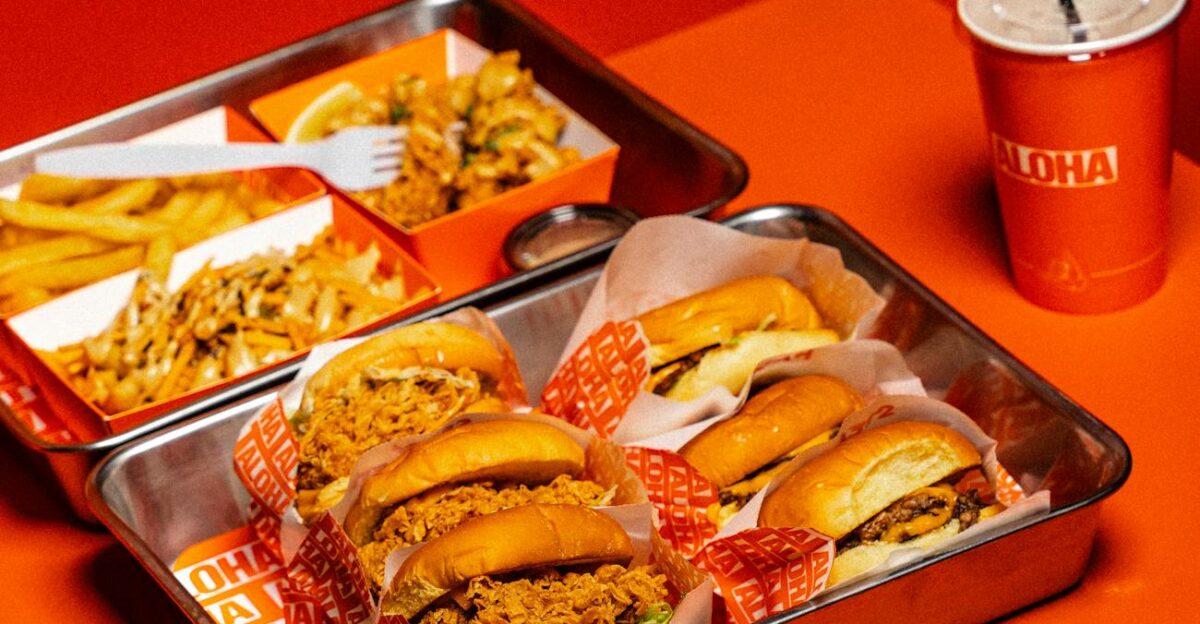
Shifting dining preferences accelerate pressure on traditional fast-food operators as younger consumers increasingly favor fast-casual concepts offering perceived quality advantages. Digital ordering, delivery app proliferation, and ghost kitchen competition fragment market share previously dominated by legacy drive-through brands.
Value perception deteriorates when menu prices approach fast-casual levels without corresponding quality improvements, forcing brands like Hardee’s to justify premium positioning against both traditional and emerging competitors.
Brand Recovery Strategy Uncertain
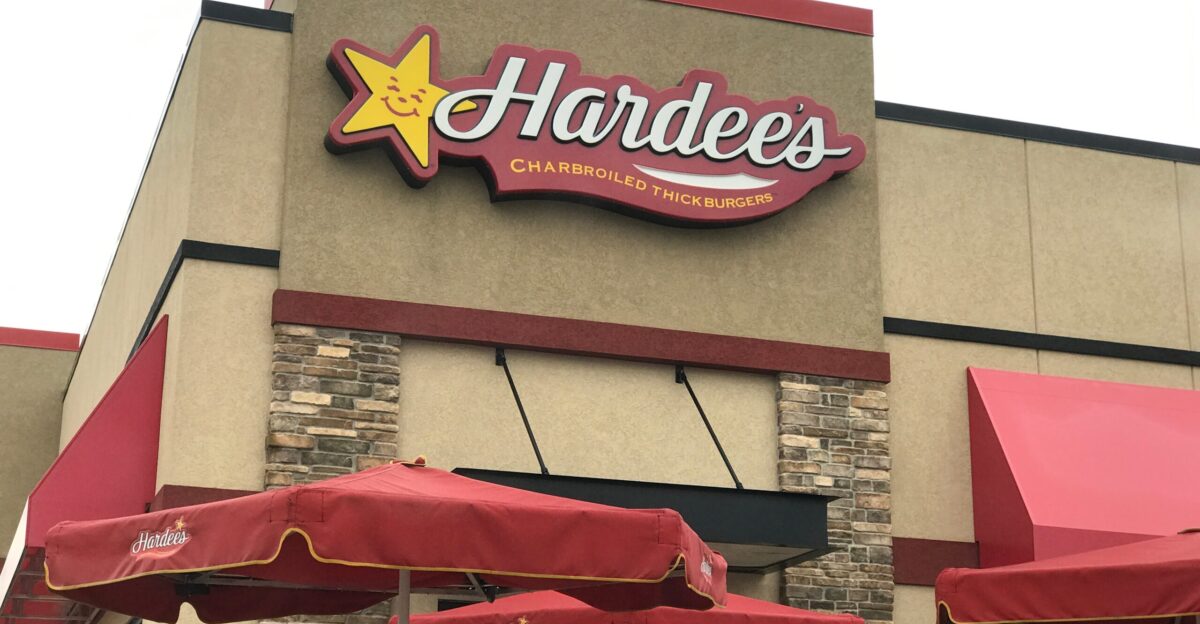
CKE Restaurants faces critical decisions about Hardee’s future positioning. The brand must address fundamental revenue performance gaps while managing remaining franchisee relationships strained by operational mandate disputes.
Whether corporate leadership pursues aggressive franchisee accountability or accommodation will determine if additional operators defect or file legal challenges.
Sources:
“Hardee’s to close 77 locations in the U.S. including AL. Here’s where and why.” Montgomery Advertiser, December 23, 2025.
“65-year-old fast-food chain sues major operator after default on millions in franchise fees.” Yahoo Finance, December 9, 2025.
“Bankrupt Hardee’s operator sells 81 restaurants to High Bluff Capital.” Restaurant Dive, July 17, 2023.
“High Bluff Capital Partners Emerges as Winner in Auction for 81 Hardee’s Restaurants.” Business Wire, July 17, 2023.
“CKE Restaurants Appoints Max Wetzel as Chief Executive Officer.” PR Newswire, March 16, 2023.