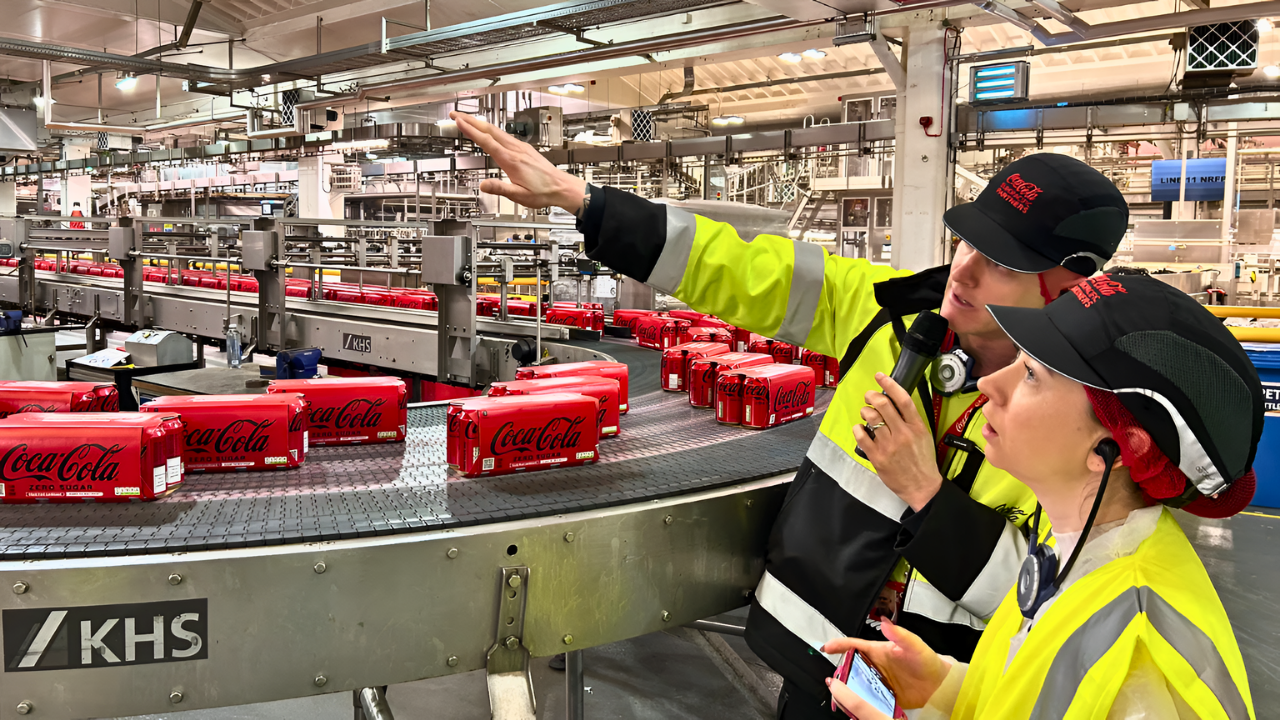
Coca-Cola’s decision to cut dozens of corporate jobs at its Atlanta headquarters, even as sales and profits rise, underscores a shifting reality for white-collar workers: strong financial results no longer guarantee employment security at major corporations.
Restructuring During Growth
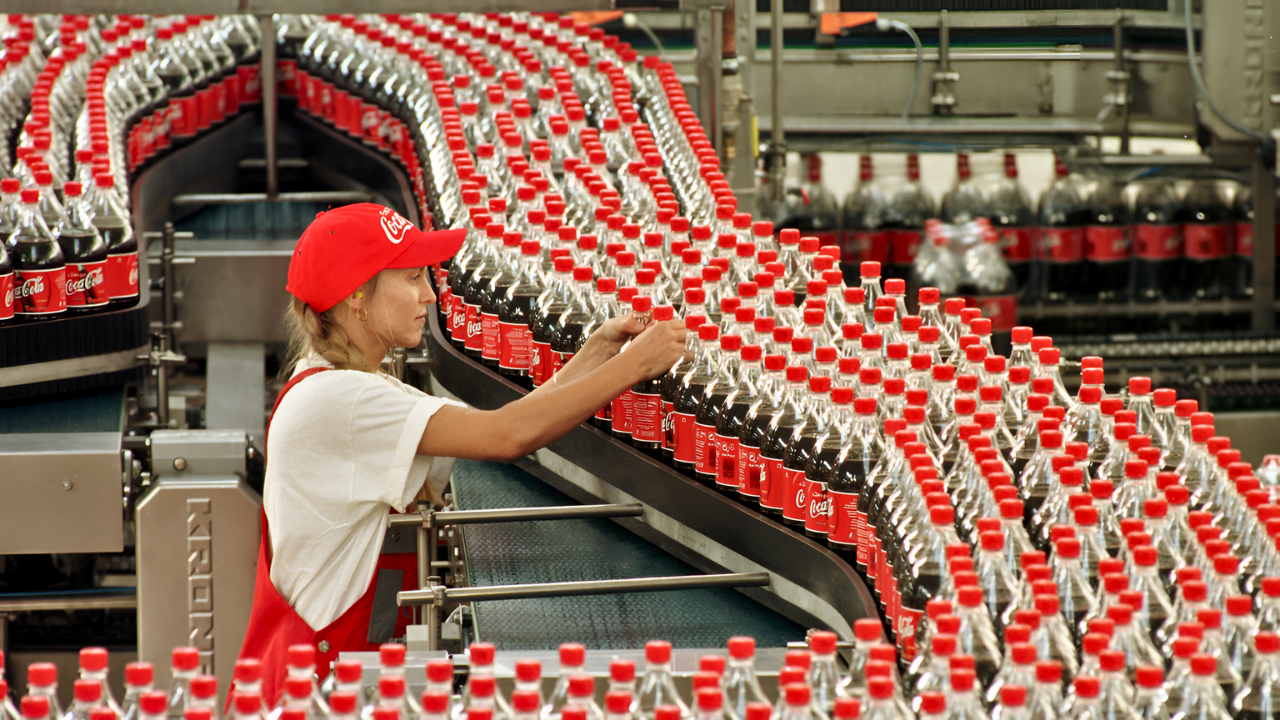
The company plans to eliminate about 75 corporate roles at One Coca-Cola Plaza beginning around February 28, 2026, according to filings and state notifications. The cuts come on the heels of a solid third quarter of 2025, when Coca-Cola reported 5% year-over-year net revenue growth to $12.5 billion. Leadership has framed the move not as a reaction to financial strain, but as part of a broader restructuring first detailed during the October 2025 earnings call.
Outgoing CEO James Quincey has stressed that Coca-Cola must direct resources toward future competitiveness rather than rely on past success, signaling a long-term strategy shift rather than an emergency cost-saving exercise.
Impact on Atlanta Headquarters
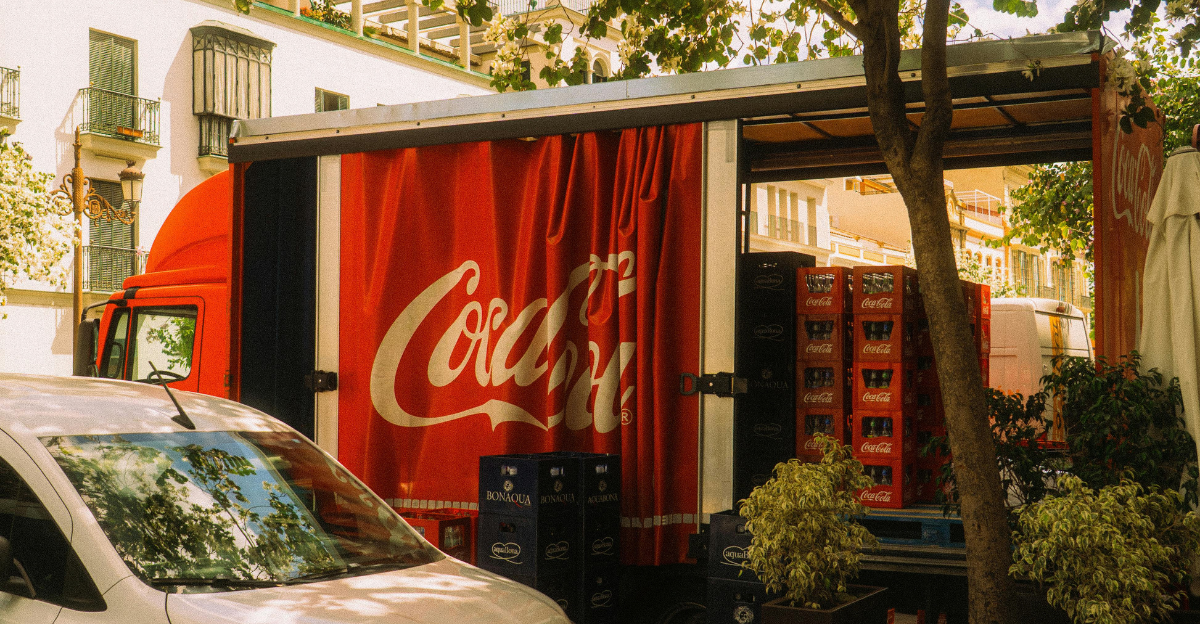
At the company’s global headquarters, the reduction represents roughly 2.5% of an estimated 3,100 employees. The positions being cut are permanent, with no union protections or bumping rights that would allow affected workers to displace colleagues in other roles. Employees have been given more than 60 days’ notice, consistent with a planned downsizing rather than temporary furloughs.
The company has indicated that the layoffs will occur in phases during early 2026 and could extend beyond the initial 75 positions, suggesting a rolling process that may reshape multiple functions. At the same time, Coca-Cola is also creating new roles in different parts of the business, pointing to a redistribution of work rather than a simple across-the-board reduction. For long-serving staff, that mix of eliminations and new opportunities introduces uncertainty about which teams will grow and which will disappear.
Shifting Investment Priorities
Coca-Cola’s restructuring is closely tied to where it is choosing to invest. Management is shifting spending away from traditional headquarters overhead toward artificial intelligence, automation, data-driven marketing, and faster-growing beverage categories. Recent financial results highlighted growth in premium teas, sports drinks, and value-added dairy products, categories where consumers are willing to pay more for perceived health, functionality, or quality.
This reflects an evolving portfolio strategy that emphasizes beverages where customers are trading up, rather than relying primarily on classic carbonated soft drinks. The company reports that demand is rising more quickly for water, sports drinks, and ready-to-drink teas than for sugary sodas, and that it is gaining value share in nonalcoholic ready-to-drink segments, especially those with lower sugar or added benefits like hydration and protein.
Global Growth, Local Cuts
The restructuring in Atlanta is unfolding against a backdrop of steady expansion in overseas markets. Coca-Cola continues to see growth across Europe, the Middle East, Africa, Latin America, and Asia-Pacific, with ready-to-drink teas, sports drinks, and water brands gaining volume and share internationally. Strong performance abroad appears to give leadership confidence to recalibrate the corporate structure at U.S. headquarters while leaning more heavily on faster-growing regions and categories.
The decision also aligns with a wider pattern in consumer packaged goods, where rivals have reduced headcount in 2025 even as they invest in efficiency, automation, and margin protection. Executives across the sector argue that leaner headquarters operations free up capital for marketing, product innovation, and digital capabilities, reinforcing a management approach that prioritizes profitability and agility over maintaining legacy staffing levels.
Future of Work and Leadership
Coca-Cola’s emphasis on AI and automation raises broader questions about the future of white-collar work, particularly in long-established companies. Automation promises more efficient operations and sharper insights but can also compress traditional career paths in administrative, analytical, and support roles. By filing notices with Georgia workforce officials and referencing federal WARN Act requirements, the company is signaling caution and a desire to comply with regulatory and transparency expectations as it manages phased job reductions under public scrutiny. Meanwhile, leadership at the top is also changing.
James Quincey is scheduled to step down as CEO in March 2026 and become executive chairman, a transition that coincides with the start of the layoffs and any additional phases that may follow. Investors will be watching to see whether the combination of headquarters cuts, technology investments, and portfolio shifts boosts margins without undermining execution in North America, one of the company’s most important profit centers.
For consumers, the near-term impact is limited: Coca-Cola products remain widely available, and everyday purchasing experiences will change gradually rather than overnight. Over time, shoppers and restaurant patrons are likely to see more emphasis on zero-sugar sodas, premium teas, waters, and sports drinks, and relatively less focus on full-sugar offerings. In the background, the Atlanta restructuring illustrates a broader economic pattern in which companies pursue growth and efficiency simultaneously, even when revenues are climbing.
The outcome at Coca-Cola will help reveal whether a leaner headquarters and heavier investments in technology and health-oriented beverages can secure long-term competitiveness, or whether the pursuit of “jobless growth” risks eroding corporate culture and stability in the process.
Sources:
- CBS News Atlanta“Coca-Cola laying off 75 workers at Atlanta headquarters” (2 Jan 2026)
- Parade“Coca-Cola Layoffs 2026: 75 Jobs Cut at Atlanta HQ—What to Know” (3 Jan 2026)
- Fox 5 Atlanta“Coca-Cola files WARN notice for 75 layoffs at Atlanta HQ” (3 Jan 2026)
- FoodIngredientsFirst“Coca-Cola Q3 results spotlight non-carbonated growth amid portfolio shift” (24 Oct 2025)
- TalkMarkets“Coca-Cola: Restructuring for AI and Efficiency in 2026” (31 Dec 2025)