On November 21, 2025, live cattle futures crashed limit down within minutes of trading opening—the maximum allowable drop in a single session. Tyson Foods had just announced the permanent closure of its Lexington, Nebraska beef processing facility, a sprawling industrial complex that slaughters 5,000 cattle daily.
The shutdown, effective January 20, 2026, will vaporize $3.283 billion from Nebraska’s economy annually. But the real shock came when economists calculated the multiplier effects.
7,000 Jobs Vanish Beyond the Plant Floor
While Tyson will eliminate 3,200 direct jobs at the Lexington facility, University of Nebraska-Lincoln researchers project total employment losses exceeding 7,000 positions statewide.
The ripple effects will devastate restaurants, retailers, healthcare providers, schools, and service businesses dependent on plant workers’ paychecks. Total labor income losses will reach $530.431 million per year as household spending collapses and businesses throughout central Nebraska’s supply chain contract or close permanently.
America’s Cattle Herd Hits Lowest Point Since 1951
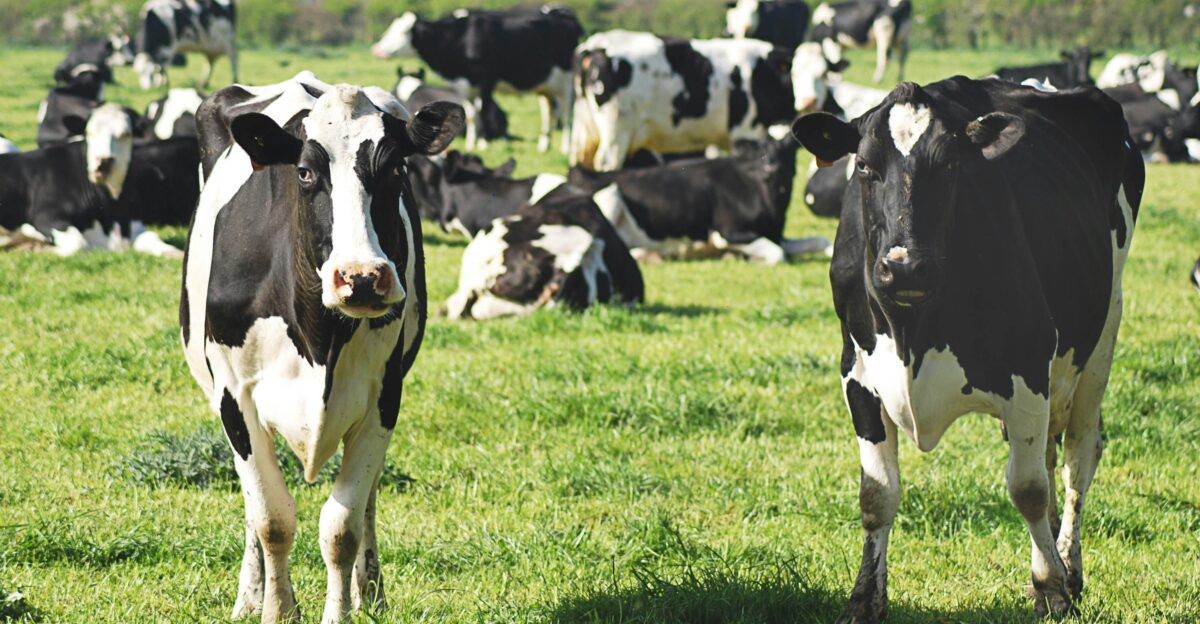
The closure reflects an unprecedented cattle supply crisis. U.S. cattle inventories have plummeted to just 86.7 million head—the smallest herd since 1951 and down nearly 8 million head from the 2019 peak of 94.7 million.
The national beef cow herd hit a 73-year low at 28.2 million head in January 2024. Seven consecutive years of herd liquidation, driven by persistent drought, record feed costs, and unprofitable pricing, created a severe supply shortage.
Tyson Bleeds $600 Million as Plants Run Empty

Tyson Foods expects to lose over $600 million on beef operations in 2026, following $720 million in losses during the previous two years. With cattle supplies critically tight, processing plants nationwide operate at just 87% capacity—the lowest utilization rate since 2015 and far below the industry’s healthy 95% threshold.
Industry analysts estimate excess processing capacity of 3-4 million head annually, forcing painful consolidation decisions.
5% of U.S. Beef Slaughter Capacity Disappears
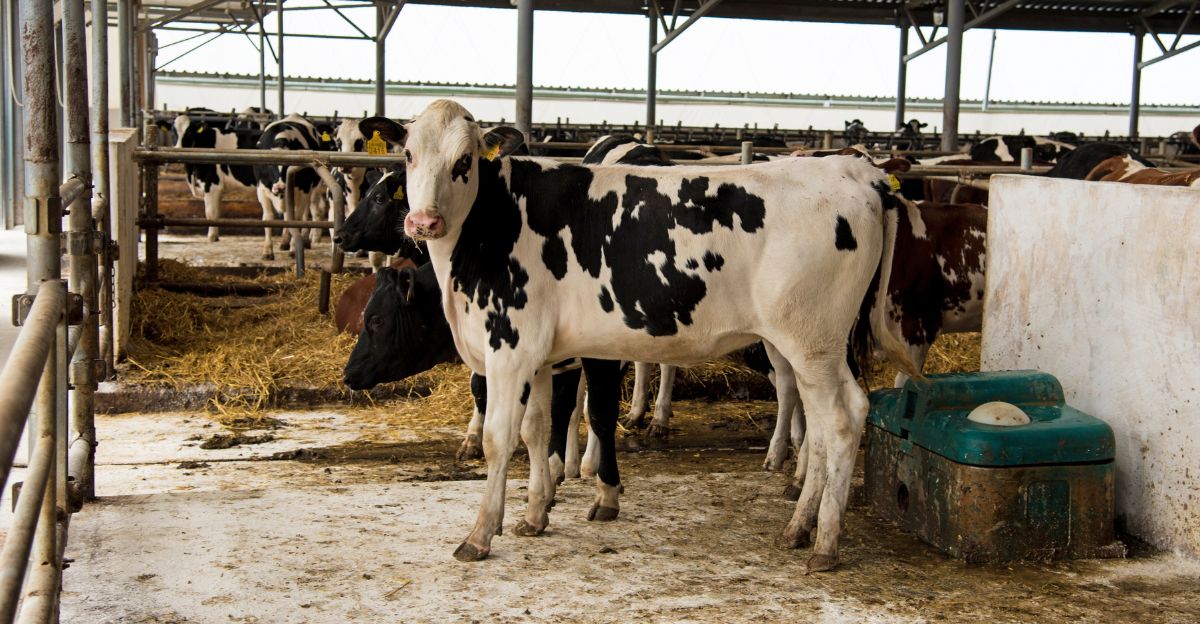
The Lexington plant’s daily processing of nearly 5,000 cattle represents approximately 5% of total U.S. beef slaughter capacity.
This marks the first time one of the “Big Four” meatpackers—Tyson, JBS, Cargill, and National Beef—has permanently shuttered a major facility during the current cattle shortage. Simultaneously, Tyson is converting its Amarillo, Texas plant to single-shift operations, eliminating 1,700 additional jobs and collectively reducing nationwide processing capacity by 7-9%.
Ranchers Face Transportation Cost Crisis

Craig Uden, president-elect of Nebraska Cattlemen and co-owner of Darr Feedlot near Cozad, estimates producers will absorb an additional $20 per head in transportation expenses shipping cattle to more distant processing facilities. Current livestock hauling rates range from $2 to $4.50 per loaded mile.
Beyond direct fuel costs, cattle lose 6-9% of body weight during transport—”shrinkage” that translates to 90 pounds of lost value on a 1,500-pound steer.
Small Town Faces Existential Threat

For Lexington, a city of just 11,000 residents, the plant closure represents an existential crisis. Clay Patton, vice president of the Lexington-area Chamber of Commerce, called the November announcement “a gut punch” that blindsided community leaders. The facility opened in 1990, nearly doubling Lexington’s population and transforming the town into a vibrant multicultural hub. Now that identity faces erasure as thousands of immigrant families prepare to leave.
Healthcare System Confronts Insurance Catastrophe

Jason Douglas, CEO of Lexington Regional Health Center, warned in an open letter to Tyson executives that thousands losing employer-sponsored health insurance simultaneously will overwhelm rural medical infrastructure.
“This is a spreadsheet decision in Springdale, Arkansas, that turned 3,200 families in Lexington, Nebraska, into nothing more than a line item,” Douglas wrote. Emergency departments, clinics, and hospital beds will strain under unprecedented demand from newly uninsured residents.
Tax Revenue Collapse Threatens Government Services

Nebraska faces massive government revenue shortfalls. State personal income tax collections will decline $23.2 million annually, while state sales tax revenues will drop $10.2 million per year. Dawson County, home to Lexington, confronts $2.8 million in lost local sales tax revenue annually.
These losses force impossible choices about funding schools, emergency services, road maintenance, and essential government functions throughout the region.
Cultural Diversity Exodus Accelerates

Jennifer Norton, Lexington’s library director, fears mass population flight will erase the town’s multicultural character: “There is going to be a very large exodus of the immigrant population, just because there won’t be jobs right here in town.”
Local churches already operate emergency food pantries and distribute gas vouchers to struggling families. The diverse community fabric built over three decades risks permanent unraveling.
Cattle Markets Rebound After Initial Panic

Despite the limit-down futures crash when Tyson announced the closure, cattle prices have since recovered and strengthened entering 2026. Live cattle prices currently trade around $360 per hundredweight in Northern markets and $232 in the South—only slightly below 2025’s record peaks.
However, livestock market analysts warn the permanent capacity loss creates long-term pricing uncertainty and reduces marketing flexibility for producers throughout the Great Plains.
Herd Rebuilding Delayed Until 2027 or Beyond

Industry forecasts indicate meaningful cattle herd recovery won’t begin until 2027 at the earliest, with balanced markets not materializing until 2028 or later.
Despite favorable economic conditions in some regions, ranchers continue selling calves and heifers for immediate profits rather than retaining females for breeding. High interest rates, elevated input costs, and memories of the 2014 price crash discourage the expansion investments necessary for cyclical herd rebuilding.
Additional Plant Closures Loom on Horizon
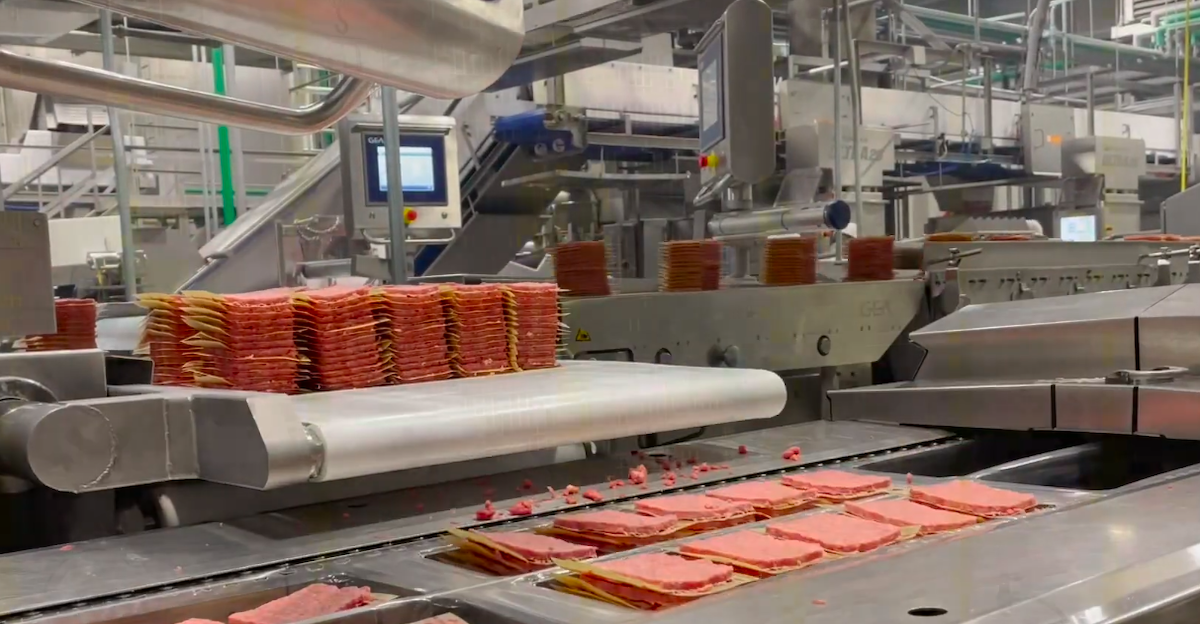
Beef industry analysts predict at least one more large processing plant and several regional facilities will close within 18 months as cattle supply pressures persist. This continues historical consolidation patterns: Tyson previously closed plants in Norfolk, Nebraska (2006) and Emporia, Kansas, while Cargill shuttered its Plainview, Texas facility in 2013.
Some new capacity is emerging—Sustainable Beef’s North Platte plant and American Foods Group’s Missouri facility—but these additions won’t fully offset closures.
Risk Protection Insurance Becomes Critical Tool

In this volatile environment, Livestock Risk Protection (LRP) insurance provides essential downside price protection for cattle producers navigating uncertainty.
The federally subsidized USDA program allows ranchers to insure against declining livestock prices, selecting coverage levels from 75% to 100% of expected ending values for insurance periods ranging 13 to 52 weeks. Federal subsidies reduce premiums by 35-55%, making price floor protection more affordable as transportation costs and market volatility increase.
Industry Consolidation Accelerates Market Power Shift

The Tyson closure accelerates beef processing industry consolidation, where the “Big Four” companies control approximately 85% of U.S. cattle slaughter capacity. This concentration reduces marketing options for producers and shifts economic leverage away from rural communities toward corporate headquarters.
With beef production forecast to decline another 600,000 head in 2026 following a 1.4-million-head drop in 2025, structural pressures on processing capacity will intensify.
Permanent Restructuring Reshapes Beef Supply Chain
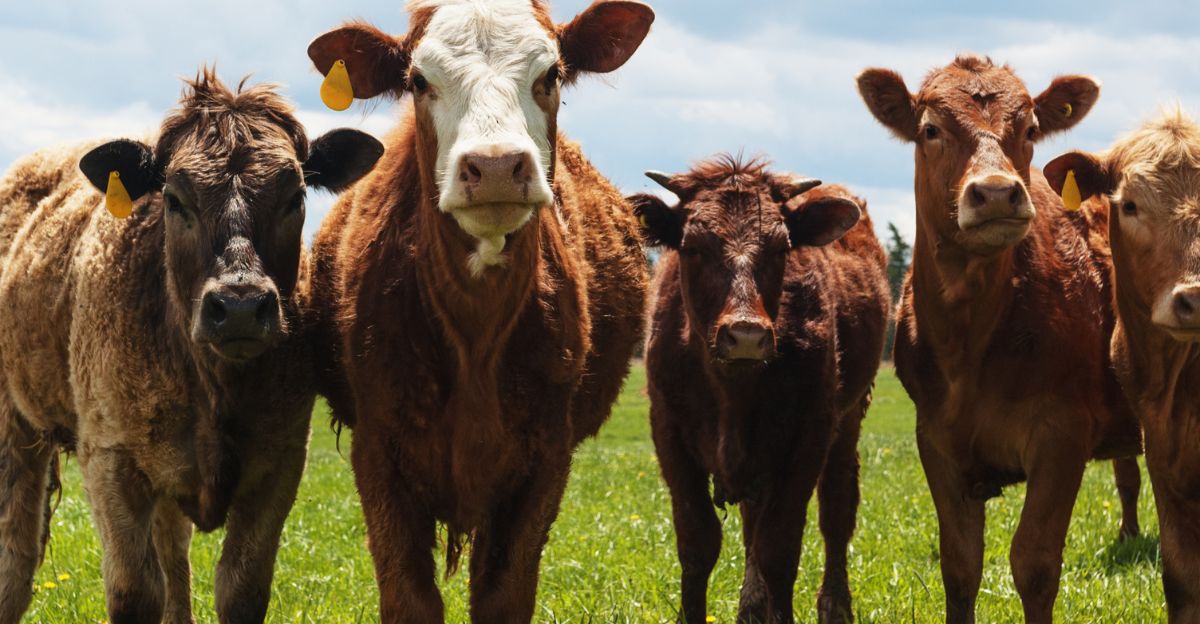
The Lexington plant shutdown signals fundamental restructuring of American beef processing in response to the smallest cattle herd in 74 years—not temporary market disruption.
Producers throughout the Great Plains will navigate permanently higher costs, fewer marketing outlets, and sustained volatility as supply chains reconfigure around reduced processing capacity. Rural communities like Lexington bear disproportionate costs of agricultural consolidation, with economic and social effects reverberating for years to come.
Sources:
“Economic Impacts of the Tyson Beef Plant Closure in Lexington, Nebraska” – University of Nebraska-Lincoln Center for Agricultural Profitability
“Cattle Producers Face Some Uncertainty as Tyson Prepares to Close Lexington Plant” – Nebraska Public Media
“Tyson Announcement Cuts 4700 Jobs Amid Historic Cattle Shortage” – DTN Progressive Farmer
“Tyson’s Beef Plant Closure in Nebraska to Impact Town, Ranchers Nationwide” – Colorado Politics
“UNL Report Estimates Nearly $3.3 Billion in Annual Economic Losses from Tyson Plant Closure” – Nebraska Public Media
“Livestock Risk Protection (LRP) Insurance” – University of Missouri Extension