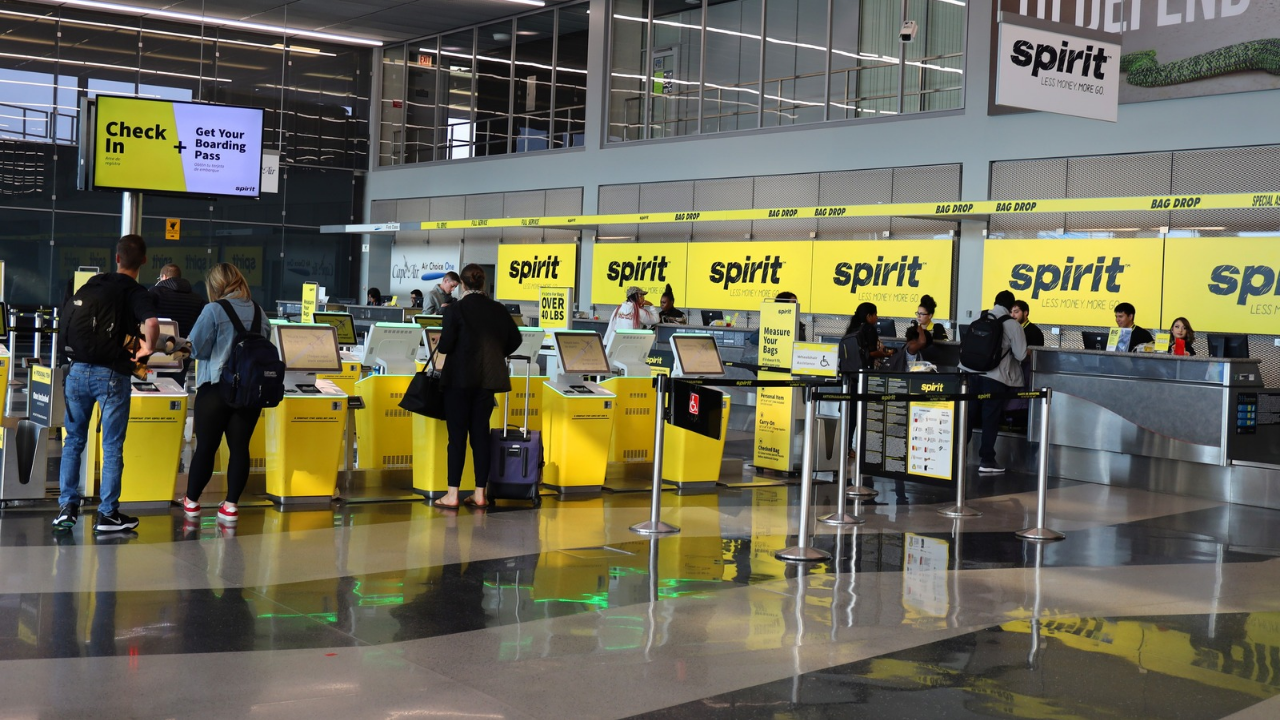
On a single winter day in early January 2026, one struggling carrier managed to account for nearly a third of all canceled flights in the United States, despite flying only a small share of the country’s schedule. The meltdown was not caused by a storm or a computer outage, but by the long-building collapse of an ultra-low-fare business model under financial strain, labor unrest, and escalating competition from larger rivals.
System Paralysis Takes Shape
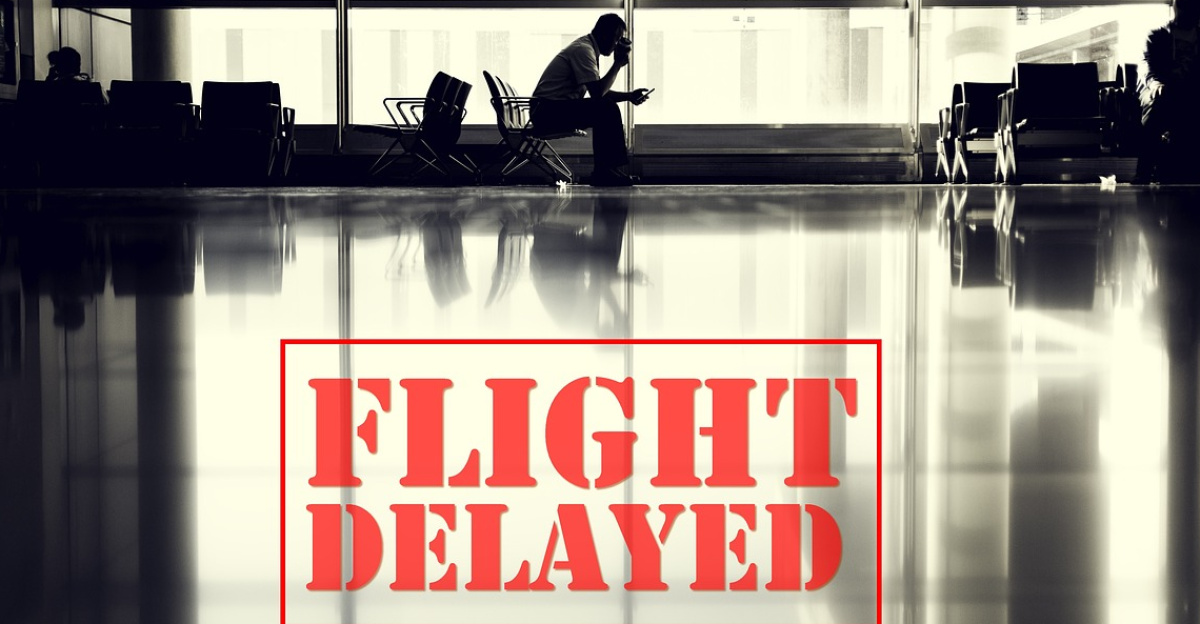
The disruption on January 3 spanned the country. Across Georgia, Florida, Massachusetts, Michigan, California, and New York, airlines canceled 212 flights and delayed 3,876 more, affecting roughly 4,088 operations in a single day across the entire U.S. aviation system. Atlanta’s Hartsfield-Jackson International Airport logged 28 cancellations and 182 delays. Miami and Los Angeles each saw more than 170 delayed flights, as post-holiday crowds collided with winter weather, de-icing backlogs, and congested air traffic control.
Amid that broader strain, one airline’s network buckled far more severely than its competitors. Spirit Airlines alone canceled 61 flights and delayed 131 more—192 total disruptions—accounting for 29% of all U.S. cancellations that day while operating just 5% of domestic capacity. The carrier’s performance amplified the nationwide disruption, turning a difficult travel day into a revealing stress test of its finances, workforce, and basic operating model.
From Discount Pioneer to Financial Distress
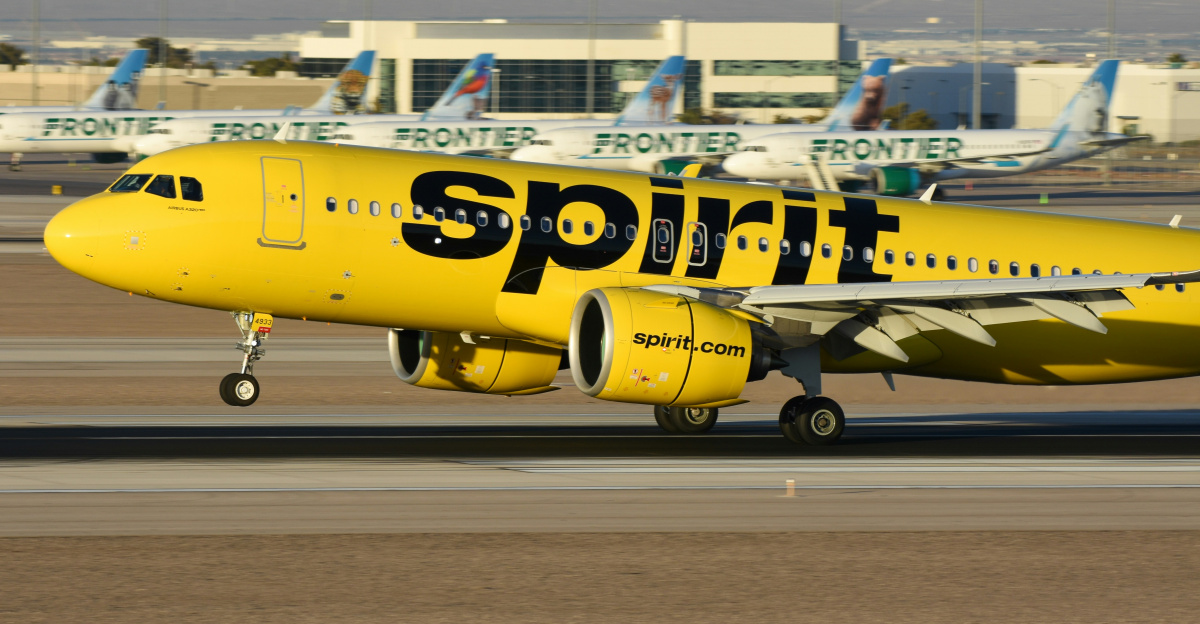
Spirit Airlines began in 1983 with a simple proposition: strip air travel to its essentials and offer some of the lowest fares in the country. From its base in Dania Beach, Florida, it charged separately for seat assignments, bags, boarding priority, and even water, building an ultra-low-cost model that treated almost every interaction as a revenue opportunity.
For years, large carriers dismissed that approach, only to introduce their own bare-bones “basic economy” offerings by the 2010s. Those products imitated Spirit’s stripped-down service while benefiting from the scale, frequent-flyer bases, and broader networks of American, Delta, and United. As those rivals matched or undercut Spirit’s fares, the economics that once set the smaller carrier apart began to erode.
By the mid-2020s, Spirit had accumulated losses exceeding $2.5 billion since 2020. A proposed merger with Frontier collapsed in 2022, and a later deal with JetBlue was blocked in federal court in 2024. Rising fuel costs, labor tensions, and intense fare competition deepened the losses. In November 2024, Spirit sought Chapter 11 bankruptcy protection for the first time, the first major U.S. airline to do so since 2011, raising doubts about whether its model could recover in a market where legacy carriers now sold similarly priced seats.
Network Retrenchment and Hub Strain
After emerging from that first restructuring in March 2025, Spirit announced it had converted $795 million of debt to equity, secured a $350 million investment from existing shareholders, and aimed to restore profitability. But its cost structure remained misaligned with its revenue. Operating expenses stayed at about 118% of income, making the airline fundamentally unprofitable even before extraordinary costs. By the second quarter of 2025, quarterly losses had reached $246 million.
As cash pressures grew, Spirit began shrinking its network. In November 2025, the airline said it would leave Phoenix Sky Harbor International Airport as of January 8, 2026, one of 11 cities slated for exit. Albuquerque, Birmingham, Boise, Chattanooga, Columbia, Oakland, Portland, Sacramento, Salt Lake City, and San Diego were also cut. These pullbacks, timed with mounting liquidity concerns, were less long-term strategy than emergency triage.
The strain fell heaviest on Fort Lauderdale-Hollywood International Airport, Spirit’s largest hub. The carrier typically operated more than 150 daily departures there, accounting for over 30% of its total schedule. On January 3, Fort Lauderdale recorded 25 cancellations and 219 delays by Spirit alone, the highest concentration among affected airports. Passengers misconnected in large numbers, while ground operations struggled with staff shortages, maintenance delays, and aircraft waiting for service.
Workforce Under Pressure
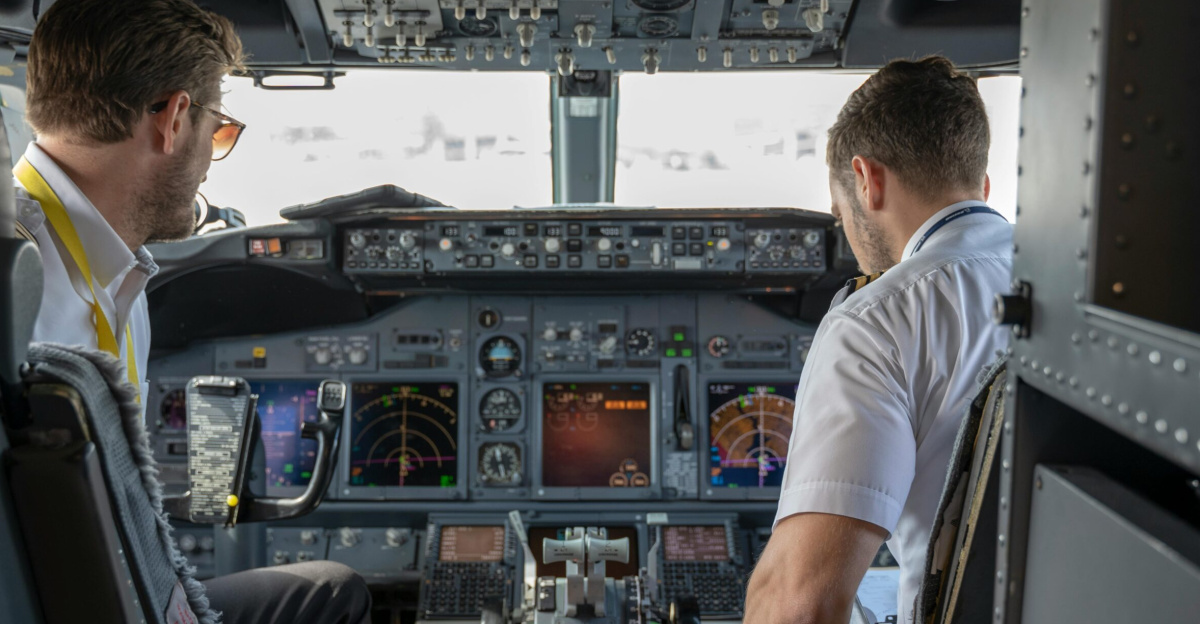
Behind the operational breakdown was an unraveling workforce. In mid-2025, Spirit outlined plans to furlough 270 pilots. By October 2025, it had expanded that move, notifying unions it would furlough 365 pilots effective in the first quarter of 2026 and downgrade 170 captains to first officers, cutting their pay by 30% to 40%. The airline had employed roughly 2,400 pilots before this sequence of actions.
Cabin crews were hit as well. Spirit furloughed 1,800 flight attendants, about one-third of its total. As job security declined and pay fell, experienced pilots and other staff moved to larger carriers such as United, Delta, American, and Southwest, which were actively hiring. That exodus hollowed out expertise and left fewer crews available to absorb disruptions.
Internal communications later described “record sick calls” on January 3 and 4, with absence rates reportedly up to 250% higher than typical levels on some days. Pilots calling in sick in large numbers, amid pay cuts and furloughs, sharply reduced available crews on one of the busiest travel weekends of the year. At the same time, understaffed ground teams at Fort Lauderdale and other stations faced deferred maintenance, delayed parts from vendors, and aircraft stuck at gates for hours.
Uncertain Future for Ultra-Low Fares
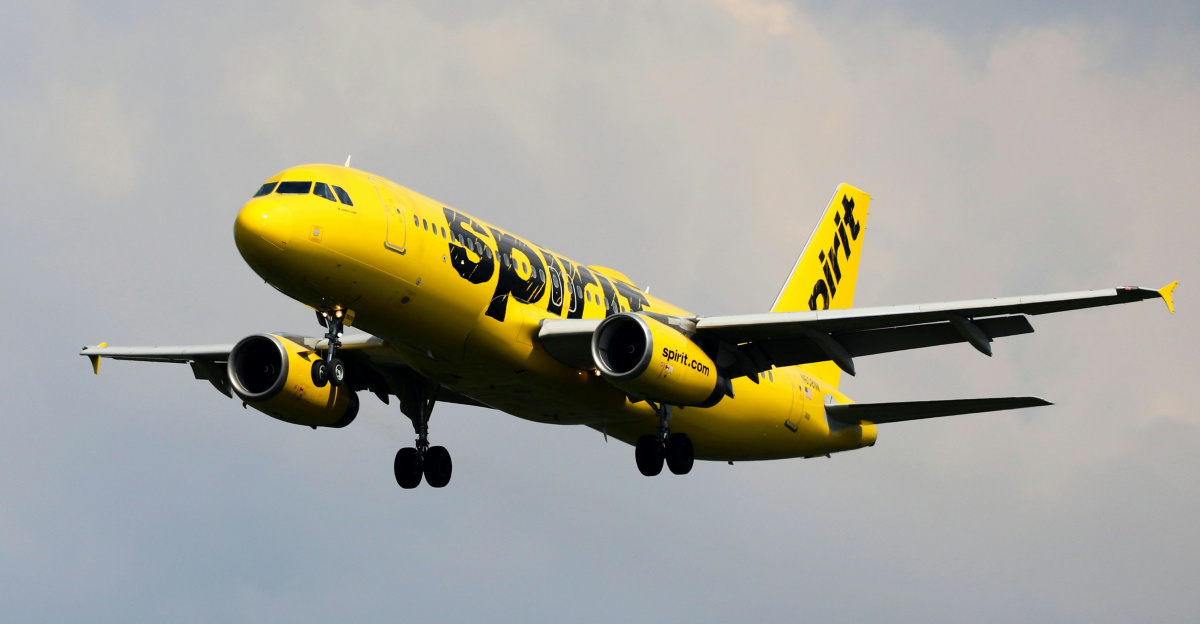
Spirit’s second bankruptcy, filed in August 2025, acknowledged that earlier changes had not gone far enough. The new restructuring plan centered on returning aircraft to lessors, cutting routes, and implementing additional furloughs. But industry analysts pointed out that it still did not solve the underlying challenge: ultra-low-cost economics are difficult to sustain when large airlines offer basic fares at unit costs Spirit cannot match.
In its third-quarter 2025 earnings filing, Spirit stated that “substantial doubt exists” about its ability to continue as a going concern beyond 2026 without new capital or a strategic solution. The company warned that quarterly losses could surpass $300 million if its restructuring fell short. Spirit’s confirmed cash burn in November 2025 was $47 million, implying that reserves could be depleted by late 2026 in the absence of significant change.
Other airlines were watching. On December 5, 2025, American Airlines filed notice to participate in Spirit’s bankruptcy proceedings, requesting access to future court documents, reorganization proposals, and operating reports. The move signaled interest in Spirit’s assets, including dozens of aircraft under lease and coveted takeoff and landing slots at airports such as New York’s JFK, Boston Logan, and Fort Lauderdale.
If Spirit ultimately liquidates, those aircraft and slots are likely to be absorbed into legacy carriers’ networks rather than used to sustain a separate ultra-low-fare operator. With Spirit already responsible for 29% of U.S. flight cancellations on January 3 while flying just 5% of capacity, its struggles have outsized effects on travelers and the broader system. What happens next will help determine whether the United States continues to have a dedicated ultra-low-fare segment, or whether those prices survive only as a subset of larger airlines’ offerings, with fewer independent options for cost-conscious travelers.
Sources
Travel Tourister – US Flight Chaos January 3-4, 2026 Coverage
Reuters – Spirit Airlines Bankruptcy, Pilot Furloughs, and American Airlines Strategic Positioning
Financier Worldwide – Spirit Airlines Second Chapter 11 Filing Analysis and Financial Performance
FlightAware – Real-time Flight Tracking Data and Operational Statistics
CNBC – Spirit Airlines Bankruptcy Filings and Restructuring Coverage
Yahoo Finance – Spirit Airlines Workforce Reduction and Financial Reporting