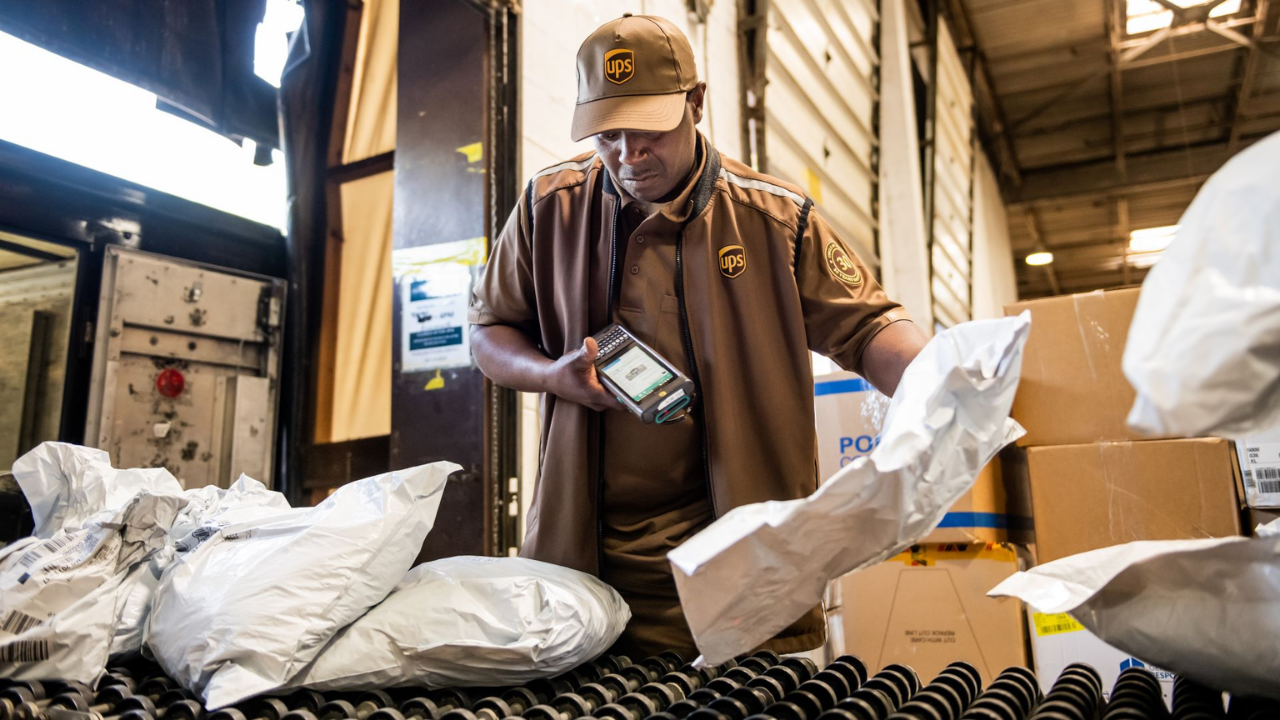
A major American delivery company eliminated 128 jobs at one of its facilities in February 2026. This closure marks a significant milestone in the company’s 117-year history, representing part of the largest workforce reduction in its history.
The company filed layoff notices on December 23, 2025, offering workers no severance or relocation options. The move reflects ongoing financial stress across the entire logistics industry as e-commerce growth strains traditional delivery models.
Industry Meltdown

The logistics sector faced its worst bankruptcy crisis in over a decade during May 2025. Companies filed 733 Chapter 11 bankruptcies that month—a 62% jump from April’s 453 filings.
That meant 24 bankruptcies per day. Trucking firms, freight brokers, and delivery services collapsed under pressure from excessive capacity and declining shipping volumes.
Even record e-commerce sales couldn’t save them from operating at a loss.
117-Year Giant

United Parcel Service started in Seattle in 1907 as a messenger company. By 2024, it employed 500,000 workers worldwide and delivered 20 million packages daily.
Union drivers earned $170,000 yearly, including benefits, among the highest pay for warehouse and delivery workers.
The company’s brown trucks symbolized American commerce reliability. But early 2025 brought unexpected pressures that challenged this stability.
Profitable Growth

UPS moved 19.4 million packages daily during Q3 2025—enormous volume by any measure. Yet package volume dropped 9.8% year-over-year. Revenue fell from $22.2 billion to $21.4 billion quarterly despite record online shopping.
Analysts puzzled over how a delivery company could lose money while America shopped more than ever. CEO Carol Tomé faced pressure to explain shrinking profits amid growing e-commerce demand.
The Amazon Problem
In January 2025, UPS CEO Carol Tomé revealed, “Amazon is our largest customer, but not our most profitable. Its margin dilutes our domestic business.” UPS then cut Amazon deliveries by over 50% by June 2026.
The company launched “Network Reconfiguration and Efficiency Reimagined,” targeting $3.5 billion in yearly cost savings by cutting 48,000 jobs and closing 93 facilities. Montgomery, Alabama’s distribution center, became one casualty.
Alabama Impact
UPS filed a WARN notice on December 23, 2025, informing 128 Montgomery employees that their jobs would end on February 23, 2026. Unlike other closures, this filing offered no relocation chances or severance packages.
Local officials worried about Montgomery’s economy, where UPS had been a stable employer for years. Workers learned they’d lose jobs just before Christmas, giving them two months to find new work in a shrinking logistics job market.
Human Cost

The 48,000 workers losing their jobs in 2025 earned an average of $40,000 to $50,000 yearly. Full-time drivers made much more under union contracts. These lost jobs meant $4 to $5 billion in wages vanished from American communities.
Many workers had worked at UPS for decades, expecting to retire there. The remaining 330,000 Teamsters members watched as 14.5% of their union’s workforce disappeared, wondering who would face job cuts next.
Competitor Moves
FedEx and regional carriers watched as UPS pulled back from Amazon with interest and concern. While FedEx tried to capture rejected Amazon volume, it faced the same margin problems. By late 2024, Amazon Logistics was handling 59% of Amazon’s own packages.
Amazon’s aggressive pricing made third-party delivery barely profitable. DHL and regional carriers struggled too. Amazon had built such delivery capacity that traditional carriers became optional, not necessary—a massive shift in industry power.
Automation Surge
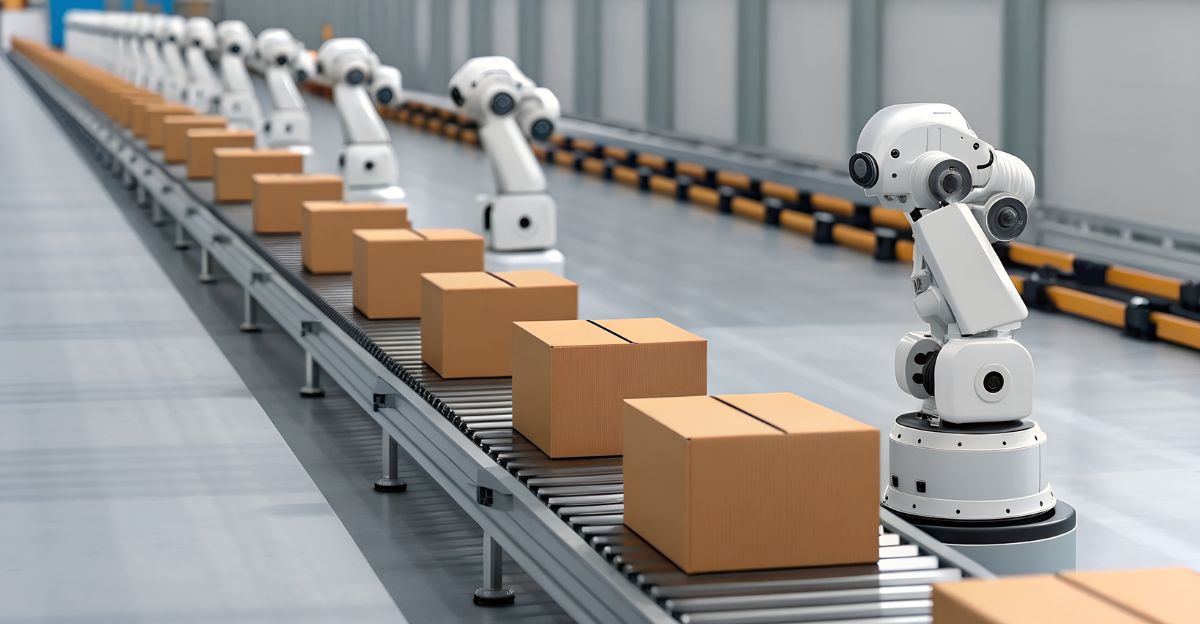
UPS’s restructuring centers on “lights-on logistics”—facilities with minimal human workers using automated sorting systems and robotic package handlers. The company accelerated its automation investments while reducing staff, viewing technology as the solution to restore profit margins.
By 2027, UPS expects its $3.5 billion cost-reduction goal to be fully realized through the replacement of human labor with machines. Logistics automation spending increased by 34% in 2024-2025 as companies sought to replace costly labor with machines. UPS stock rallied 7% when the company announced job cuts.
The Growth Paradox

UPS isn’t failing—it chooses to shrink. The company rejected Amazon’s offers for increased volume, opting for smaller but more profitable options over larger but marginally squeezed ones. This breaks with the American corporate tradition that has always demanded expansion.
UPS decided smaller and more profitable beats bigger and margin-squeezed. The Alabama closure and 48,000 layoffs represent calculated sacrifices to protect shareholder returns. CEO Tomé called this “the most significant strategic shift in our company’s history.”
Union Tension

The Teamsters union represents 330,000 UPS workers and secured historic wage increases in their 2023 contract. The deal guaranteed drivers would earn up to $49 per hour by 2028, reaching $170,000 yearly, including benefits. Two years later, 48,000 of those jobs vanished.
Union leaders claimed UPS used the Amazon pullback as cover for union-busting through automation. For the first time in 117 years, UPS offered voluntary buyouts to drivers, signaling that no union position was safe.
Leadership Calculus

Carol Tomé became CEO in June 2020, inheriting a UPS built for volume. She shifted focus to profit margins over package count. Her term featured facility closures, workforce cuts, and customer selectivity—turning away unprofitable clients rather than competing for every package.
Wall Street initially punished this approach, but by late 2025, sentiment shifted as profit margins improved despite lower revenue. Tomé said: “We’re rightsizing the network for the demand environment we’re in.” Critics countered that “rightsizing” meant sacrificing workers to maintain executive pay.
Comeback Strategy

UPS bets its future on healthcare logistics, premium business-to-business delivery, and international expansion—higher-margin segments than residential e-commerce.
The company aims to grow its healthcare revenue to $10 billion annually, utilizing temperature-controlled networks and medical-grade capabilities that Amazon cannot easily replicate.
UPS also plans to capture more small and medium business shipping where personalized service justifies premium pricing. This strategy requires fewer workers but higher-skilled roles, such as pharmacy specialists and customs brokers.
Market Skepticism

Wall Street is divided on whether UPS’s restructuring will succeed or merely delay the inevitable decline. Some analysts praise Tomé’s discipline in leaving low-margin business, noting Amazon essentially subsidized its delivery costs on UPS’s back.
Others worry UPS shrinks its way to irrelevance, losing market share to competitors who will gain scale advantages. The 9.8% volume decline troubles investors who doubt margin improvements will offset ongoing shrinkage. Credit agencies placed UPS on negative watch.
The Efficiency Question

As Montgomery’s facility closes and 128 workers search for jobs, one question remains: What does “efficiency” mean when the world’s most successful delivery company voluntarily rejects growth? UPS has proven that package delivery at Amazon’s scale and prices yields losses, even for industry leaders.
This should concern every e-commerce business relying on delivery. Who can profit from moving Amazon packages? Workers and local economies absorb the costs of eliminated wages, while shareholders benefit from the restructuring. Who decides which humans become inefficient?
Sources:
- Supply Chain Dive, UPS warehouse closures and layoffs coverage, January 8, 2026
- USA Today, UPS workforce reduction and restructuring coverage, October 28, 2025
- Fortune, UPS CFO and Amazon pullback strategy coverage, October 29, 2025
- Business Alabama, UPS Montgomery facility layoffs announcement, December 28, 2025
- Final Round AI, UPS 48,000 employee layoffs analysis, October 27, 2025
- Hindustan Times, UPS voluntary buyouts to drivers coverage, July 2, 2025