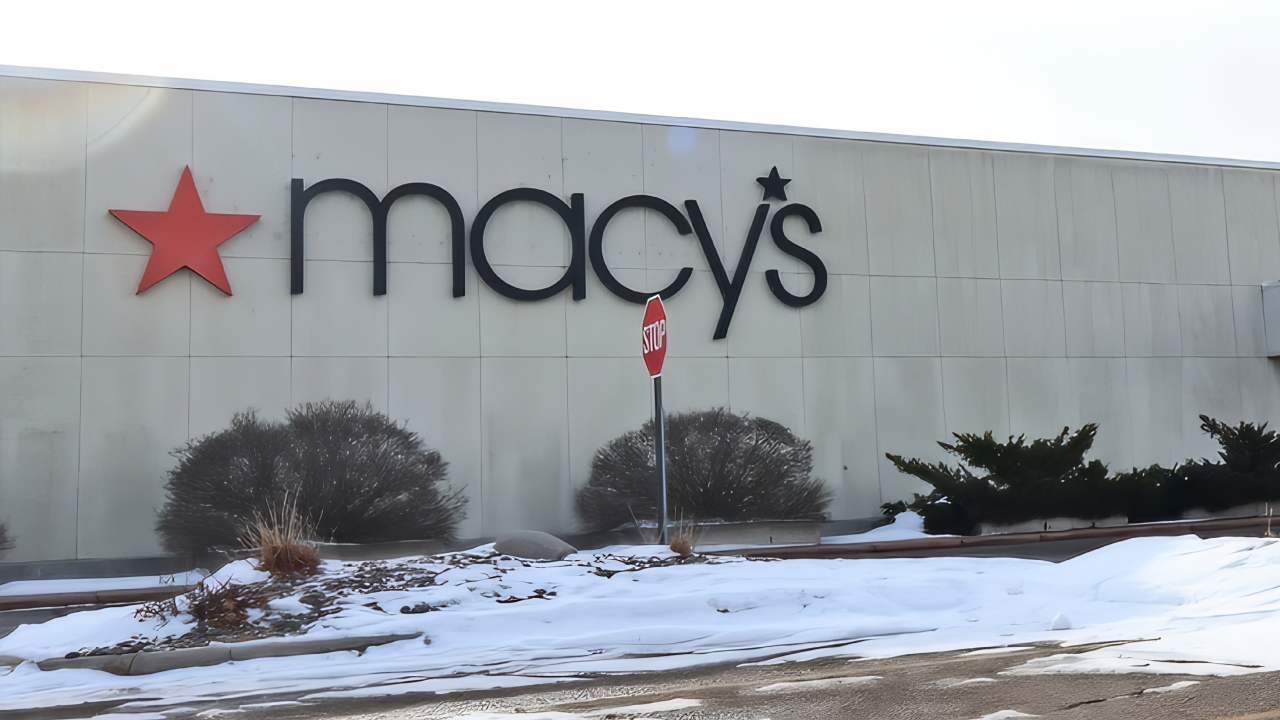
Macy’s just announced its most aggressive pruning yet, with 14 stores shuttering across 12 states in the coming months. This marks year 3 of an unprecedented makeover since 2024. The retailer has been systematically closing what it calls “underperforming” locations, even as it says remaining stores are thriving. Yet the human cost looms large. Here is what triggered this latest round.
A Retail Giant Under Pressure
Department stores once anchored American shopping culture, then everything changed. E-commerce exploded, consumer habits shifted, and foot traffic evaporated. Macy’s, with 459 stores and 94,000 employees as of January 2023, found itself trapped. Tony Spring took over as CEO in 2024 with a mandate to act fast. His answer was a three-year plan called “Bold New Chapter.”
The Closures Span 12 States
Mid-January brought the hammer down as Macy’s confirmed 14 closures across California, Georgia, Maryland, Michigan, Minnesota, New Hampshire, New Jersey, New York, North Carolina, Pennsylvania, Texas, and Washington. Most shutter in Q1 2026, with 1 New York location closing mid-year. The list includes 1 small-format store in Ramsey, New Jersey, plus a clearance furniture gallery in Tukwila, Washington. The timing raises new questions.
Tony Spring’s Case For Shrinking
“These targeted changes allow us to focus where it will have the greatest impact—reimagining our best stores, enhancing customer service, expanding our luxury business, and advancing our supply chain capabilities,” Tony Spring stated in his January 8, 2026 memo to employees. He said decisions “are not made lightly.” Workers were notified directly, with severance and transfer opportunities offered. But the numbers tell a harsher story.
The Map Shows A Clear Pattern
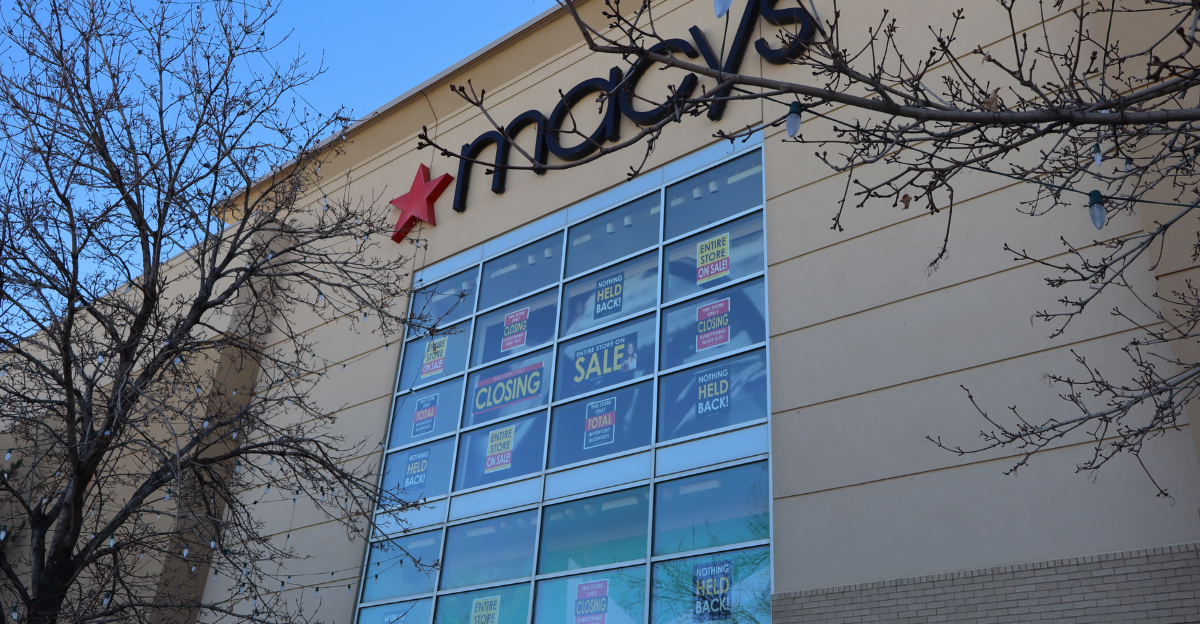
Two California closures hit Grossmont Center in La Mesa and West Valley Mall in Tracy, markets where foot traffic has cratered. New Jersey loses Livingston Mall and the Ramsey small-format store that opened just 2 years ago. Pennsylvania’s Pittsburgh Mills, Minnesota’s Crossroads Center, and North Carolina’s Triangle Town Center add more fallout. These are not random picks, but a blunt demand test.
Discounts Begin As The Clock Ticks
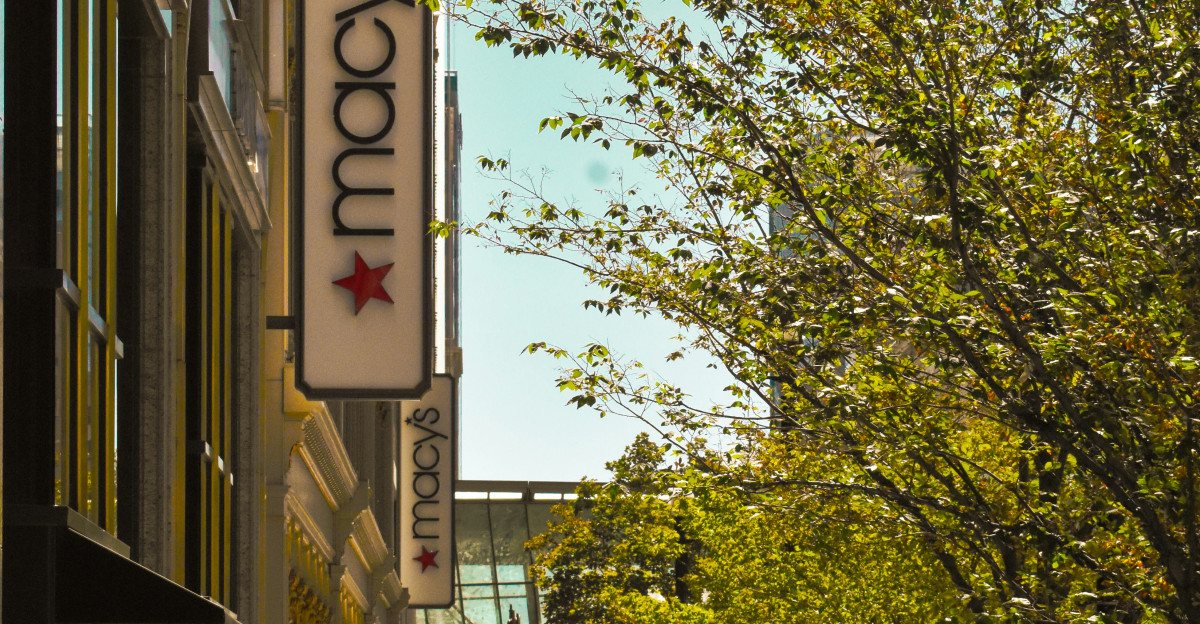
Liquidation sales started mid-January and run about 10 weeks at each location, with deep discounts pulling in final shoppers. Employees work under the weight of an expiration date as shelves empty and fixtures vanish. For customers it is a treasure hunt, but for workers it is an hourglass. By late March or early April, the storefronts go dark again.
The Closure Count Keeps Rising
In 2024, Macy’s closed 55 locations, followed by 66 more in 2025, and now 14 additional stores. That is 135 already eliminated, with a target of 150 total closures by end of 2026, roughly 1/3 of its footprint. When “Bold New Chapter” launched in February 2024, Wall Street cheered cost cuts. Communities, though, pay the price.
How Many Jobs Are Really At Risk?
Average department stores employ 50 to 150 people per location. Macy’s cited 2,300 corporate job cuts in January 2024, about 13% of corporate staff and 3.5% overall, yet store-level impacts are less quantified. For 14 store closures, estimates range from 700 to 2,100 jobs lost locally. Scaled to 150 closures, it could reach 7,500 to 22,500.
Severance Helps, But Only So Much
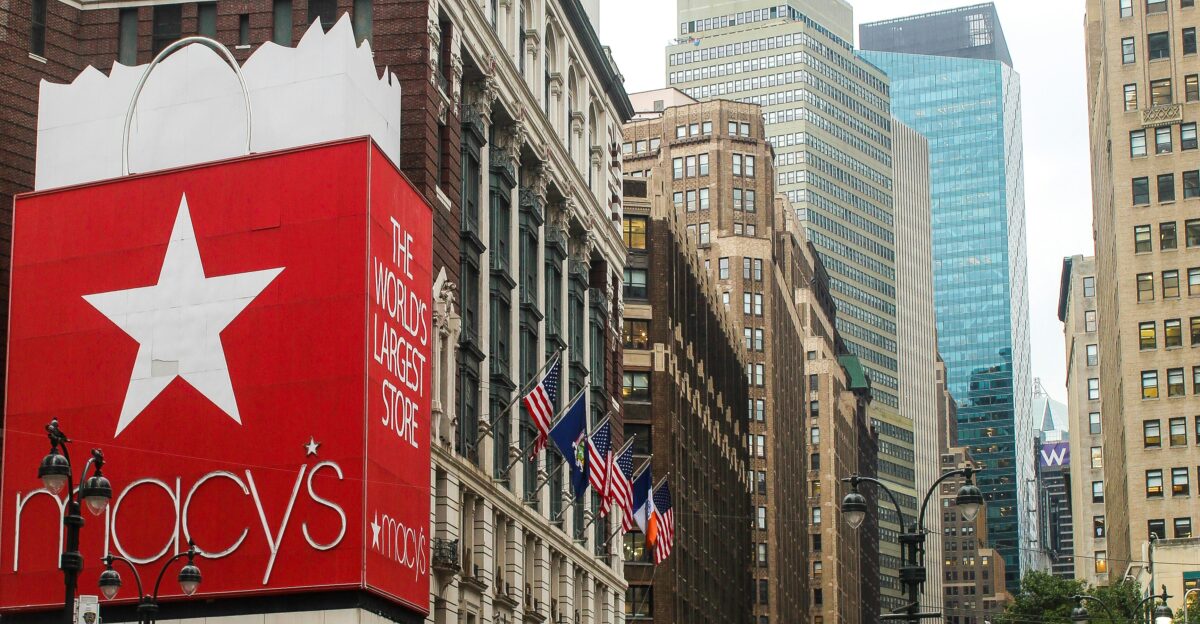
Affected employees get severance packages, outplacement resources, and potential transfers to surviving locations. But in markets with limited Macy’s footprint, options shrink. A Pennsylvania textile worker or Texas retail associate may face retraining or relocation. Retail salesperson wages averaged $16.62 per hour in May 2024, or $34,730 annually full-time, while part-time averaged $13,847. The longer-term hit still lingers.
“Go-Forward” Stores Show A Surprise Lift
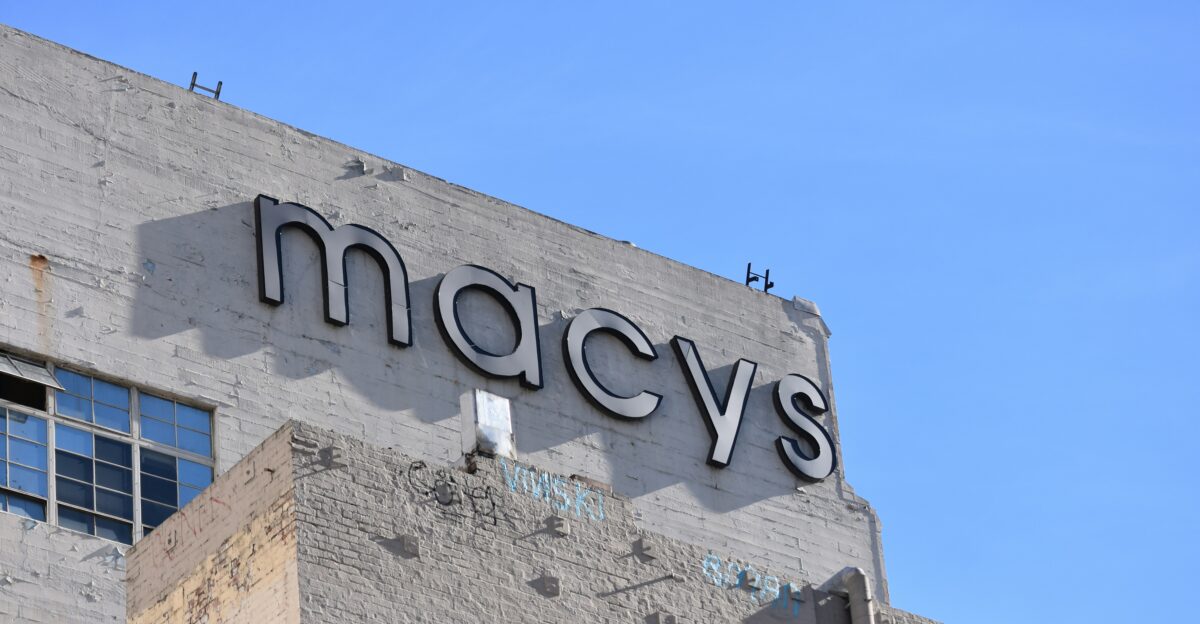
“Macy’s had its strongest comp growth in 13 quarters, led by a Go-Forward business, which achieved another quarter of positive comps,” Spring said on the third-quarter 2025 earnings call. The 125 “Reimagine” stores posted 2.7% comparable sales increases, and go-forward stores saw 2.3% gains. Analysts also praised the Chicago State Street flagship after 15 years of watching it. So why close more?
The 3-Part Plan Behind The Cuts

The strategy has 3 pillars: close 150 underperforming stores by 2026, invest heavily in 350 go-forward locations, and expand luxury with 15 new Bloomingdale’s and 30 Bluemercury openings through 2026. The company also expects to monetize $600 million to $750 million in real estate assets. Concentrating resources where demand exists sounds simple, but execution is the real gamble.
Reinventing What Stays Open
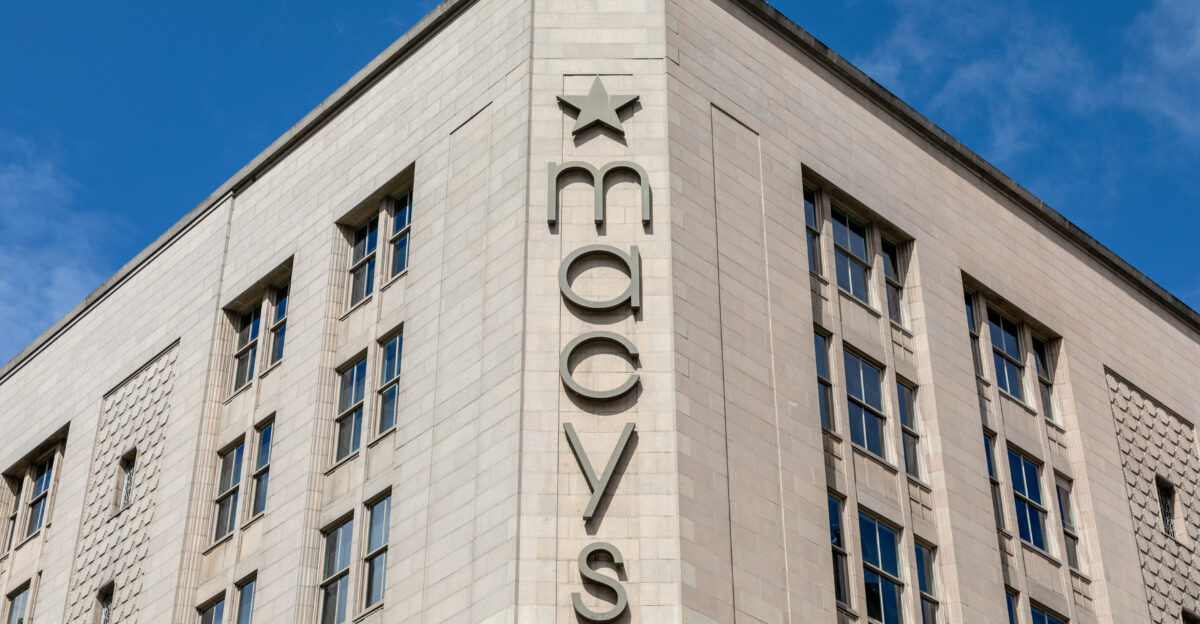
The 350 surviving Macy’s locations are meant to look and operate differently. Layouts are being reworked, assortments curated, and customer service elevated. Store ambassadors cover beauty, shoes, jewelry, home goods, women’s dresses, and men’s tailored clothing, while fitting room staffing has increased. Digital tools via the Macy’s app help with scanning, locating items, and personal discounts. Yet can consistency hold across 350 stores?
Results Prove The Strategy, With A Catch

In Q3 2025, Macy’s posted its strongest comparable sales in 3 years: comps rose 2% overall, with go-forward stores up 2.3% and Reimagine 125 stores up 2.7%. Across all brands, go-forward comps climbed 3.4%, while Bloomingdale’s hit its best comp in 13 quarters. Still, net sales fell 2.3% year over year to $4.7 billion due to closures. The paradox remains unresolved.
Luxury Growth Becomes The New Bet
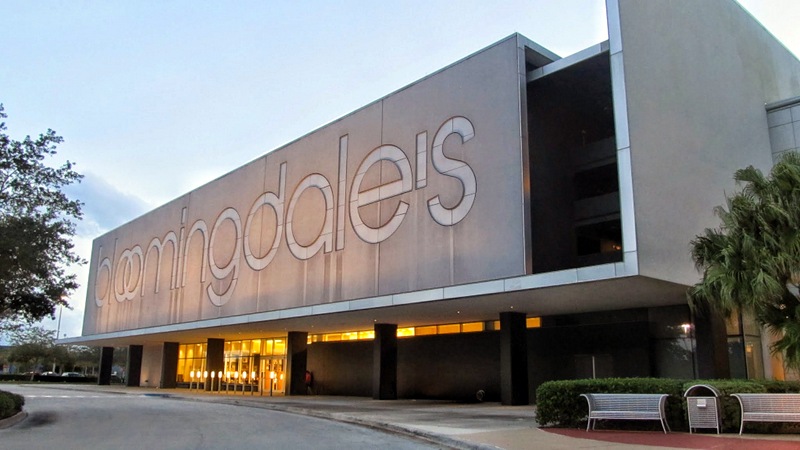
Even as Macy’s stores close, Bloomingdale’s and Bluemercury are expanding, with 15 new Bloomingdale’s and 30 Bluemercury locations planned through 2026. These brands target higher-income shoppers who are less sensitive to downturns, and beauty remains resilient. The company is shifting from mass-market dependence toward more aspirational positioning. For communities losing anchor stores, this feels like abandonment, and it changes who Macy’s is trying to serve.
Could Tariffs Blow Up The Math?
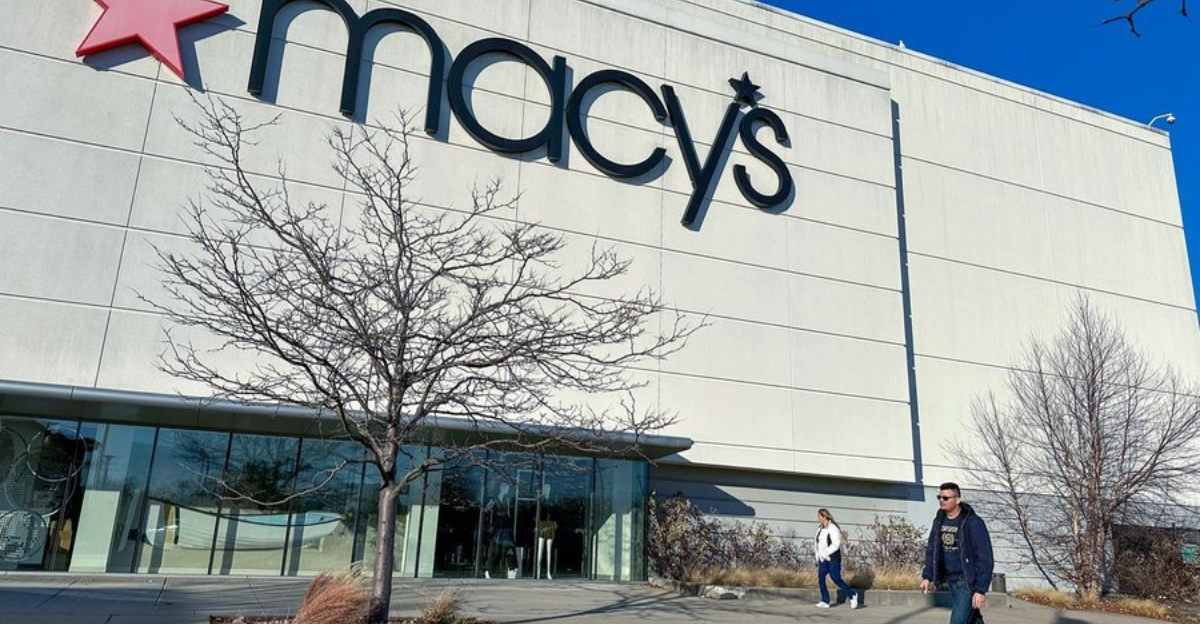
Macy’s sources about 20% of its merchandise from China, and tariff threats as high as 145% on certain imports could crush margins. Gross margin fell 80 basis points in Q2 2025 due to markdowns and tariff pressures. Management has negotiated with suppliers, absorbed some costs, and raised some prices, but the long-term math is brutal. If prices rise too much, bargain shoppers vanish. What happens if the pressure intensifies?
Closures Are Sweeping The Whole Industry
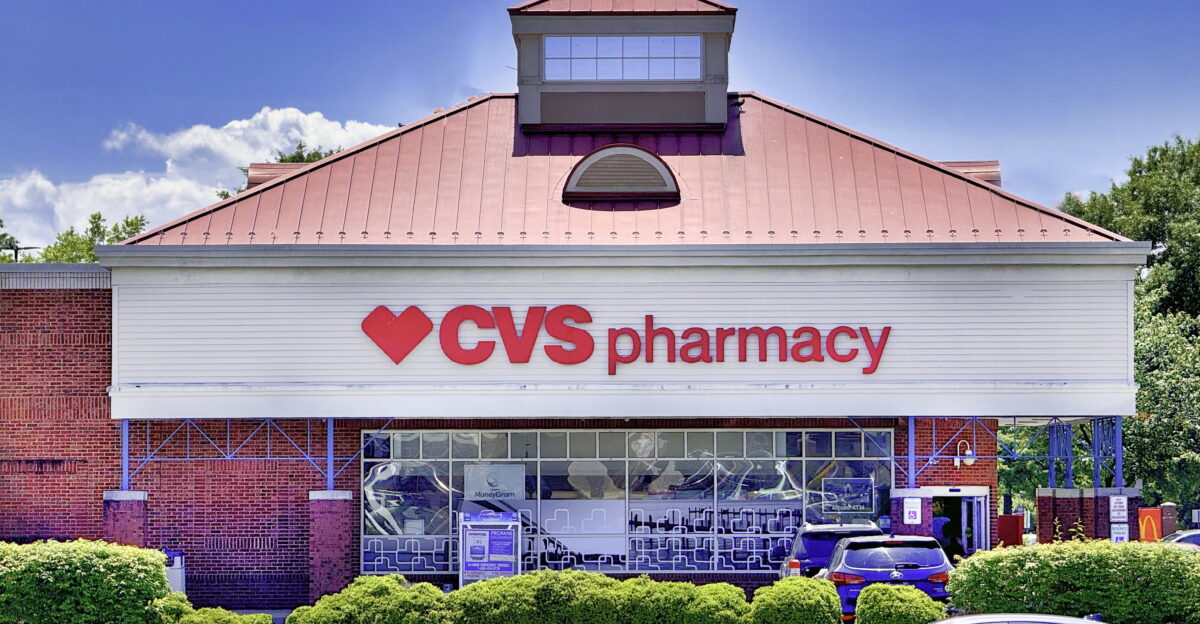
Macy’s is not alone in retrenching. Family Dollar announced 677 closures, Walgreens plans 1,200 over 3 years, and CVS shut nearly 300 stores in 2024 after closing 600 since 2022. Advanced Auto Parts is closing 700 locations by mid-2025, while Party City closed all 700 stores after 40 years. Kohl’s announced 27 store closures in 2025. In November 2024 alone, retailers announced 7,100+ closures, up 69% from 2023.
History Shows How Fast Giants Can Fall
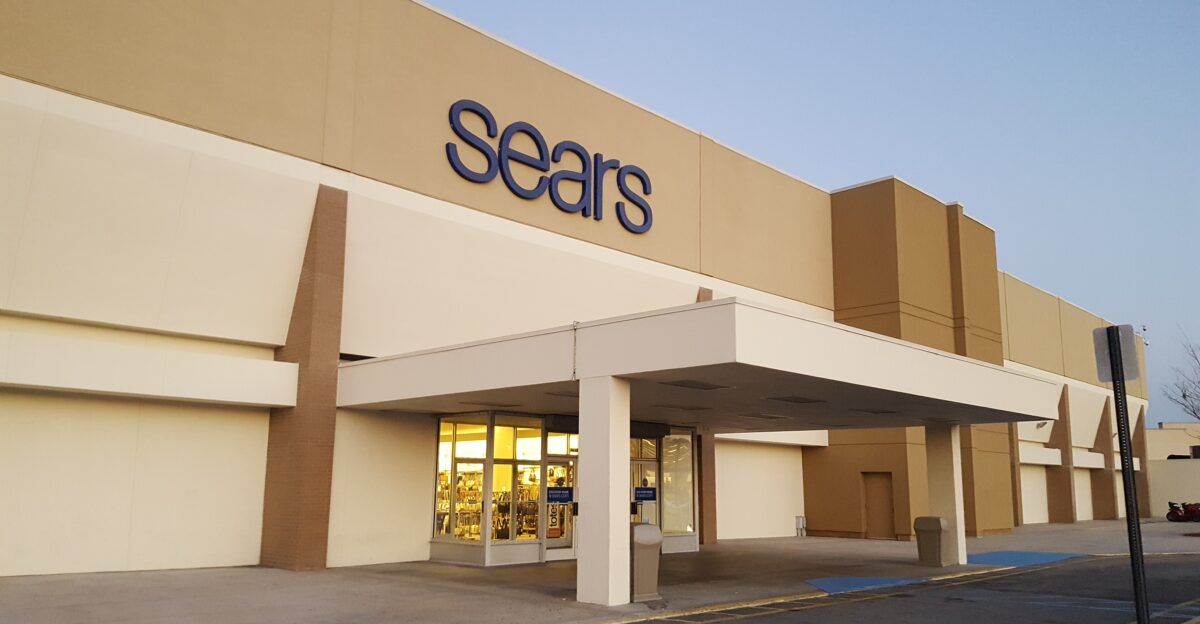
Sears once dominated, with 3,500 stores in 2010, and now operates just 5 locations globally. It filed for Chapter 11 in October 2018 after years of failure to adapt. Toys R Us liquidated in 2018 after 70 years, while Blockbuster collapsed after Netflix shifted to streaming. These were not temporary slumps, but extinctions. Macy’s insists it is different, but the comparison is hard to ignore. Is this reinvention, or a slower version of the same story?
Shopping Deserts Expand After Each Exit
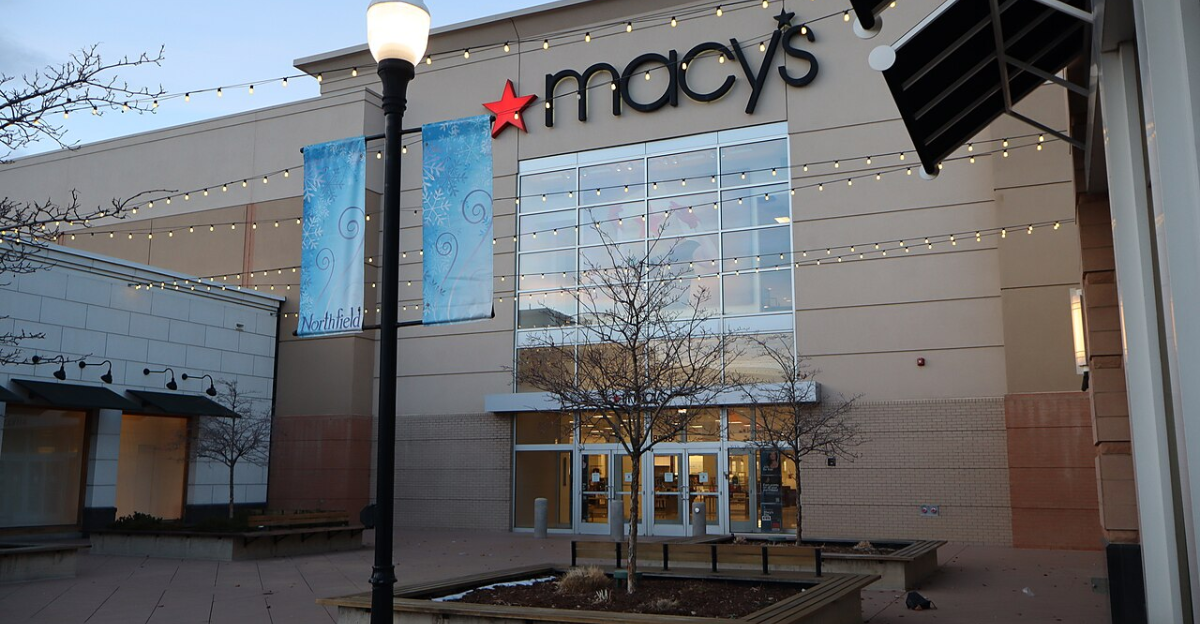
Each closure removes nearby access for surrounding communities, and estimates suggest 35,000 to 70,000 customers per store lose proximity. The 14 closures alone could displace about 500,000 shoppers. Scaled to 150 closures, roughly 5.25 million Americans could lose convenient access. Malls already weakened by anchor departures face further decline, along with lost tax revenue and jobs. The corporate balance sheet improves while local ecosystems erode, and the tradeoff is stark.
The 2026 Test Will Set The Narrative
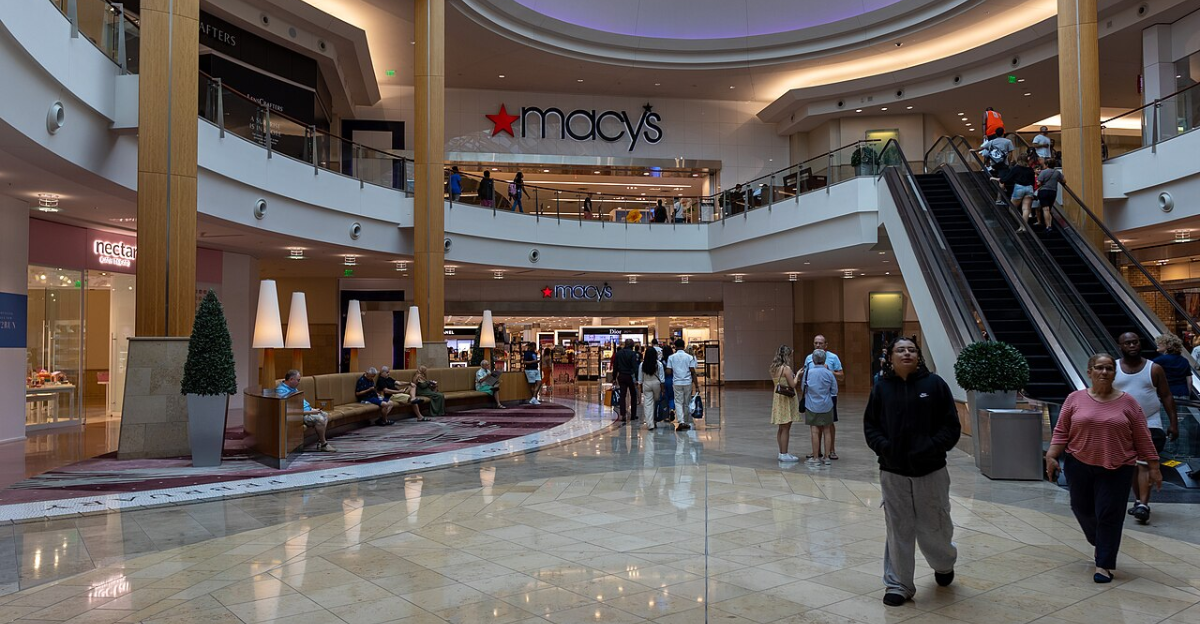
If the 350 go-forward stores deliver steady growth, Macy’s can claim the turnaround is working. If comps flatten or slip, investors will demand a Plan B fast. Tariffs, consumer spending swings, and execution risk still hang over every forecast. Macy’s raised FY2025 net sales guidance to $21.15 billion to $21.45 billion and guided adjusted diluted EPS to $1.70 to $2.05. Those targets leave little margin for surprises, and retail rarely stays predictable.
What Happens After The Last Sale?
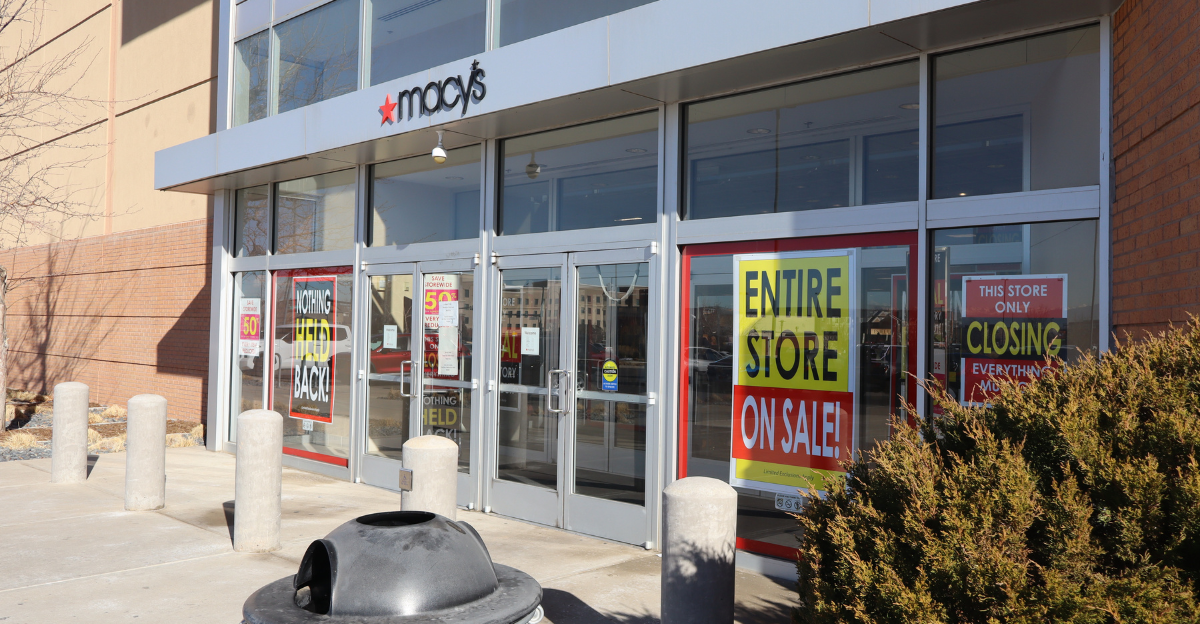
The 14 closures show Macy’s is committed to reshaping its footprint, even if it means painful exits. The company argues it is strengthening what remains through investment, service, and luxury growth, but communities measure success differently. Between liquidation timelines, job dislocation, and shifting shopper access, the stakes extend beyond earnings calls. As 2026 unfolds, the real verdict will come from results, not rhetoric, and one more question will keep returning.
Sources:
Macy’s Inc. Confirms Planned Macy’s Store Closures. Macy’s Inc. Newsroom, January 08, 2026
The Office of Tony Spring: Reflections on Our Progress. Macy’s Inc. Newsroom, 2026
Macy’s Inc. Reports Third Quarter 2025 Results. Macy’s Inc. Investor Relations, December 03, 2025
Macy’s targets another 14 stores for closure. Retail Dive, January 09, 2026
Retail Sales Workers: Occupational Outlook Handbook. U.S. Bureau of Labor Statistics, May 2024