Families returning to long-familiar strip-mall corners are finding locked doors instead of overflowing pasta bowls. A once-ubiquitous Italian-American casual dining chain has quietly vanished from most U.S. markets.
After decades as a dependable neighborhood option, its footprint has shrunk to just a handful of locations. This isn’t simply nostalgia fading—it’s a case study in how quickly a legacy brand can unravel when expansion, debt, and shifting consumer habits collide.
The Scale of the Collapse

At its peak, the chain operated more than 200 restaurants across the United States. Today, only nine locations remain open, marking the closure of over 200 stores nationwide. Shutdowns swept through longtime markets, including Pennsylvania, Texas, Nevada, and California, often with little warning.
The contraction represents a near-total retreat from national relevance. In many communities, decades-old locations disappeared almost overnight, leaving empty storefronts and displaced workers behind.
Built to Compete With Giants
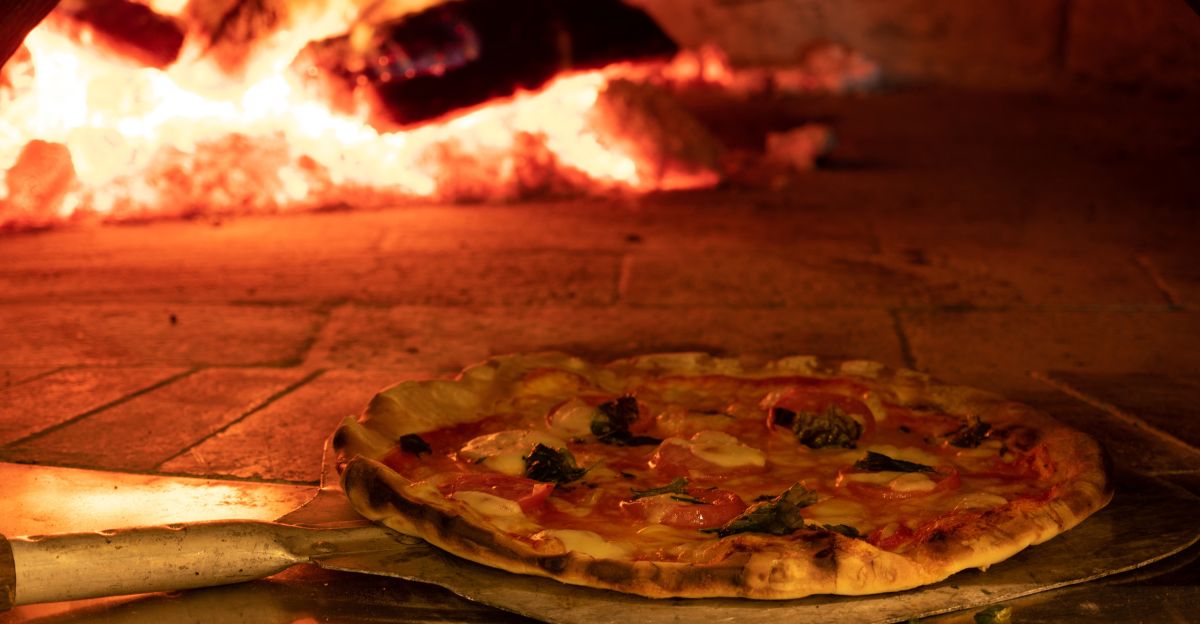
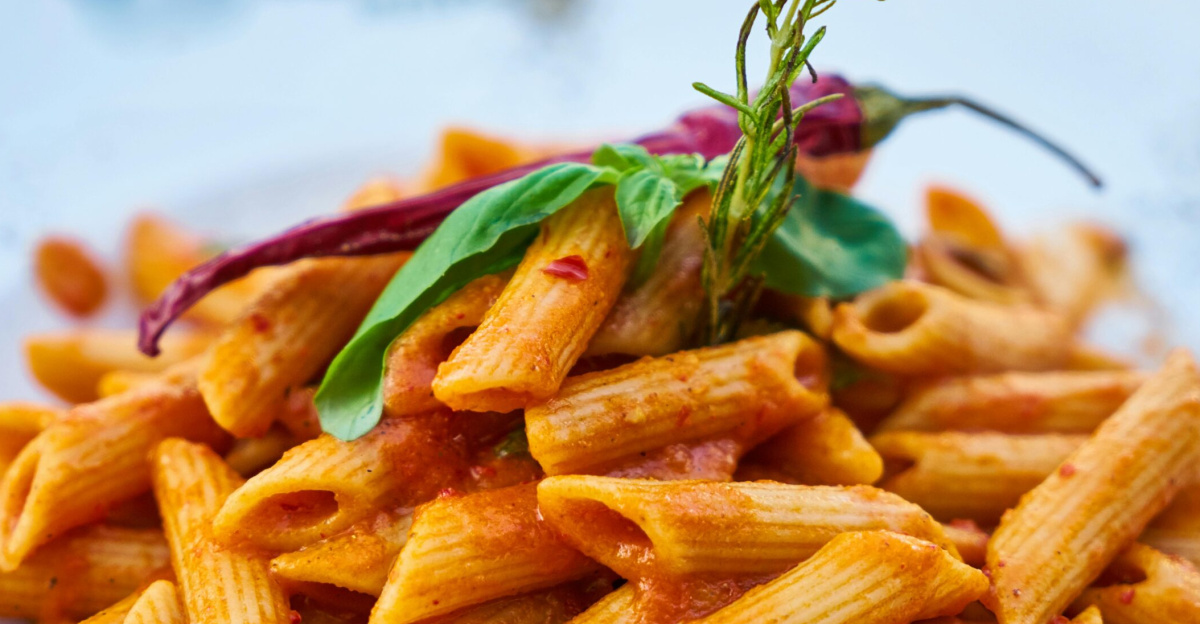
Founded in 1988 in Texas, the brand rose during the casual-dining boom of the 1990s and early 2000s. It positioned itself directly against industry leaders like Olive Garden, offering theatrical table-side pasta preparation, wood-fired ovens, and a family-friendly atmosphere.
By the mid-2000s, it had become a serious national contender, symbolizing abundance, consistency, and approachable Italian dining in suburban America.
Early Warning Signs

The cracks appeared long before the final wave of closures. Between 2009 and 2014, the chain shuttered dozens of underperforming locations as costs climbed and customer traffic softened. Rising labor expenses, food inflation, and long-term lease obligations strained margins.
In 2017, mounting pressure led to a Chapter 11 bankruptcy filing. While restructuring offered temporary relief, deeper issues—weak unit economics and declining relevance—remained unresolved.
The Final Unraveling

By 2021, Romano’s Macaroni Grill’s footprint had already shrunk dramatically, and revenue was a fraction of its former scale. Sales declines continued through 2024 and 2025 as closures accelerated.
Unit counts fell sharply, consumer awareness eroded, and recovery momentum vanished. By early 2026, the brand had effectively ceased to function as a national chain. What remained was a handful of locations and a once-familiar name.
Workers Left Behind

Behind each closure were servers, cooks, and managers abruptly cut loose. Many employees had spent years—or decades—at their local Romano’s.
Several shutdowns occurred without severance or extended notice, forcing workers to scramble for new jobs. While some found work in a tight labor market, others lost seniority, benefits, and stable schedules. The collapse translated corporate failure directly into household financial stress.
The Human Toll Across Food Service
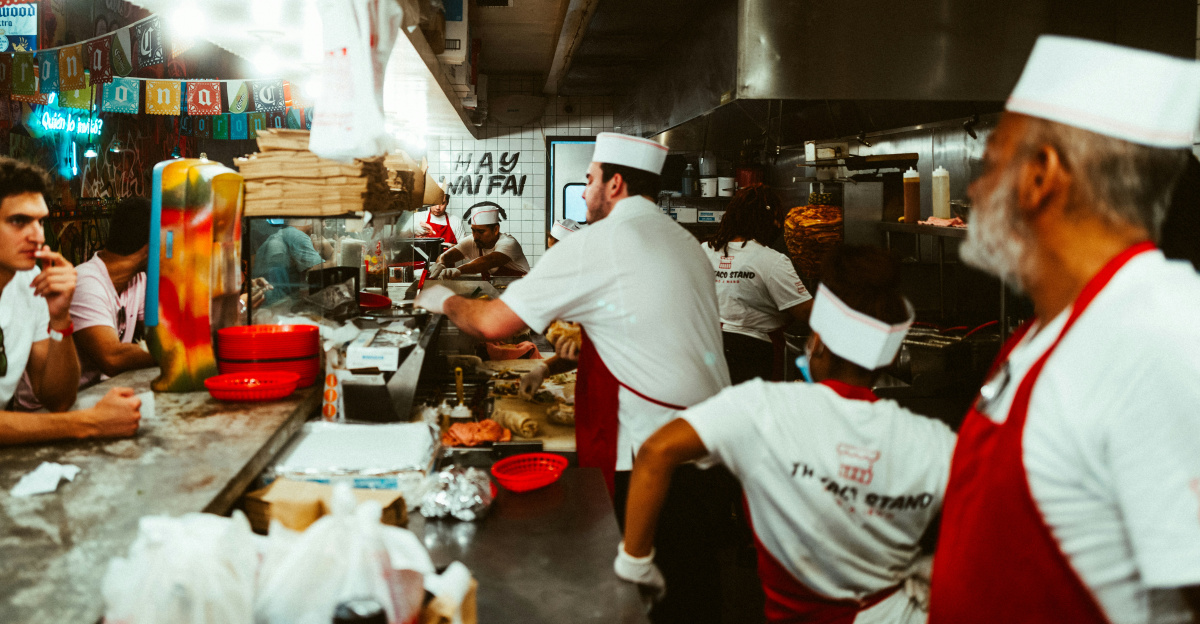
Romano’s implosion reflects broader instability facing restaurant workers. Food-service employment has become increasingly volatile, with openings plentiful but security thin.
As chains shrink or restructure, workers bear the immediate risk. Sudden closures create income gaps that ripple through families and local economies. Romano’s story underscores how vulnerable frontline restaurant labor becomes when large systems retreat without safety nets.
A Wave of Chain Contractions
Romano’s is not an isolated case. Starbucks has closed roughly 500 North American locations. Wendy’s plans hundreds of closures through 2026.
Denny’s, Jack in the Box, Papa John’s, and On The Border are also shrinking. Across formats, underperforming locations are being culled.
The Closure Paradox
Here’s the twist: total U.S. restaurant closures are near a seven-year low. According to Datassential, April 2025 saw just 886 closures—an 82% drop from 2018 levels.
The industry overall is stable. The collapse is selective. Weak chains are disappearing while stronger brands consolidate demand, making the downturn feel worse than the data suggests.
Why Some Chains Survive
The industry isn’t shrinking evenly—it’s sorting winners from losers. Strong operators refined pricing, simplified menus, and leaned into off-premise dining.
Casual dining didn’t vanish; inefficient concepts did. Romano’s lacked the capital and clarity to reposition quickly. Meanwhile, competitors adapted faster, capturing customers who still wanted sit-down meals—but demanded better value and consistency.
Strategy Misfires
Leadership pitched a late-stage turnaround built around a smaller footprint, airport locations, frozen retail products, and a spinoff pasta concept. The plan depended on rebuilding brand relevance without a strong restaurant base.
Years of losses, shrinking awareness, and mounting skepticism made execution nearly impossible. By the time the strategy emerged, Romano’s no longer had the scale or momentum needed to test it effectively.
Ownership Changes Didn’t Save It
Romano’s passed through multiple ownership groups as financial stress mounted. Each transition promised stabilization through capital injections and restructuring.
None reversed the downward trajectory. Once unit-level profitability turned negative across much of the system, new ownership faced the same math: reopening stores required more investment than projected returns could justify.
A Failed Comeback Attempt

After emerging from bankruptcy, Romano’s briefly stabilized its footprint. Menu tweaks, lease renegotiations, and operational changes slowed the bleeding. But consumer behavior had shifted. Diners increasingly split between low-cost quick service and premium experiences.
Mid-priced casual chains without strong brand loyalty were squeezed hardest. Romano’s couldn’t command higher prices or enough traffic to offset costs.
Analyst Doubts

Industry analysts remain skeptical about revival prospects. Frozen retail meals and virtual brands rarely rebuild trust without thriving restaurants to anchor them.
With only nine locations left, the path back to national relevance looks mathematically unrealistic. Consultants note that nostalgia alone can’t overcome years of declining sales, shrinking footprints, and reduced marketing power.
Is Casual Dining Dying?

Romano’s collapse raises a broader question: is mid-priced casual dining obsolete? Evidence suggests otherwise. Success depends on execution, not format.
Brands that communicate value clearly and adapt operations continue to grow. The sector isn’t dying—it’s polarizing. Chains that fail to define who they serve and why are the ones disappearing.
Labor and Policy Implications

As chains contract, worker protections come under scrutiny. Sudden closures amplify income instability for millions of restaurant employees nationwide.
Some economists argue closures are necessary to correct oversupply; others warn the social cost is being ignored. Romano’s collapse adds urgency to debates over notice requirements, severance standards, and workforce transition support.
A Global Pattern
This contraction isn’t uniquely American. Casual-dining brands across Europe and Asia face similar pressures from rising costs and changing tastes.
Delivery-focused fast-casual concepts and high-end dining are gaining ground worldwide. Romano’s story reflects a global recalibration of where, how, and why people dine out.
The Value of a Fading Brand
As Romano’s footprint shrinks, attention turns to its intellectual property. Recipes, trademarks, and concepts retain residual value.
Nostalgia-driven revivals are possible through licensing or acquisition. But history shows brand assets alone can’t overcome failed economics. Any revival would require deep pockets and a fundamentally different operating model.
Cultural Memory Lost

For many Gen Xers and older millennials, Romano’s represented a communal dining era—paper-covered tables, shared meals, and theatrical service.
Its disappearance marks a cultural shift away from neighborhood sit-down chains. Like vanished department stores and mall food courts, Romano’s now lives mostly in memory rather than daily life.
What the Collapse Really Signals

Romano’s Macaroni Grill didn’t fail because Americans stopped eating Italian food. It failed because growth outpaced profitability, adaptation lagged consumer change, and debt narrowed options.
At the same time, the broader restaurant industry is unusually stable. The lesson is blunt: markets are ruthlessly efficient at eliminating weak models. Legacy offers no immunity—only evolution does.
Sources:
“Romano’s Macaroni Grill sheds most of its locations.” Nation’s Restaurant News, 3 Dec 2025.
“Restaurant Closures Are At 7-Year Low in 2025.” Datassential, 27 Aug 2025.
“Olive Garden rival nearly gone, down to 9 restaurants nationwide.” TheStreet, 11 Jan 2026.
“These restaurant chains closed locations in 2025.” CNBC, 30 Dec 2025.