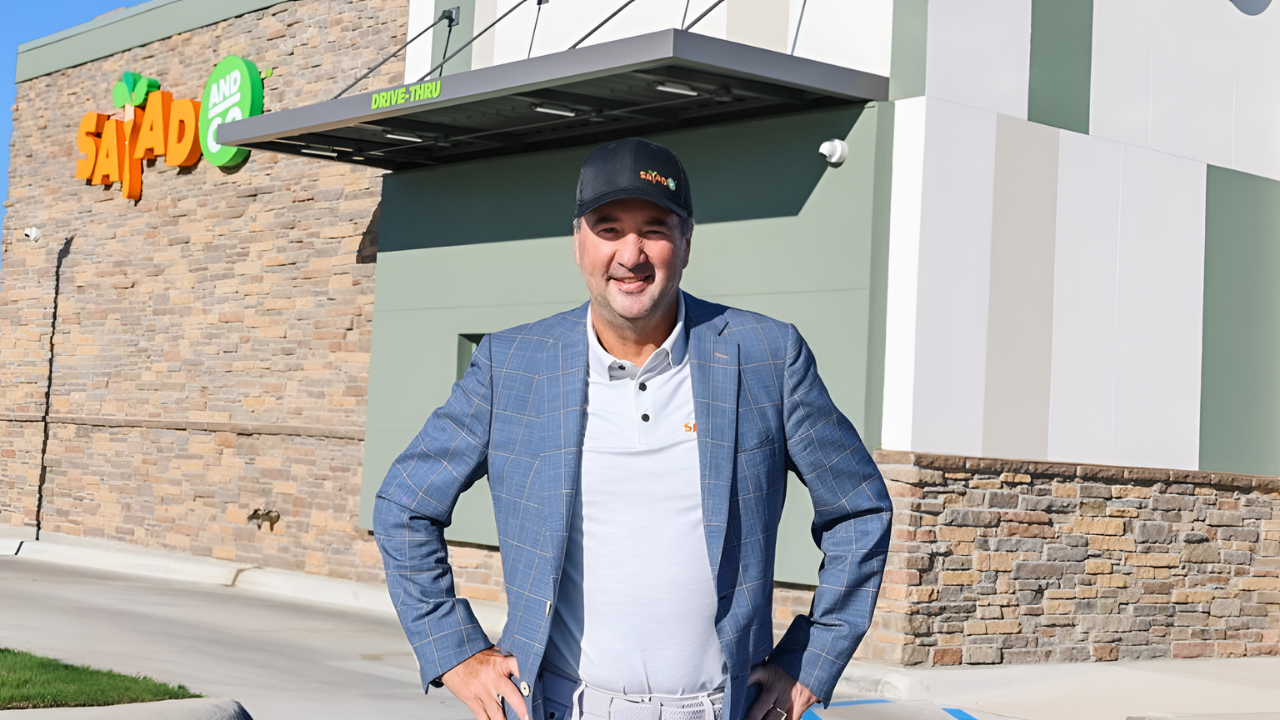
A once-promising drive-thru salad brand experienced rapid growth, expanding to nearly 150 locations across four states by late 2024.
Despite impressive sales growth, cracks began to show in its expansion strategy. What led this high-flying brand to retreat just months after its most aggressive expansion yet?
Overzealous Expansion
The brand doubled its footprint in two years, including the opening of a massive kitchen in Texas to support hundreds of locations.
However, 73 closures in Texas and Oklahoma—41 in September 2025, followed by 32 more—forced stakeholders to reconsider the expansion model. What went wrong with this strategy?
Hometown Roots
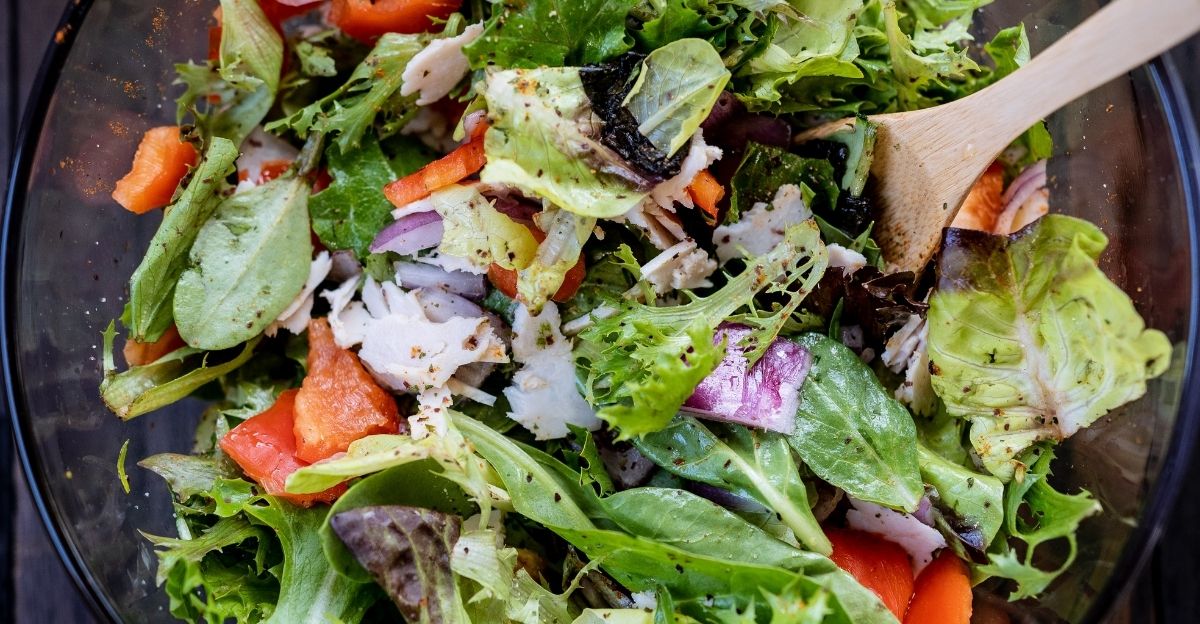
Founded in 2013 in Gilbert, Arizona, this healthy fast-food concept quickly disrupted the market by offering affordable drive-thru salads and wraps.
With an emphasis on fresh, healthy eating, the brand’s small, efficient locations became a hit with consumers looking for a quick and nutritious alternative.
Unforeseen Pressures
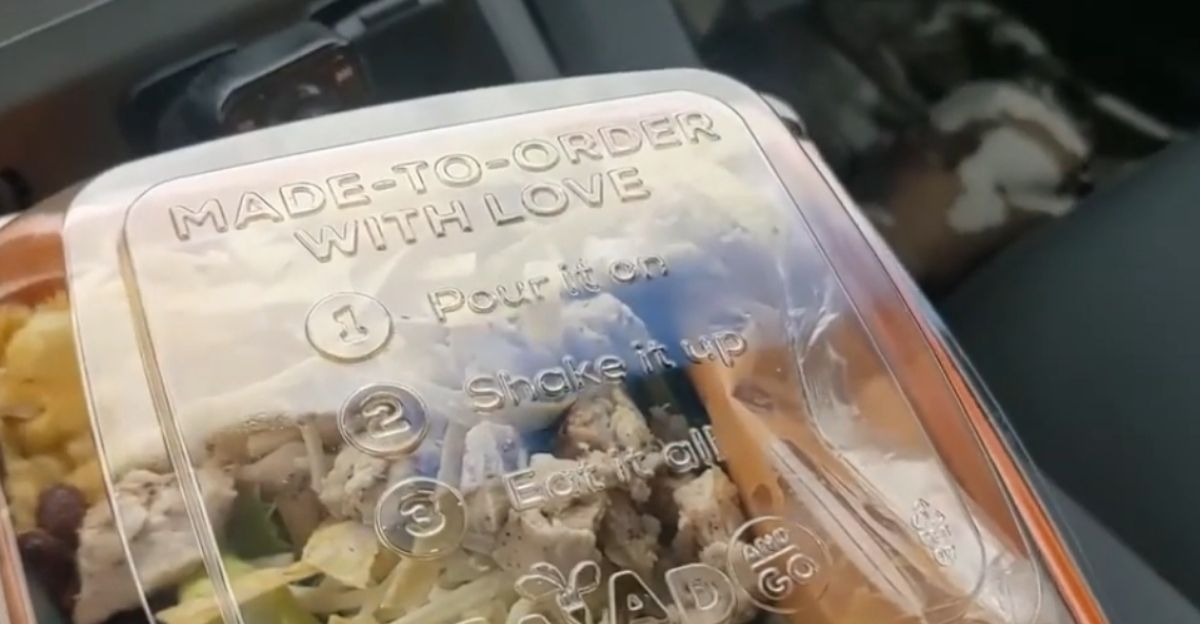
By 2024, the brand had expanded into Arizona, Nevada, Texas, and Oklahoma. But food safety concerns arose in Texas, with reports of undercooked chicken, leading to a vendor change.
Despite growth, the strain of maintaining quality across multiple states became unsustainable.
A Complete Exit
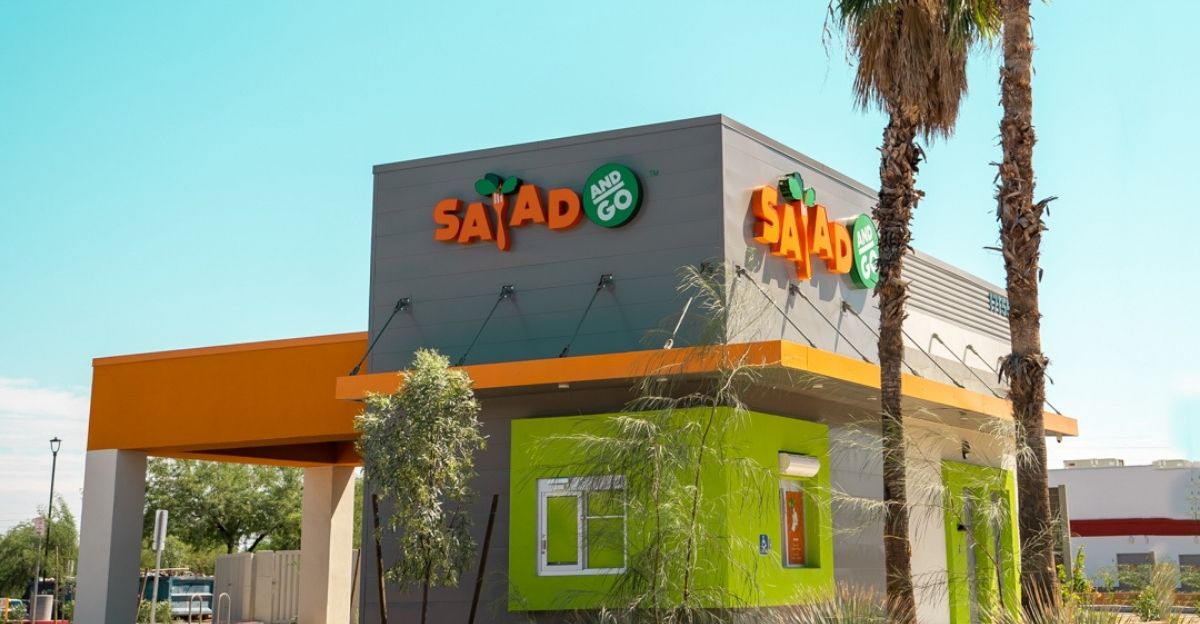
In January 2026, Salad and Go announced it would close all 32 of its stores in Texas and Oklahoma by January 11, 2026.
CEO Mike Tattersfield cited the overextension of resources and said the company had “neglected Arizona.” Additionally, the headquarters moved from Coppell, Texas, to Phoenix, Arizona, signaling a full-scale retreat.
Texas Fallout
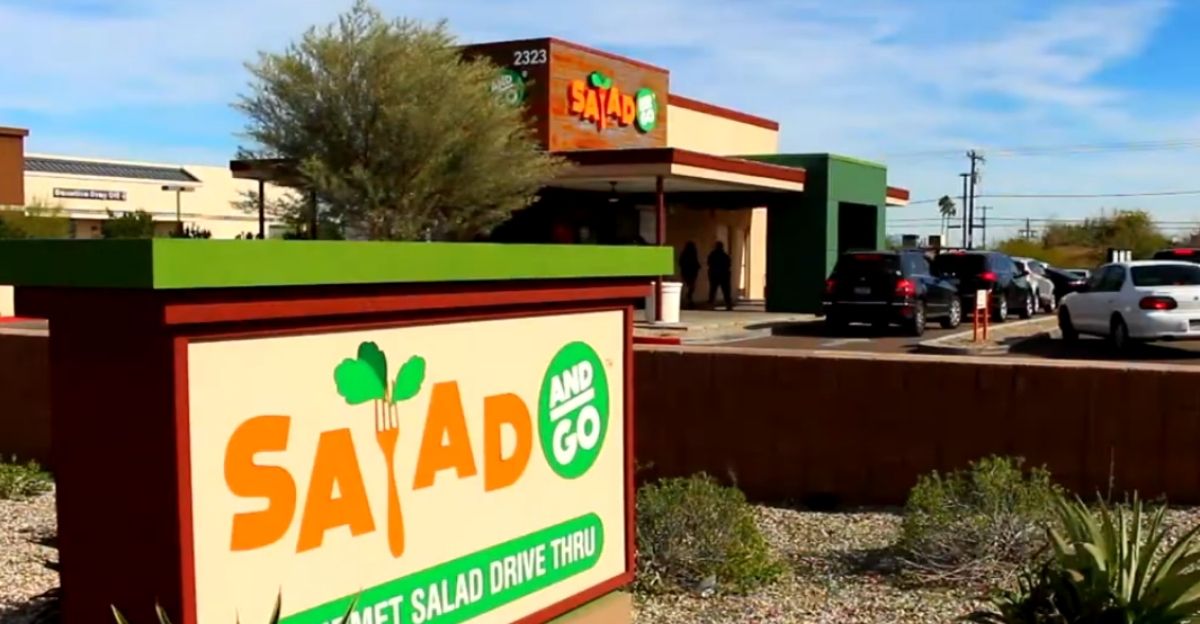
North Texas, once home to dozens of Salad and Go stores, now faces a complete exit. The Garland central kitchen, designed to support hundreds of locations, has been left redundant.
The closure of all locations in Dallas-Fort Worth sends shockwaves through local economies, with communities left scrambling for new food options.
Job Losses
Around 600 employees across Texas and Oklahoma are now facing job losses due to the closures. As 32 stores close by mid-January, families in DFW and beyond struggle with the uncertainty of sudden layoffs.
Salad and Go’s leadership expresses gratitude, but the human impact of this mass exit is undeniable.
A Competitor’s Opportunity
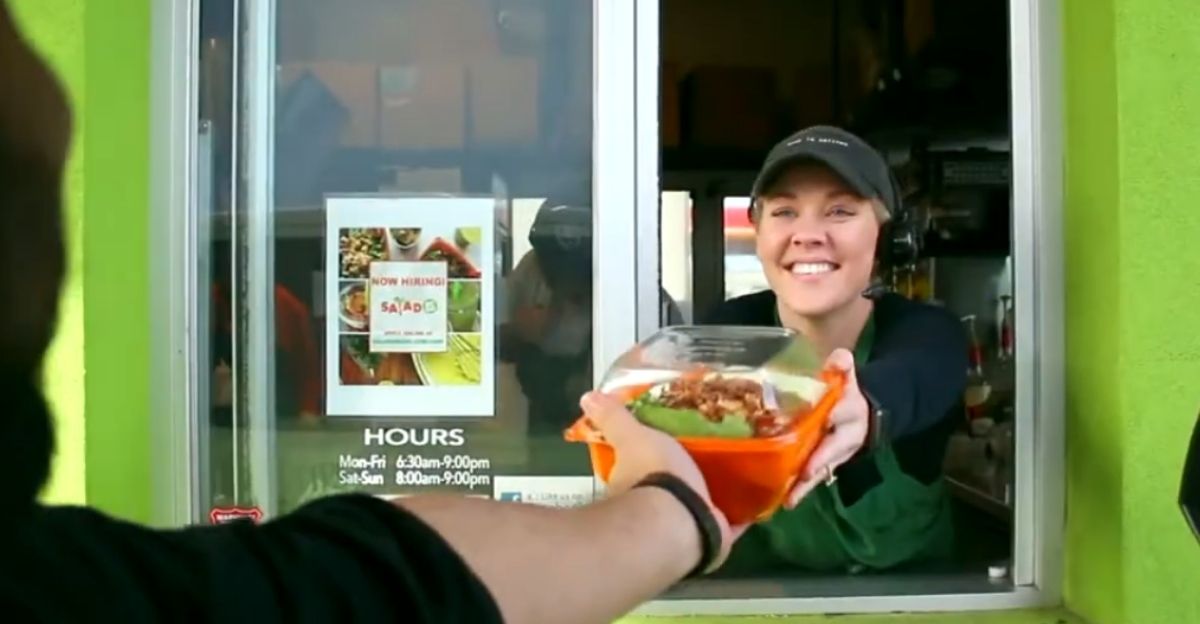
As Salad and Go retreats, rivals like Sweetgreen and Cava are eyeing the healthy drive-thru market, eager to fill the gap.
The closures ease supply chain pressure for local vendors, and regional competitors seize the opportunity to expand. Will this competition hurt Salad and Go’s recovery efforts in its remaining markets?
Healthy Fast Food in Decline
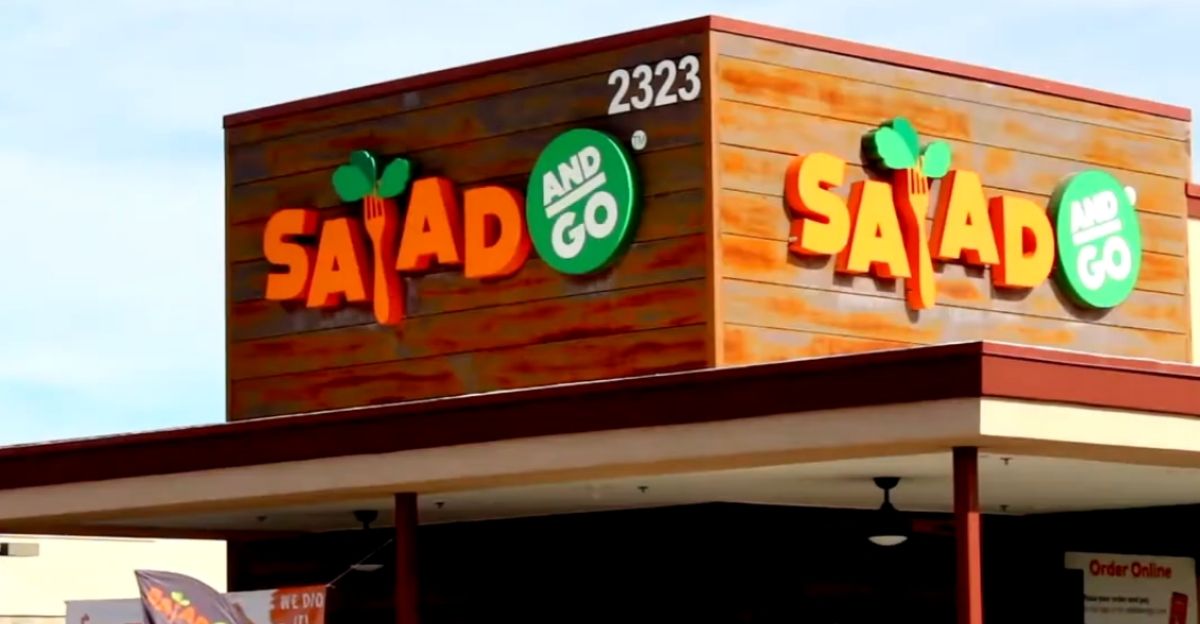
The demand for healthier, convenient fast food was once a booming trend. Salad and Go capitalized on this, offering affordable options through drive-thru lanes.
However, the rapid expansion that once fueled its growth now reflects the pitfalls of overextending. The market may be shifting toward more disciplined, sustainable growth models.
Safety Concerns Resurface
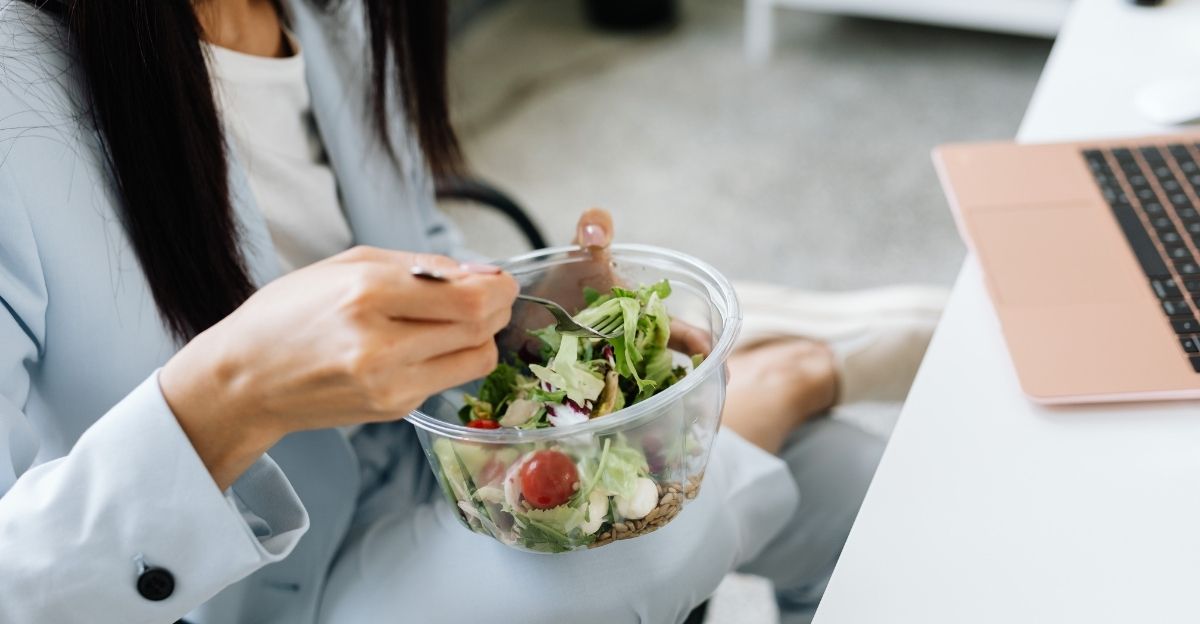
In Texas, managers reported food safety concerns, including undercooked chicken, which prompted a vendor switch.
This issue, alongside other operational strains, may have accelerated the closures. While the company denied claims of illness, the safety lapses, coupled with the logistical burdens, seem to have worsened the company’s trajectory.
Leadership Challenges
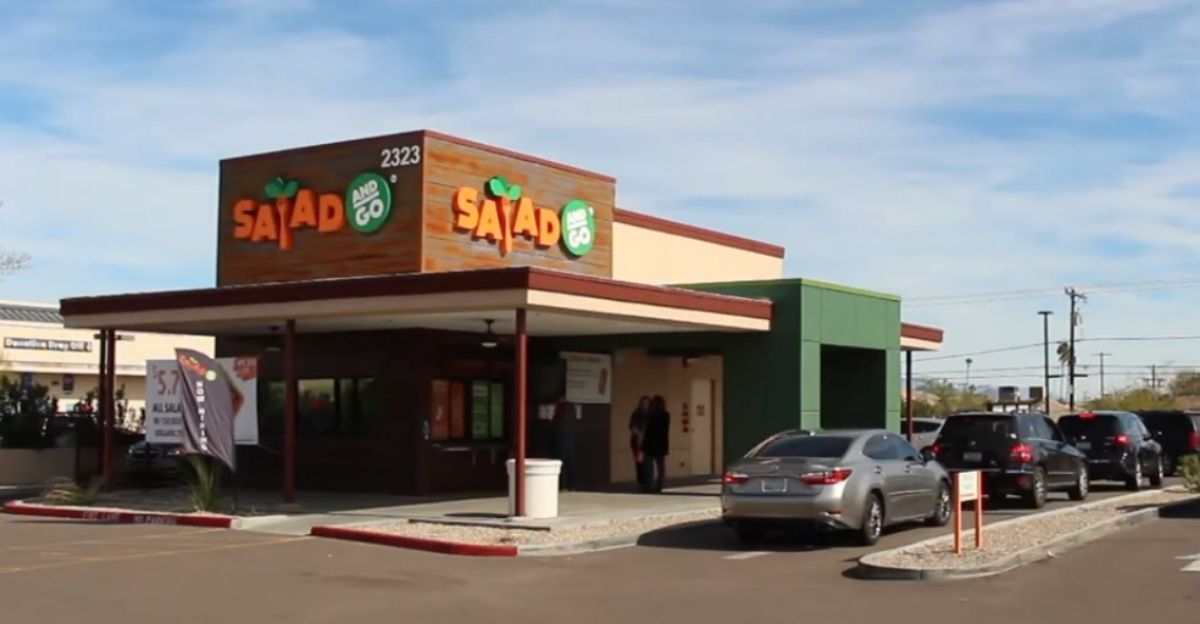
Mike Tattersfield, a seasoned executive from Krispy Kreme, took over as CEO in 2025, replacing Charlie Morrison.
However, his tenure has been marked by significant tension regarding the expansion strategy. Tattersfield admitted that the company’s overzealous growth in Texas was a mistake, leading to internal conflicts and leadership strain.
CEO’s Pivot
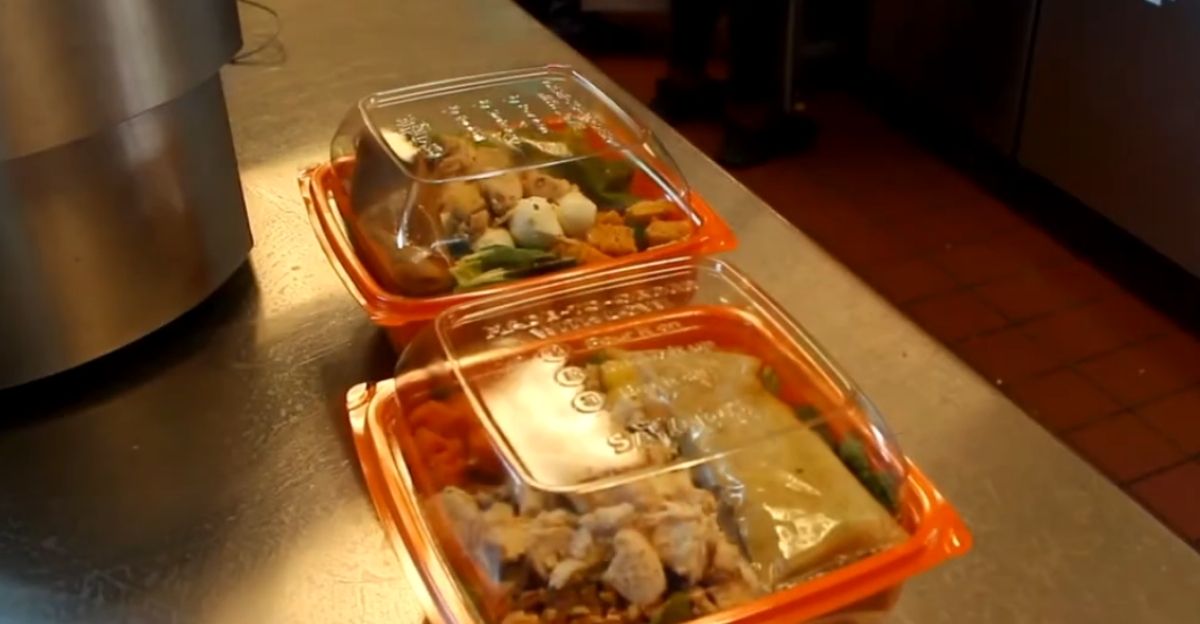
Tattersfield, backed by Volt Investment Holdings, is now leading the charge in the company’s refocused strategy.
With a deep background in companies like Yum Brands and Lululemon, his leadership has guided the shift of headquarters to Phoenix. But the real test is whether he can revitalize Salad and Go’s core operations without repeating past mistakes.
A Refocused Strategy
The company’s strategy now revolves around strengthening operations only in Arizona and Nevada. With centralized kitchens in Phoenix, Salad and Go aims for steady growth without the complexities of nationwide expansion.
CEO Tattersfield projects at least 10% annual growth—can a focused effort in these markets help the company rebound?
Criticism and Doubts
Despite its previous success, Salad and Go faces skepticism regarding its future. Analysts praised its innovative concept but questioned whether it can regain momentum after a significant contraction.
Data shows the chain had a 24% growth pre-exit, but questions remain: Can Salad and Go still thrive without the drive-thru craze it pioneered?
The Road Ahead
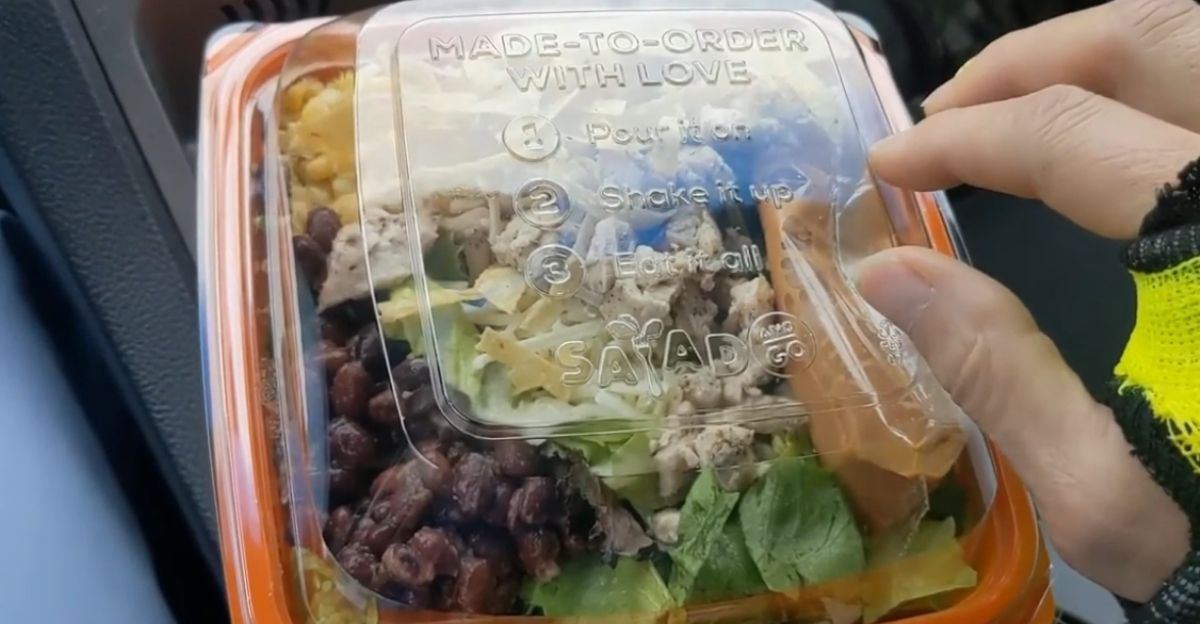
With the exit from Texas and Oklahoma, Salad and Go now looks to a future focused on its core markets. Whether or not the company will ever return to these states remains uncertain.
While the company shifts to stability, its future growth path remains precarious, leaving many to wonder if it can make a successful comeback.
Displaced Workers’ Aid
State workforce commissions in Texas and Oklahoma are preparing to provide aid for the 600 employees losing their jobs.
However, these layoffs highlight the risks of rapid growth and the role of private equity in scaling businesses. Will these closures spark a broader debate on the limits of aggressive expansion in the QSR sector?
Broader Implications
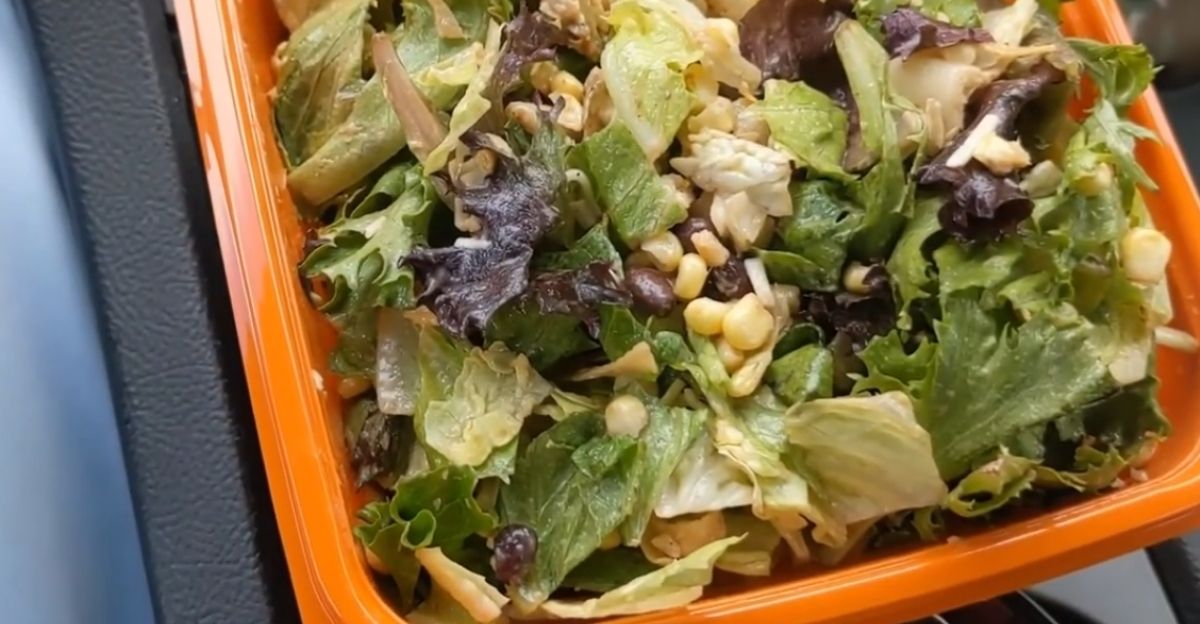
Salad and Go’s exit reflects a broader trend in the fast-food industry, where other brands like Rubio’s and Red Lobster have also retrenched.
As more companies reevaluate their national growth strategies, the question arises: Will the focus shift from rapid expansion to more sustainable, profitable scaling in the future?
Legal and Financial Fallout
Although no legal actions have resulted from food safety issues, the closures prompt the company to unwind leases and provide standard severance packages.
The company also saw positive environmental impacts with fewer locations, which may align with its original health-forward brand ethos. Are there hidden liabilities yet to be addressed?
A Cultural Shift
Salad and Go’s quirky branding resonated with a younger, health-conscious audience, particularly Gen Z. However, its retreat may redefine what it means to be a “healthy fast food” brand.
While the chain’s quirky innovations may remain part of its DNA, the changing landscape of fast food presents new challenges for the company.
A Valuable Lesson
Salad and Go’s story illustrates the importance of scaling with caution. The rapid expansion that led to its initial success now highlights the costs of overreach.
As the company refocuses on core markets, this retreat serves as a cautionary tale for other health-focused brands looking to disrupt the fast-food industry.
Sources:
“Salad and Go to close all Texas and Oklahoma locations, move HQ back to Arizona.” Phoenix Business Journal, 7 Jan 2026.
“Salad and Go closing all Texas, Oklahoma locations.” CBS News Texas, 6 Jan 2026.
“Salad and Go to close 41 restaurants.” Nation’s Restaurant News, 16 Sep 2025.
“Current and former Salad and Go staff claim raw chicken served to customers.” CBS News Texas, 18 Feb 2025.