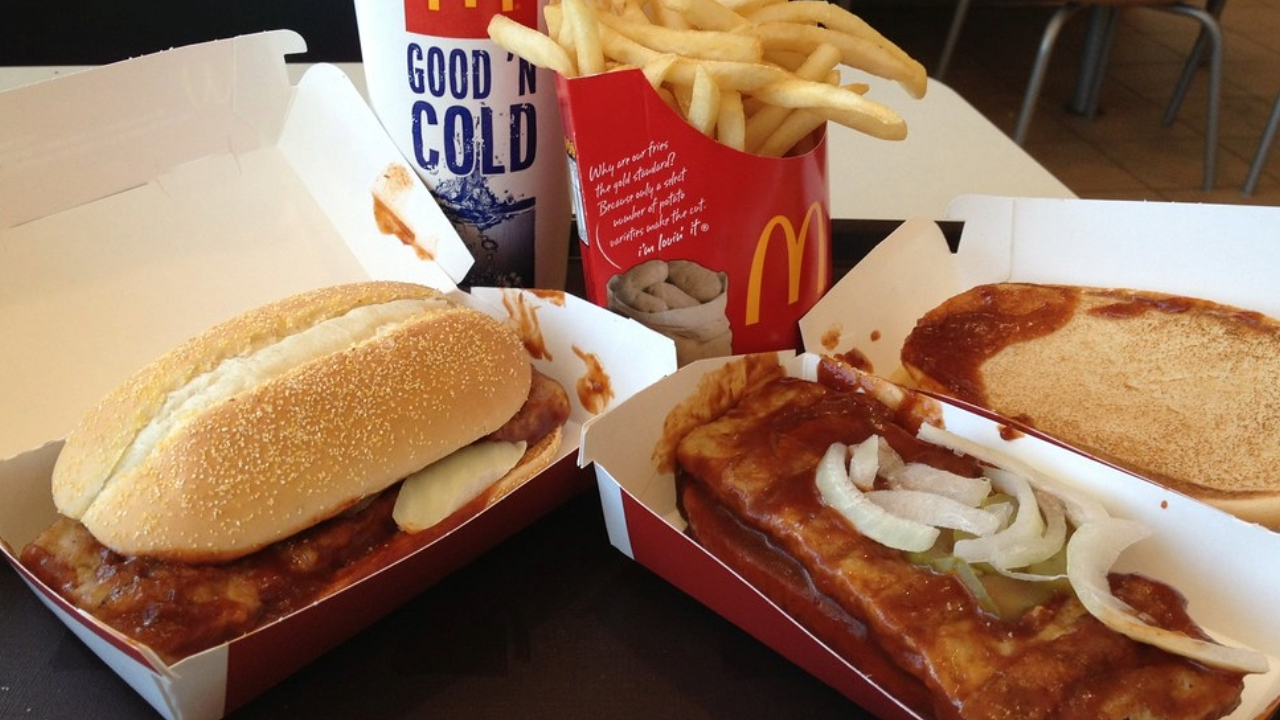
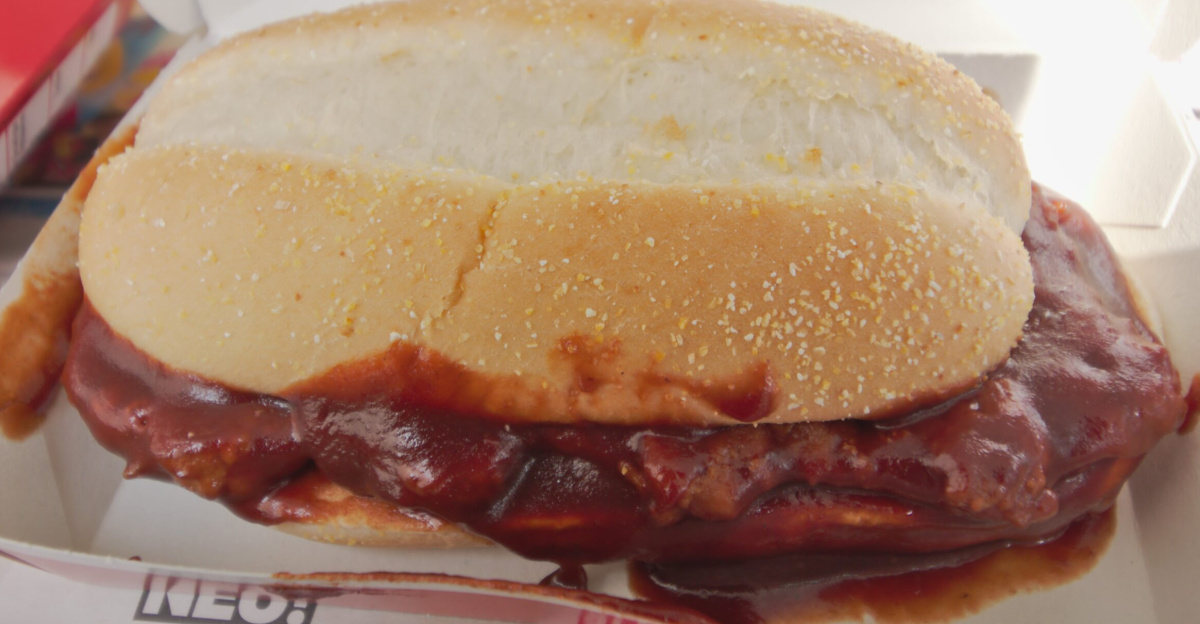
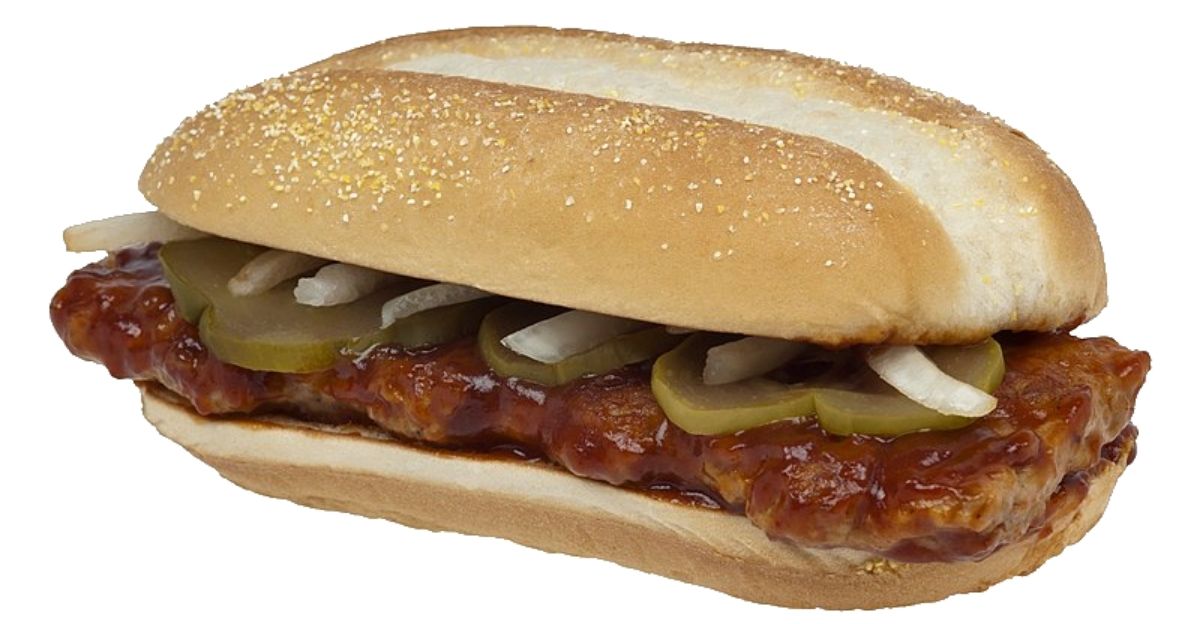
For more than 40 years, the McRib has arrived like a holiday ritual—brief, nostalgic, and wildly anticipated. Fans track its return, line up, and bite into what looks like a char-grilled rack of ribs pressed neatly into a bun. That visual promise is now at the center of a federal lawsuit.
Plaintiffs argue the sandwich’s look, name, and marketing create a false impression about what consumers are actually eating, igniting a high-stakes fight over trust, transparency, and fast-food illusion.
A New Flashpoint in Food Trust
Fast-food advertising has become a legal battleground. In recent years, chains across the industry have faced lawsuits over how menu items are described and portrayed. While many cases fade quietly, this one cuts deeper because it targets a cultural icon rather than a routine menu staple.
The McRib isn’t just food—it’s an event. That emotional attachment raises the stakes, transforming a marketing dispute into a broader debate about honesty in ultra-processed foods.
The McRib’s Carefully Built Myth
Introduced in 1981, the McRib was designed to feel special from day one. Its limited availability created urgency, while its rib-like shape suggested something closer to backyard barbecue than standard fast food. Over time, scarcity became part of the product’s identity.
Each return fueled anticipation, social media buzz, and higher pricing. That long-running mystique is now under scrutiny, with plaintiffs arguing the illusion itself is central to the alleged deception.
Why Scrutiny Is Rising Now
Consumer attitudes toward food shifted sharply in the mid-2020s. Inflation pushed diners to question value, while public discussion around ultra-processed foods intensified. McDonald’s leadership acknowledged in 2025 that lower-income customers were cutting back, with traffic down double digits among middle- and lower-income consumers.
In that climate, ingredients and pricing matter more than ever. The McRib lawsuit lands at a moment when consumers are primed to ask harder questions about what they’re paying for—and what’s hidden behind familiar branding.
The Lawsuit That Lit the Fuse
On December 23, 2025, four plaintiffs filed a federal class-action lawsuit against McDonald’s USA in the U.S. District Court for the Northern District of Illinois. The complaint alleges the McRib’s name and rib-rack shape mislead consumers into believing it contains actual pork rib meat.
According to the filing, the patty does not include rib meat at all, making the product’s presentation fundamentally deceptive. McDonald’s disputes the claims, calling the lawsuit misleading and meritless.
A Nationwide Scope
The plaintiffs come from California, New York, Illinois, and Washington, D.C., underscoring the suit’s nationwide reach.
They seek class status for anyone who purchased a McRib within the past four years. With McDonald’s operating approximately 13,500 U.S. locations, the potential class could include millions of customers. If certified, the case would become one of the most expansive fast-food marketing challenges in recent years.
The Core Accusation
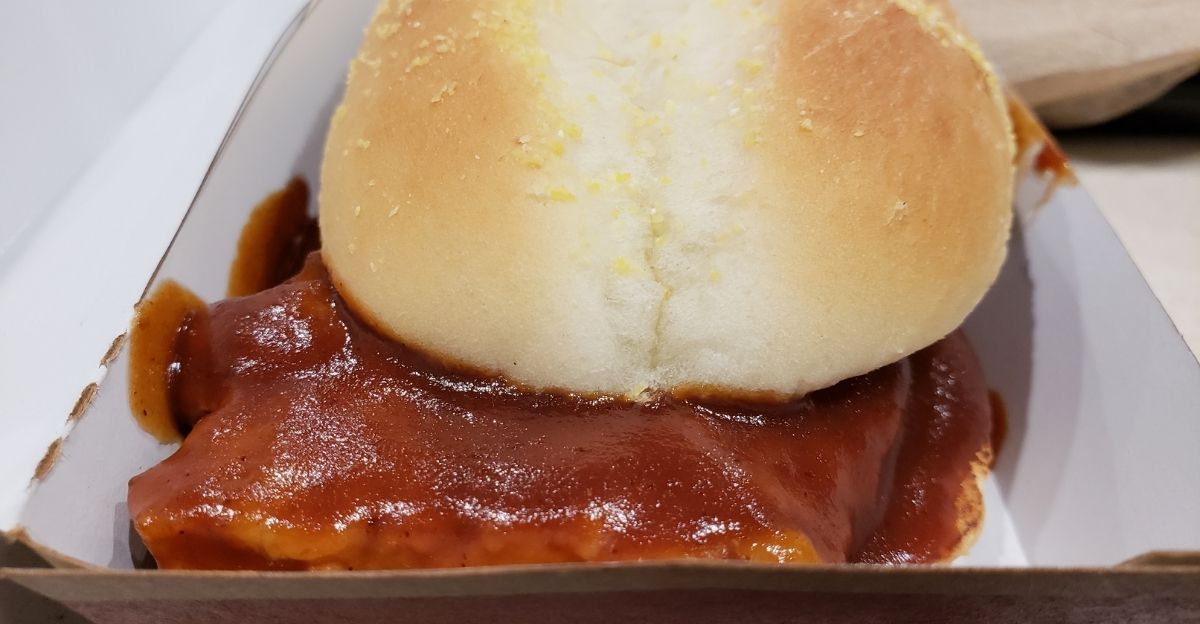
At the heart of the lawsuit is the word “rib.” Plaintiffs argue that reasonable consumers associate ribs with a specific, higher-value cut of meat. By naming the sandwich the McRib and shaping it like a rib rack, the complaint claims McDonald’s intentionally leverages that association.
The allegation isn’t just about ingredients—it’s about expectation. The suit frames the branding as a calculated move that turns assumption into profit.
What the Ingredient Debate Is Really About

McDonald’s describes the McRib as “seasoned boneless pork,” listing a short set of ingredients. The lawsuit argues this description masks the extent of processing involved.
Plaintiffs claim consumers reading the label could reasonably infer a relatively simple pork product, not one created through restructured meat technology. McDonald’s counters that the McRib is made with 100 percent pork sourced from U.S. farmers and suppliers, and that claims about the sandwich containing hearts, tripe, or scalded stomach are false.
Pricing and the Question of Value

In some markets, the McRib has reached prices as high as $7.89, placing it among McDonald’s pricier menu items. Plaintiffs argue that price reinforces the idea of a premium cut, especially during periods of economic strain.
Their claim is that consumers paid more because they believed they were buying something closer to rib meat. McDonald’s disputes this framing, but the pricing issue adds a financial dimension that strengthens the lawsuit’s narrative.
Inside Restructured Meat
A key pillar of the complaint involves restructured meat technology—the process of forming pork from smaller pieces into a unified shape. The technology was developed in the 1970s by Dr. Roger Mandigo at the University of Nebraska, funded by the National Pork Producers Council. The lawsuit points to long-standing industry knowledge that such products combine various cuts and mold them together.
Plaintiffs argue that McDonald’s has long understood how this technology works, making the current marketing choices a matter of omission rather than ignorance. The company denies that the McRib contains the specific organ meat components alleged in the complaint.
McDonald’s Response
McDonald’s has issued firm denials, stating that the McRib is made with 100 percent pork and that claims about hearts, tripe, or stomach are false. The company emphasizes that it has always provided ingredient information so customers can make informed decisions.
Notably, its response focuses on ingredient sourcing rather than addressing whether the term “rib” could mislead consumers about the cut or structure of the meat.
The “Reasonable Consumer” Test
Legally, the case hinges on whether a reasonable consumer would actually be misled. McDonald’s argues that no rational buyer believes the McRib comes from an actual rack of ribs, especially since it is clearly described as boneless.
Plaintiffs counter that branding works precisely because it shapes perception quickly, at the point of purchase, where visual cues and names outweigh fine print.
The Challenge of Class Certification
Winning class certification will be difficult. Plaintiffs must show that consumers suffered a common injury, such as overpaying based on the same misunderstanding. McDonald’s is expected to argue that motivations vary—many buyers simply like the taste or novelty.
Courts have previously dismissed similar food-marketing cases, viewing exaggerated presentation as standard advertising puffery. Those precedents loom large over the McRib claims.
Public Reaction Is Split
Online reaction reveals a sharp divide. Some consumers dismiss the lawsuit, arguing the McRib was never meant to be taken literally.
Others say the price, presentation, and limited-time hype created a false sense of quality. Legal analysts note that even if the case fails, it reflects growing discomfort with how industrial food is marketed versus how it is actually produced.
A Regulatory Undercurrent
The lawsuit arrives as regulators pay closer attention to food labeling and marketing clarity. While ingredient lists may meet technical requirements, critics argue they often fail to convey how products are made.
This case raises the question of whether omission—leaving out details about restructuring and processing—can be as misleading as an outright false claim. Courts may be forced to grapple with that distinction.
Industry-Wide Implications

If the lawsuit gains traction, it could ripple far beyond one sandwich. Restructured meat is common across the fast-food and processed-meat industries.
A ruling against McDonald’s could invite similar challenges against other brands, pushing companies to rethink naming, imagery, and disclosures. Even without a final verdict, the mere risk of litigation could drive quieter changes across menus and packaging.
A Global Contrast
Outside the U.S., labeling standards are often stricter. The European Union requires clearer disclosure when meat is restructured or heavily processed, including terms like “reconstituted meat” or “reassembled” products.
Observers note that the McRib case highlights a gap between American and international norms. Multinational brands may eventually face pressure to adopt more uniform transparency to avoid running separate standards for different markets.
The Class and Affordability Angle

Fast food disproportionately serves lower-income consumers, making pricing transparency a sensitive issue. Plaintiffs frame the McRib as an example of premium imagery applied to a non-premium product during a time of economic stress.
That framing gives the case cultural weight, casting it as a question of fairness rather than mere semantics—even if the legal outcome remains uncertain.
Brand Risk Beyond the Courtroom
Regardless of the verdict, prolonged litigation carries reputational costs. Past food lawsuits, even unsuccessful ones, have left lasting impacts on consumer trust.
The McRib’s appeal relies heavily on nostalgia and goodwill. Sustained headlines questioning what it really is could erode that emotional connection, potentially diminishing the very hype that makes the product valuable.
A Bigger Question Than One Sandwich

Ultimately, the McRib lawsuit isn’t just about pork or branding—it’s about how much transparency consumers should expect from iconic products. Courts may decide the case on narrow legal grounds, but the cultural conversation is broader.
As scrutiny of ultra-processed food grows, the McRib may be remembered less as a seasonal indulgence and more as a catalyst that forced fast food to confront how illusion, nostalgia, and marketing intersect.
Sources:
McDonald’s hit with lawsuit claiming McRib contains no real rib meat.” Fox Business, 5 Jan 2026.
“Roger Mandigo and the origins of the McRib sandwich.” Farm Progress, 14 Feb 2025.
“McDonald’s sales rise despite industrywide lower-income consumer pullback.” Nation’s Restaurant News, 5 Nov 2025.
“McDonald’s Sued Over McRib.” Today, 6 Jan 2026.