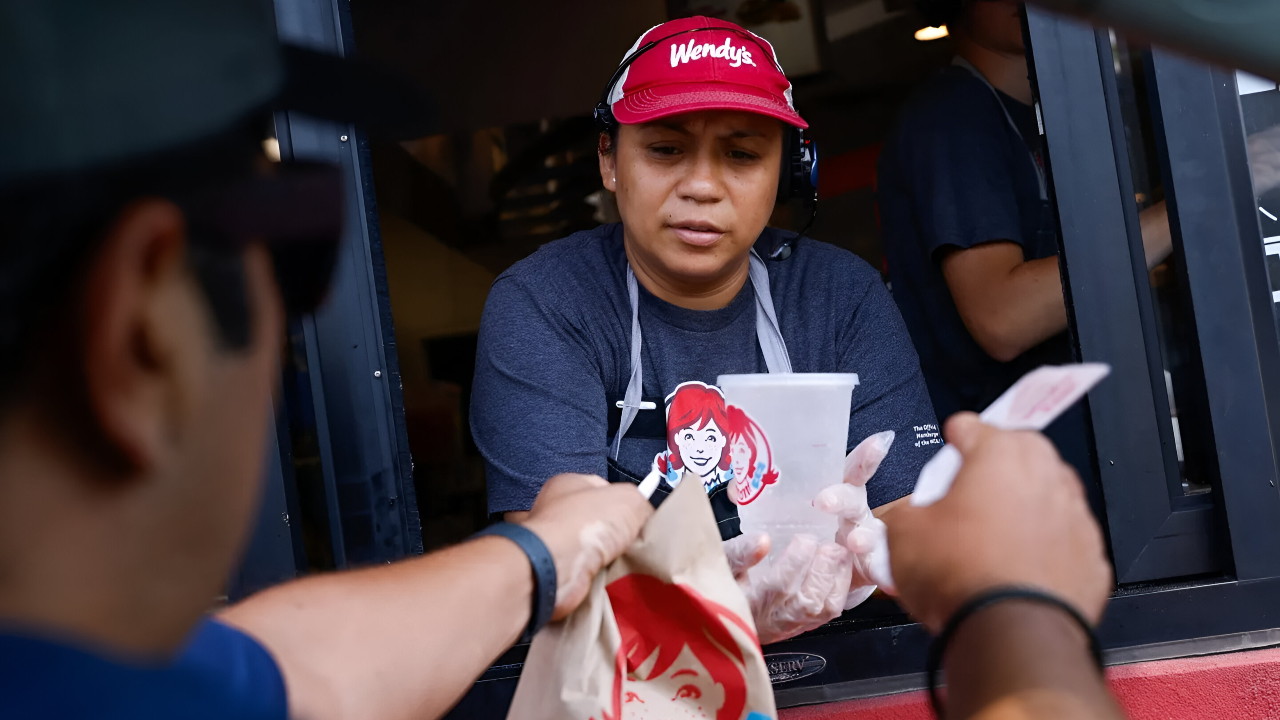
In the coming months, several major U.S. chains, including Starbucks, Wendy’s, Denny’s, and Jack in the Box, will close nearly 1,000 underperforming locations across the country.
Starbucks has already closed 500 cafés in North America, and Wendy’s plans to shut down 200–350 sites. These closures could affect 7,500–15,000 jobs, though the broader restaurant industry added
approximately 150,000 net jobs in 2025. But what’s behind this strategy, and what does it reveal
about the current state of the industry?”
Keep reading as we examine the implications of these massive shifts. Could this be the beginning of a larger trend in the foodservice sector? Let’s dive into what these closures reveal about the current state of the restaurant industry.
Inflation-Weary Consumers Drive Mid-Tier Restaurant Optimization—But Industry Remains Healthy
Despite major chain closures, the restaurant industry added approximately 150,000 jobs in 2025,
representing an expansion from 129,500 jobs added in 2024. However, inflation-conscious consumers
are reducing dining frequency and pressuring mid-tier restaurants to optimize portfolios.
Food-away-from-home prices climbed 3.7% year-over-year through September 2025. Chains are closing
underperforming stores: Denny’s bottom-quintile stores average $1.1 million in volume versus $2.9 million for top-performing sites.
Despite high-profile chain announcements, overall industry closures remain near historic lows, suggesting pain is concentrated among major players optimizing their footprints.
Local Impact: Convenience Disruptions Despite Industry Stability

Budget-conscious consumers are shifting toward groceries and home cooking, disrupting dining routines in suburban and urban areas.
Datassential notes that local shutdowns have an outsized impact on communities despite April 2025 marking the lowest national closure count (886) in at least seven years.
Industry-wide traffic declined by approximately 1% by mid-2025 as consumer spending patterns shifted.
Chains Strategically Optimize Footprints for Profitability
Wendy’s interim CEO, Ken Cook, announced a review of the chain’s 6,000 U.S. locations, targeting 200–350 closures of underperforming sites starting late 2025 and continuing through 2026.
Jack in the Box plans to close 150–200 locations through 2026 under its “Jack on Track” turnaround plan. Denny’s closed 70–90 locations in 2025 with approximately 150 total planned by year-end, ahead of its 2026 privatization. Strategic focus: strengthen remaining units and boost EBITDA.
Quick-Service and Casual Dining Segments Restructure
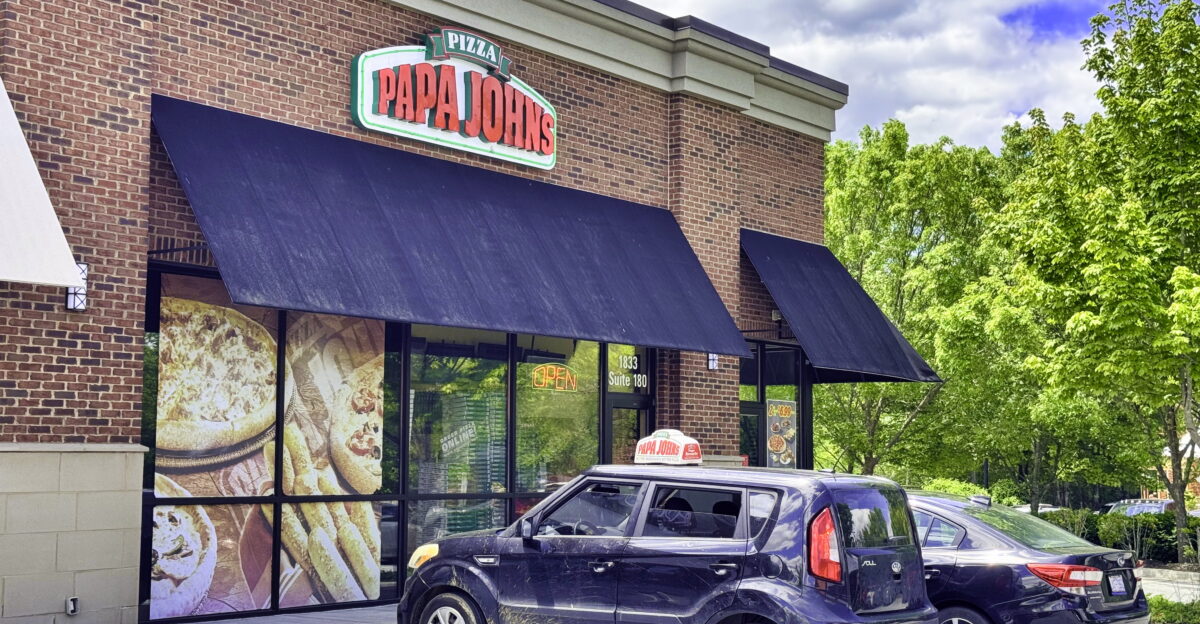
Papa John’s shuttered 62 U.S. sites in 2025 as part of 173 global closures. On The Border closed 77 restaurants amid bankruptcy restructuring. S
Salad and Go exited Texas and Oklahoma markets with 32 closures by January 11, 2026, refocusing operations on Arizona and Nevada.
Noodles & Company plans 30–35 additional closures in 2026 following 42 locations closed in 2025, transferring sales to nearby profitable units.
Grocery Stores Gain as Home Cooking Replaces Restaurant Visits

Rising costs are driving consumers toward home-cooked meals. Coresight Research confirms demand shifting to groceries, reducing restaurant traffic.
Food and labor costs have increased approximately 35% over the past five years, while menu prices rose 31% since 2020.
Chains like Noodles & Company are closing 30–35 underperformers in 2026, with management noting that roughly one-third of sales transfer to nearby profitable locations.
Employment Impact: Estimated 7,500–15,000 Jobs Potentially Affected
Approximately 1,000 closures across major chains could affect an estimated 7,500–15,000 jobs nationwide, based on industry-typical staffing of 7–20 employees per location, depending on restaurant format.
Separately, New York restaurants lost 10,000 jobs between June 2024 and June 2025, coinciding with multiple economic factors, including wage increases to $17/hour in NYC effective January 1, 2026. Urban areas and entry-level positions face disproportionate impact from closures.
Wage Policy Debates Intensify Amid Cost Pressures

New York’s minimum wage increased to $17/hour in New York City and surrounding high-cost areas
(Long Island and Westchester), while the rest of New York State increased to $16/hour, both effective
January 1, 2026. These increases follow 10,000 restaurant job losses in New York from June 2024–2025.
An NBER working paper estimates California’s $20/hour fast-food minimum wage law contributed to approximately 18,000 job losses (2.3–3.9% employment reduction).
Restaurant operators cite compounding cost pressures: labor costs up 35%, food costs up 38% since the pandemic, with potential tip credit elimination under consideration in some jurisdictions.
Mixed Signals: Record-Low Closures Amid High-Profile Contractions
Despite major chain announcements, U.S. restaurant closures reached a seven-year low of 886 in April 2025—an 82% decrease from approximately 4,900 closures in January 2018, per Datassential.
This dramatic decline indicates that current closures are concentrated among major chains optimizing portfolios rather than reflecting broader industry distress.
Consumer Behavior Shifts: Health and Value Drive Home Cooking
Portfolio optimization is accelerating consumer shifts toward grocery-based cooking, potentially boosting health-focused eating habits. Salad and Go’s exit from the Texas/Oklahoma market underscores the challenges of the fast-casual sector.
“When consumers start watching their budget, the middle shrinks,” observes Ernest Baskin, Associate Professor of Food Marketing at Saint Joseph’s University, describing the erosion of mid-tier casual dining’s customer base.
Efficiency Focus Drives Restructuring Decisions
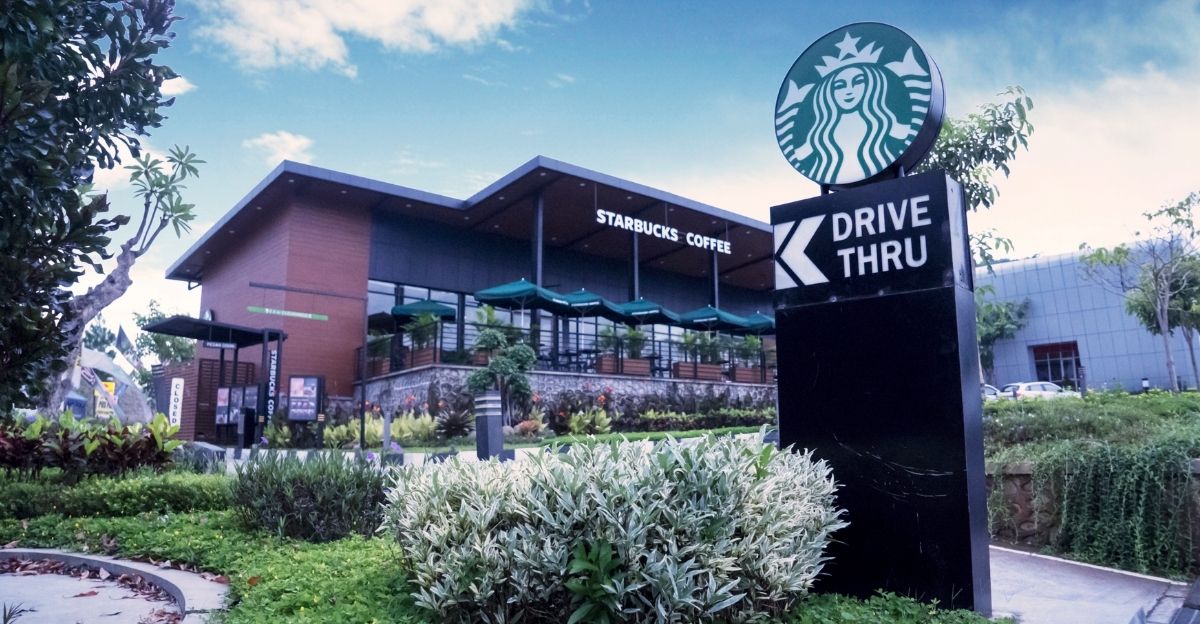
Chains like Starbucks are restructuring to enhance operational efficiency and improve the customer experience, with CEO Brian Niccol overseeing strategic portfolio assessments.
Underperformers like Denny’s low-EBITDA sites (averaging <$25K versus $250K–$350K for top performers) are being eliminated to reallocate resources.
Questions arise about operational waste from accelerated closures, though companies emphasize that optimization prioritizes long-term sustainability.
Global Observers Monitor U.S. Mid-Tier Contraction

International restaurant chains are monitoring Starbucks’ 500 North American closures and broader U.S. mid-tier challenges.
Emerging markets are accelerating the development of value menus in response.
Industry observers note American casual dining faces unique pressures from inflation and changing consumer preferences, with potential implications for brand positioning globally.
High-Performers Gain Market Share Through Optimization
Strategic closures benefit remaining locations. Denny’s high-quintile sites achieve $2.9M unit volume and $250K–$350K EBITDA compared to bottom performers’ $1.1M volume and <$25K EBITDA.
Noodles & Company reports approximately one-third of closed store sales transfer to nearby profitable units, improving system-wide margins. Grocery chains and value-focused concepts capture displaced traffic.
Market Implications and Consumer Strategies
Restaurant stocks face volatility as chains like Wendy’s trim 200–350 sites to strengthen overall system health. Denny’s 2026 privatization deal and similar transactions suggest investors see value in optimized portfolios.
Consumer strategies: leverage value menus, increase home cooking, and monitor grocery promotions as food-away-from-home inflation persists at 3.7%+ annually.
Industry Outlook: Optimization Continues Amid Structural Stability
Through 2026, expect continued targeted closures as chains refine portfolios, though overall industry data suggests stability with 2025 marking historically low closure rates (886 in April 2025).
Chains like Jack in the Box prioritize debt reduction and operational focus. Key trends to monitor include employee retention strategies, automation adoption, and evolving wage policies.
Sources:
TheStreet, January 2026 – “4 Restaurant Chains Shuttering Nearly 1,000 Locations in 2026”
TheStreet, January 2026 – “30-year-old Pasta Chain Announces 35 Restaurant Closures in 2026”
Datassential, August-September 2025 – Restaurant Closures Analysis and 7-Year Low Data
Bureau of Labor Statistics (BLS), September 2025 – Consumer Price Index; Food-Away-From-Home Inflation
BLS, June 2025 – Employment data for New York restaurant sector
Restaurant Dive, November-December 2025 – Chain Closure Coverage (Wendy’s, Jack in the Box, Denny’s)
USA Today, November 2025 – Wendy’s Closure Announcements
CNBC, November-December 2025 – Restaurant Industry Closures and Market Analysis