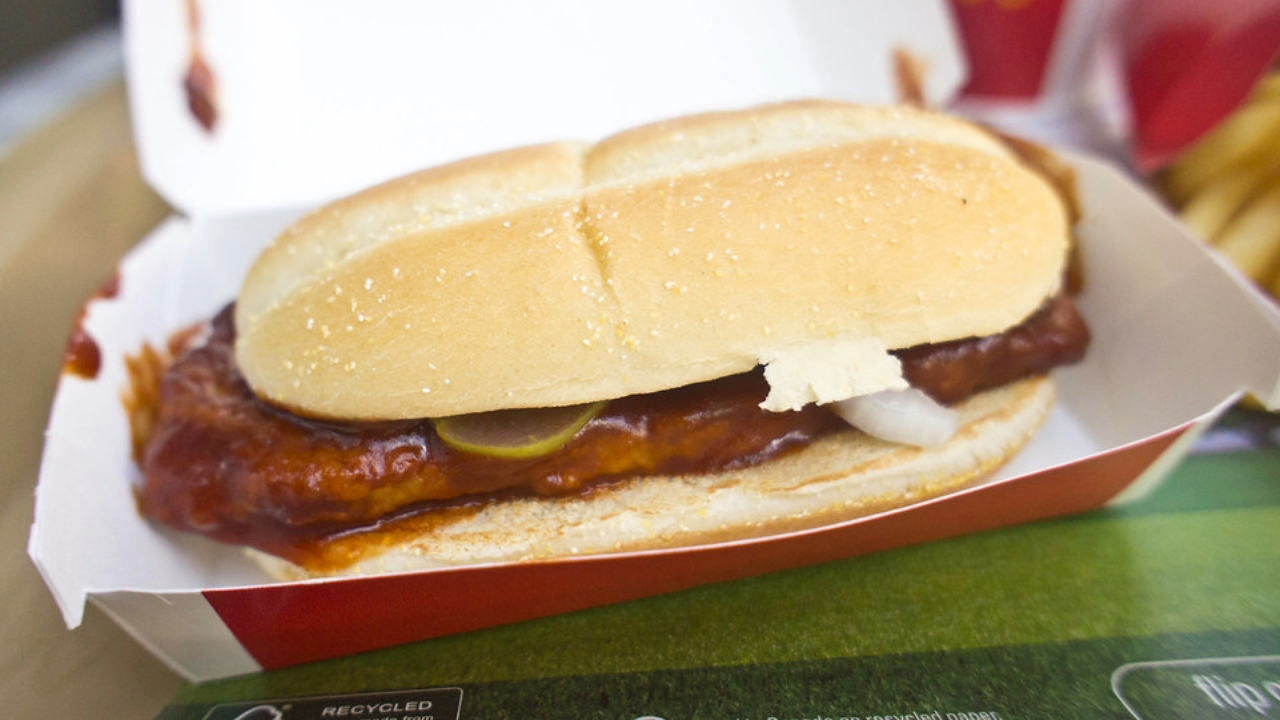
For over 40 years, the McRib has sparked fan frenzy with its fleeting returns, mimicking a char-grilled rack of ribs on a bun. Now, that signature look fuels a federal class-action lawsuit accusing McDonald’s of misleading consumers about its contents.
A New Flashpoint in Food Trust
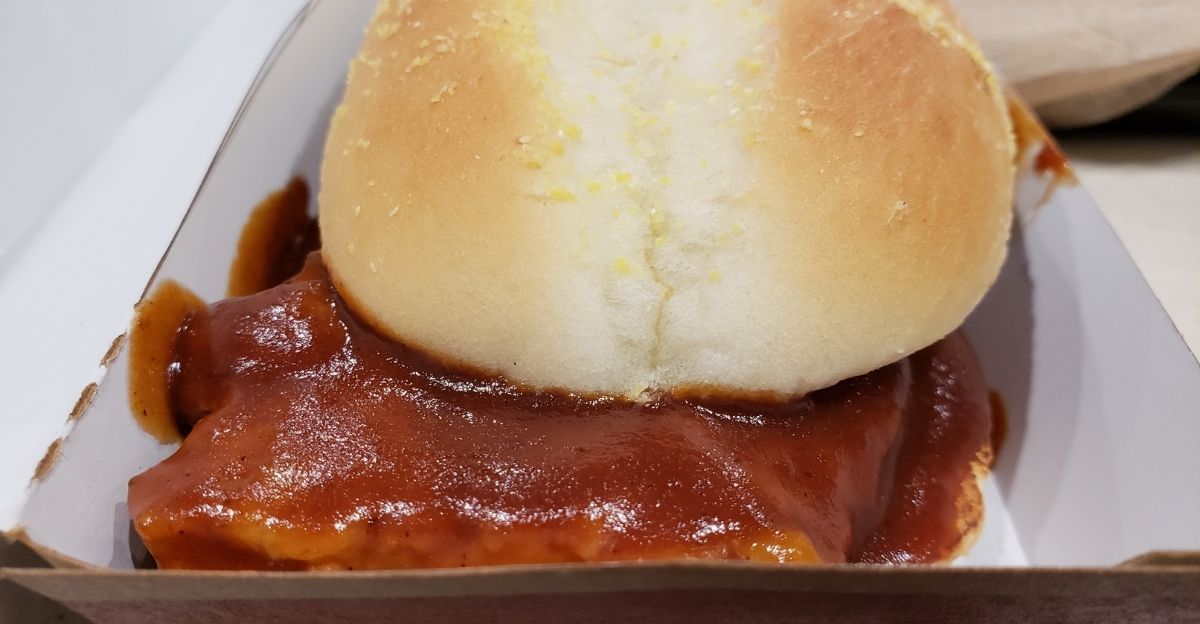
Fast-food chains increasingly face legal challenges over menu descriptions and images. This case stands out by targeting the McRib, a cultural phenomenon tied to nostalgia and limited-time hype, elevating a marketing dispute into questions about honesty in processed foods.
The McRib’s Carefully Built Myth
Launched in 1981, the sandwich gained allure through scarcity, driving social media excitement and premium pricing. Its rib-like shape evoked backyard barbecue, but plaintiffs claim this fosters deception by implying real rib meat, when the patty uses restructured pork instead.
Mid-2020s economic pressures, including inflation, prompted diners to scrutinize value amid warnings about ultra-processed foods. McDonald’s reported in 2025 that middle- and lower-income traffic dropped double digits, heightening focus on ingredients and costs.
The Lawsuit That Lit the Fuse
On December 23, 2025, four plaintiffs from California, New York, Illinois, and Washington, D.C., sued McDonald’s USA in the U.S. District Court for the Northern District of Illinois. They seek class status for McRib buyers over the past four years, potentially covering millions across 13,500 U.S. locations. The core claim: the name “McRib” and rack shape mislead reasonable consumers into expecting actual pork rib meat, a pricier cut.
The Ingredient and Pricing Debate

McDonald’s lists the McRib as seasoned boneless pork from U.S. sources, denying any hearts, tripe, or scalded stomach. Plaintiffs argue the label obscures restructured meat technology—developed in the 1970s by Dr. Roger Mandigo at the University of Nebraska, funded by the National Pork Producers Council—which binds smaller pork pieces into shape. At prices up to $7.89 in some markets, they contend buyers overpaid expecting premium ribs, especially amid economic strain.
McDonald’s Response and Legal Hurdles
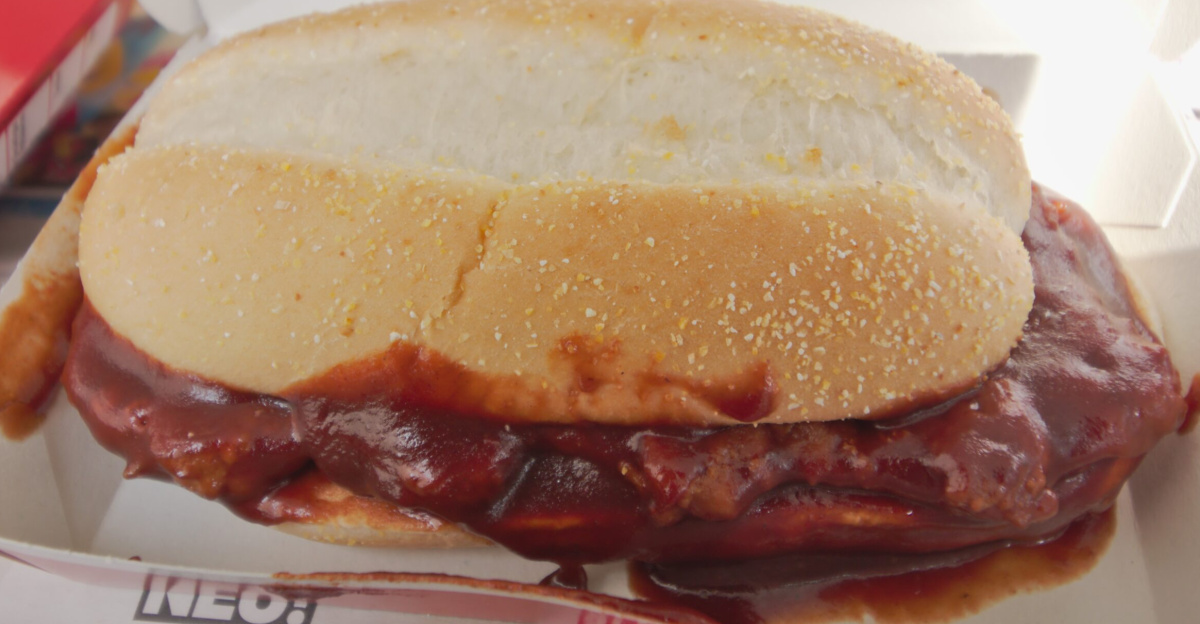
McDonald’s calls the suit meritless, stressing 100 percent pork and available ingredient info. The case turns on the “reasonable consumer” standard: whether visuals and naming outweigh labels describing it as boneless. Class certification faces obstacles, as courts often dismiss similar claims as puffery, and buyer motives vary from taste to novelty.
Public reaction splits online—some see it as frivolous, others as valid critique of hype versus reality. The suit coincides with regulatory pushes for clearer labeling on processing, contrasting U.S. norms with stricter EU rules requiring terms like “reconstituted meat.”
Broader stakes loom for an industry reliant on restructured products. A win for plaintiffs could spur challenges to naming and imagery elsewhere, prompting disclosure changes. Even if dismissed, litigation risks denting the McRib’s nostalgic pull, which powers its value. As food transparency demands grow, this dispute underscores tensions between tradition, innovation, and consumer expectations in fast food.
Sources:
McDonald’s hit with lawsuit claiming McRib contains no real rib meat.” Fox Business, 5 Jan 2026.
Roger Mandigo and the origins of the McRib sandwich.” Farm Progress, 14 Feb 2025.
McDonald’s sales rise despite industrywide lower-income consumer pullback.” Nation’s Restaurant News, 5 Nov 2025.
McDonald’s Sued Over McRib.” Today, 6 Jan 2026.