Major U.S. restaurant chains are shuttering nearly 1,000 underperforming locations through 2026, signaling a targeted push for efficiency amid shifting consumer habits and cost pressures. Starbucks closed approximately 500 cafés in North America as part of CEO Brian Niccol’s efficiency initiative.
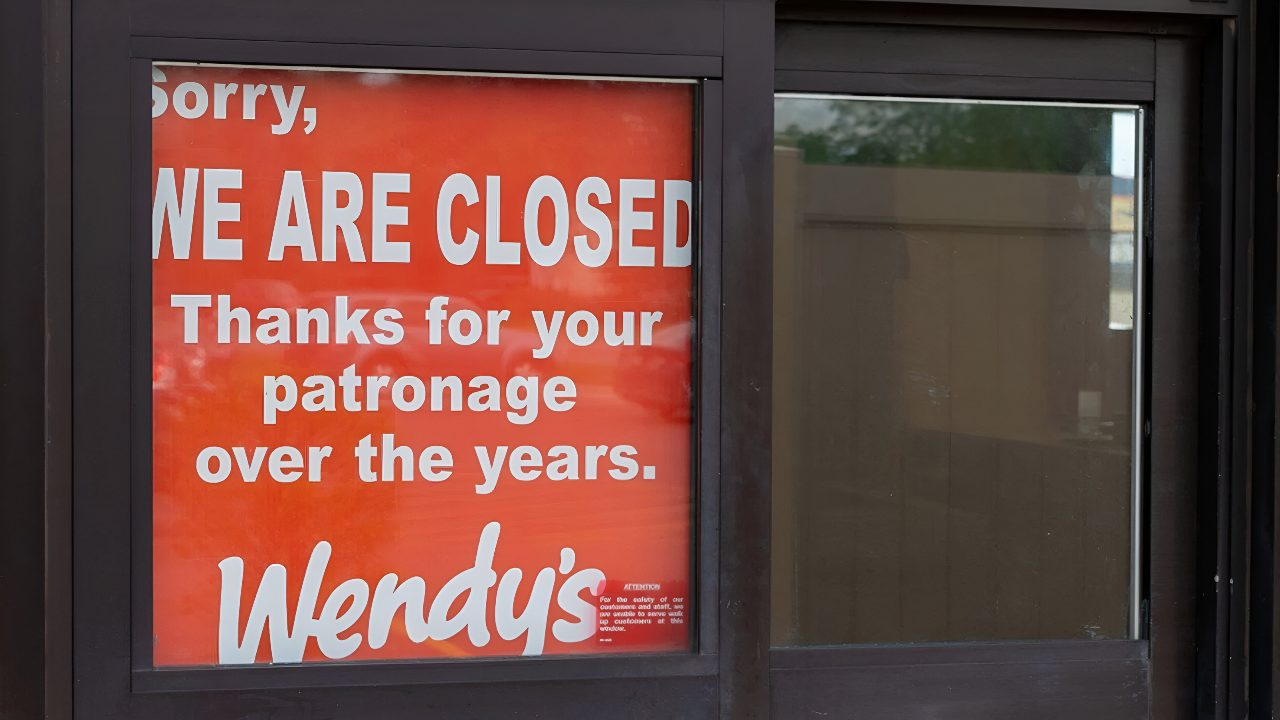
Wendy’s interim CEO Ken Cook disclosed plans to close 200 to 350 sites from its 6,000 U.S. locations, with closures starting late 2025 through 2026. Jack in the Box aims to close 150 to 200 outlets under its “Jack on Track” turnaround initiative by 2026. Denny’s shuttered 70 to 90 sites in 2025 and completed approximately 150 total closures by year-end, ahead of its early 2026 privatization.
Other chains followed suit: Papa John’s closed 62 U.S. sites in 2025 as part of 173 worldwide closures, On The Border shuttered 77 amid bankruptcy, Salad and Go exited Texas and Oklahoma with 32 closures by January 2026, and Noodles & Company shut 42 locations in 2025 with plans for 30 to 35 more in 2026, redirecting approximately one-third of sales to nearby winners.
Economic Pressures Reshape Consumer Dining Patterns
These moves come as food-away-from-home prices rose 3.7% year-over-year through September 2025, according to Bureau of Labor Statistics data, prompting chains to refine their networks. Budget pressures have curtailed restaurant visits, with industry traffic down approximately 1.5% by mid-2025.
Consumers increasingly favor groceries and home cooking as food and labor costs climbed around 35% each over the past five years, while menu prices increased 31% since 2020. Mid-tier outlets bear the brunt of these pressures. Denny’s lowest-performing stores generate $1.1 million in annual volume compared to $2.9 million at top sites, with high performers yielding $250,000 to $350,000 in EBITDA versus under $25,000 at laggards.
Chains view closures as a strategic way to bolster profitability at stronger units. Notably, overall U.S. restaurant shutdowns hit a seven-year low of 886 in April 2025—down 82% from 4,900 in January 2018, according to Datassential—underscoring that challenges cluster among big operators optimizing footprints rather than signaling widespread industry failure.
Employment Impact and Regional Wage Pressures

The roughly 1,000 closures could impact an estimated 7,500 to 15,000 positions based on typical staffing of 7 to 20 employees per site. However, the overall restaurant sector added approximately 150,000 net jobs in 2025, up from 129,500 in 2024, indicating underlying strength despite selective cutbacks.
Regional wage dynamics are reshaping employment patterns. New York restaurants shed more than 10,000 jobs from June 2024 to June 2025, linked to factors including a minimum wage increase to $17 per hour in New York City, Long Island, and Westchester—$16 elsewhere—effective January 1, 2026.
A National Bureau of Economic Research paper ties California’s $20-per-hour fast-food wage to approximately 18,000 job losses, representing a 2.3% to 3.9% employment drop. Operators face labor costs up 35% and food costs up similarly since the pandemic, forcing difficult decisions about staffing levels and operational efficiency.
Optimization Over Crisis
Targeted closures continue through 2026, supporting high-volume sites and improving system margins. Low overall closure rates and continued job growth suggest industry optimization rather than collapse, with deals like Denny’s $620 million privatization signaling investor confidence in leaner operations.
Consumers adapt through value menus, grocery deals, and home meals amid persistent inflation. Chains are exploring automation, employee retention tactics, and wage evolution strategies to navigate the challenging environment.
The stability of historically low closure rates points to a resilient sector positioned for refined growth, even as major operators shed their weakest performers to strengthen overall portfolio health and profitability.