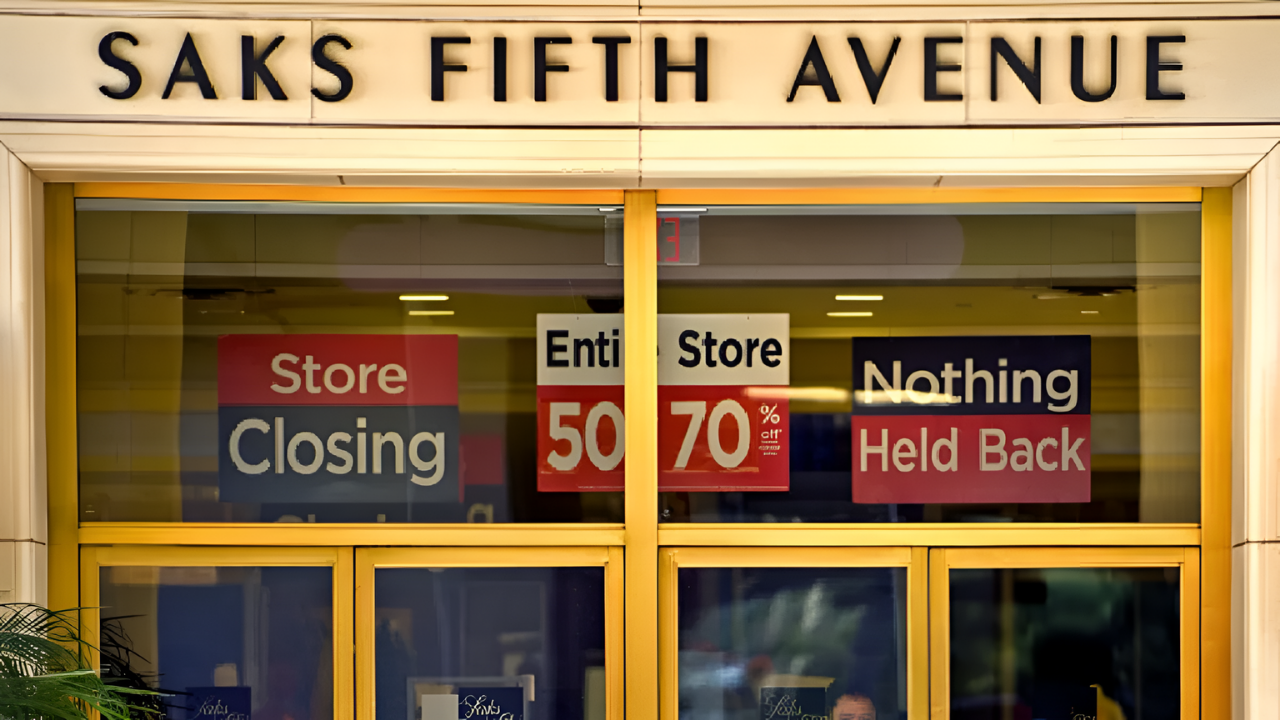
The collapse arrived after mounting pressure. In mid-January 2026, Saks Global, owner of Saks Fifth Avenue, Neiman Marcus, and Bergdorf Goodman, filed for Chapter 11 bankruptcy on January 13 after missing a $100 million interest payment due in late December 2025.
The filing capped years of financial strain and instantly placed one of America’s most iconic luxury retail empires into crisis, putting thousands of jobs, vendors, and customers into a state of uncertainty almost overnight.
The Bet That Backfired: A $2.7 Billion Merger
The roots of the collapse trace back to 2024, when Saks Global acquired Neiman Marcus for $2.7 billion. The deal was pitched as a scale-driven luxury powerhouse, but it loaded the combined company with $2.2 billion in debt.
Instead of stabilizing finances, the merger magnified cash-flow problems just as luxury spending softened and operational costs surged.
Debt Meets Decline: Sales Fell as Obligations Rose

Even before the merger closed, warning signs were visible. Saks Global reported double-digit quarterly sales declines beginning in early 2023.
As revenues weakened, debt servicing costs ballooned. By late 2025, the company could no longer keep up with interest obligations. The missed $100 million payment became the tipping point, transforming a slow-burn crisis into a full-scale financial emergency.
Emergency Lifeline: $1.75 Billion to Stay Open
To prevent immediate shutdowns, Saks Global secured $1.75 billion in debtor-in-possession financing. The funding allows stores, websites, payroll, and loyalty programs to continue operating during bankruptcy proceedings.
But the money buys time, not certainty. If restructuring efforts stall, inventory shortages, store closures, and service disruptions could accelerate quickly, reshaping the shopping experience customers once took for granted.
Leadership Whiplash at the Worst Moment

The bankruptcy coincided with dramatic leadership upheaval. CEO Marc Metrick resigned on January 2, 2026. Executive Chairman Richard Baker, who led Hudson’s Bay Company, which acquired Saks, for more than a decade, stepped down on January 13.
Former Neiman Marcus chief Geoffroy van Raemdonck was installed as CEO amid the chaos, tasked with steering the company through restructuring.
The Vendor Freeze: 140+ Brands Suddenly Cut Off
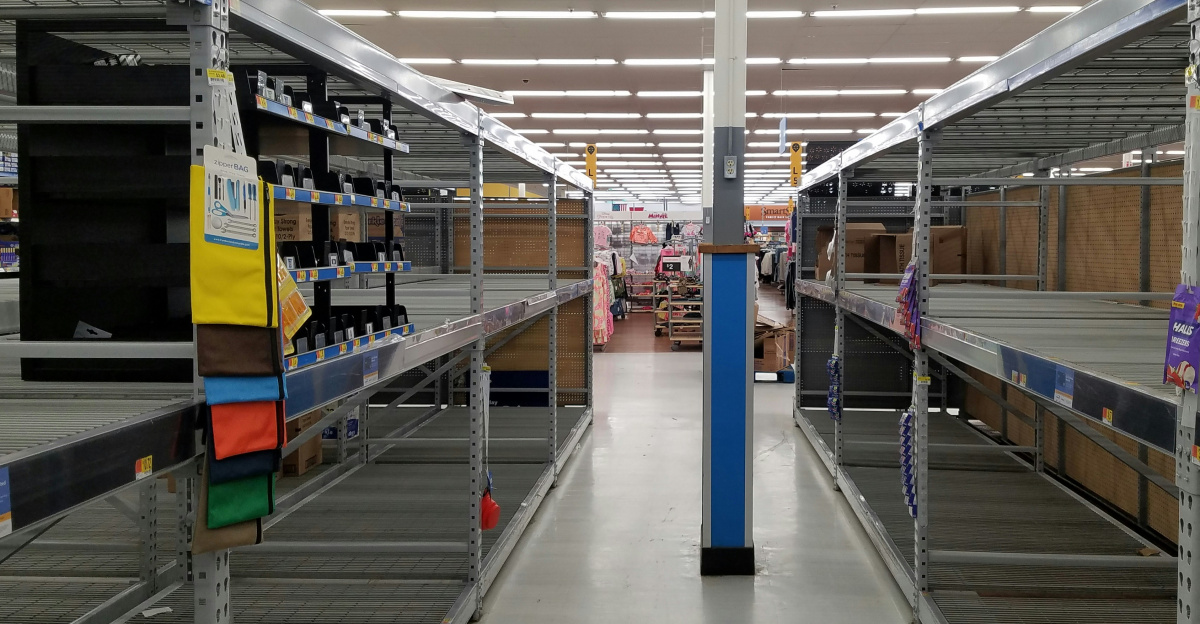
Behind the scenes, the supply chain was already breaking. Finance firm Hilldun, which guarantees purchase orders for fashion brands, halted approvals for its 140+ brand clients in early December 2025.
Without Hilldun’s backing, many brands stopped shipping inventory. Shelves thinned, seasonal launches stalled, and relationships built over decades unraveled in a matter of weeks.
Small Vendors Absorb the Pain First
For independent designers and manufacturers, the damage was immediate. Vendors reported significant unpaid invoices for 2025 shipments.
Bankruptcy filings revealed Saks Global owed over $700 million to its top 30 unsecured creditors alone, with luxury brands like Chanel owed $136 million. For small suppliers, the Saks collapse wasn’t abstract—it threatened payrolls, rent, and business survival.
Global Suppliers Feel the Shockwaves
The fallout extended well beyond U.S. borders. Italian leather workshops, French fashion houses, and Asian manufacturers with Saks exposure suddenly faced delayed payments and inventory risk. Currency swings and shipping costs compounded the strain.
For global luxury suppliers, the bankruptcy forced rapid reassessment of credit terms and distribution strategies tied to American department stores.
Workers in Limbo Across the Country
The company employs approximately 16,830 workers across Saks Fifth Avenue, Neiman Marcus, and Bergdorf Goodman locations nationwide. While stores remain open for now, restructuring typically brings layoffs, reduced hours, and store closures.
For retail employees, the bankruptcy introduced a prolonged period of uncertainty with few guarantees beyond the next payroll cycle.
Court Control: Restructuring Begins
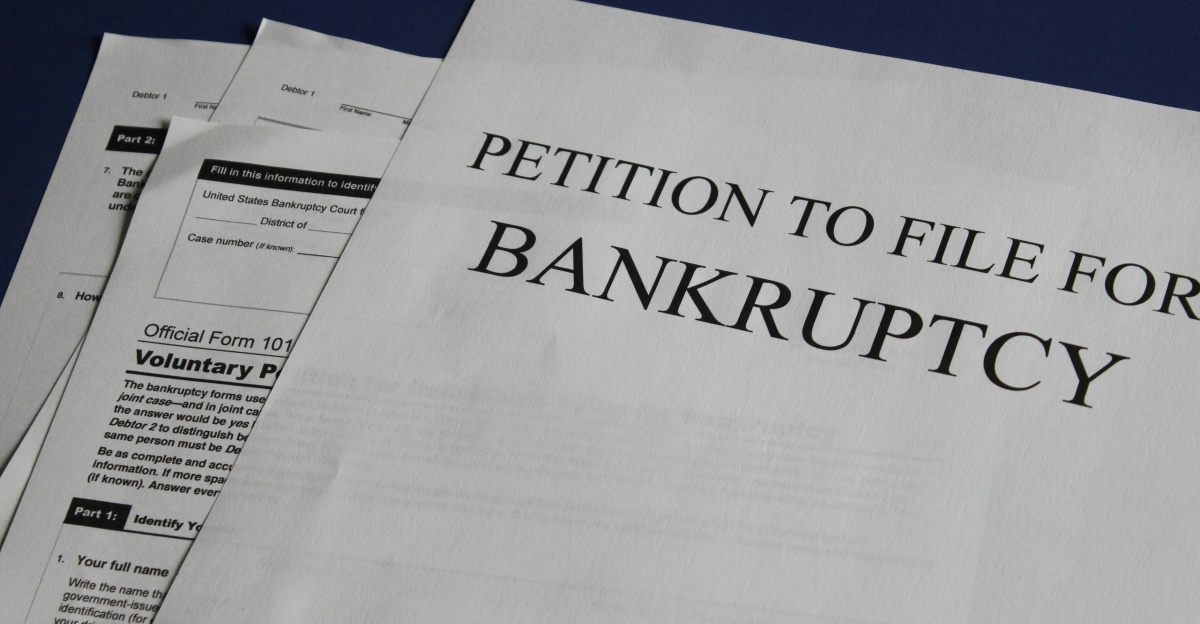
The Chapter 11 case shifted control to bankruptcy court oversight. Creditors, vendors, and lenders now negotiate under judicial supervision as Saks Global seeks to restructure debt, renegotiate contracts, and potentially sell assets.
Vendors must file claims to recover unpaid balances, while the company decides which stores, brands, and operations remain viable long-term.
A Warning Signal for Luxury Retail

Analysts warn the Saks collapse could chill confidence across the luxury sector. Credit terms may tighten for other department stores, and investors are reassessing the assumption that luxury retail is recession-proof.
The bankruptcy reinforced concerns already flagged by earlier credit downgrades, highlighting systemic vulnerability in debt-heavy retail models.
Competitors Move In Fast
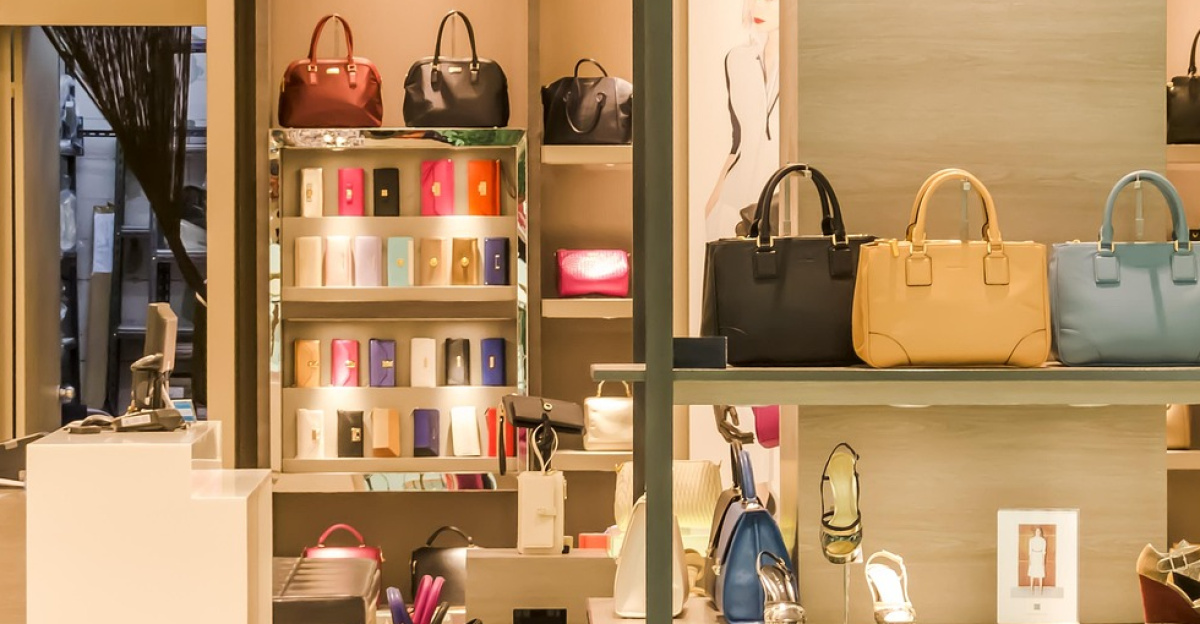
As Saks restructures, rivals are already circling. Luxury conglomerates and brand-owned boutiques are positioned to absorb displaced customers.
Digital-first platforms and resale marketplaces benefit as shoppers seek alternatives. The disruption accelerates a shift away from department stores toward direct-to-consumer and platform-based luxury shopping.
Fifth Avenue Feels the Fallout
Saks Fifth Avenue’s Manhattan flagship has anchored luxury tourism for generations. Its financial distress threatens nearby restaurants, hotels, and retailers that rely on high-end foot traffic.
The bankruptcy risks weakening one of New York City’s most iconic shopping corridors at a time when urban retail is still recovering from pandemic-era disruptions.
The Hidden Supply Chain Casualties
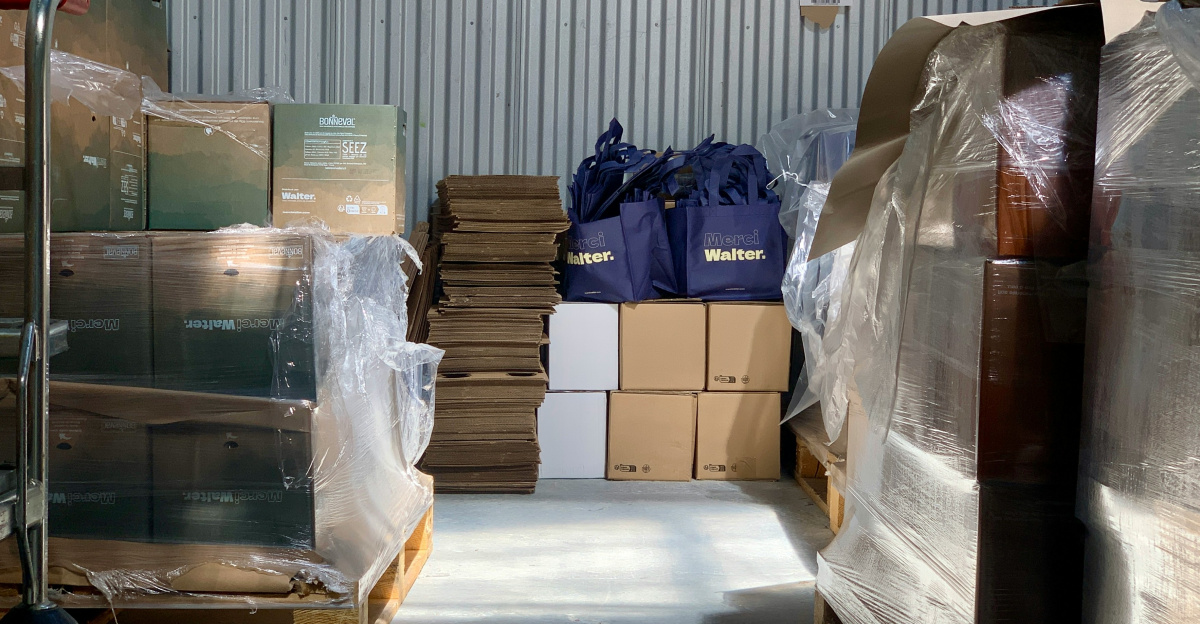
Beyond fashion brands, dozens of supporting industries face exposure. Logistics providers, packaging suppliers, marketing agencies, technology vendors, and warehouse operators tied to Saks may see reduced contracts or slower payments.
The ripple effect stretches far beyond the sales floor, touching nearly every layer of the retail ecosystem.
Consumer Trust Takes a Hit
International shoppers watching the bankruptcy may rethink buying luxury goods through U.S. department stores altogether.
The episode reinforces perceptions that American retail intermediaries are financially fragile. Brands increasingly prefer controlling their own customer relationships, limiting reliance on third-party retailers with uncertain balance sheets.
Resale and Sustainability Gain Momentum
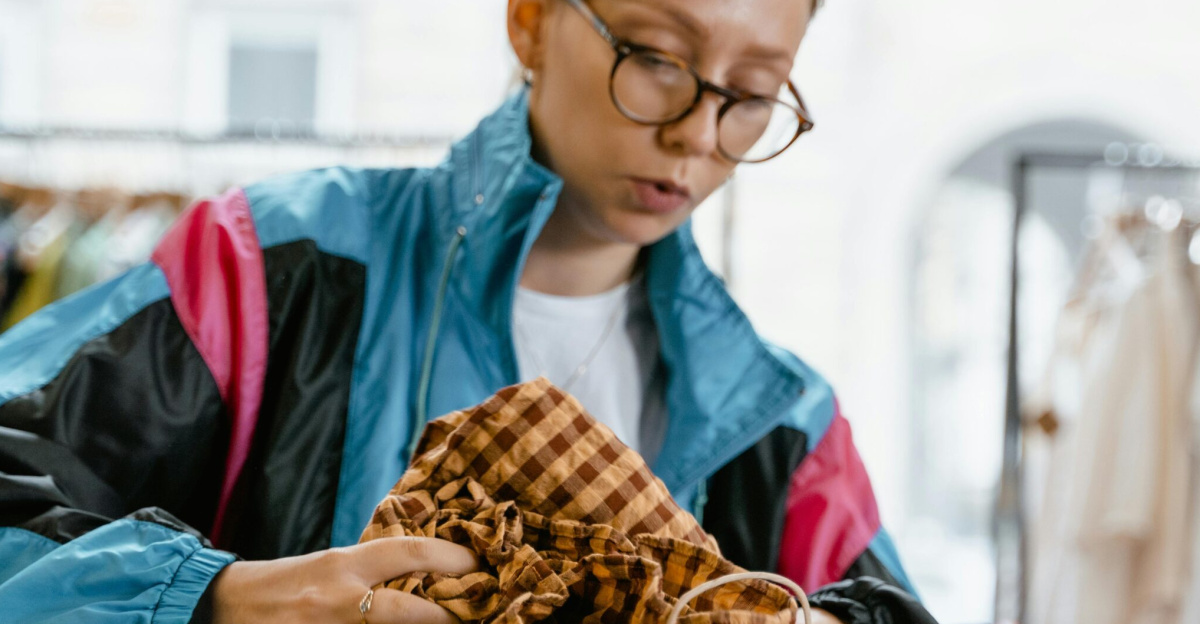
The turmoil further accelerates growth in secondhand luxury and resale platforms. Budget-conscious consumers and sustainability-minded shoppers turn to circular fashion markets rather than traditional department stores.
The Saks collapse validates a broader shift in how luxury goods are discovered, purchased, and valued.
The Bigger Debate: Are Department Stores Finished?

Retail experts see the bankruptcy as symbolic.
Former Columbia Business School retail director Mark Cohen described Saks’ trajectory as a “train wreck,” arguing the department store model has failed to adapt to digital commerce, social media influence, and brand-controlled distribution.
Winners, Losers, and Opportunists

E-commerce platforms, resale marketplaces, and real-estate investors may emerge as winners. Prime Saks locations could be repurposed or redeveloped.
Meanwhile, small vendors and legacy brands lose a major sales channel. The redistribution of value reshapes who profits—and who pays—for retail disruption.
The Long Road Out of Chapter 11

Restructuring will take months, possibly years. Saks Global must renegotiate billions in debt, stabilize vendor relationships, and restore consumer confidence.
Store closures, brand exits, and asset sales remain likely. Whether the company emerges leaner—or fractures further—depends on execution and market conditions beyond its control.
Final Reflection: A Luxury Lesson Written in Debt
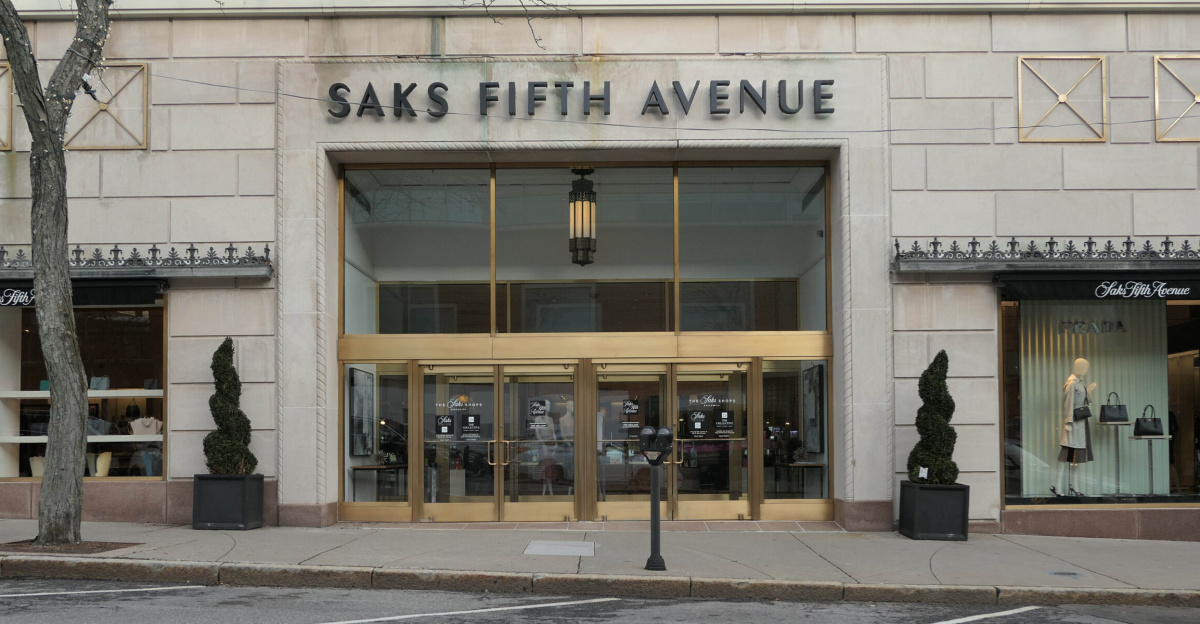
The Saks Global bankruptcy stands as a cautionary tale. A $2.7 billion merger meant to create strength instead amplified weakness. Heavy leverage, declining sales, and delayed payments proved fatal. Neiman Marcus itself had filed for bankruptcy in 2020 before emerging and being acquired.
As luxury retail evolves, the collapse raises a stark question: in an era of direct-to-consumer dominance, can iconic department stores still survive—or are they relics of a fading retail age?
Sources:
“Saks Global files for bankruptcy protection.” CNBC, 14 Jan 2026.
“Saks C.E.O. Steps Down as Company Struggles to Pay Bills.” The New York Times, 2 Jan 2026.
“Chanel, Kering top luxury who’s who of Saks Global unsecured creditors.” Reuters, 14 Jan 2026.
“Saks owes hundreds of millions to luxury brands from Chanel to Burberry.” Business Insider, 13 Jan 2026.