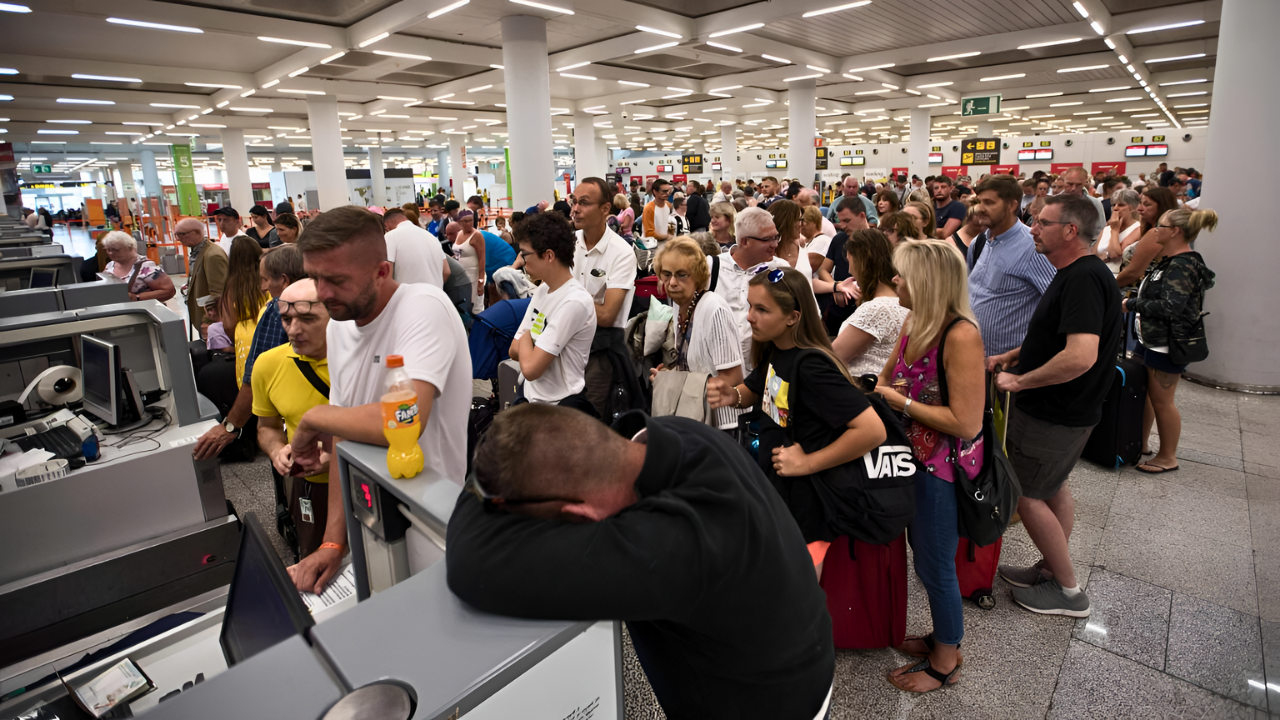
The aviation industry entered 2026 with an unexpected jolt. Two carriers—one in Southeast Asia, one in South Asia—abruptly halted operations within days of each other.
Thousands of ticketed passengers faced canceled flights and uncertain refunds. The back-to-back collapses signal fragility in regional and charter aviation, where thin margins and post-pandemic recovery pressures collide.
Industry analysts are watching closely to see if this marks the beginning of a broader wave of airline failures.
A Bloodbath Year Continues
The airline industry suffered a “bloodbath” in 2025, with Spirit Airlines filing for Chapter 11 bankruptcy for the second time, while Ravn Alaska, Corporate Air, Play Airlines, and Braathens ceased operations or entered liquidation.
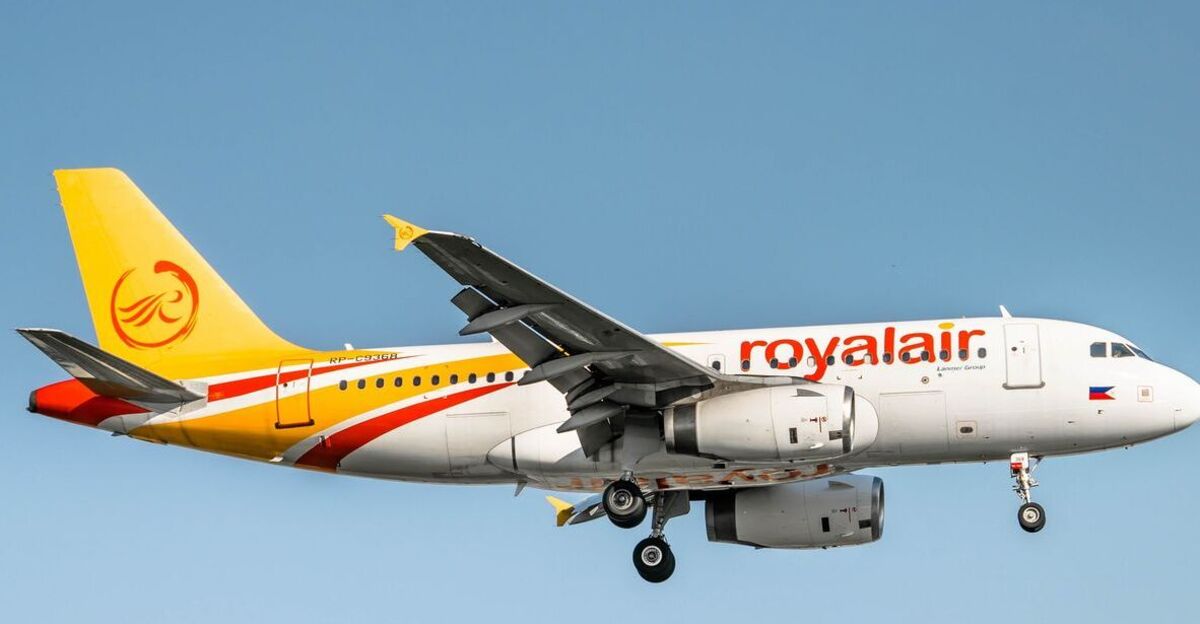
That turbulence carried into January 2026. The collapse of Royal Air Philippines and Dove Airlines within 24 hours suggests the sector remains under severe stress.
Budget carriers and regional operators—already weakened by years of losses—face mounting creditor pressure and grounded fleets. Experts warn that 2026 could see more casualties.
Royal Air’s Two-Decade Struggle
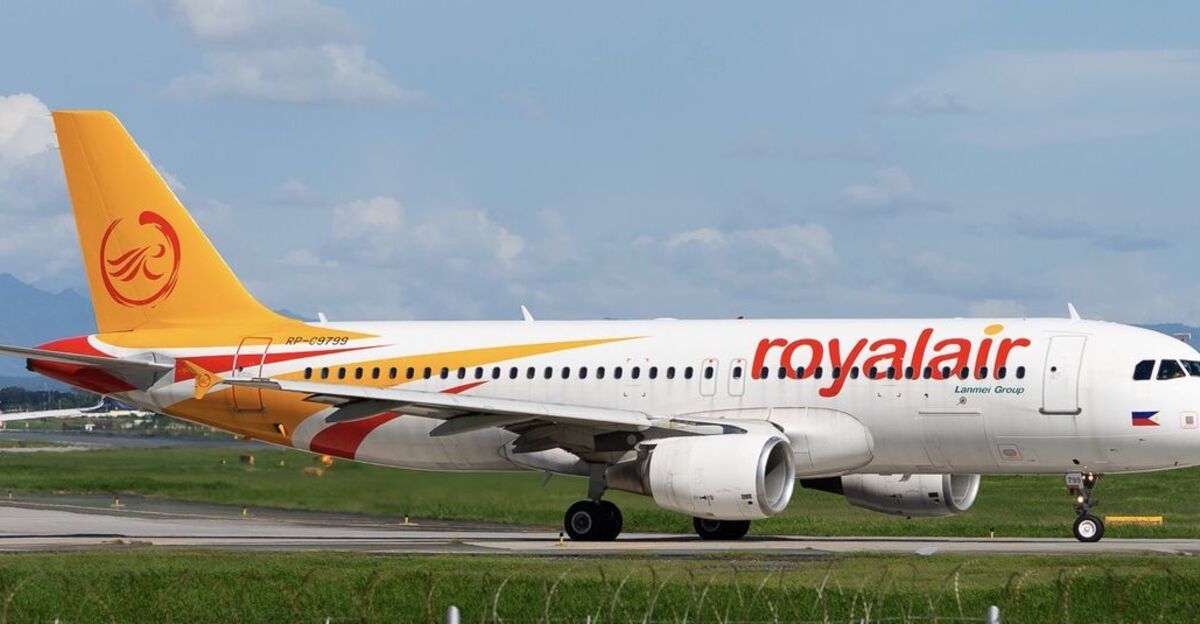
Royal Air Philippines was founded in 2002 and received its commercial license in 2017. The carrier expanded to international destinations including Cambodia, China, South Korea, Hong Kong, and Taiwan.
However, financial pressures mounted steadily. The airline’s transition to a low-cost model and expansion into Asian markets generated modest growth in 2023–2024, but geopolitical tensions between China and the Philippines, combined with fierce competition from Philippine Airlines and Cebu Pacific, eroded the airline’s customer base.
By 2025, passenger numbers had collapsed dramatically as Chinese and Korean tourists—key to the airline’s route network—stayed away.
Dove Airlines: Grounded Since 2022
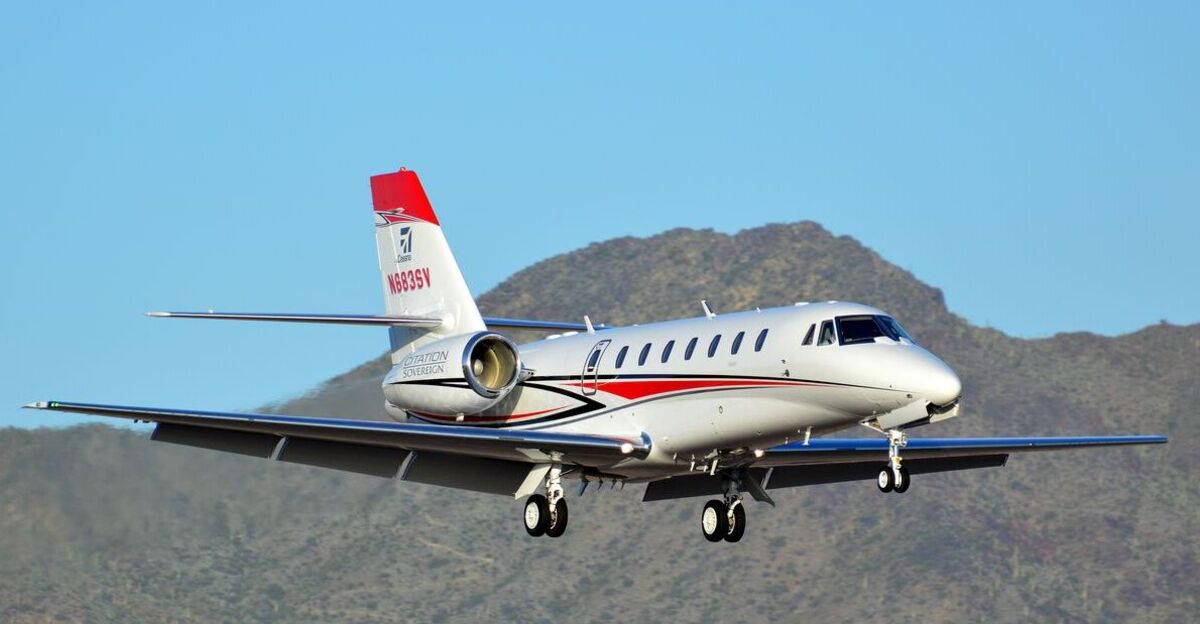
Dove Airlines, an Indian charter carrier founded in 2007, had been effectively defunct for years. The airline lost its last Cessna CitationJet aircraft to creditors in 2022 after the manufacturing company Usha-Martin divested its 50% stake in 2015 amid sustained financial losses.
Despite holding a license, Dove had not operated a single flight in nearly four years. Despite reporting a modest revenue of ₹23.9 lakh (~$2,600 USD) in fiscal year 2024, the airline’s voluntary liquidation in January 2026 formalized what was already a reality: the carrier was financially and operationally dead.
The Collapse: January 4–5, 2026
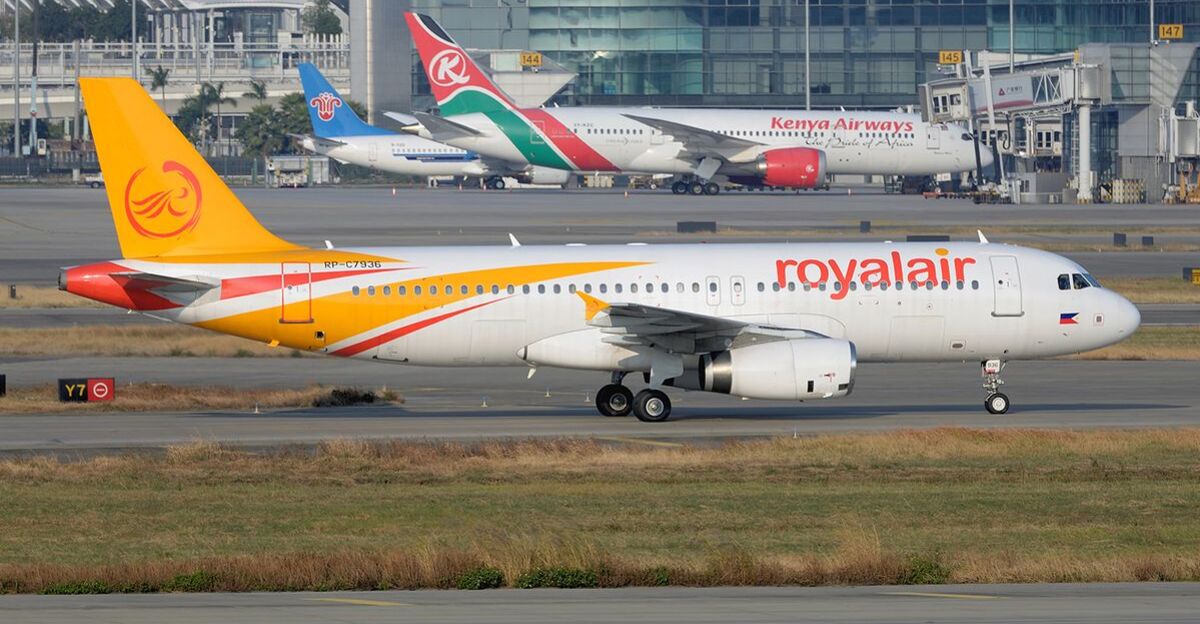
Royal Air Philippines canceled all commercial flights on January 4, 2026, entering Chapter 7 bankruptcy liquidation. The decision left approximately 3,000 to 4,000 passengers with scheduled flights through March 2026 stranded without service.
One day later, on January 5, Dove Airlines formally entered voluntary liquidation under India’s National Company Law Tribunal (NCLT).
Both airlines ceased operations within 24 hours. The timing—at the start of a new year—amplified the shock and disruption to the traveling public.
Passengers Left in Limbo
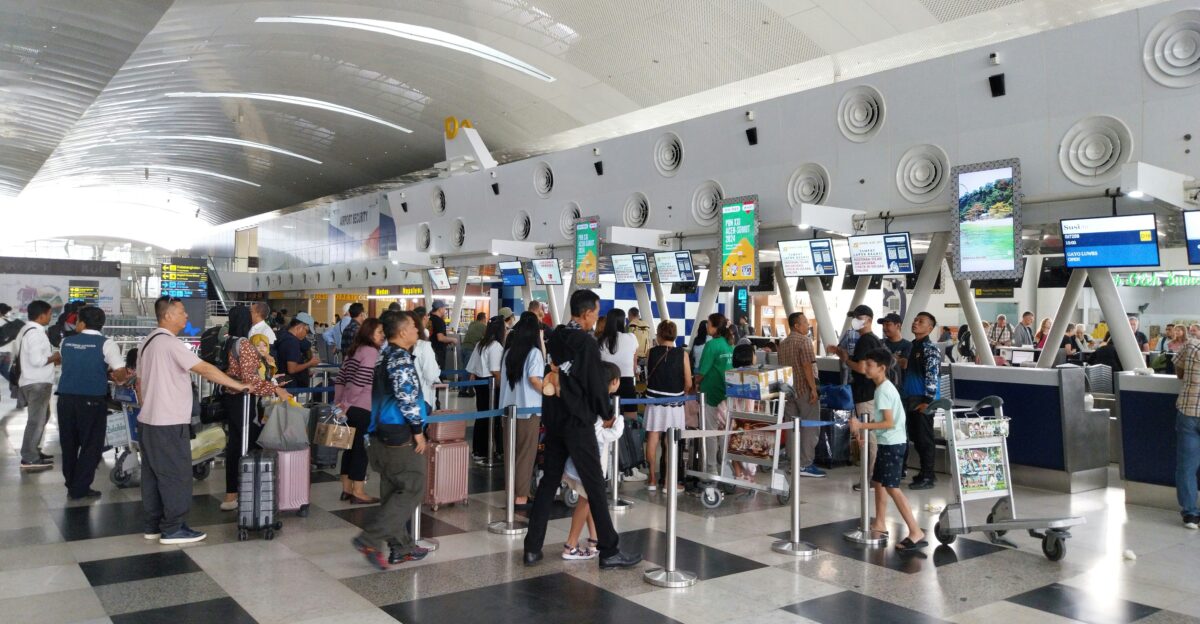
The 3,000 to 4,000 affected passengers faced immediate uncertainty. Those with bookings through March 2026 discovered their flights were canceled and their tickets were worthless.
Royal Air’s statement—”welcoming you aboard soon”—rang hollow as liquidation proceedings began. Passengers scrambled to rebook on competing carriers or seek refunds, often at premium prices during peak travel season.
The collapse offered no advance warning, leaving families and business travelers with minimal time to arrange alternatives or recover costs.
The Human Cost of Insolvency
Thousands of individual travelers bore the brunt of the collapse. Business professionals missed meetings. Families postponed vacations. Students’ delayed return trips. Many passengers had no recourse beyond filing claims in bankruptcy court—a process that typically recovers only cents on the dollar.
The lack of advance notice meant no opportunity to transfer tickets or seek compensation before the airlines ceased operations.
For vulnerable travelers—elderly passengers, those with medical needs, families with young children—the disruption created genuine hardship and financial loss.
Regulatory Oversight and Creditor Claims
India’s National Company Law Tribunal (NCLT) and the Insolvency and Bankruptcy Board of India (IBBI) assumed oversight of Dove Airlines’ liquidation. A court-appointed liquidator, Pranab Kumar Chakrabarty, was tasked with managing the winding-up process.
Creditor claims were due by February 4, 2026. The formal insolvency framework provided structure but offered little comfort to stranded passengers.
Creditors—aircraft lessors, fuel suppliers, and employees—would compete for limited assets, with passenger refunds typically ranking low in priority.
The Broader Industry Context
Regional and charter carriers operate on razor-thin margins. Post-pandemic recovery has been uneven, with leisure travel rebounding faster than business travel.
Fuel costs remain elevated. Labor shortages persist. Aircraft leasing companies have grown more aggressive in reclaiming jets from financially distressed operators. Low-cost carriers, in particular, struggle to compete with larger, better-capitalized competitors.
The collapse of Royal Air and Dove reflects systemic vulnerabilities in the aviation ecosystem—vulnerabilities that may trigger additional failures in 2026.
Aircraft Lessors’ Leverage
A critical but overlooked factor emerges: aircraft lessors hold enormous power over struggling carriers. Dove Airlines lost its last jet to creditors in 2022, effectively ending operations years before formal liquidation.
Lessors can ground aircraft with minimal notice, crippling an airline’s ability to generate revenue. This dynamic—where lessors prioritize asset recovery over airline survival—has become a flashpoint in aviation insolvency.
The collapse of Royal Air and Dove underscores how leasing arrangements can accelerate airline failure.
Financial Stress and Stakeholder Frustration

Royal Air Philippines’ financial struggles were no secret to industry observers. The airline’s passenger numbers plummeted amid geopolitical tensions and intensifying competition.
Creditors—fuel suppliers, maintenance contractors, airport operators—grew increasingly frustrated as the carrier fell behind on payments. Employees faced wage delays and job insecurity.
The airline’s pivot to a low-cost model, intended to stabilize finances, failed to reverse the decline. By early January 2026, stakeholders recognized that Royal Air’s situation was terminal.
Leadership Decisions and Timing
Royal Air’s decision to cease operations on January 4 was likely driven by a combination of factors: dwindling cash reserves, inability to secure additional financing, and mounting creditor pressure. The airline’s leadership chose liquidation over a prolonged, painful decline.
For Dove Airlines, the January 5 liquidation formalized a reality that had existed since 2022. Both decisions reflected management’s recognition that recovery was impossible.
The timing—early in the year—may have been strategic, allowing for orderly asset disposition before cash reserves were completely depleted.
Attempted Recoveries and Strategic Pivots
Royal Air Philippines had attempted a strategic pivot to a low-cost carrier model in response to financial pressures. The airline expanded to international destinations and invested in route development, including direct service between Taipei and Boracay.
These efforts generated a modest recovery in 2023–2024. However, the gains proved unsustainable. Competitive pressure from larger carriers, rising fuel costs, and post-pandemic demand volatility overwhelmed the airline’s recovery efforts.
Geopolitical tensions between China and the Philippines destroyed the airline’s core customer base, and by 2025, the strategy had collapsed.
Expert Skepticism and Outlook
Aviation analysts had grown increasingly skeptical about regional and charter carriers’ long-term viability. The 2025 wave of airline failures—including Spirit’s second bankruptcy filing, along with the liquidation of Ravn Alaska, Corporate Air, Play Airlines, and Braathens—demonstrated that even established carriers could fail rapidly.
Experts warned that 2026 would likely see additional airline collapses, particularly among operators with weak balance sheets and limited access to capital.
The collapse of Royal Air and Dove validated these concerns. Industry observers now scrutinize other regional carriers for signs of financial distress, anticipating further consolidation and failures.
What Comes Next for Stranded Passengers?
Stranded passengers face a complex path forward. Those seeking refunds must file claims in bankruptcy court, competing with creditors for limited assets.
Bankruptcy law typically prioritizes secured creditors (aircraft lessors) and employees over unsecured creditors (passengers). Many passengers will recover only a fraction of their ticket costs, if anything. Some may pursue chargeback claims with credit card companies.
Others will absorb the loss. The collapse underscores the vulnerability of airline passengers when carriers fail without warning.
Regulatory and Policy Implications
The collapse of Royal Air and Dove raises questions about aviation regulation and consumer protection. Should regulators require airlines to maintain minimum cash reserves or insurance to protect passengers in case of insolvency?
Should bankruptcy law prioritize passenger refunds over other creditors? Different jurisdictions have adopted different approaches.
The Philippines and India may face pressure to strengthen consumer protections and early-warning systems for airline financial distress. The 2026 collapses may catalyze regulatory reform.
International Ripple Effects
Royal Air Philippines’ international routes—to Cambodia, China, South Korea, Hong Kong, and Taiwan—are now abandoned. Passengers in those countries who booked connecting flights through Royal Air face disruption.
Regional aviation networks in Southeast Asia lose a carrier, potentially reducing competition and increasing fares on remaining routes.
Dove Airlines’ collapse affects India’s charter aviation sector, where capacity is already limited. The international dimension of these collapses extends the disruption beyond the home countries.
Labor and Employment Consequences
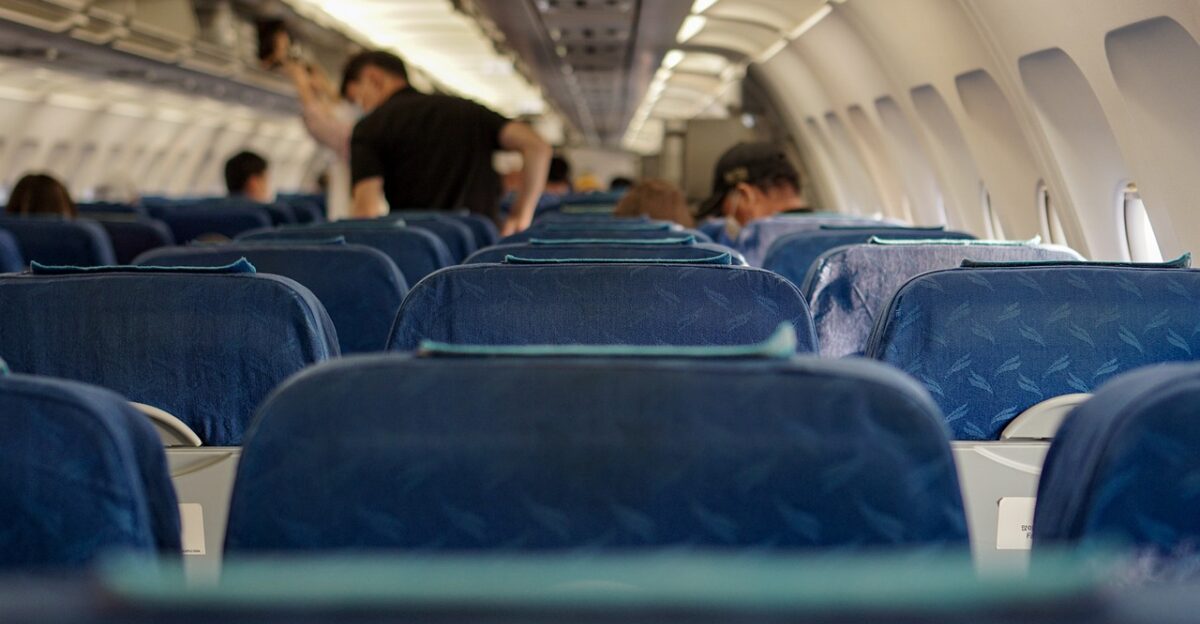
Royal Air Philippines and Dove Airlines employed hundreds of workers—pilots, flight attendants, ground crew, maintenance technicians, and administrative staff.
The sudden collapse left employees without jobs and, in many cases, unpaid wages. In bankruptcy proceedings, employee claims rank ahead of passenger refunds but behind secured creditors. Workers face the dual burden of job loss and financial uncertainty.
The collapse illustrates how airline insolvency cascades through supply chains and labor markets, affecting not just passengers but entire communities dependent on aviation employment.
Cultural and Generational Shifts in Travel Trust
The collapse of Royal Air and Dove reflects a broader erosion of trust in regional and budget carriers. Younger travelers, who grew up with low-cost airlines, may reassess their willingness to book with unfamiliar carriers.
The 2025 wave of failures and 2026 collapses signal that budget aviation carries hidden risks. Passengers may increasingly prefer larger, better-capitalized carriers—even at higher fares—to reduce the risk of insolvency.
This shift could accelerate consolidation in the aviation industry and reduce competition, ultimately harming consumers by driving up prices.
What This Signals About Aviation’s Future
The collapse of Royal Air Philippines and Dove Airlines in January 2026 is not an isolated incident—it is a symptom of systemic fragility in regional and charter aviation.
Post-pandemic recovery has been uneven. Fuel costs remain elevated. Aircraft leasing arrangements favor creditors over airlines. Regulatory protections for passengers are weak. Unless the industry and policymakers address these underlying vulnerabilities, 2026 will likely see additional airline failures.
The question is not whether more carriers will collapse, but how many passengers will be stranded before meaningful reform occurs.
Sources:
Ainvest – “Airlines in Trouble: Royal Air Philippines and Dove Airlines Cease Operations Amid Financial Challenges” – 11 Jan 2026
98 Rock iHeart – “Popular Airline Cancels All Flights Amid Bankruptcy Liquidation” – 13 Jan 2026 TravelTourister – “Royal Air Philippines SHUTS DOWN: All Flights Cancelled January 2026, Passengers Stranded” – 13 Jan 2026
Insolvency Tracker – “Dove Airlines Enters Final Tailspin; Commences Voluntary Liquidation Process” – 10 Jan 2026