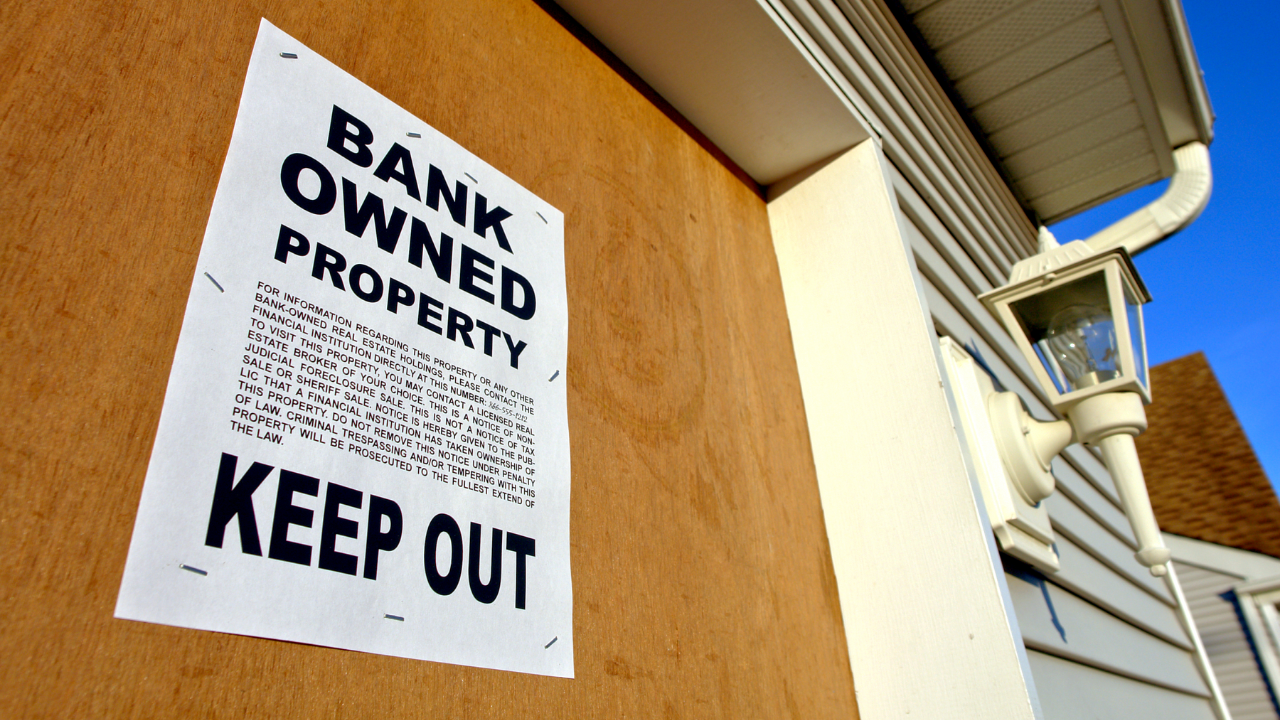
In 2025, U.S. banks launched foreclosure proceedings on 367,460 properties, a 14% rise from the year before, amid the weakest job growth since 2003 at just 584,000 positions added.[1][2][3] This convergence of housing distress and labor market slowdown has strained families nationwide, exposing vulnerabilities as pandemic-era protections fade.
Why Foreclosures Are Rising
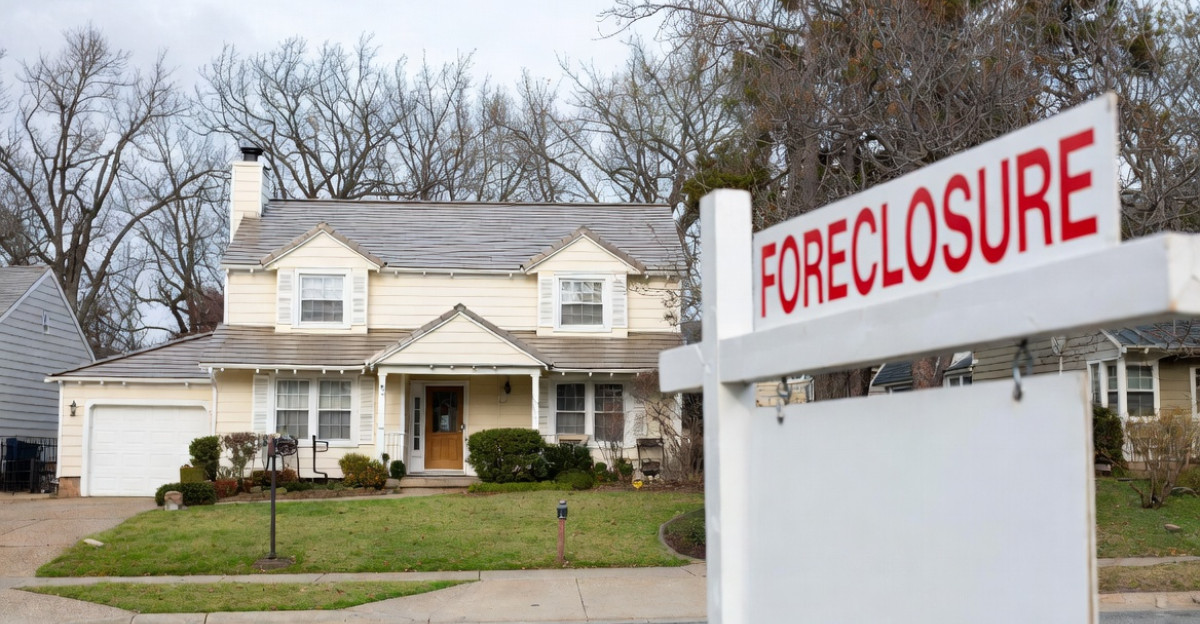
The surge stems from the housing market’s return to pre-pandemic norms, with forbearance programs ending and underlying economic frailties surfacing. Homeowners grapple with climbing property insurance rates—particularly in Florida—and higher taxes, prompting defaults. Weak job creation has intensified financial pressures, leaving many unable to cover mortgage payments despite unemployment holding at 4.4%.
Hotspot States Under Strain

Florida led with the highest foreclosure rates, affecting 1 in 230 homes and reaching 0.44% statewide; Lakeland topped metro areas at 1 in 145 homes. Delaware and Nevada followed, while Illinois (1 in 248 homes) and South Carolina saw sharp increases. Cities like Columbia, South Carolina (1 in 165), Jacksonville, Florida (1 in 200), Cape Coral, Florida (1 in 189), Cleveland, Ohio (1 in 187), and Orlando, Florida (1 in 217) faced elevated risks, amplifying local economic tensions.
Lender Actions and Rental Shifts
Mortgage servicers ramped up efforts, filing 35,651 foreclosures in November 2025—a 21% year-over-year jump—signaling a shift back to typical levels post-forbearance. Displaced owners flooded rental markets in affected areas, tightening supply and driving up demand. This influx has reshaped housing dynamics, with real estate agents noting more distressed listings amid soft buyer interest tied to job market woes.
Expert Views and Policy Debates

Analysts differ on the trend: some, like ATTOM’s Rob Barber, view it as post-pandemic normalization, while others flag weak employment and rising costs as harbingers of wider trouble. States like Florida and Delaware are weighing relief measures, and federal officials track the data closely. Investors remain cautious, watching for parallels to 2008-2010 peaks, though current levels stay below those highs. Realtors adapt to higher insurance and taxes eroding affordability, with builders scaling back in uncertain metros.
Outlook for 2026

Foreclosure filings signal potential acceleration into next year, intertwined with stagnant job growth that could curb consumer spending and ripple into retail and hospitality. Homeowners face mounting insurance, taxes, and mortgage burdens; experts urge reviewing finances, exploring refinancing, or consulting HUD-approved counselors for early intervention. Policymakers and markets will monitor housing and employment indicators closely, as their linkage will shape whether this proves a temporary adjustment or deeper downturn, affecting household stability and economic health ahead.
Sources: “U.S. Foreclosure Activity Increases in 2025.” ATTOM Year-End U.S. Foreclosure Market Report (via PR Newswire), 15 Jan 2026.
“U.S. Foreclosure Activity Increases in 2025.” ATTOM Year-End U.S. Foreclosure Market Report (syndicated on Yahoo Finance), mid Jan 2026.
“US job growth stuck at stall speed in December.” Reuters, 9 Jan 2026 (covering 584,000 jobs added in 2025 and weakest growth since 2003).
“US job growth slows in December, unemployment drops.” The Atlanta Voice, 11 Jan 2026 (summarizing BLS data on 2025 job gains and 4.4% unemployment).