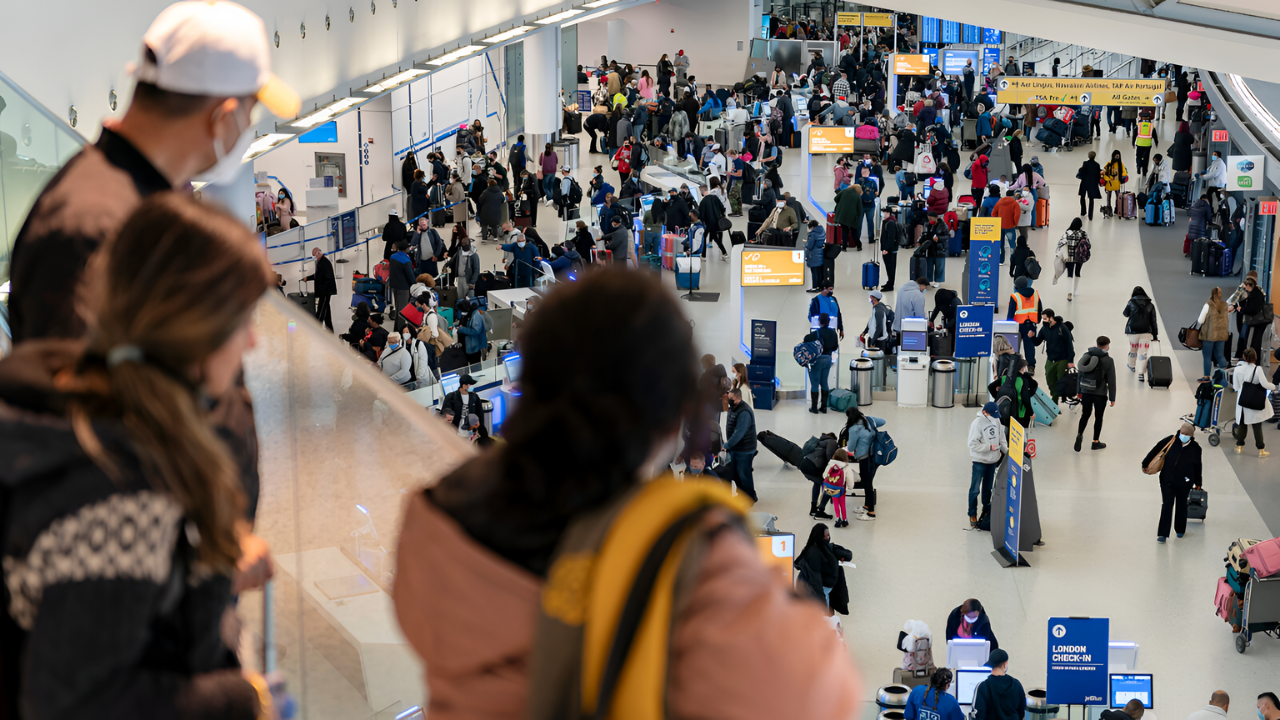
The aviation sector started 2026 on shaky ground as two carriers, Royal Air Philippines in Southeast Asia and Dove Airlines in South Asia, shut down operations just one day apart. Thousands of passengers with bookings through March found themselves stranded, highlighting persistent strains in regional and charter aviation from slim profits and uneven post-pandemic rebound.
The industry endured heavy losses in 2025, with Spirit Airlines filing for bankruptcy protection a second time, and Ravn Alaska, Corporate Air, Play Airlines, and Braathens halting flights or entering liquidation. This momentum persisted into January 2026, as Royal Air Philippines entered liquidation on January 4, canceling all flights, followed by Dove Airlines’ voluntary liquidation on January 5 under India’s National Company Law Tribunal.
Budget operators, battered by years of deficits, confronted intensifying demands from creditors and idle aircraft. Analysts view these events as potential harbingers of further 2026 disruptions, with vulnerable passengers bearing the immediate costs through voided tickets, disrupted travel plans, and slim prospects for refunds.
Royal Air’s Long Decline and Passenger Crisis
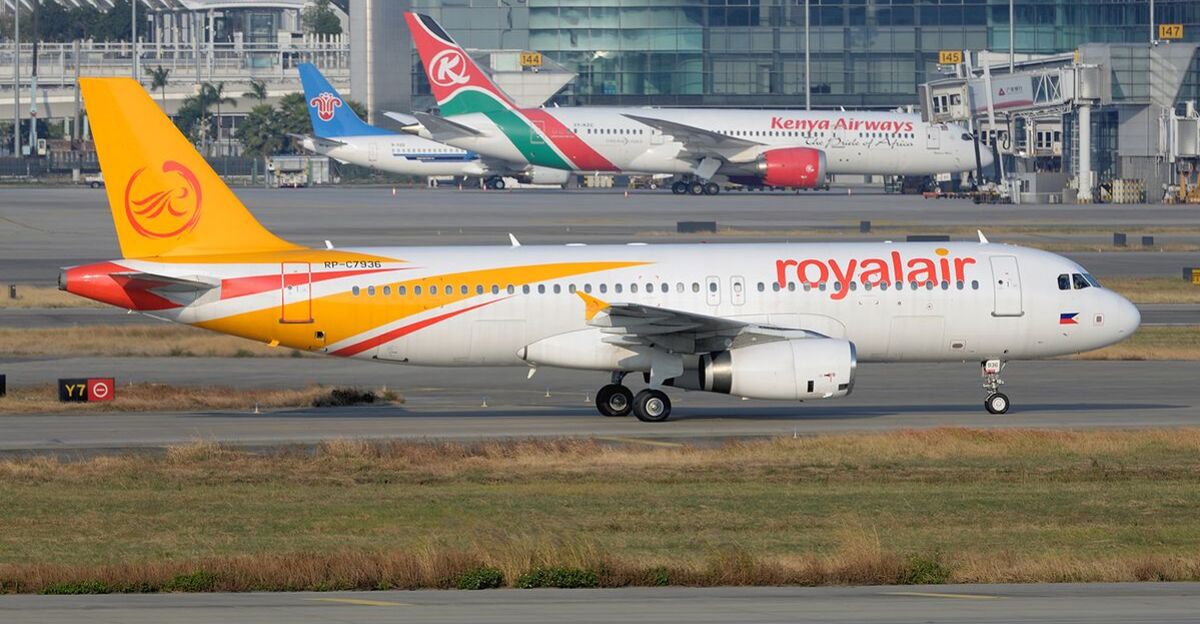
Founded in 2002 and licensed commercially in 2017, Royal Air Philippines grew into international routes to Cambodia, China, South Korea, Hong Kong, and Taiwan. A shift to low-cost operations spurred limited expansion in 2023-2024, but escalating rivalry from Philippine Airlines and Cebu Pacific, plus geopolitical frictions between China and the Philippines, slashed passenger volumes.
Chinese and Korean visitors, vital to its network, dwindled sharply by 2025, collapsing demand and hastening insolvency amid rising fuel costs and stalled financing. The airline’s signature route between Taipei and Boracay, the only direct service to the popular resort destination, disappeared with the shutdown. Some 3,000 to 4,000 travelers faced voided tickets with no advance alert, forcing rushed rebookings on fuller flights at higher rates during peak season.
Business trips derailed, family outings stalled, and students delayed returns, with many confronting slim bankruptcy recovery odds—often mere cents per dollar. Vulnerable groups, including elderly individuals, those with health issues, and families with infants, endured outsized setbacks without options for ticket transfers or prompt compensation.
Dove Airlines’ Prolonged Demise
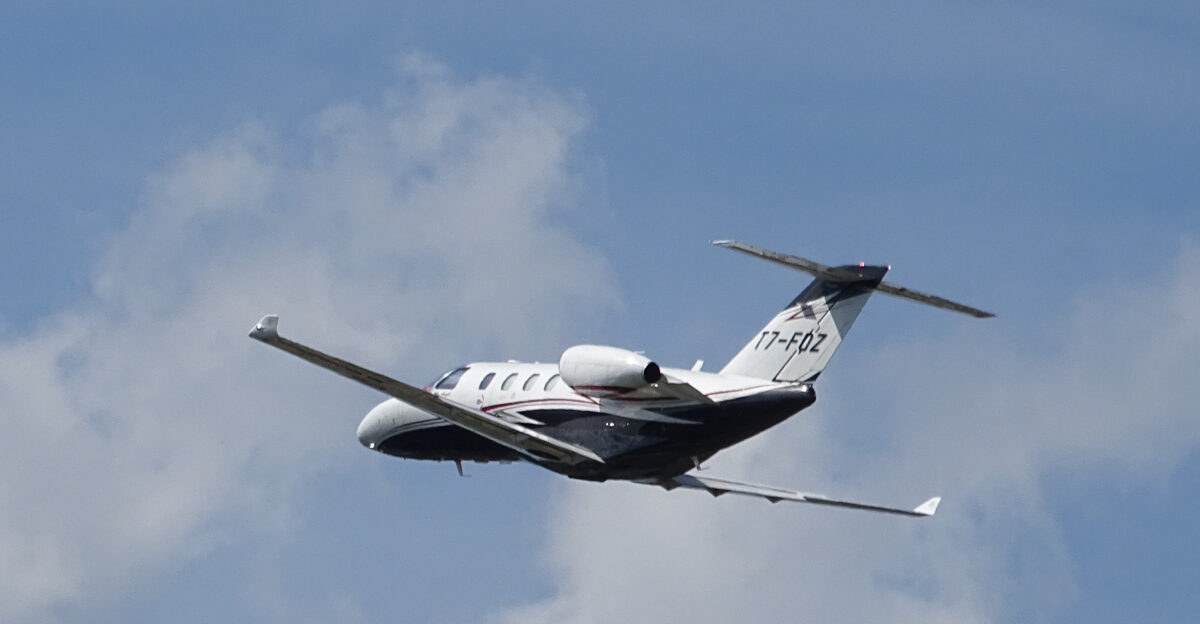
Established in 2006 as an Indian charter provider, Dove Airlines shed its final Cessna CitationJet to creditors in 2022, after Usha-Martin sold its 50 percent stake in 2015 due to ongoing deficits. Though licensed, it flew no routes for nearly four years and posted just ₹23.9 lakh (about $2,600 USD) in fiscal 2024 revenue.
The January 5 liquidation by the NCLT, overseen by liquidator Pranab Kumar Chakrabarty with claims due February 4, merely confirmed its operational end. Unlike Royal Air’s sudden collapse that stranded thousands, Dove’s liquidation had minimal immediate passenger impact given its years of inactivity. However, the formal closure underscores the fragility of small charter operators across South Asia, where thin capitalization and limited access to financing leave carriers vulnerable to even minor operational setbacks or market shifts.
Industry Pressures Mount and Outlook Darkens
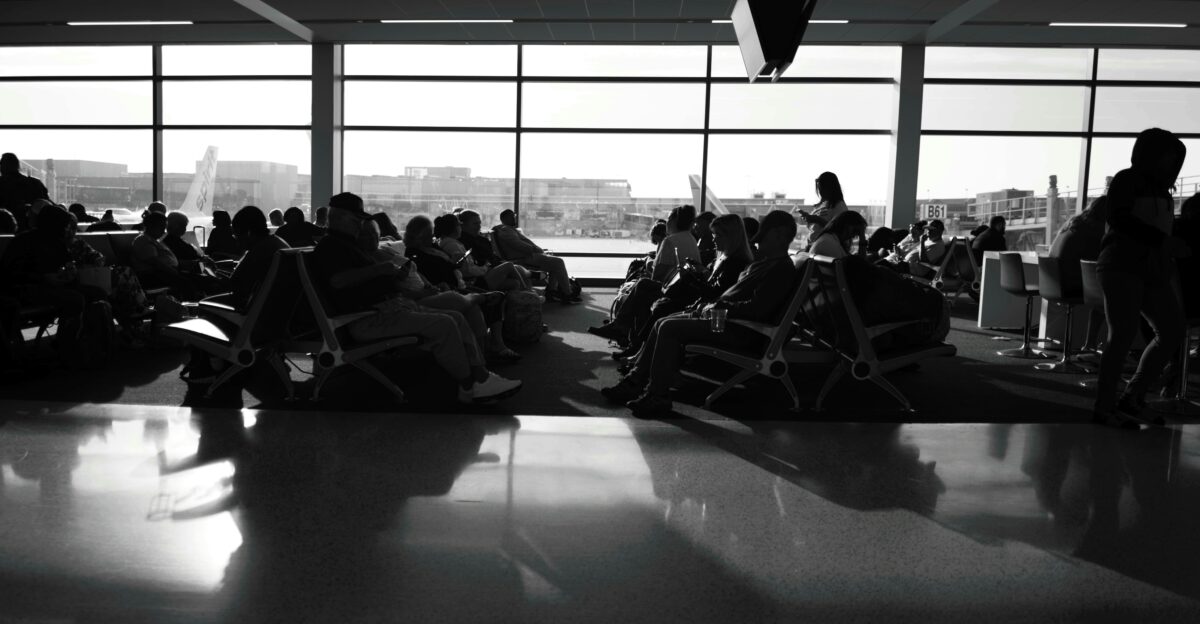
Regional carriers navigate narrow margins amid lopsided recovery: leisure demand surged, but business travel lagged. Persistent high fuel prices, staffing gaps, and assertive aircraft lessors—who can repossess planes abruptly—exacerbate woes. Lessors’ focus on asset retrieval over airline continuity sped both collapses, as seen in Dove’s 2022 grounding. Royal Air’s low-cost pivot and route investments yielded brief 2023-2024 upticks but crumbled under competition, volatility, and lost markets.
These failures echo 2025’s cascade and fuel doubts about smaller operators’ survival, especially those short on capital. Employees—pilots, crew, ground staff, and others—lost jobs and back pay, with claims outranking passengers but trailing secured lenders in proceedings.
Stranded flyers now navigate courts or credit card disputes for partial refunds, while abandoned routes may hike fares and curb Southeast Asian and Indian charter options. Calls grow for tougher rules, like mandatory reserves or refund insurance, to shield consumers. Without tackling root issues—costs, leasing terms, oversight—more shutdowns loom, stranding additional travelers and reshaping regional skies.