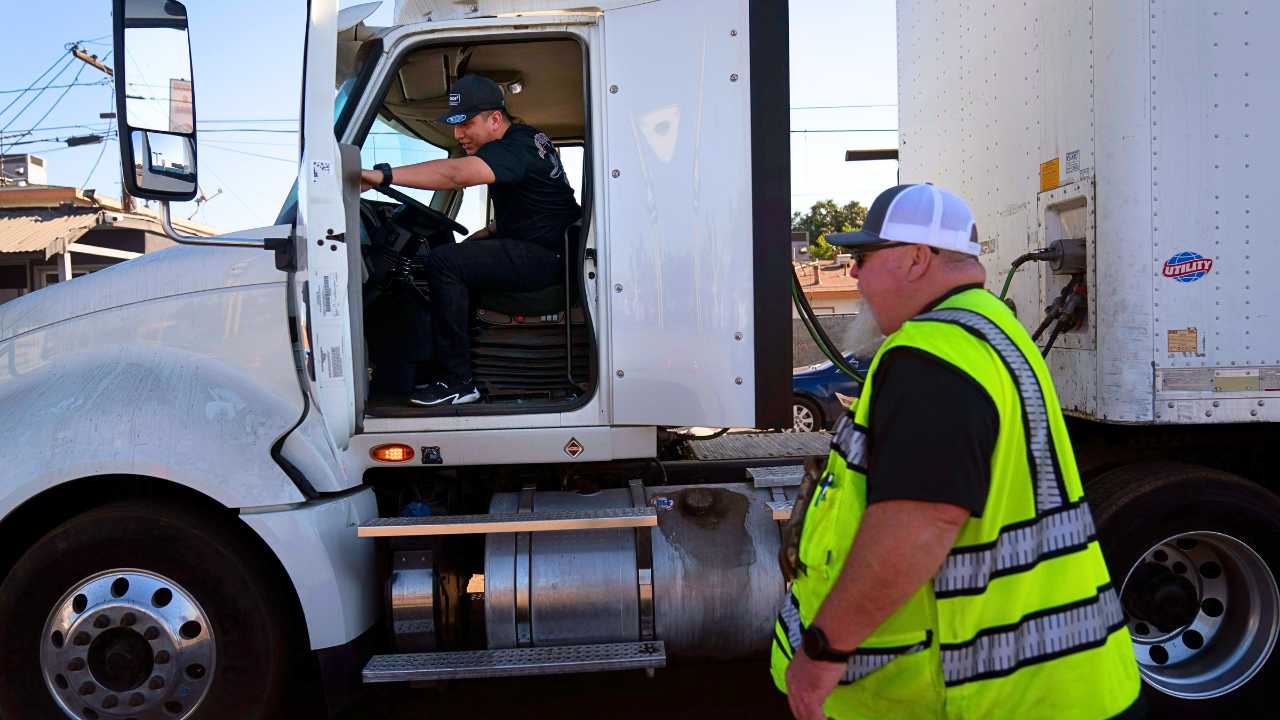
The trucking industry faces its most severe downturn in decades, with freight demand plummeting since March 2022 and dozens of operators collapsing under the weight of idle capacity and cash shortages. This “Great Freight Recession” has now claimed a major player, STG Logistics, exposing vulnerabilities in America’s supply chains.
Dominoes Falling
The crisis intensified in late 2025 and early 2026. Flatbed operator Montgomery Transport liquidated in October 2025, eliminating 1,000 jobs. RailCrew Xpress cut over 400 workers. By January 2026, sector-wide logistics layoffs surpassed 2,200.
Pressure spread from small firms to larger ones. Over 10,000 active carriers have vanished since 2022, with revenue per truck down 40% in four years and utilization rates in freefall. E-commerce growth normalized after the pandemic, retailers trimmed inventories, and tariffs plus trade uncertainty stifled global flows.
A Titan’s Collapse
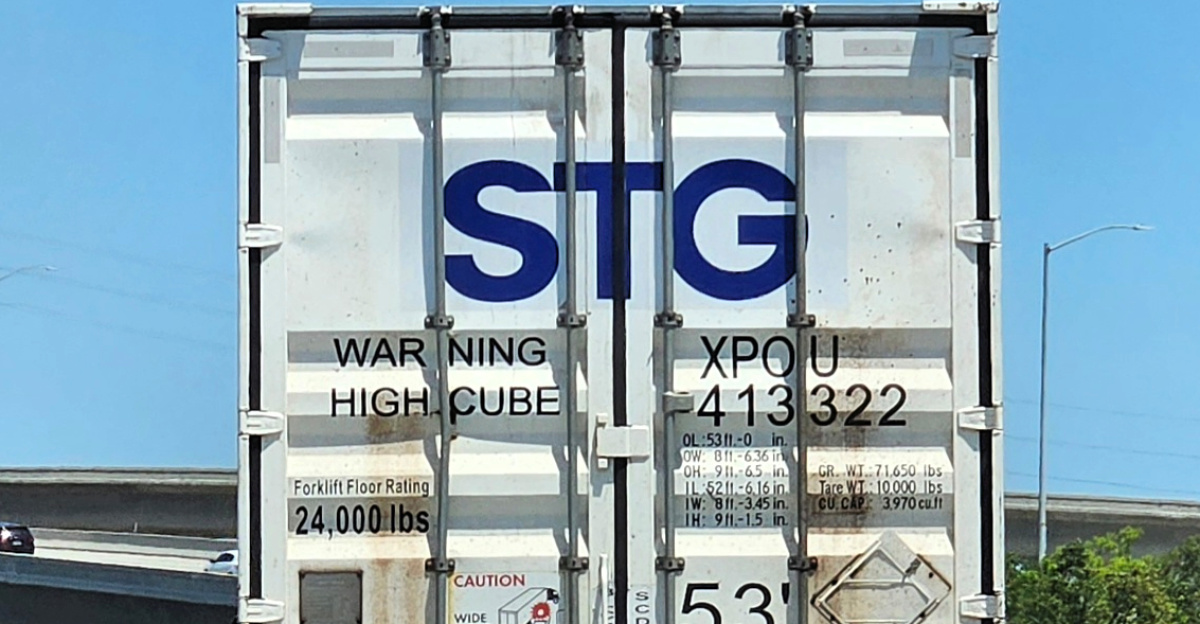
STG Logistics, founded in 1985 as St. George Logistics in South Kearny, New Jersey, ranked as the nation’s fourth-largest asset-based intermodal marketing company. The 40-year-old firm managed 15,000 containers across 32 warehouses in more than 25 states, employing 1,170 people.
The firm expanded aggressively from 2016 to 2021 amid high rates, acquiring containers, leasing equipment, and building facilities—all debt-financed. When markets inverted, rates crashed from around $3.40 per mile in 2021 to under $1.80 in 2025. Fuel, maintenance, and labor costs held firm, equipment idled, and shippers shifted to cheaper rivals. STG’s $1.16 billion debt load proved unsustainable.
The Bankruptcy Filing

On January 12, 2026, STG filed for Chapter 11 protection in the U.S. Bankruptcy Court for the District of New Jersey. A pre-negotiated plan erased 91% of its funded debt—about $952 million—with new equity sponsors Wind Point Partners and Oaktree Capital Management injecting $150 million in fresh capital.
The court approved $294 million in debtor-in-possession financing on January 13-14, including $150 million new funds and $144 million from existing debt. STG pledged no service disruptions, preserved wages and benefits, and honored customer commitments.
Headquartered in Dublin, Ohio—a Midwest logistics hub—the filing unsettled manufacturing, retail, and agriculture customers reliant on its intermodal network. Suppliers and trucking partners braced for uncertainty.
Restructuring Hurdles

Creditor disputes complicated the process. Some lenders challenged debtor-in-possession terms, claiming they favored new investors over first-lien holders. A federal judge approved interim financing, but tensions lingered.
Existing shareholders faced wipeout or dilution, with Wind Point and Oaktree taking control. CEO Geoff Anderman stayed on for continuity. The plan targeted emergence by mid-May 2026—five months—via cost cuts, unprofitable contract exits, and focus on high-margin routes. New capital would support operations and upgrades.
Analysts expressed caution. STG could fix its balance sheet but not the freight market’s woes. Depressed rates and soft demand persisted, and Chapter 11 timelines often extend to 12-18 months.
Broader Implications

STG’s debt stemmed from prudent growth in boom times, not mismanagement—a common trap in the sector. The bankruptcy signals inevitable consolidation: weaker firms will restructure or get acquired by giants like J.B. Hunt, Schneider, and Knight-Swift, yielding fewer, larger carriers with greater market power.
Labor feels the strain despite STG’s job protections. Wages stagnate amid shortages, benefits erode, and automation looms. Younger workers exit for other fields, portending a labor shortage.
Washington offers no aid—no lending facilities or rate safeguards—unlike supports in China and Europe. STG’s case underscores supply chain fragility: its hubs linked rail, truck, and ports nationwide. Fragmentation risks higher costs and delays for shippers.
Recovery hinges on macro shifts—tariff stability, inventory rebuilding, steady spending—possibly by 2027. Shippers must diversify carriers and secure capacity now. The era of cheap freight has ended, paving the way for a more concentrated, automated industry with elevated entry barriers and persistent pricing pressures.
Sources:
FreightWaves – “What the 2026 Wave of U.S. Logistics Bankruptcies Tells Us about the Great Freight Recession”
NJ Biz – “STG Logistics files Chapter 11 bankruptcy”
TheStreet – “41-year-old trucking company giant files Chapter 11 bankruptcy”
Yahoo Finance – “Layoffs, bankruptcies batter U.S. logistics and manufacturing at start of 2026”
U.S. Bankruptcy Court for the District of New Jersey – “Case No. 2:26-bk-10258, STG Logistics Inc., Voluntary Petition”
Wall Street Journal – “STG Logistics Files for Chapter 11 Amid Lender Lawsuit”