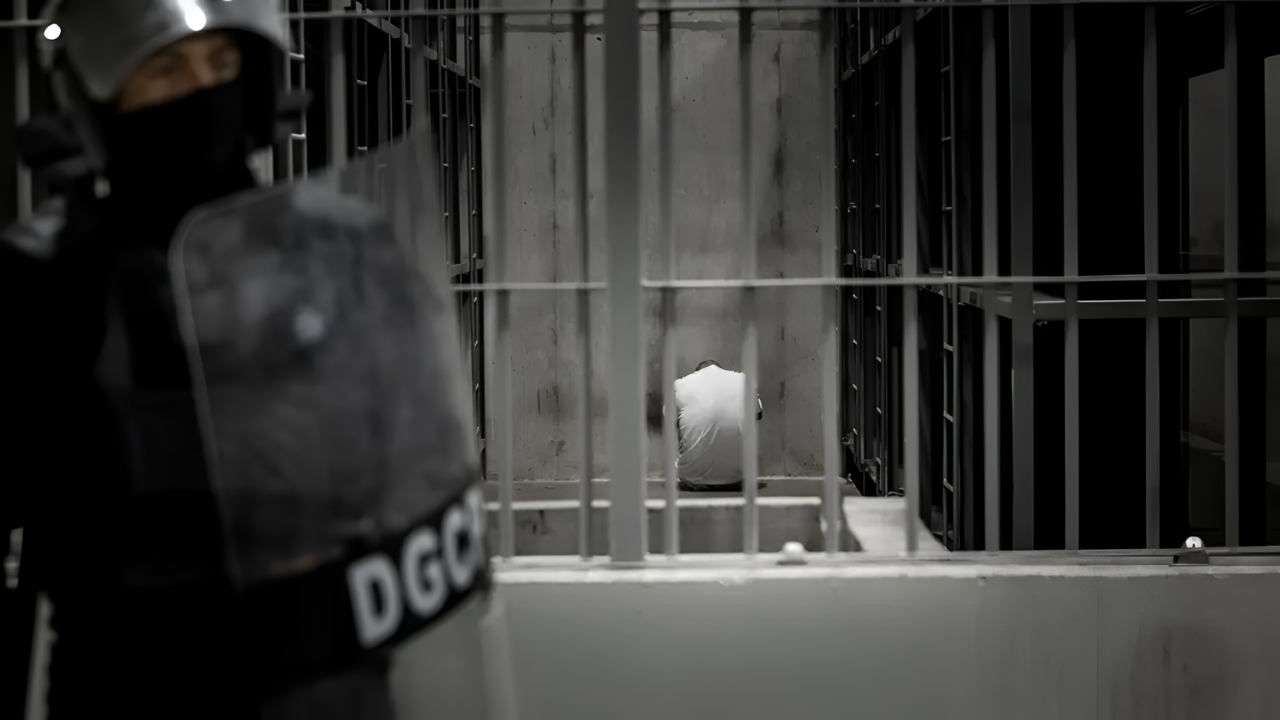
A CBS News segment about the notorious CECOT prison in El Salvador faced a mysterious struggle before finally airing—raising crucial questions about the power dynamics in modern journalism and the control over what the American public is allowed to see.
The Broadcast That Was Shelved
In December 2025, CBS News had a complete investigation, ready for broadcast. Correspondent Sharyn Alfonsi’s months of work had been cleared by network lawyers and editorial standards. However, just hours before airing, editor-in-chief Bari Weiss made a last-minute decision to pull the segment. Officially, the reason given was a lack of “balance” due to the Trump administration’s refusal to participate in the story. This action, while seemingly routine, had deeper implications.
For Alfonsi, the decision was alarming. If one administration could silence a story by simply declining to cooperate, it set a dangerous precedent. In an internal memo, Alfonsi expressed concern that this gave government officials an unprecedented “kill switch” over investigative journalism, undermining CBS’s role in holding power to account.
Efforts to Salvage the Story
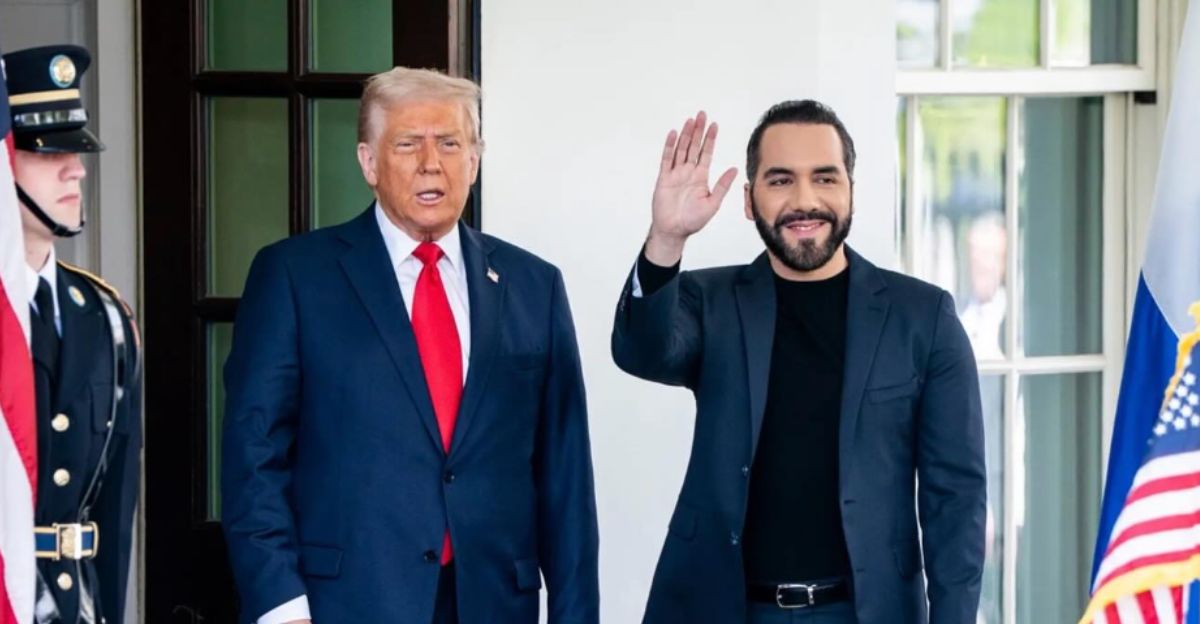
Alfonsi persisted in trying to salvage the segment. She flew to Washington to meet with key figures, hoping to persuade them to provide the missing voices. CBS reached out to the Department of Homeland Security (DHS), the White House, and the State Department, but none agreed to an interview. Despite the reporting being legally vetted and factually sound, the segment remained shelved.
The CECOT Prison and Its Dark Reality
At the heart of the investigation was the CECOT prison, a massive facility in El Salvador designed for indefinite mass detention. In early 2025, the Trump administration deported 252 Venezuelan men to CECOT, labeling them gang members. Records, however, revealed that many had no criminal history or were asylum seekers, and some had been flagged based on evidence that would never stand up in court.
The deportations relied on the Alien Enemies Act, an outdated wartime law, which allowed the deportations to proceed without hearings or appeals. This bypassed due process entirely, sending detainees to a prison known for its brutality and harsh conditions.
Abuse Behind Bars
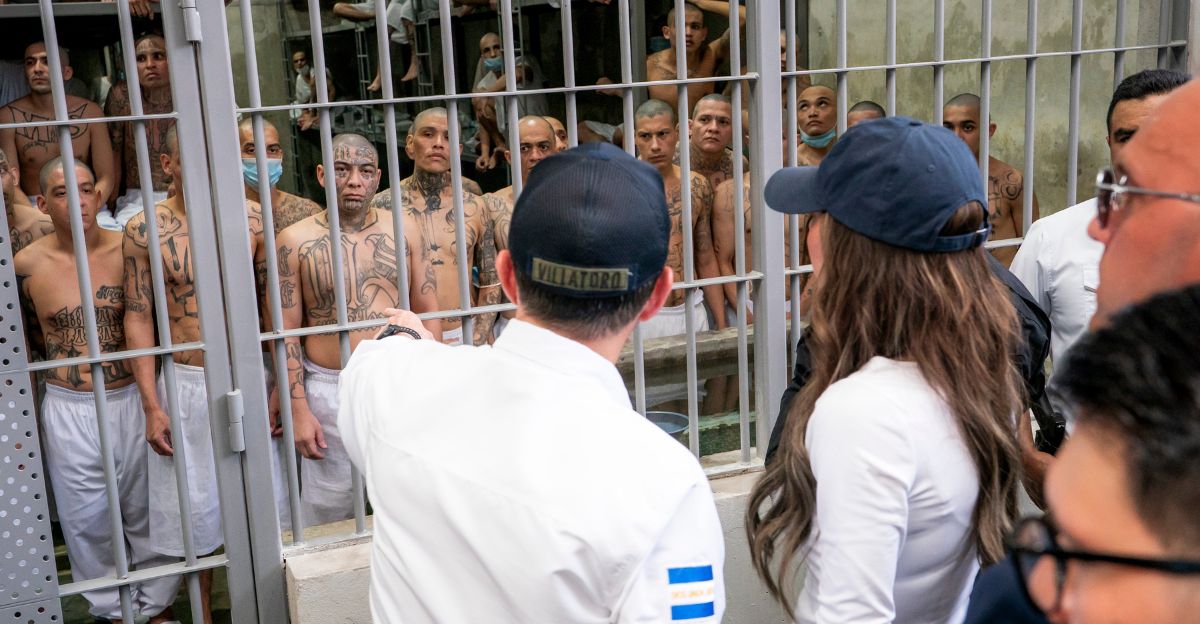
Once incarcerated, detainees faced extreme abuse. Human Rights Watch documented daily beatings, starvation, sexual violence, and psychological torture. Luis Muñoz Pinto, one of the detainees, was beaten by guards shortly after arrival, his injuries severe. Abrego Garcia, another detainee, described similar brutal treatment, including sexual violence. Cells were overcrowded, and the conditions were described as inhumane, with some prisoners being held in near-complete isolation in lightless cells known as “the island.”
The evidence pointed to a routine pattern of abuse. Forty former detainees confirmed the horrifying conditions, including lack of medical care, sunlight, and basic human necessities.
The Political and Corporate Underpinning
In the background, corporate and political factors loomed large. In October 2025, Bari Weiss became the head of CBS News following Paramount’s acquisition of her previous publication, The Free Press. Around this time, CBS also settled a lawsuit with Donald Trump for $16 million, making the network more sensitive to political repercussions.
As a result, the network’s reluctance to air the segment was not just due to a lack of interviews—it was also a response to corporate sensitivities. The story, though factually sound, was seen as politically inconvenient, especially as CBS navigated its ongoing merger with Paramount.
The Quiet Return of the Segment
After nearly a month, the story was finally aired on January 18, 2026, but under circumstances that minimized its reach. CBS placed the segment in a time slot opposite a major NFL playoff game, ensuring it would have minimal viewership. The segment garnered just 4.9 million viewers, far below the show’s typical audience.
The timing and scheduling decisions seemed to have been designed to limit the impact of the report. Yet, the segment managed to leak online after a Canadian news outlet accidentally posted it, allowing it to spread across platforms despite CBS’s initial attempts to suppress it.
The Lasting Impact
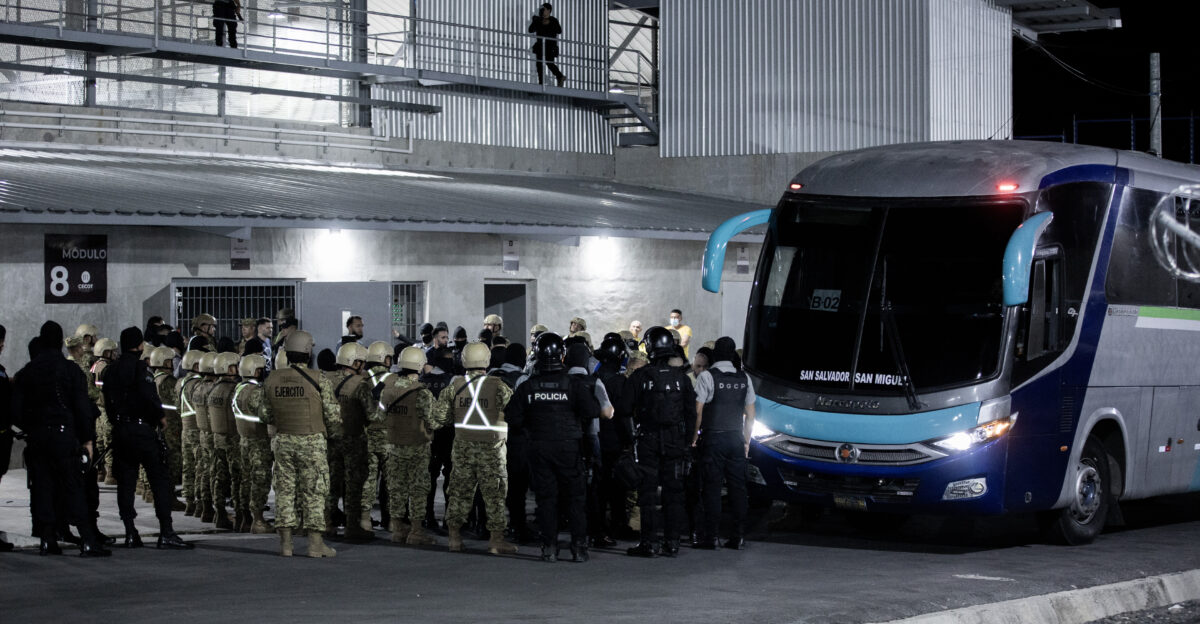
The CECOT investigation raises troubling questions about the role of journalism in an era where political and corporate interests can silence inconvenient stories. The incident echoes past controversies, like the 1995 CBS decision to suppress a tobacco exposé, highlighting the ongoing tension between journalistic integrity and external pressures.
While the story eventually reached the public, the struggle behind its broadcast serves as a warning: in today’s media landscape, the battle for truth is not only fought between journalists and governments but also within the very institutions that claim to uphold accountability.
Sources:
Inside CECOT: 60 Minutes, January 18, 2026 (CBS News broadcast)
What We Know About CBS’ Decision to Pull and Then Air ’60 Minutes’ CECOT Segment: CNN, January 18, 2026
CBS News Airs Pulled ’60 Minutes’ Report on CECOT in El Salvador: USA Today, January 18, 2026
Bari Weiss Expressed ‘Frustration’ With ’60 Minutes’ Reporter Over CECOT Segment: The Independent, January 21, 2026
’60 Minutes’ Broadcast With Delayed ‘Inside CECOT’ Report Pulls in Abysmal Ratings Against NFL Playoffs: Yahoo News, January 22, 2026
Paramount Skydance to Name Bari Weiss Editor in Chief of CBS News: New York Post, October 2, 2025