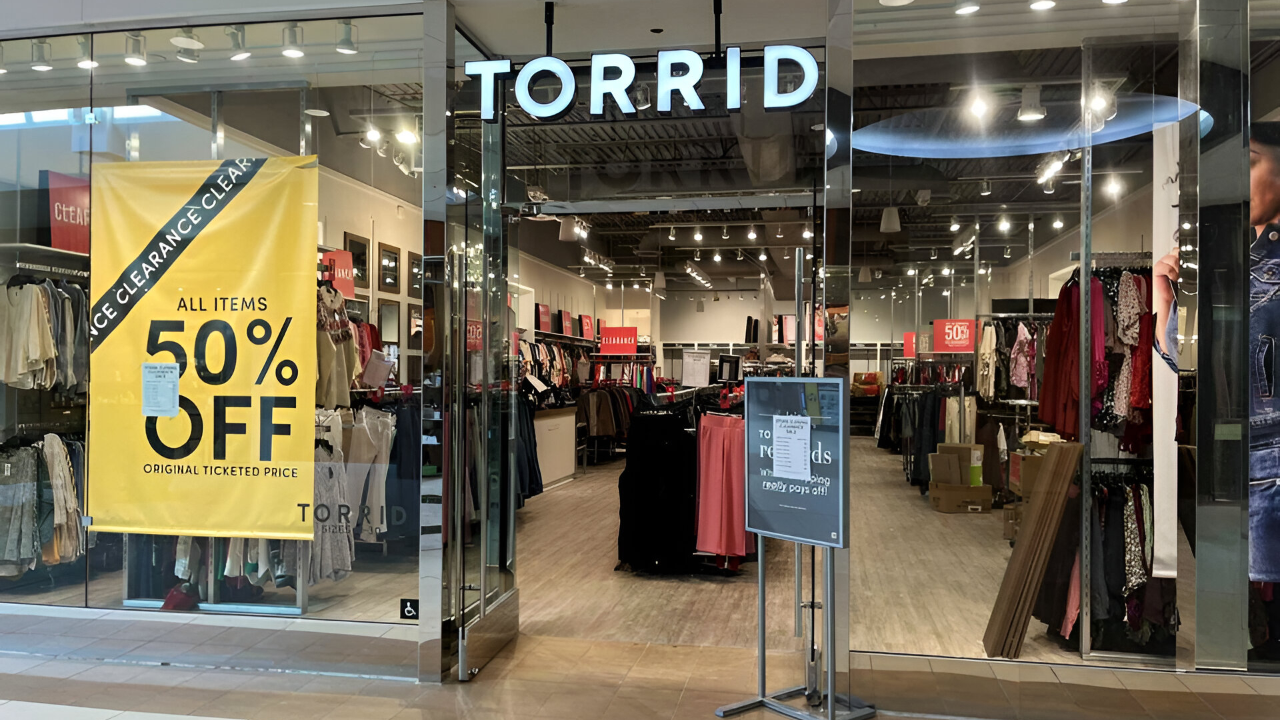
The words hit like a clearance sign across the entire chain: Torrid said it planned to close up to 180 underperforming stores in 2025, a move that would carve away a huge share of its physical footprint.
For shoppers who still rely on fitting rooms and mall locations, it wasn’t a distant retail trend—it was an immediate shrinkage of where plus-size fashion can be tried on, in person.
And for a brand built on serving sizes 10 to 30, the retreat signaled something bigger than one company’s reset. But what pushed Torrid to this point starts with how fast its sales—and shoppers—moved online.
The Digital Reckoning Arrives

The shift did not happen overnight, but the tipping point became undeniable. In its first quarter 2025 update, Torrid said digital was approaching 70% of total demand, putting pressure on stores that relied on steady mall traffic.
That created a hard choice: keep paying rent and payroll for locations that were no longer pulling their weight, or shrink the fleet and push investment toward online, loyalty, and omnichannel upgrades now.
A Decade of Contraction
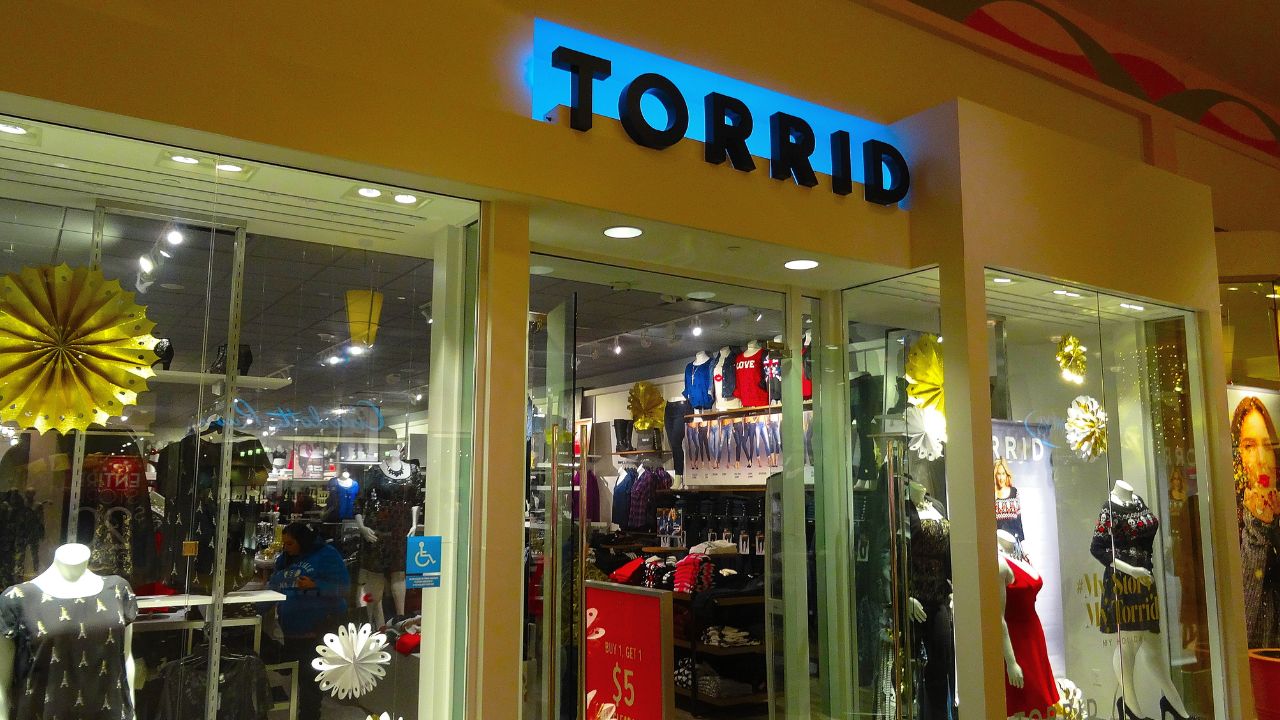
Even before the closure plan, the footprint was already sliding. Torrid reported [658 stores at the end of the comparable quarter in 2024 and] 632 stores at the end of the first quarter of fiscal 2025, reflecting a smaller fleet in just one year nationwide.
Behind those numbers sat familiar retail problems: softer traffic, fixed leases, and a customer base increasingly comfortable buying online instead of driving to a mall.
Execution Spiral Begins
The financial strain showed up in the first quarter results. Net sales fell 4.9% to $266.0 million from $279.8 million a year earlier, and gross profit margin dropped to 38.1% from 41.3% year over year. Those are not just abstract percentages.
They suggest that product decisions, promotions, and channel mix were not producing enough profit to support the old footprint, especially when every underperforming store still carries real, recurring costs.
Torrid Announces Historic Closure Plan
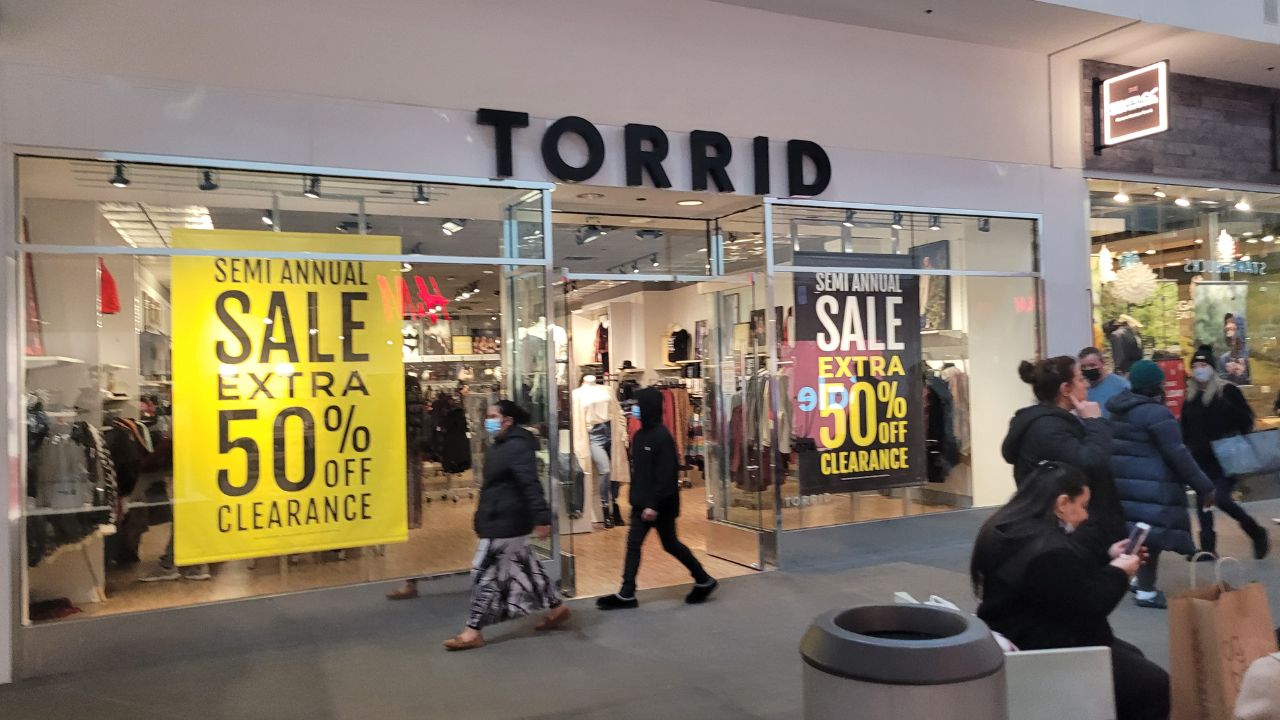
On June 5, 2025, Torrid laid out the reset: close up to 180 underperforming stores—nearly 200 locations, or about one-third of its 632-store fleet at the time—and accelerate its transformation to a more digitally led business, a shift CEO Lisa Harper acknowledged was driven in part by “execution missteps” that were largely within the company’s control.
Management said the point was to reduce fixed costs and reinvest in growth levers such as customer acquisition and omnichannel enhancements, while keeping the brand relevant for its core plus-size shopper.
Connecticut Gets Closure Notice

Then the plan started showing up in real malls, on real calendars. CT Insider reported the Torrid at Meriden Mall in Connecticut was set to close on January 4, 2026, a date that turns strategy into a deadline for shoppers and staff nearby.
Other January closings were also reported in markets like Peoria, Illinois, Cherry Hill, New Jersey, and Citrus Heights, California, underscoring how widely the pullback can touch communities.
The Human Cost Emerges
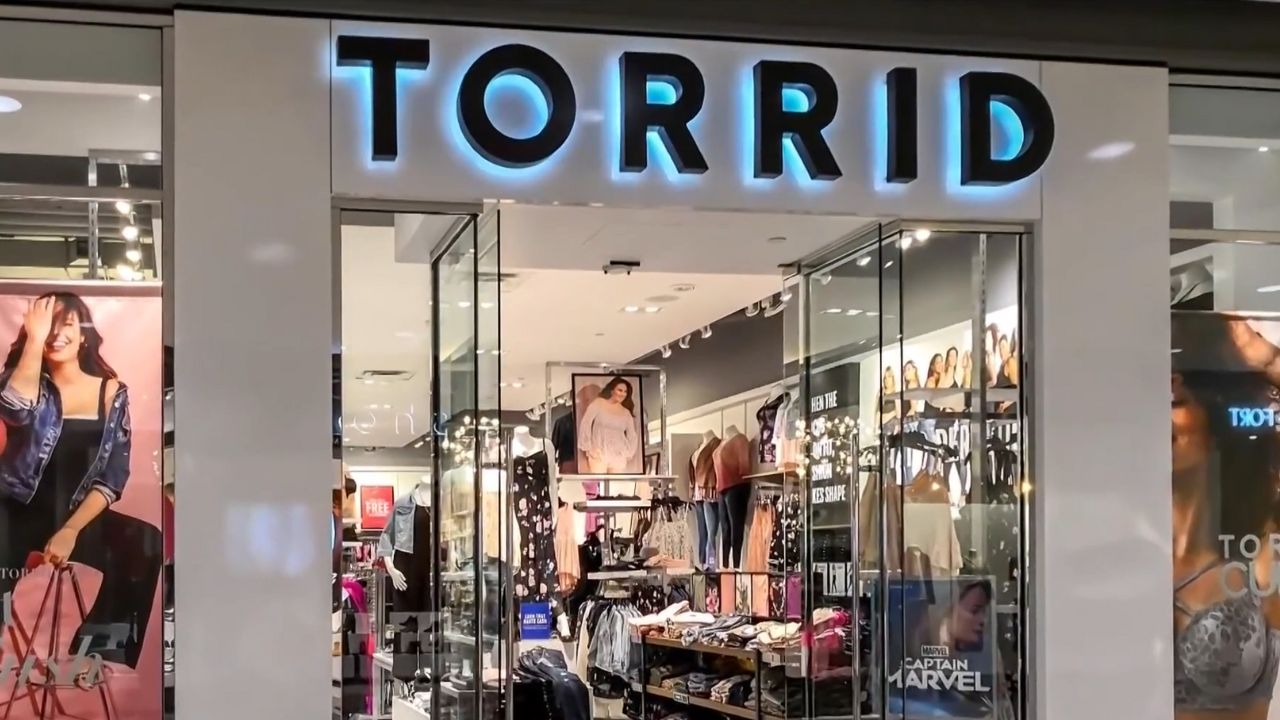
Every store that goes dark leaves people behind, not just empty storefronts. Torrid has not published a single nationwide number for how many roles could be affected, but each closure typically impacts store associates, managers, and local support staff.
For employees, the uncertainty arrives in waves: rumors, clearance racks, shortened schedules, and then a final date. The closures are a cost strategy on paper, but they are a life change on the ground.
Competitors Face Identical Pressure

Torrid’s problem is not unique to one brand or one size range. Specialty apparel chains have been trimming store fleets for years as shoppers moved online and mall economics tightened. Competitors serving plus-size customers have also reduced physical presence or leaned harder into online.
The result is a smaller map of in-person options, even as the online market keeps expanding and raising expectations for speed, selection, and fit guidance.
The Sales Collapse Deepens
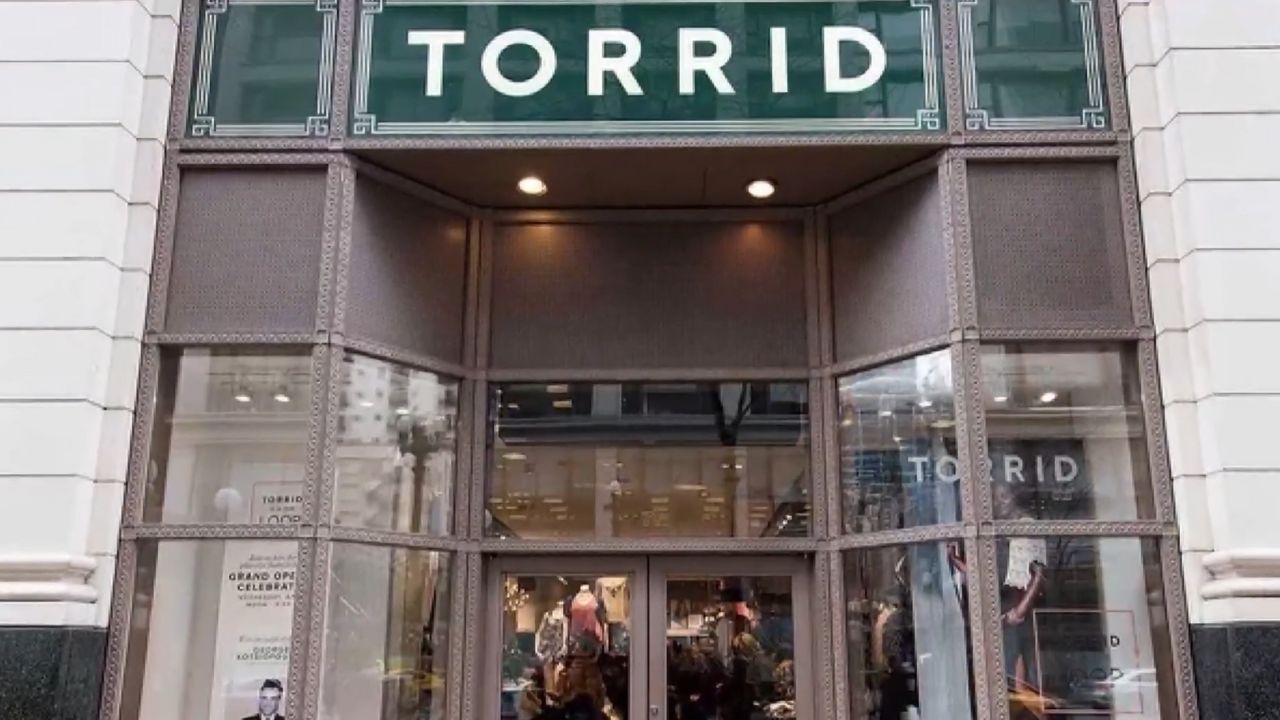
By the third quarter of fiscal 2025, the slowdown looked sharper. Torrid reported net sales of $235.2 million, down 10.8% from $263.8 million, while comparable sales fell 8.3% year over year.
Gross margin slipped to 34.9% from 36.1%. Profitability also weakened. The company posted a net loss of $6.4 million and adjusted EBITDA of $9.8 million, a 4.2% margin, down from $19.6 million and a 7.4% margin the prior year.
CEO Admits the Missteps Were Internal

On the December 3, 2025 earnings release, CEO Lisa Harper did not hide behind the macro story. She said the quarter fell short because of “execution missteps” that were largely within the company’s control, even as some core categories posted comparable growth.
She pointed to an assortment mix imbalance, and said the team had taken corrective actions such as tightening merchandising guardrails, rebalancing the assortment architecture, and reintroducing a more profitable footwear program.
Internal Pressure and External Red Flags
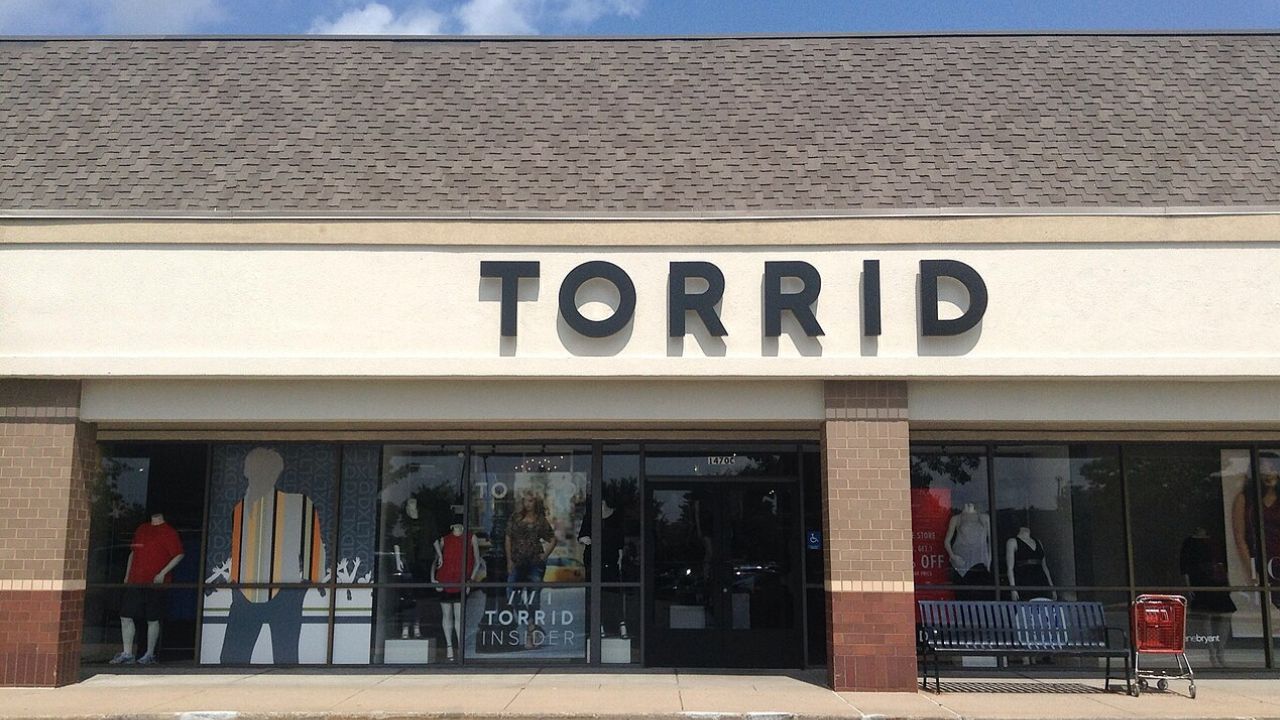
While leadership talked about fixes, outside pressure rose. S&P Global downgraded Torrid’s rating to CCC+ in mid-January 2026, highlighting how quickly weak performance can spill into credit scrutiny.
At the same time, Torrid told TheStreet it did not have confirmed details on exactly how many stores will close or which locations may be affected, keeping uncertainty in place for communities watching their local store.
The CFO’s Confidence Play

CFO Paula Dempsey’s message has been consistent: fewer stores can mean a healthier business if the remaining fleet is more productive and digital can absorb demand. The strategy assumes that customers who lose a nearby store will keep shopping, just through the website and app.
Executives have said they have tracked retention as closures roll through. The real test is whether savings from rent and overhead can outpace the sales that disappear when a store sign comes down.
The Acceleration Gamble
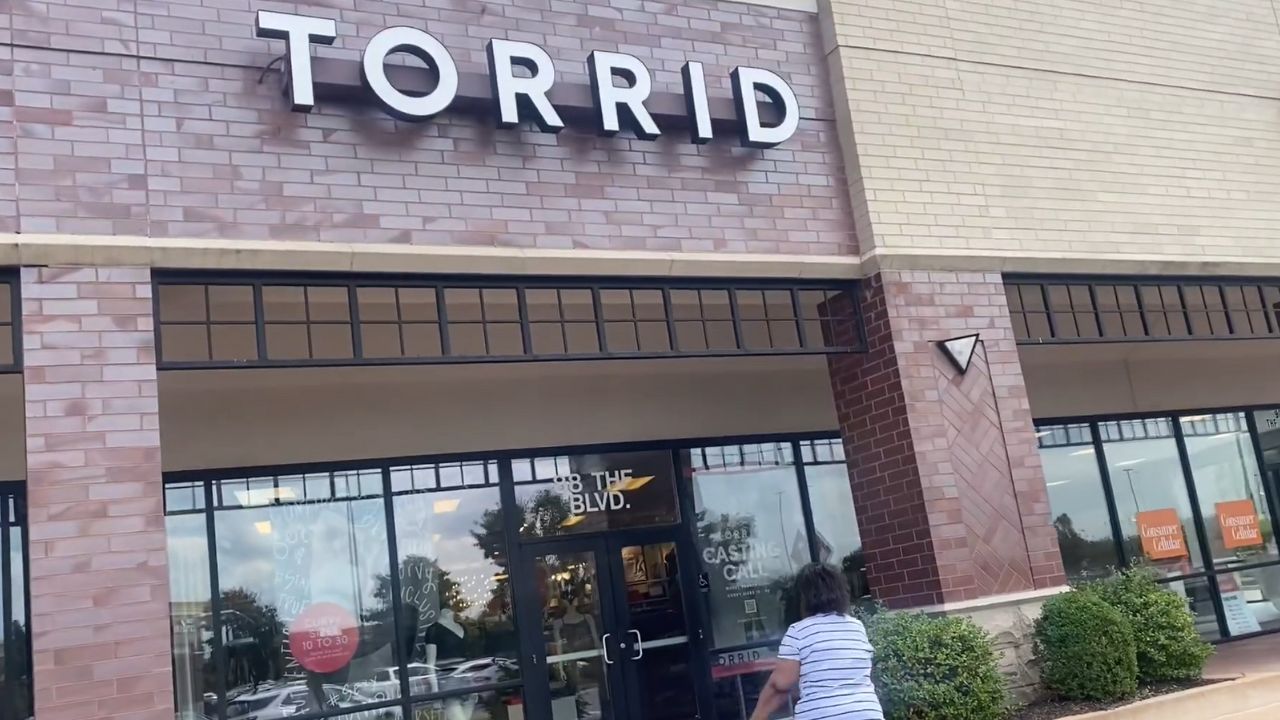
The calendar makes the math feel urgent. By the end of the third quarter, Torrid said it had closed 74 stores year to date and had 560 stores remaining.
The plan still calls for up to 180 closures for fiscal 2025, which runs into early February 2026. That implies rapid decisions, lease exits, and liquidation activity. Speed can cut losses faster, but it can also strain teams, vendors, and customers trying to keep up with what changes next.
Analyst Skepticism Grows
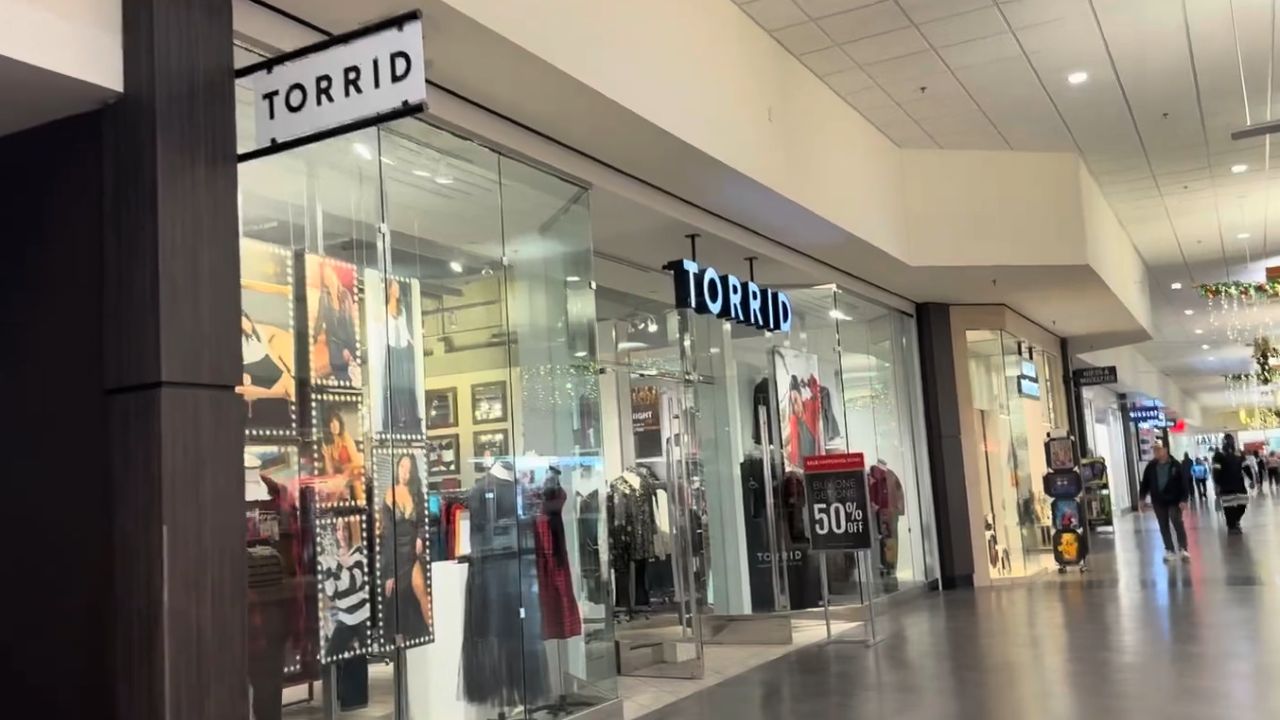
Analysts have been pressing on a central contradiction: if digital demand is near 70%, how big does the physical fleet need to be at all. Management’s answer leans on omnichannel logic, arguing that stores still matter for discovery, service, and brand presence even when most transactions happen online.
The skepticism is not about whether change is needed. It is about whether tighter execution and a smaller store base can restore momentum before shoppers and investors lose patience.
What’s Next for Torrid
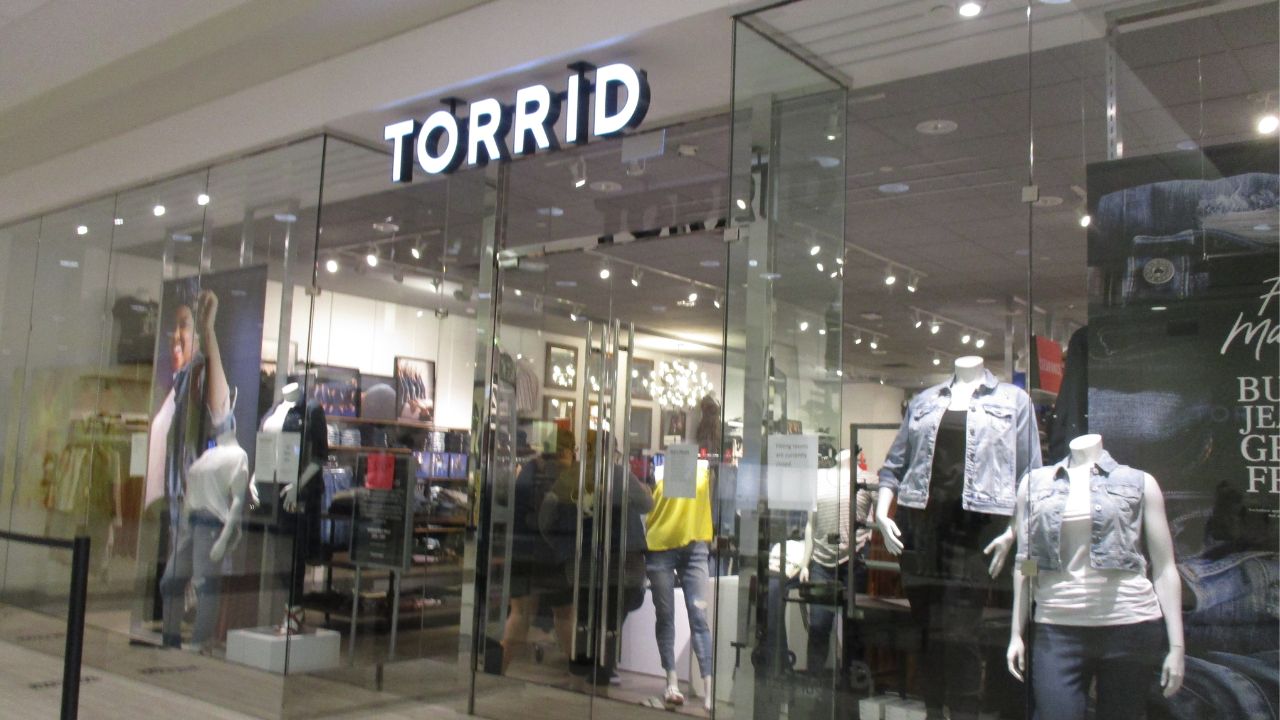
The next phase is less about announcing closures and more about proving the model works. Can Torrid improve assortment decisions so it avoids another mix imbalance. Can it keep promotions from eroding margins.
And can it rebuild footwear in a way that is profitable, even with tariffs and sourcing shifts in the background. If the answers are yes, the company could exit 2026 with a leaner footprint and a stronger digital engine. If not, closures may be only the first chapter.
The Retail Policy Silence

What makes this story bigger than one retailer is the ripple effect. When a specialty store leaves a mid-tier mall, the loss hits foot traffic, neighboring tenants, and workers who relied on predictable schedules close to home.
There is no single national policy response built specifically for mall-era retail consolidation. Support tends to come through broader workforce and economic development programs, which vary by state and rarely move as fast as a wave of store closures.
International Echoes and Lessons
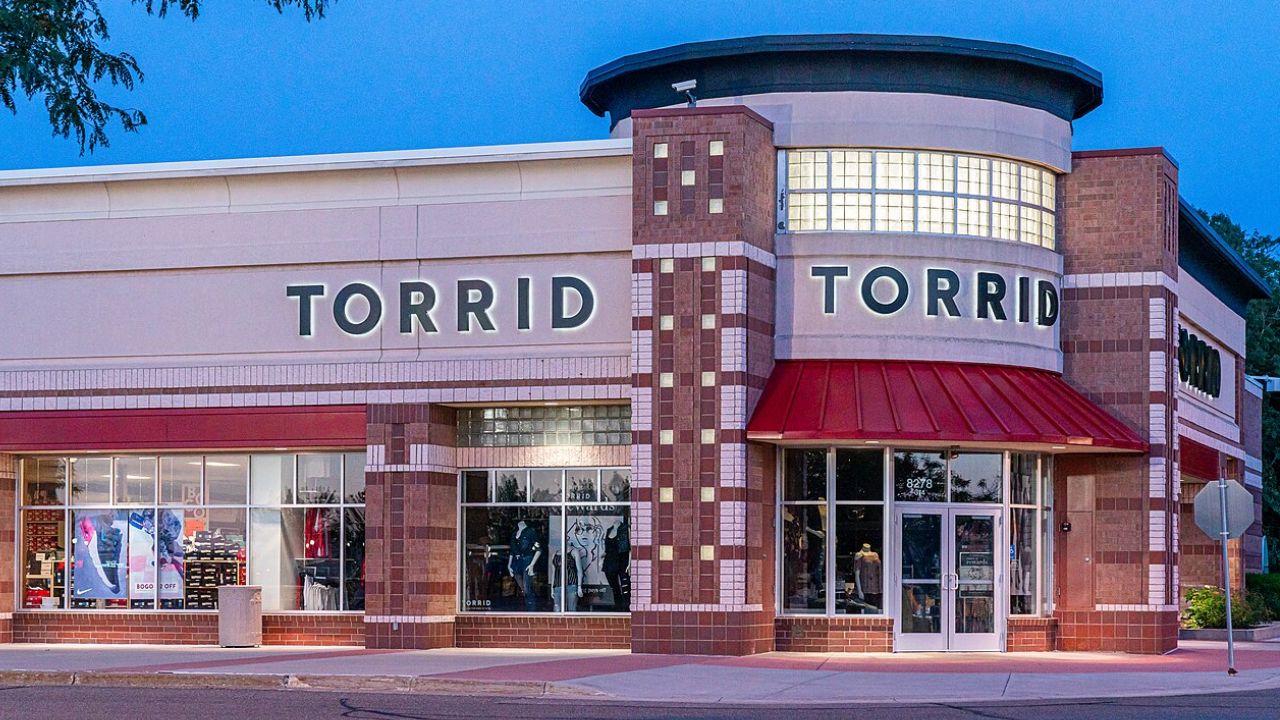
The same forces are visible far beyond the United States. Across markets, specialty retailers have been forced to rethink store networks as online shopping took share and sizing tools reduced friction for apparel.
Digital-first players can offer endless aisle selection, but some brands still keep stores as experience and fulfillment nodes rather than sales floors. Torrid’s challenge is to find that balance: enough physical presence to support loyalty, without carrying a footprint sized for the old mall economy.
The Gendered Retail Divide Deepens
For plus-size shoppers, the retreat also has a cultural edge. Torrid’s stores have been one of the few places where customers could browse trends, try on fits, and feel seen without having to order multiple boxes and return what fails.
Commentators note that this category’s in-person experience has long been shaped by women as shoppers and staff. As stores close, more of that ecosystem shifts to centralized digital operations, changing who benefits from the remaining opportunities.
The Merger and Restructuring Wild Card

Whenever a known brand shrinks this fast, the deal chatter starts. Market observers have floated scenarios where a larger retailer, or a private equity sponsor, could eventually seek Torrid’s customer relationships and brand recognition, especially if the business becomes primarily digital.
But nothing along those lines has been announced. For now, the company’s stated plan is operational: close up to 180 stores, tighten execution, and invest in acquisition, loyalty, and omnichannel improvements to stabilize performance.
What Torrid’s Retreat Signals
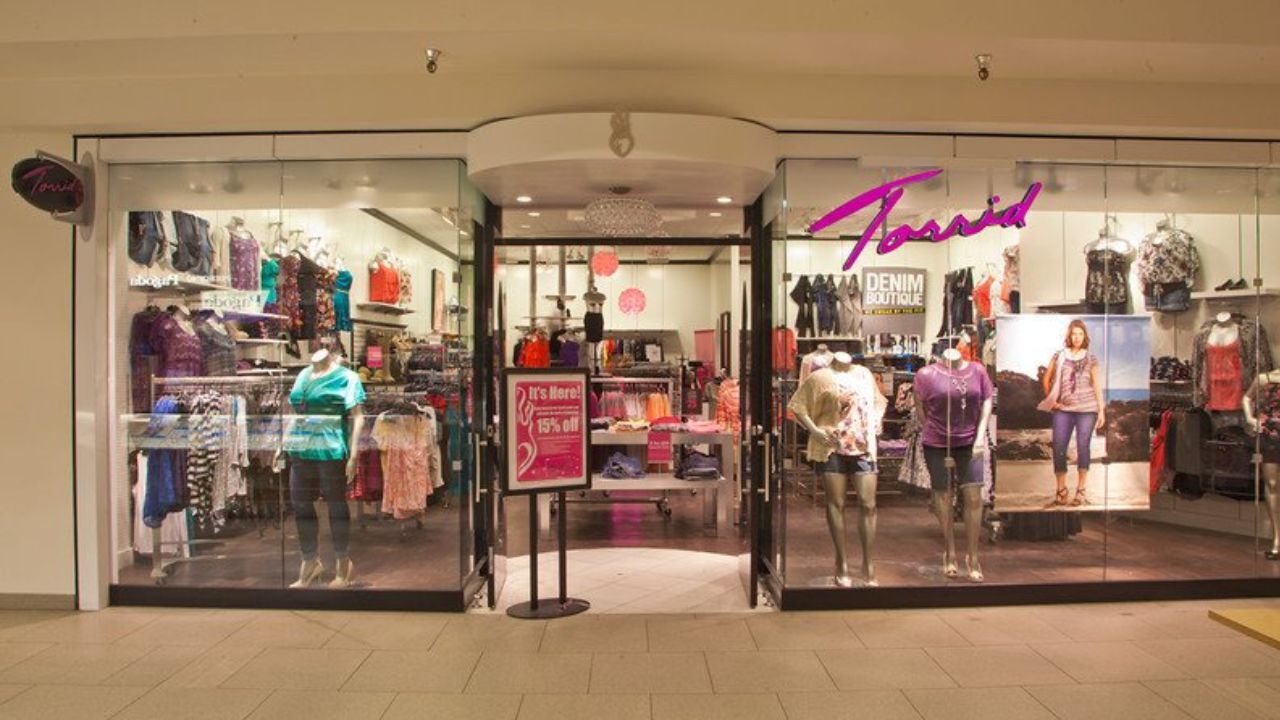
Torrid’s pullback is a clear signal about modern retail limits. Even a brand built for an underserved market can be forced to shrink when demand shifts channels and fixed costs stay stubborn. Closing up to 180 stores—nearly 200 locations—out of a 632-store base is a dramatic reset, not a minor optimization.
The outcome will shape how plus-size shoppers access fashion in person, and it will show whether a digitally led model can preserve what made the brand matter.
Sources:
“Torrid Holdings Inc. Reports Third Quarter Fiscal 2025 Results.” Torrid Press Release, 3 Dec 2025.
“Torrid Holdings to Close Up to 180 Stores as Part of Strategic Realignment.” Retail Dive, 5 June 2025.
“Torrid Store at Meriden Mall to Close Jan. 4 as Company Shutters Nearly 200 Locations Nationwide.” CT Insider, Dec 2025.
“S&P Global Downgrades Torrid Holdings Credit Rating to CCC+ on Weak Performance and Store Reduction Plan.” S&P Global Ratings, 15 Jan 2026.