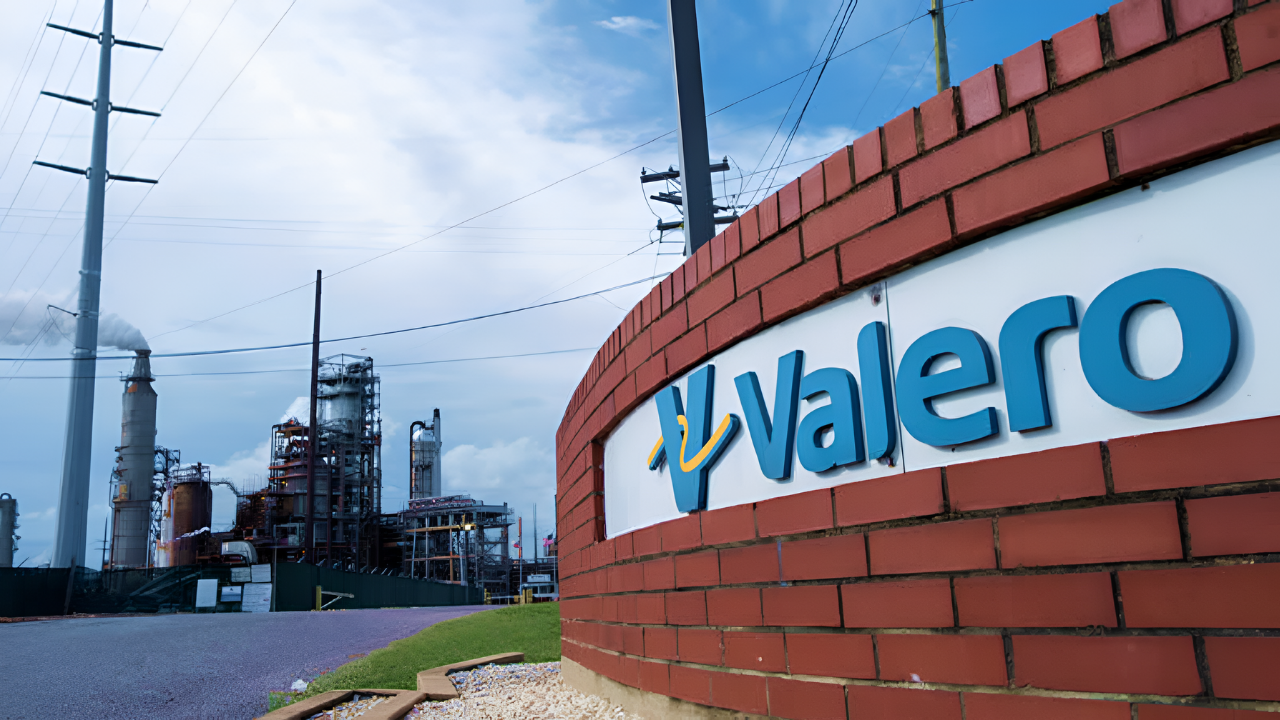
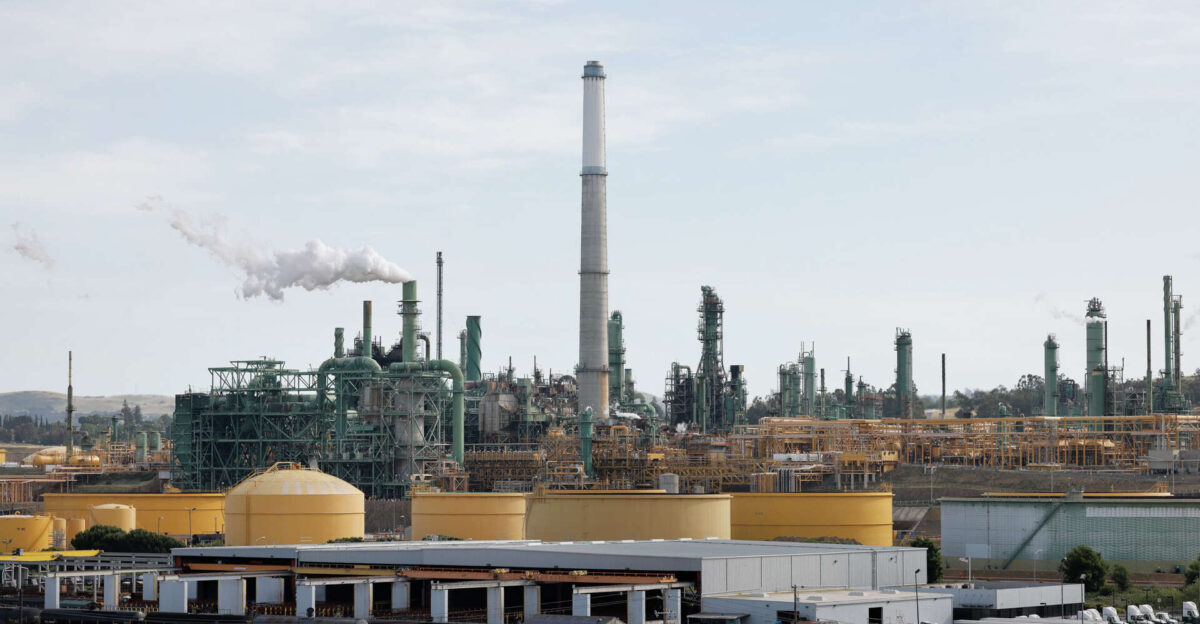
California’s refinery shake-up is still unfolding, but the core story is clear: Valero’s Benicia refinery, which can process about 170,000 barrels of crude a day, roughly 9% of California’s refining capacity, is being taken out of the refining business and shifted into a storage-and-import hub.
Company filings and state officials describe a plan to idle or cease refining operations by late April 2026, with no restart on the table, while continuing to supply Northern California using inventories and imported fuel coordinated with state agencies. Analysts say this marks a turning point for California’s fuel system, raising questions about prices, jobs, and long‑term energy security as the state moves away from fossil fuels.
A Refinery That Powered California
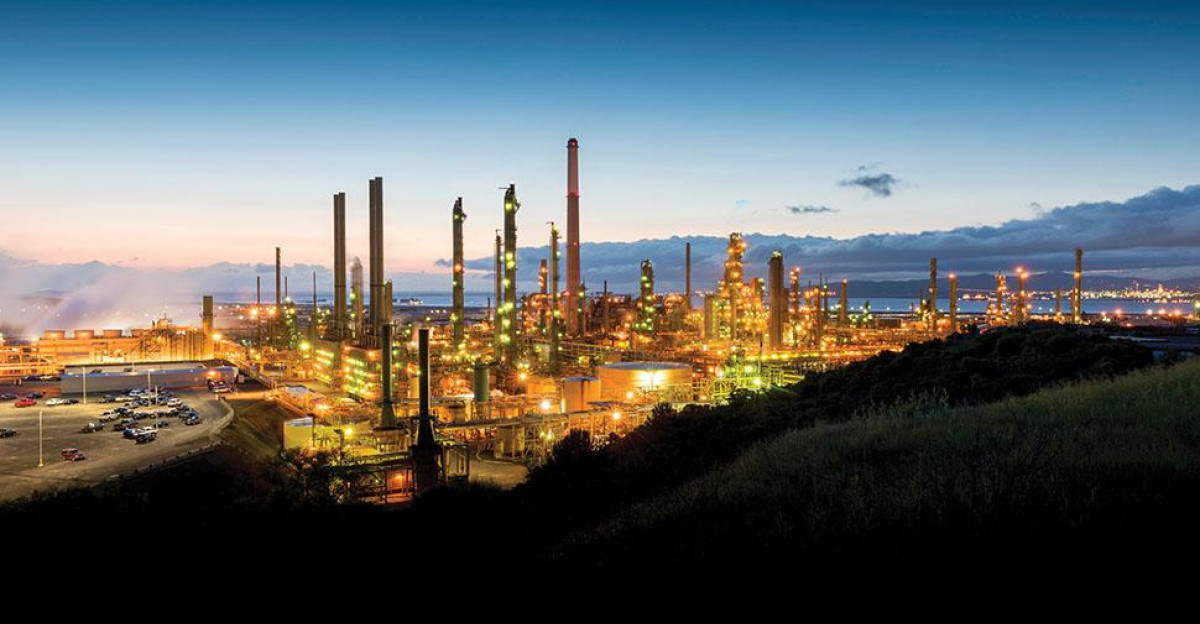
For more than half a century, the Benicia refinery has been a workhorse of California’s fuel supply. Built in the late 1960s and later acquired by Valero, it produces gasoline, diesel, jet fuel, and asphalt that feed Northern California’s cars, trucks, and airports. Its 170,000‑barrel‑per‑day capacity makes it one of the larger plants in the state and a key link in a system that already operates with little slack.
Over time, the state has gone from a dense network of refineries to a smaller, more concentrated system, leaving each remaining facility more critical than before. That context explains why Benicia’s exit from refining is drawing so much attention in Sacramento and beyond.
Why Valero Is Stepping Back
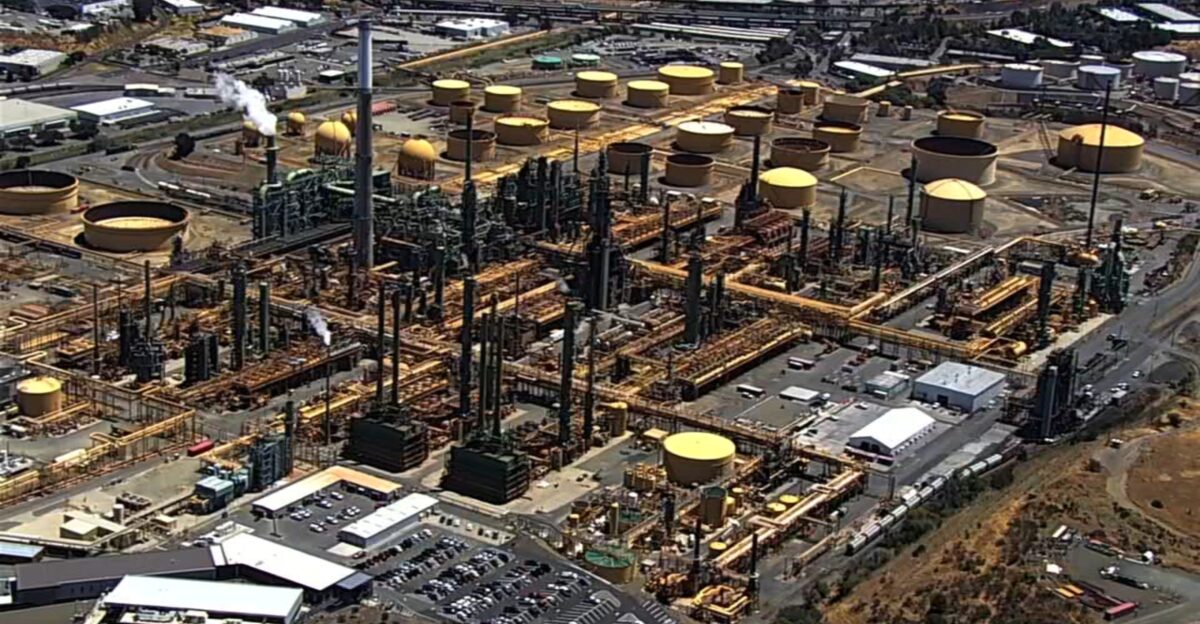
Valero’s decision is rooted in a mix of economics, regulation, and long‑term strategy. In 2025 the company booked a roughly 1.1‑billion‑dollar impairment on its California refineries, a public signal that it sees less future value in these assets under the state’s rules. It formally notified the California Energy Commission that it intends to “idle, restructure, or cease refining operations” at Benicia by the end of April 2026.
Company leaders have pointed to California’s high costs and tough regulatory environment as key factors in the move. “We understand the impact that this may have on our employees, business partners, and community, and will continue to work with them through this period,” CEO Lane Riggs said, while making clear that Benicia’s refining future is effectively over. The refinery will remain an industrial site, but its role will shift from making fuel to moving and storing it.
What Shutdown Really Means
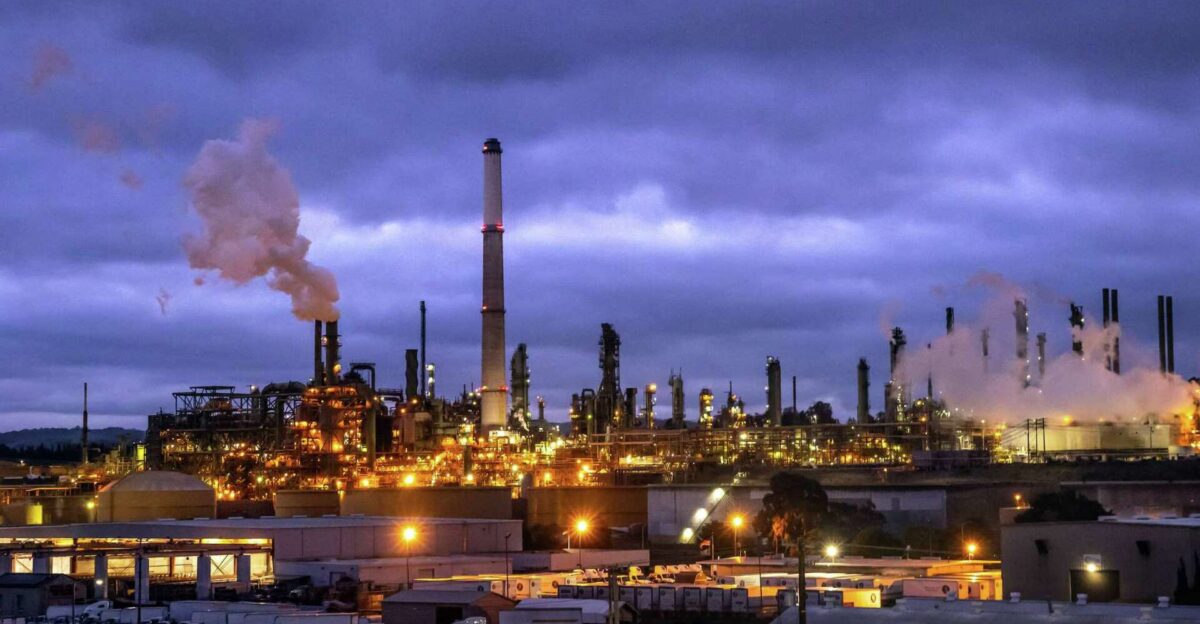
The headline phrase permanently shuts down can sound absolute, but in industry and regulatory filings the language is slightly more cautious, describing “idling” and the cessation of refining operations at Benicia starting in 2026. In practical terms, however, those words lead to the same place: Valero has no plan to restart refining at the site, and is instead converting its operations there into a terminal that will handle inventories and imports.
Reuters reports that Valero will keep producing gasoline into early 2026, then fully idle processing units while continuing to supply Northern California with fuel shipped in from elsewhere. Governor Gavin Newsom’s office echoes that framing, saying the state is working with Valero on an “orderly transition” from an active refinery to an import‑based role.
A Hit to California’s Capacity
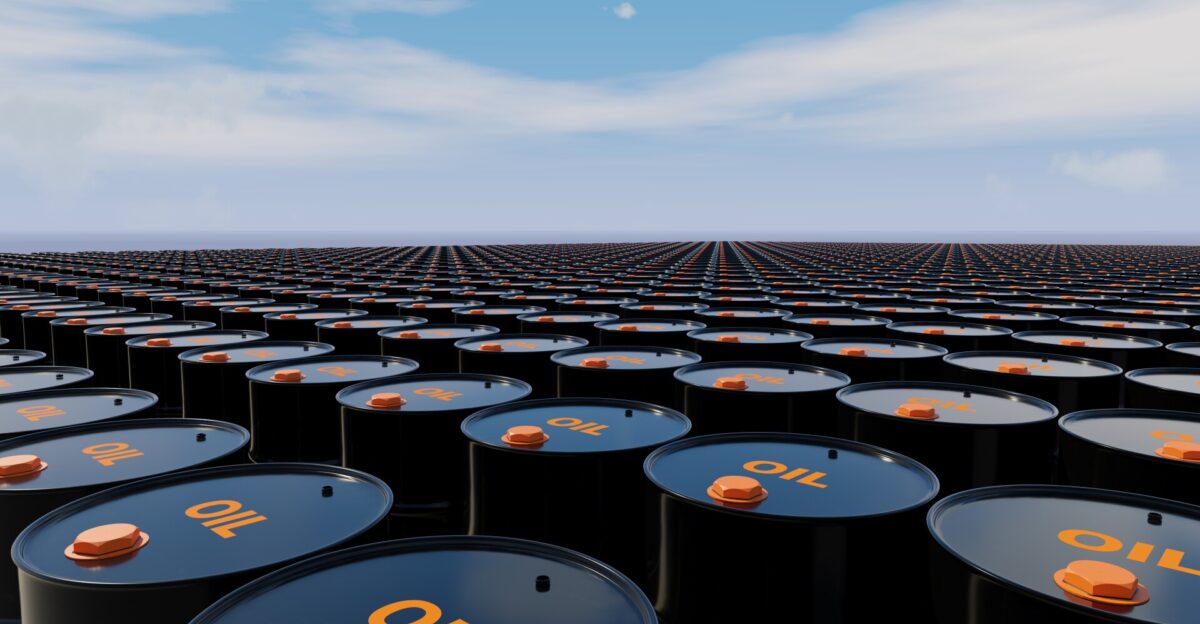
Several independent sources converge on the same capacity story: Benicia accounts for about 170,000 barrels per day of crude throughput, or roughly 9% of the state’s total refining capacity. When combined with the earlier Phillips 66 Wilmington/L.A. closure, California is on track to lose close to a fifth of its gasoline refining capacity within a few years. Stillwater Associates projects that Benicia’s shutdown alone will cut West Coast gasoline production by about 9%, with smaller but still meaningful drops of around 3% for jet fuel and 5% for diesel.
That makes the plant’s closure a regional as well as a state‑level story. “The planned shutdown of Valero’s Benicia refinery marks a significant turning point for the West Coast fuel landscape,” Stillwater writes, warning of growing reliance on imports and heightened vulnerability to disruptions, particularly in California.
How Supply Will Be Replaced
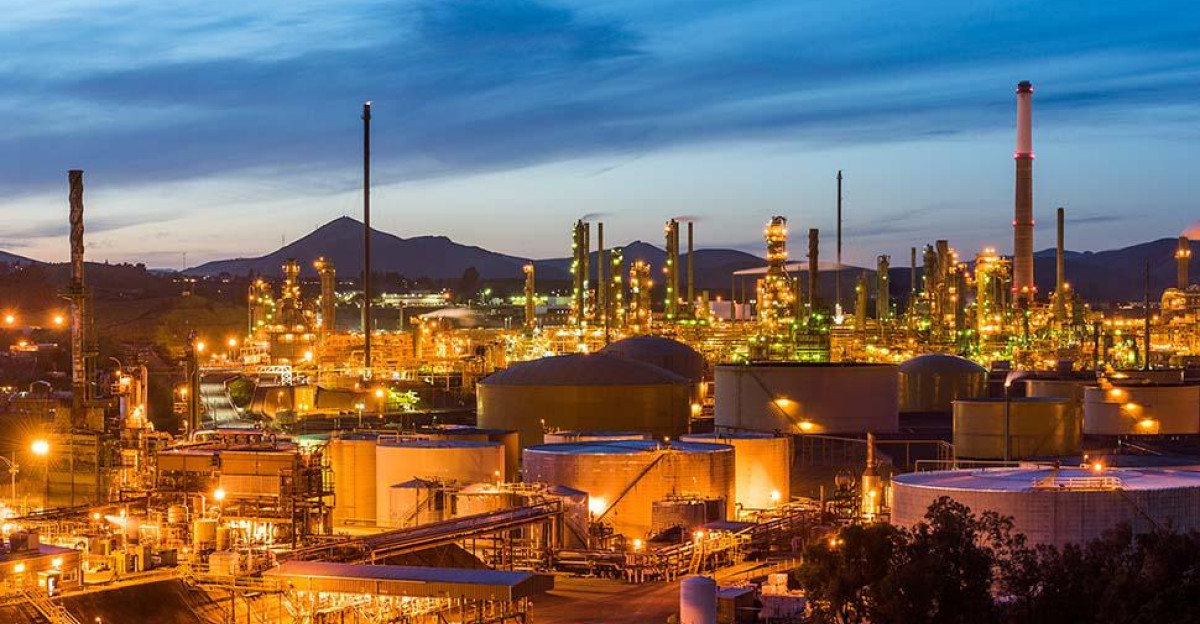
Even as Benicia’s refining units go dark, Valero says it will keep serving the California market as a fuel supplier. The company plans to use stored inventories and then increase imports of gasoline and blending components delivered by ship to Benicia and other terminals. Reuters reports that Valero has been in “regular discussions” with the Newsom administration and the California Energy Commission about these plans, with the aim of avoiding sudden shortages or price spikes during the transition.
Stillwater’s modeling suggests that, with Benicia gone, gasoline imports to the West Coast will need to rise to cover the shortfall, while diesel and jet fuel can be balanced with a mix of regional production and existing exports. That shift moves California further into what analysts call an import parity market, where prices are set by the cost of bringing in the marginal barrel from global suppliers rather than producing it locally.
What It Means for Prices
The most careful work so far on Benicia’s price impact comes from economists Neale Mahoney and Ryan Cummings at Stanford’s SIEPR, who model the closure’s effect on retail gasoline. They estimate that replacing Benicia’s output with marine imports could have impacts “between negligible, and 15 cents per gallon as a conservative upper bound,” assuming streamlined permitting that allows the refinery to convert smoothly into a product terminal.
Crucially, they emphasize that the marginal barrel of gasoline in California is already imported, so some transport costs are likely embedded in today’s prices. Rather than promising a specific, fixed jump at the pump, both analyses frame the impact as a bounded, scenario‑driven range shaped by logistics, infrastructure, and future policy choices.
Local Budgets and Jobs
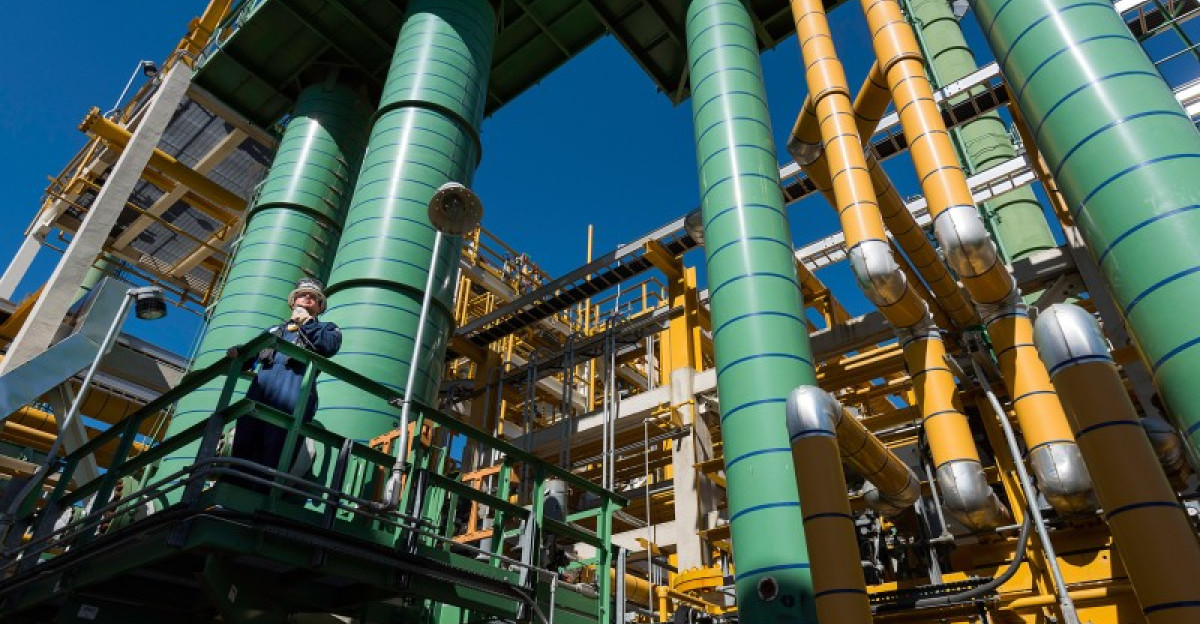
In Benicia itself, the closure lands hardest on city finances and refinery workers. City officials estimate that losing refinery‑related taxes and fees will blow roughly a 7.7‑million‑dollar hole in the annual budget, a hit they describe as “significant and seismic” for a small community. That money helps pay for core services such as police, fire, and public works. On the jobs front, public filings and news reports suggest “hundreds” of workers will ultimately be affected as refining ceases in 2026.
Rather than anchoring to a single wage‑loss figure, analysts generally describe the impact as tens of millions of dollars in annual pay disappearing from the local economy and from surrounding businesses that rely on refinery employees.
State and Expert Views on Risk

Governor Newsom’s office has tried to reassure Californians that the state can navigate Benicia’s exit without a full‑blown energy crisis. In a January 2026 statement, he said California is coordinating closely with Valero “to protect consumers and maintain fuel reliability as the refinery winds down operations,” framing the transition as part of a broader move toward cleaner energy. The California Energy Commission, in hearings and background reports, has highlighted new transparency rules, advanced‑notice requirements for closures, and efforts to ensure terminals and ports can handle more imports.
At the same time, outside experts caution that the state is entering a more fragile period. Stillwater warns of “growing reliance on imports and heightened vulnerability to supply disruptions,” particularly for gasoline. Mahoney and Cummings stress that their relatively modest price impacts depend on logistical bottlenecks being cleared.
A Turning Point in the Transition
Benicia’s shutdown crystallizes the tension at the heart of California’s energy transition. On one side are aggressive climate and air‑quality goals, which require reducing reliance on gasoline and diesel and ultimately phasing out fossil fuel infrastructure. On the other are immediate concerns about prices, local jobs, and the resilience of the fuel system during the decades‑long shift to electric vehicles and cleaner technologies.
Long‑run projections show gasoline demand falling, potentially by around 40% by mid‑century, which would eventually justify lower in‑state refining capacity. But for now, demand is easing more slowly than capacity, creating a tight market where each refinery closure carries outsized consequences.
Sources:
Reuters, Valero to keep importing gasoline after Benicia refinery closure, January 6 2026
Office of Governor Gavin Newsom, Governor Newsom’s statement on Valero’s Benicia refinery update, January 5 2026
Neale Mahoney, An Analysis of The Valero Benicia Refinery Closure on Gasoline Prices in California, June 19 2025
Industrial Info Resources, Valero Plans Gasoline Imports as California Refineries Close, January 8 2026