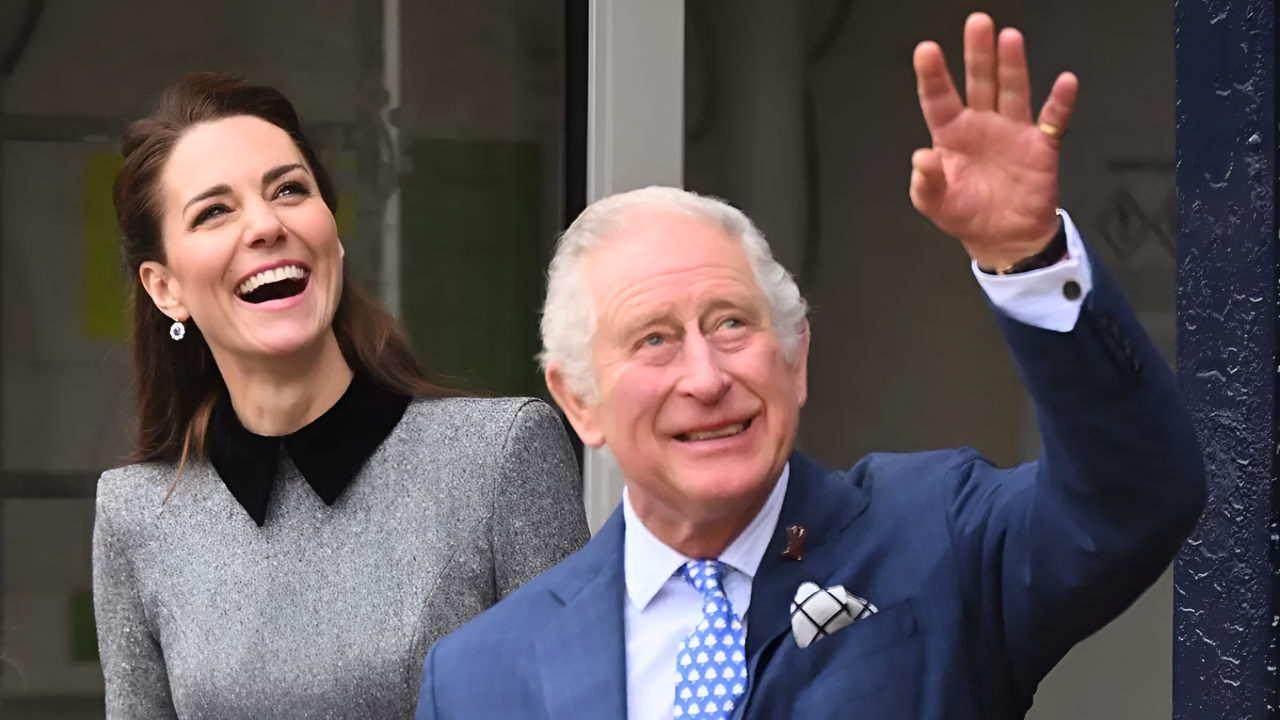
King Charles III and Queen Camilla have granted nearly 600 Royal Warrants since 2022, extending a time-honored tradition that elevates British suppliers with a mark of royal excellence. As the monarchy adapts to modern demands, this system now welcomes new grantors, signaling fresh opportunities for businesses amid economic challenges.
Royal Warrants trace back to the 15th century, formally honoring companies that supply the British Royal Household with goods or services on a regular basis for at least five of the last seven years. Holders, over 800 strong today—including names like Heinz and Burberry—display the Royal Arms for five years, boosting sales and consumer trust across the UK. Grants have historically come from the monarch and consort, quietly bolstering industries for generations.
Since Charles ascended the throne in 2022, he and Queen Camilla have invigorated the process, awarding nearly 600 warrants by 2025. Applications for the next round opened ahead of grants due in early 2026, reflecting heightened interest from firms facing post-pandemic competition. This surge underscores the warrants’ role as a prestige symbol, helping suppliers stand out in crowded markets.
Expanding Grantor Ranks
In 2025, King Charles empowered Prince William and Catherine, Princess of Wales—often called Kate Middleton—with authority to issue warrants, marking Kate as the first Princess of Wales in 116 years to hold this role since Queen Mary in 1910. The Royal Warrant Holders Association confirmed the update to the grantor framework. Their initial awards are slated for early 2026, opening doors for UK businesses from London fashion houses to Scottish grocers.
Kate’s Entry Draws Attention
Catherine’s involvement carries particular weight, given her public influence known as the “Kate effect,” where her style choices spur rapid sales. Designers like Alexander McQueen, Emilia Wickstead, Jenny Packham, and Catherine Walker—firms linked to her wardrobe—stand poised to qualify if they meet the five-year supply threshold. Heritage brands such as Burberry already hold warrants under other grantors, but newcomers must demonstrate sustained royal household ties. Successful applicants will feature the Prince or Princess of Wales’s cypher alongside the Royal Arms, enhancing domestic and export appeal.
Historical Context and Gaps
Princess Diana, Princess of Wales from 1981 to 1996, never received warrant-granting powers, preserving a selective tradition. Charles’s decision bridges this 116-year interval, aligning the system with contemporary royal roles. Commentators note the move’s commercial potential, especially in fashion, beauty, and lifestyle sectors, though strict rules and five-year terms demand consistent excellence amid market volatility.
Economic and Strategic Reach
Warrants affirm quality and reliability, aiding small and mid-sized suppliers in preserving crafts and jobs during UK cost pressures. Charles and Camilla’s nearly 600 grants highlight the monarchy’s industry support, now extending to William and Kate’s priorities like mental health, early years, and craftsmanship. International tours could further showcase these brands, influencing global perceptions where royal endorsement holds sway.
As early 2026 nears, the debut warrants from William and Kate will reveal how this evolved tradition intersects with royal values and business needs. This broadening of authority reinforces the monarchy’s soft power, sustaining ties to British enterprise while navigating ongoing scrutiny.
Sources:
Royal Warrant Holders Association, About Royal Warrants
BBC News, “Catherine becomes Princess of Wales”, 2022
Lady Sinclair Substack royal analysis, 2025–2026
Cosmopolitan UK royal protocol reporting, 2025
LADbible royal news feature, 2026
Country & Town House and other specialist royal warrant explainers