
There’s a moment many people recognize before they admit it to themselves. You’re still showing up to meetings, still answering emails, still signing off with the company name, but the job no longer fits the way it used to. Something has shifted, and part of you is already looking ahead.
Resigning isn’t just an administrative step. It’s a career moment that can quietly shape how you’re remembered, which relationships last, and how many doors stay open after you leave. The goal isn’t drama or disappearance. It’s to exit in a way that protects your reputation, your network, and your future options.
Get Clear Before You Make the Move

Before you resign, clarity matters more than confidence. Career experts consistently recommend confirming what comes next before giving notice. That includes start dates, compensation, and ideally a written offer. Even solid opportunities can change, and resigning too early can leave you vulnerable if plans shift or fall through.
It also helps to decide how you’ll explain your decision. Not the full story — just a steady, neutral version you can repeat. Growth, role alignment, career direction, or personal circumstances are all valid. You don’t owe anyone every detail, but you do owe yourself a reason you can stand behind without getting defensive or emotional.
Have the Conversation Like a Professional

Whenever possible, resign in person or over video rather than by email alone. Most workplace guidance views this as more respectful and professional. Ask for a short private meeting and keep your message simple: you’ve decided to move on, your planned last day, and your appreciation for the opportunity.
You can offer a brief explanation, but this isn’t the time to unload every frustration. Career coaches often suggest framing the conversation around what you’re moving toward, rather than what you’re escaping. That small shift helps preserve goodwill and keeps the interaction focused on the future, not past grievances.
Your Notice Period Matters More Than You Think
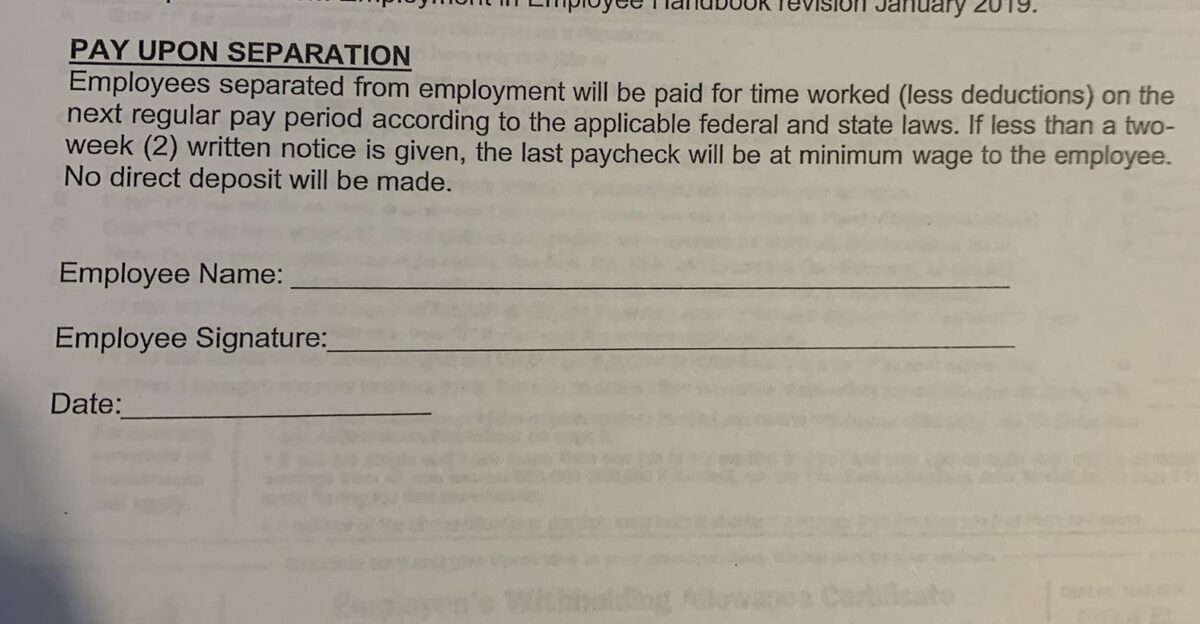
For many people, the lasting impression isn’t formed when they resign — it’s formed afterward. Standard advice suggests giving about two weeks’ notice when possible, or following your contract if it specifies otherwise. During that time, your job is to leave things in good order.
That means documenting processes, sharing project updates, and offering reasonable help with transitions or training. It doesn’t mean overworking out of guilt or trying to prove loyalty. It means leaving your work — and your name — in a condition you’d be proud of later.
Don’t Burn Bridges on the Way Out

Burning bridges can feel satisfying in the moment, but it often limits future opportunities in quiet, unpredictable ways. Recruiters and hiring managers talk, and former colleagues frequently reappear later as references or collaborators. Many career resources stress staying professional, avoiding gossip, and keeping sensitive information confidential after you leave.
That doesn’t mean pretending everything was perfect. It means choosing the right place for honesty — often with trusted friends, mentors, or outside support — rather than in exit interviews or team chats.
Leaving a job is rarely an emotionally clean experience. Relief, anxiety, gratitude, and readiness can coexist. If you handle the practical steps with care and the human moments with respect, you can leave without damage behind and with far more options ahead.
Sources: