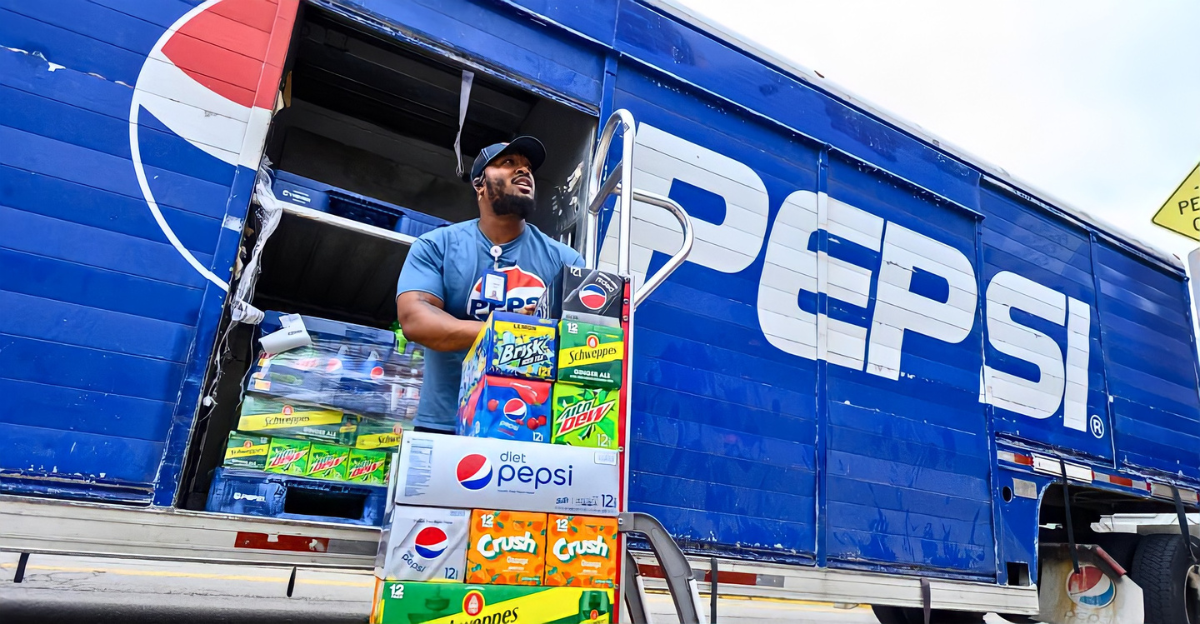
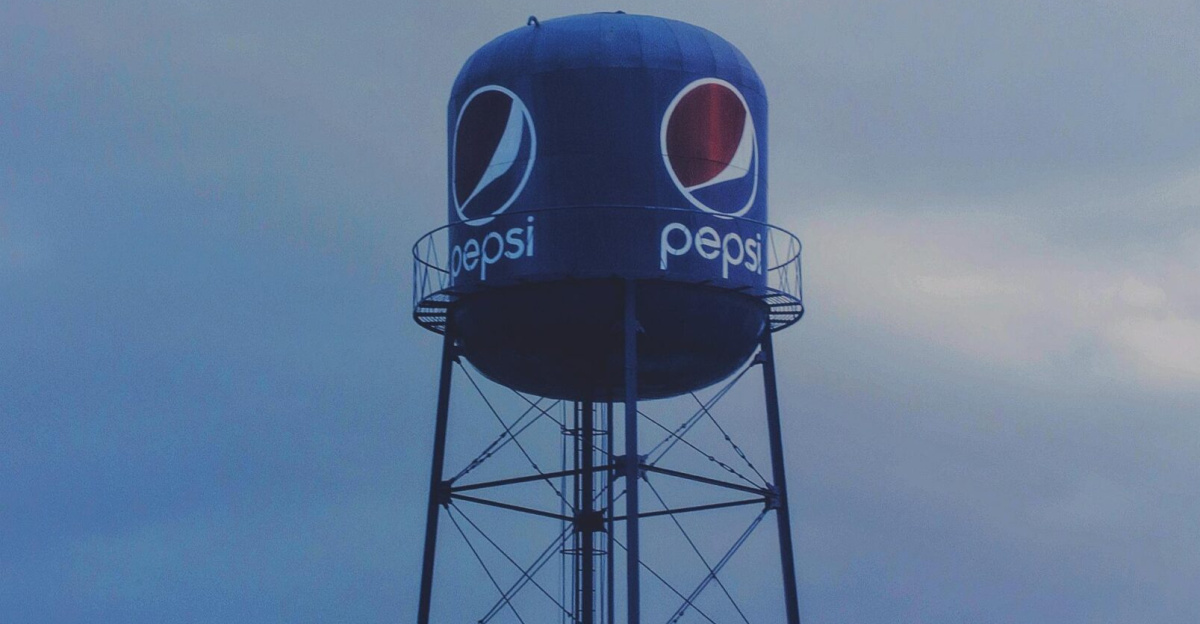
Detroit’s Pepsi plant has been a vital part of the community for over 80 years, producing millions of beverages and employing generations of workers. Its long history has made it a cornerstone of the city’s manufacturing sector.
However, as industry challenges arise, even established facilities face new risks, prompting questions about the future of such legacy operations.
Industry at a Crossroads
The U.S. beverage sector is facing challenges, with soda sales declining in recent years and major brands consolidating operations.
PepsiCo, once the second-largest soda seller, is now competing closely with others as consumer preferences change. This situation has raised concerns for the Detroit plant and its workforce.
Eight Decades of Production

The Detroit Pepsi plant has a rich history, having been established over 80 years ago. Throughout its existence, it has navigated various economic challenges, including wars and recessions, while also adapting to the significant industrial changes within the city.
The plant stands as a testament to Detroit’s resilience and ability to evolve in response to shifting circumstances.
Mounting Economic Pressures
In recent years, the beverage industry has encountered challenges such as declining sales, rising costs, and shifting consumer preferences.
PepsiCo reported a 2% drop in North American beverage sales last quarter, continuing a long-term trend. These issues have led the company to rethink its manufacturing operations nationwide.
Closure Announcement
On July 21, 2025, PepsiCo made an announcement regarding the permanent closure of its manufacturing, maintenance, and transport operations at the Detroit plant, located at 1555 Mack Avenue.
This decision will take effect on September 27, 2025, marking the end of over 80 years of continuous beverage production at this location.
Jobs Lost
The recent closure will lead to the layoff of around 83 employees, which includes 11 union-represented workers from Teamsters Local 337 and Operating Engineers Local 324.
This job loss has a considerable impact on Detroit’s manufacturing workforce and the local economy.
Workers React
The announcement regarding workforce changes at the plant surprised many employees, some of whom had dedicated decades to their roles, contributing to their careers and supporting their families.
In response to this situation, PepsiCo has committed to providing pay and benefits during the transition period. However, there remains a sense of uncertainty for those who may risk losing their jobs.
Competitors and Regulation
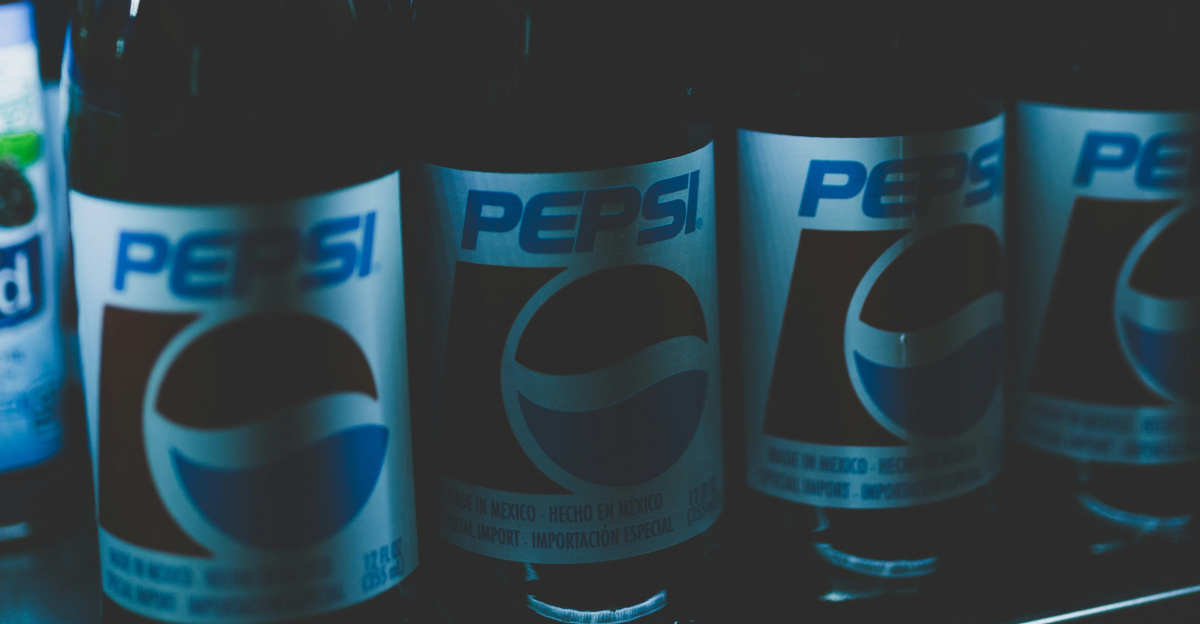
PepsiCo’s recent plant closures align with moves by other beverage companies. Last year, it shut down Chicago, Atlanta, Cincinnati, and Harrisburg facilities.
The federal WARN Act, which requires advance notice for mass layoffs, complicates these decisions.
Macro Trends: Shifting Tastes
The beverage industry is shifting towards healthier options, leading to a decline in traditional soda demand.
In response, PepsiCo has launched prebiotic sodas and protein beverages, but legacy facilities like Detroit’s struggle to adapt to these changes.
Union Involvement
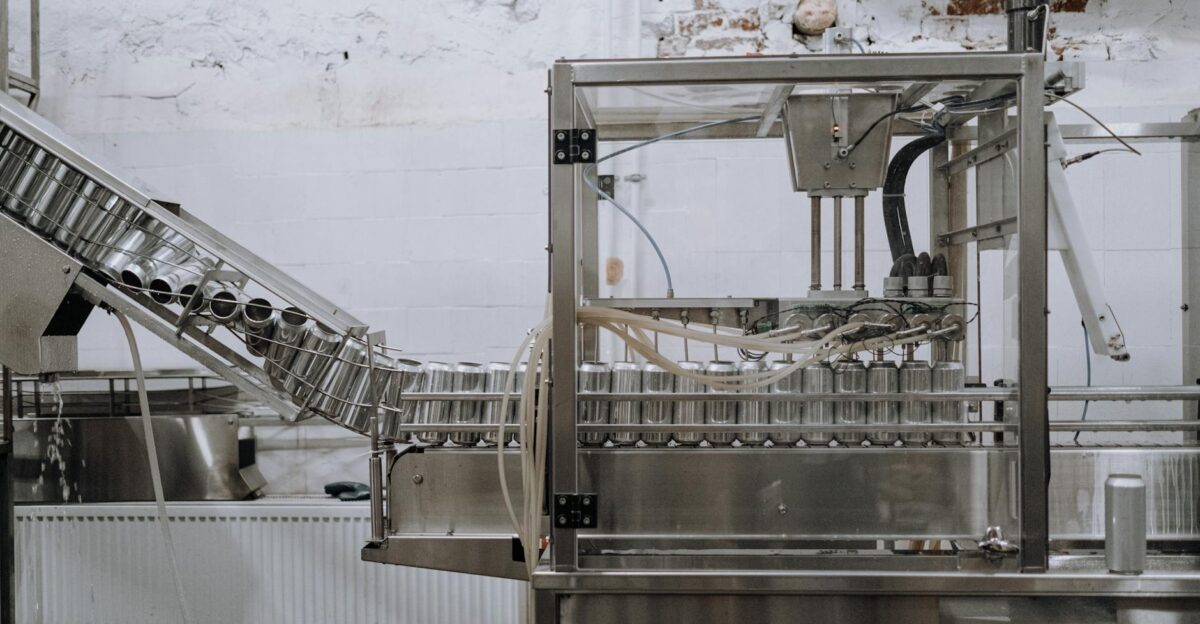
The recent layoffs include 11 union members, emphasizing the significant presence of organized labor within Detroit’s manufacturing industry.
This closure highlights the persistent conflict between corporate efforts to reduce expenses and the protections that unions provide for workers’ jobs.
Internal Frustration
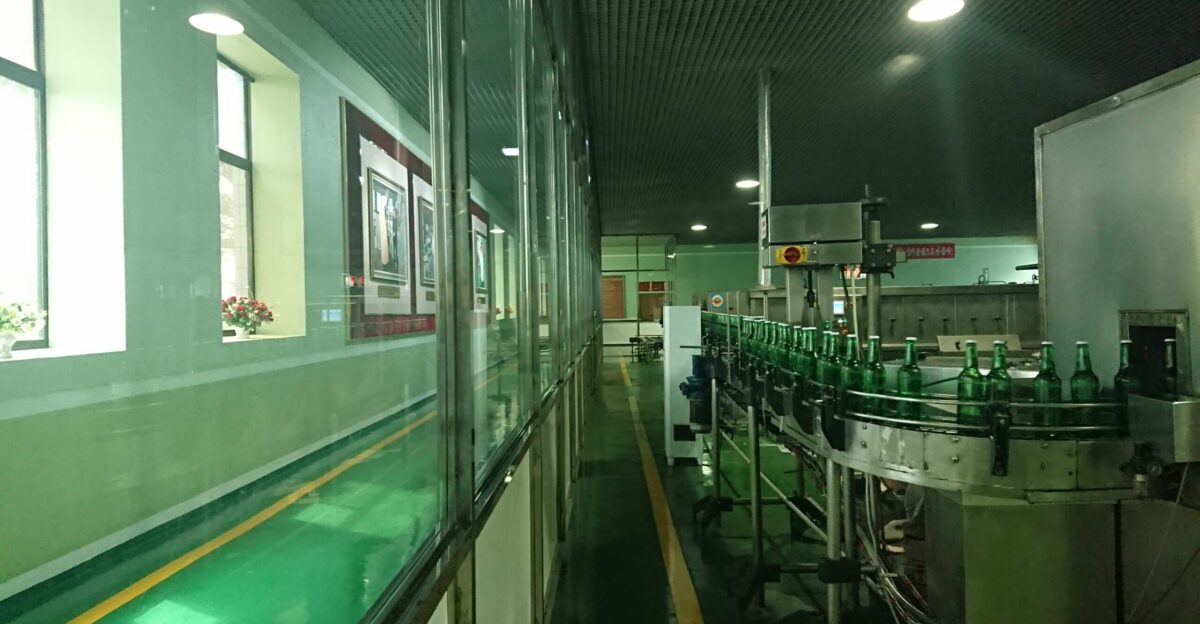
Some workers and union representatives have expressed frustration over the closure, questioning whether all alternatives were explored.
Concerns about transparency and the adequacy of severance packages have surfaced, fueling calls for greater corporate accountability.
Leadership and Strategy
PepsiCo’s executive team has emphasized the need for operational efficiency and productivity.
CFO James T. Caulfield recently stated that plant closures are part of a broader strategy to streamline North American operations and adapt to changing market conditions.
Recovery Efforts
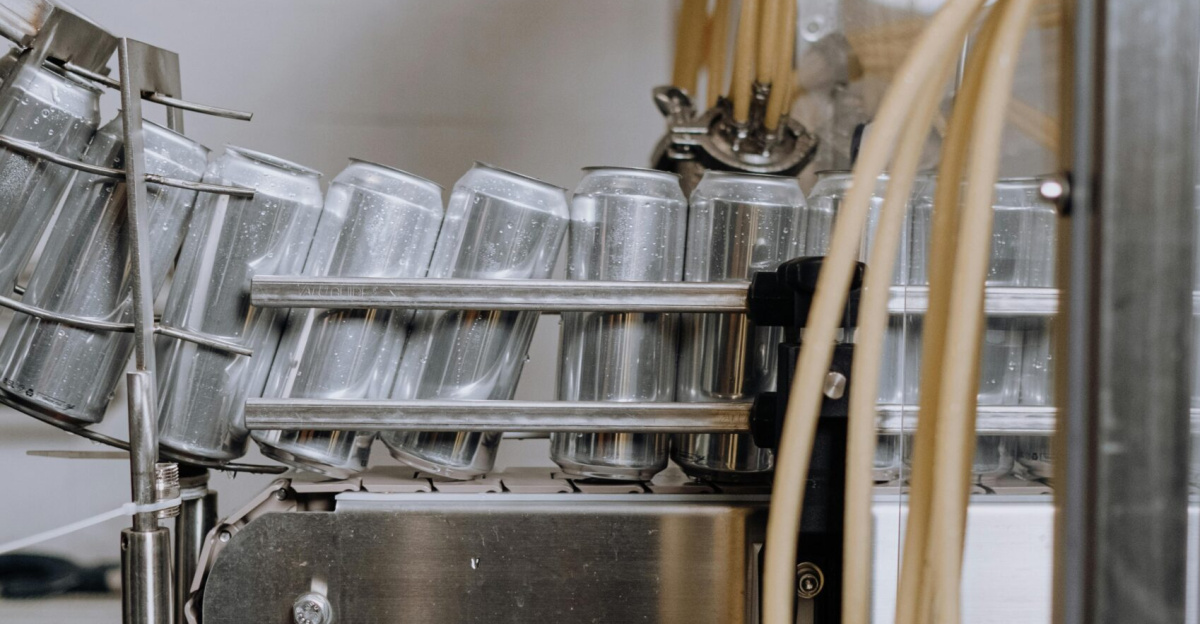
PepsiCo says it is actively working to place affected employees at nearby facilities and is providing information about other job openings.
The company also offers pay and benefits during the transition, though details vary by worker and position.
Expert Outlook
Industry analysts remain skeptical about the long-term impact of such closures.
While consolidation may improve short-term margins, experts warn that repeated layoffs could erode brand loyalty and damage community relations.
What’s Next for Detroit?

The closure raises questions about Detroit’s future as a manufacturing hub. Will other legacy plants follow suit, or can the city reinvent itself once again?
The answer may depend on how quickly new industries and opportunities emerge.
Policy Implications

The shutdown spotlights the importance of labor protections like the WARN Act, which requires advance notice for mass layoffs.
Policymakers may face renewed calls to strengthen worker safeguards as plant closures become more common.
International Ripple
PepsiCo’s restructuring efforts extend beyond the United States, as the company has also shut down snack and beverage production facilities in various international locations.
This move aligns with a global strategy to enhance operational efficiency in response to evolving consumer preferences and the challenges posed by economic uncertainty.
Legal and Environmental Angles

Legal experts note that affected workers should review severance agreements carefully, as waivers may limit future claims.
Meanwhile, the environmental fate of the Detroit site remains unclear, raising questions about site remediation and redevelopment.
Cultural Shifts
The closure reflects broader cultural changes: younger consumers are less loyal to legacy soda brands, and health trends are reshaping the beverage landscape.
Detroit’s Pepsi plant, once a symbol of tradition, now marks a generational shift in tastes and values.
End of an Era

The permanent closure of Detroit’s Pepsi plant signals more than the loss of jobs—it marks the end of a manufacturing era.
As the city and industry adapt, 1555 Mack Avenue’s story reminds us of resilience and the relentless pace of change.