
U.S. employers announced 892,362 job cuts through August 2025, marking the highest year-to-date total since the pandemic began. This represents a 66% surge from last year’s comparable period.
Major corporations such as Intel and Microsoft have eliminated tens of thousands of positions, while government efficiency initiatives have triggered unprecedented federal workforce reductions.
Record Monthly Devastation

August delivered 85,979 job cuts, a devastating 39% increase from July’s 62,075 layoffs. This marked the highest August total since the pandemic-driven crisis of 2020, which saw 115,762 cuts.
The monthly figure exceeded August 2024 by 13%, showcasing accelerating layoff momentum rather than any sign of economic stabilization.
Multiple Economic Pressures Converge
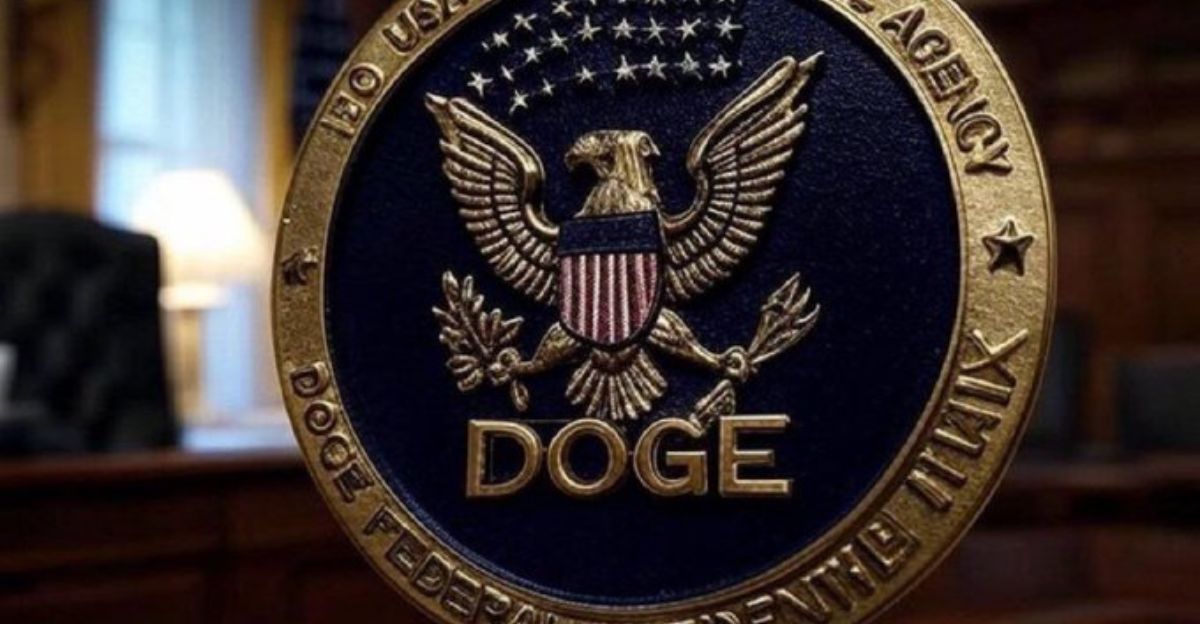
The Department of Government Efficiency has cut over 280,000 federal positions across 27 agencies. Economic uncertainty, inflation, and AI adoption are driving private sector restructuring.
Companies cite market volatility, store closures, bankruptcies, and AI implementation as key reasons for workforce reductions across all organizational levels.
Corporate Giants Lead Job Elimination
Intel plans to cut over 12,000 positions globally as part of a 20% workforce reduction strategy. Microsoft has trimmed more than 15,000 jobs across its cloud, gaming, and hardware divisions.
These technology giants create ripple effects throughout supply chains and local economies, amplifying the impact of these job losses.
Pharmaceutical and Financial Sectors Hit Hard

Pharmaceutical companies announced 19,112 job cuts in August alone, with 22,433 overall this year—a 142% increase from 2024. Financial firms eliminated 18,092 positions in August, reaching a total of 44,986 cuts.
Economic uncertainty and patent expirations are pressuring these traditionally stable sectors into unprecedented workforce contractions.
Historical Context Reveals Severity

August 2025’s layoff total is the highest for any August since the Great Recession’s 88,736 cuts in 2008. Only the pandemic crisis of 2020 exceeded current levels of layoffs.
This historical perspective indicates that current employment conditions rival previous major economic downturns in both scale and impact.
Technology Paradox Emerges

Technology companies announced 102,239 job cuts despite record AI investments. Intel eliminated entire divisions, while Microsoft streamlined operations to fund substantial AI infrastructure.
Meta, Google, Amazon, and Salesforce have also cut staff while expanding artificial intelligence capabilities in their operations.
Retail Apocalypse Accelerates

Retailers reported 83,656 job cuts through August, a staggering 242% increase from last year’s 24,489 layoffs. Major chains, such as Macy’s and JCPenney, have closed hundreds of locations.
Joann even filed for bankruptcy for the second time, shuttering all its 800 stores after 80 years of operation.
Healthcare Insurance Crisis Deepens

Blue Cross Blue Shield of Michigan has reduced its workforce by 600 positions after offering buyouts. Healthcare insurers are under increasing pressure from regulatory changes and market volatility.
Kaiser Permanente, Mass General Brigham, and Christus Health have announced additional significant cuts as operational costs continue to rise.
Federal Government Workforce Decimated
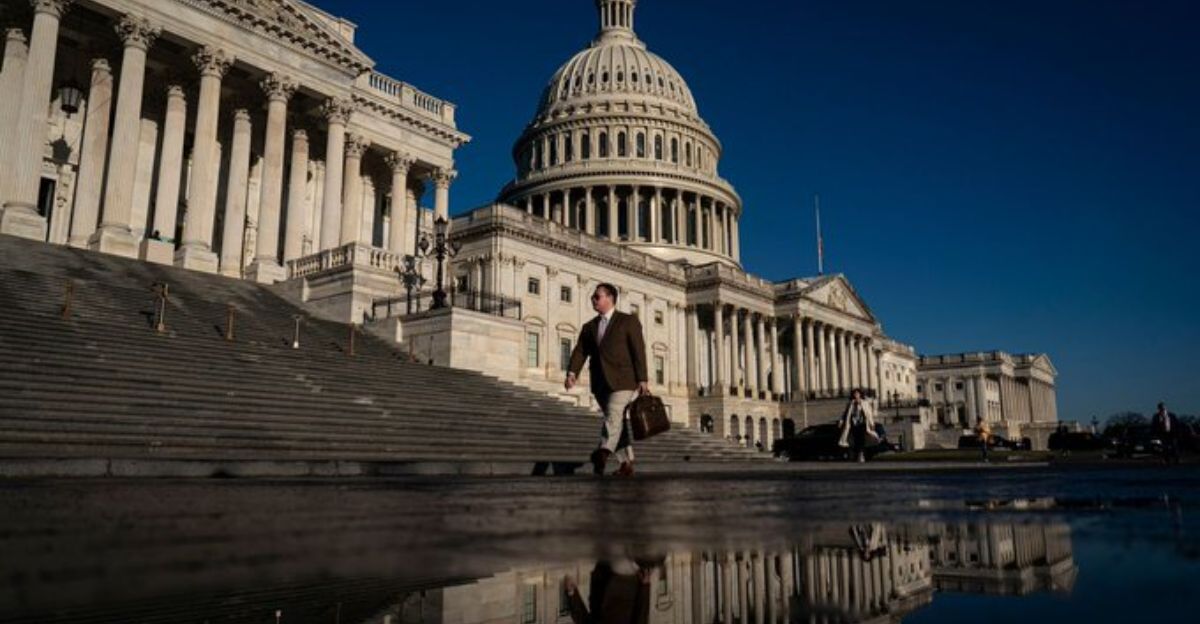
The Department of Government Efficiency announced the elimination of 280,253 federal positions across key agencies, including the IRS and Social Security Administration.
With nearly 75,000 federal employees accepting voluntary resignation packages, the government’s service delivery capabilities have been fundamentally reshaped.
Artificial Intelligence Drives Automation
Companies directly attributed 10,375 job cuts to AI implementation. IBM eliminated thousands of HR roles after automating processes.
Microsoft reports that AI now generates 30% of its code, justifying widespread engineering layoffs across development teams.
Expert Predictions Turn Dire

Trading Economics projects an additional 150,000 job cuts by quarter’s end, with elevated layoff levels expected to sustain through 2026. Experts warn that layoff announcements are on the rise while job openings remain stagnant.
Economic forecasters are increasingly concerned that labor markets may edge toward recession-level disruption.
Vulnerable Job Categories Identified

Roles in middle management, customer support, and data analysis face the highest elimination risk. Entry-level white-collar positions are particularly vulnerable as AI begins to automate routine tasks.
Some experts predict that AI could eliminate up to 50% of entry-level white-collar jobs within the next five years.
Regional Economic Devastation

Northern Virginia has seen unemployment rise for six consecutive months due to federal job cuts. The D.C. metro area could see unemployment rates jump significantly with these proposed reductions.
Virginia’s unemployment rate may nearly double if significant federal workforce reductions occur.
Strategic Restructuring Accelerates

Companies have started to implement sophisticated efficiency strategies beyond temporary cost-cutting measures. Intel has cut entire automotive chip divisions while integrating international operations.
Microsoft is flattening its management structure, reducing layers of oversight to improve operational efficiency.
Economic Uncertainty Persists

Companies cite tariff uncertainty and consumer spending constraints as factors in workforce planning. Rising operational costs and margin pressures create perfect storm conditions.
Businesses are prioritizing short-term survival over employment stability, suggesting that layoffs may continue regardless of broader economic indicators.
Structural Labor Market Changes

Goldman Sachs economists warn that the job market approaches “stall speed,” where weakening becomes self-reinforcing. The Federal Reserve is closely monitoring employment data while balancing economic stability.
Analysts suggest that present trends signal a fundamental inflection point in the labor market rather than a transient adjustment.
Broader Economic Implications

High-wage sector layoffs threaten middle-class prosperity and consumer spending power. Areas dependent on major employers are particularly vulnerable to economic ripple effects.
The psychological impact on remaining workers could lead to productivity challenges that further perpetuate economic uncertainty across industries.
Transformation of Work Itself

America is facing its largest layoff wave since the pandemic, as artificial intelligence reshapes the fundamentals of employment. Government efficiency initiatives and economic uncertainty have created conditions extending beyond traditional business cycles.
All stakeholders—workers, policymakers, and business leaders—must navigate these challenges while innovating approaches to economic security for the future.