
On September 14, LuxUrban Hotels filed for bankruptcy, marking one of the most dramatic failures in the hospitality industry. Amid unpaid worker wages and locked-out tourists, the hotel chain’s collapse exposed alarming systemic failures.
Over $22 million in legal claims and mounting debts underscored the vulnerabilities hidden within its operations, leading to this breathtaking downfall.
Unraveling Financial Strain

LuxUrban’s ambitious asset-light model relied on master leasing properties instead of direct ownership. While designed for rapid growth during the post-pandemic boom, this strategy proved perilous under financial strain.
Without ownership equity to cushion its losses, LuxUrban became highly vulnerable to cash flow problems when landlords demanded overdue payments and faced increasing regulatory fines.
The Weight of Legal Pressure

As LuxUrban struggled, it faced numerous lawsuits and over $22 million in unsecured claims from various creditors. The confluence of legal challenges highlighted the fragility of its operational model.
Those lawsuits included allegations of deceptive practices and violations tied to its aggressive leasing strategies, compounding financial difficulties and further isolating the company.
The Harsh Reality of Debt
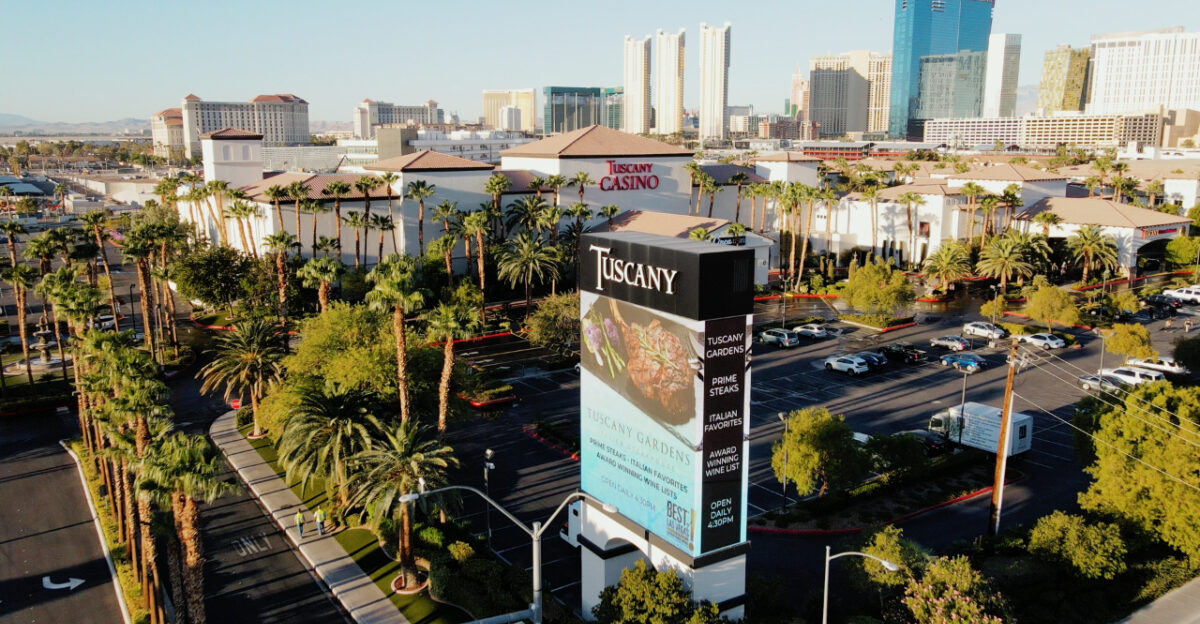
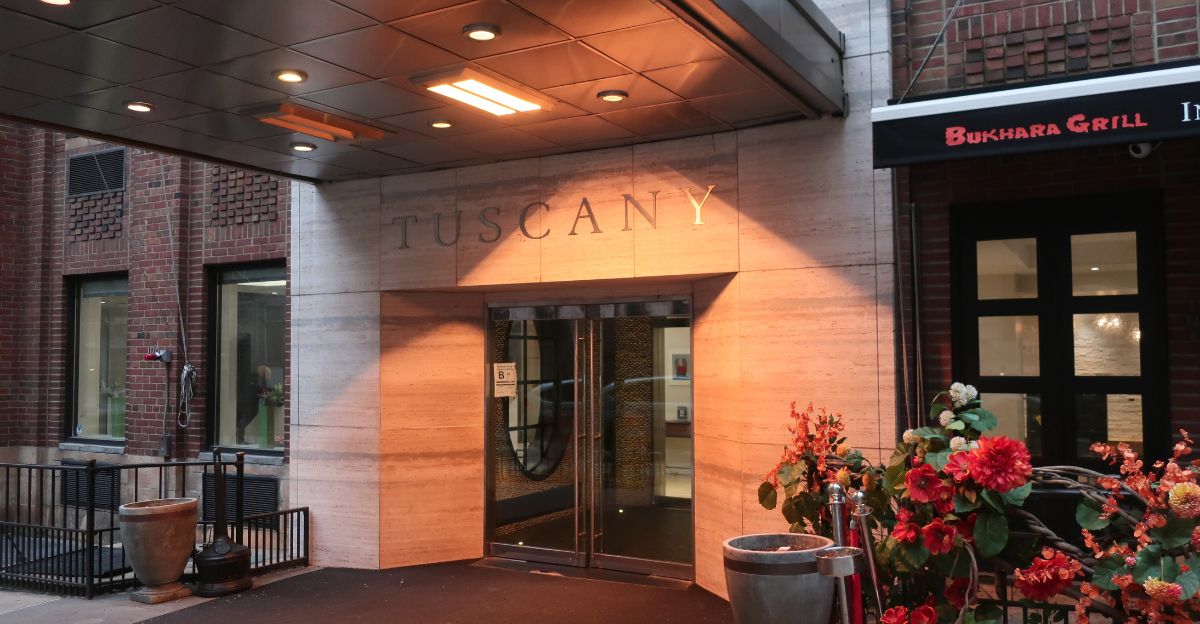
A pivotal moment came when the company revealed $14 million owed to the Tuscany Hotel landlord, its largest individual creditor. This mounting debt pushed the property toward foreclosure and catalyzed the bankruptcy filing.
The Tuscany’s plight exemplified how LuxUrban’s reliance on one landlord could jeopardize the entire chain. It foreshadowed the impending collapse for an empire built on overleveraging and financial mismanagement.
Human Impact Revealed

As investigations unfolded, the turmoil affected LuxUrban’s employees in visceral ways. Workers like housekeeping supervisor Jose Flores reported an inability to meet basic needs due to unpaid wages.
Even as revenues flowed from ongoing bookings, staff stopped coming to work, amplifying operational failures and raising further ethical concerns about worker treatment.
Guests Left Stranded
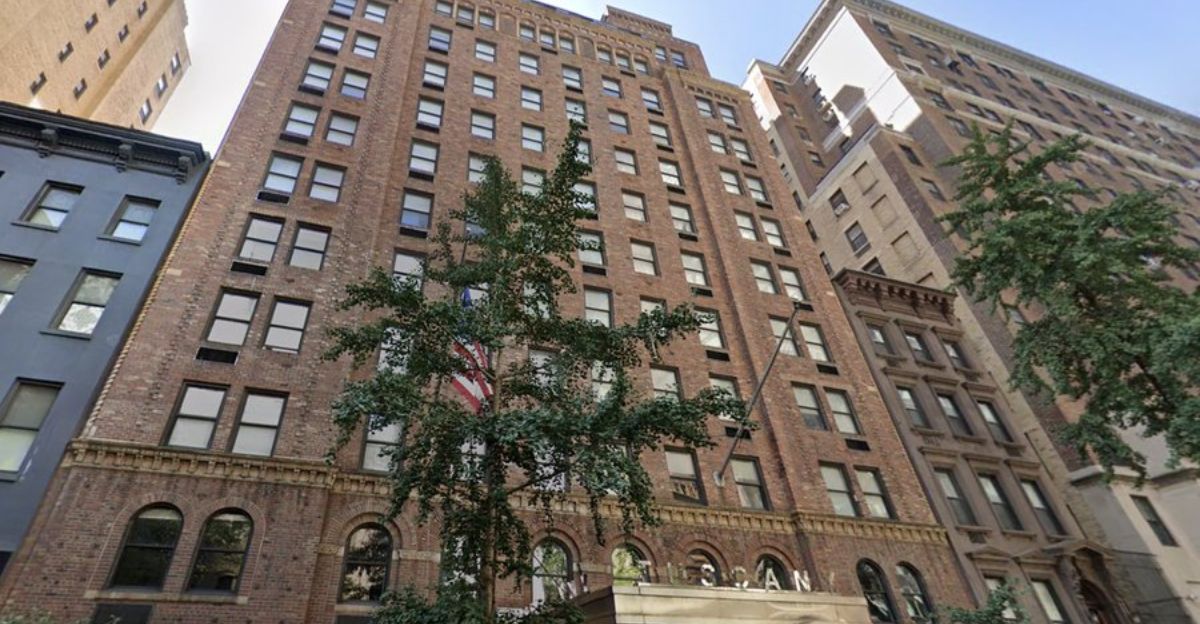
The human cost was equally devastating for guests. Tourists, including a family from Argentina, faced cancellations without refunds, landing them without alternative accommodations.
“I can’t believe that these things happen,” said guest Martina Ferrari, whose shocking experiences highlighted the growing chaos at LuxUrban properties during the collapse.
Regulatory Oversight Gaps
Investors and guests weren’t the only affected parties; regulatory bodies like New York City’s Office of Special Enforcement were entangled in LuxUrban’s legal collapse.
The failure to act against LuxUrban before its bankruptcy revealed systemic shortcomings in how regulators deal with corporate mismanagement and neglect of consumer rights.
Securities Fraud Cases Arise

Alongside operational failings, LuxUrban faced allegations of securities fraud due to false statements around lease agreements. Investigations brought accusations that executives misled investors about available room inventories.
A significant announcement of a lease with the Royalton Hotel was later discredited, signaling a complete collapse of trust for stakeholders who relied on the reported expansions.
The Role of Internal Relationships
Complex creditor relationships added another layer to LuxUrban’s turmoil. The powerful investment firm Greenle Partners emerged as a major secured creditor, with $14.9 million in debt.
These dynamics increased pressure on the company, indicating that LuxUrban’s management may have prioritized insider creditor claims over broader financial integrity and investor trust.
Lessons for the Industry

The situation at LuxUrban raises alarms about the vulnerability of similar asset-light business models in the hospitality sector. The consolidation of financial pressures exposed significant weaknesses.
New insights call into question the sustainability of such operations, particularly for companies lacking sufficient capital reserves to manage crises effectively.
Regulatory Failures Highlighted
LuxUrban’s demise prompted scrutiny of regulatory strategies surrounding corporate governance and consumer protection. Persistent fraudulent claims went unchecked, leaving stakeholders unprotected.
The varied responses by agencies highlighted weak links between enforcement and the accountability required for companies operating in sensitive consumer sectors like hospitality.
The Need for Worker Protections
Current labor regulations revealed vulnerabilities as LuxUrban employees faced uncertainty without legal recourse during corporate collapse. Their status prevented access to unemployment benefits, intensifying hardships.
This glaring gap signals the urgency for proactive worker protection policies that can safeguard employees during financial crises, ensuring their livelihood and well-being.
A Broader Examination of Viability
LuxUrban’s downfall has broader ramifications across the hospitality industry, challenging existing business models and revealing pitfalls tied to rapid expansion and financial engineering.
As smaller operators reassess their strategies, it has become clear that financial structures alone cannot ensure sustainability without operational accountability and robust governance frameworks.
Future Regulations Needed
The LuxUrban case serves as a cautionary tale about the need for regulatory evolution to address the growing risk environment within the hospitality sector. Improved oversight mechanisms must be established to safeguard stakeholders.
In light of recent events, securing future business practices may revolve around enforcing rigorous compliance with operational standards, ensuring consumer protection remains at the forefront.
Why Financial Engineering Can’t Replace Stability
LuxUrban Hotels’ collapse from rapid growth to bankruptcy in just three years highlights the dangers of asset-light expansion and excessive financial engineering. With $22 million in liabilities and little to offset them, the company’s downfall shows how concentrated creditor risk and weak governance can quickly unravel ambitious strategies.
Beyond LuxUrban, the case raises questions about the hospitality industry’s reliance on lease-driven growth. For long-term resilience, sustainable operations, transparency, and stronger protections for workers and guests must take precedence.