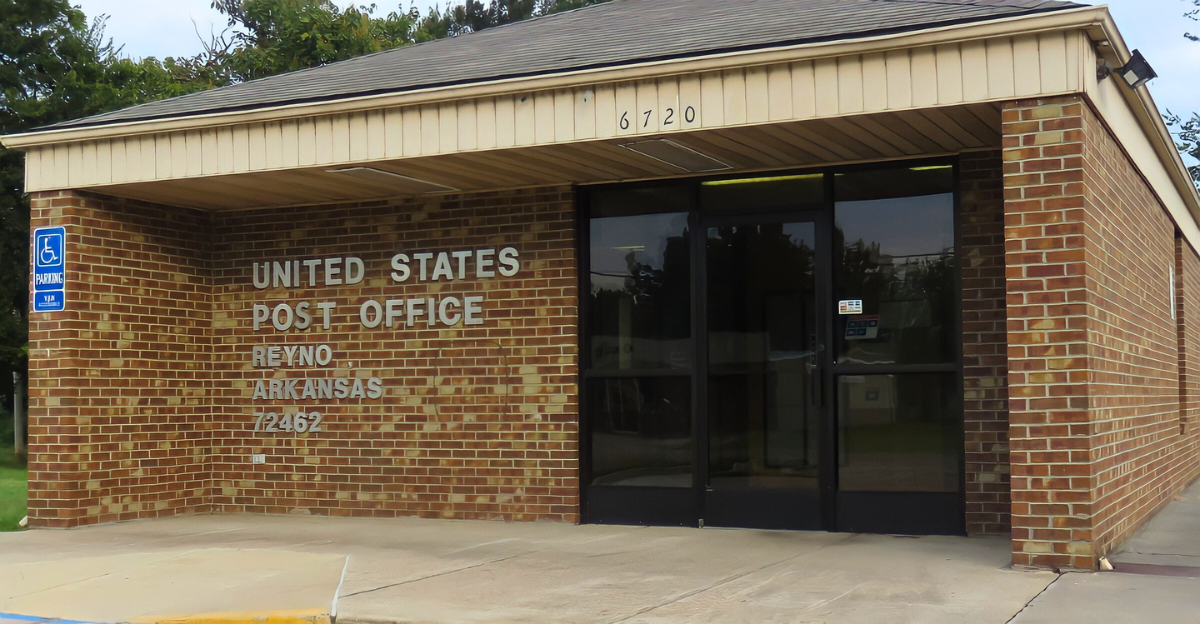
In 2025, the United States Postal Service (USPS) began shutting down more than 20 post offices across several states, with rural communities taking the brunt of the loss. These small offices have been more than places to buy stamps for decades—they’ve been gathering spots and vital service hubs.
The agency points to a $9.5 billion loss last year as the driving force behind closures. For towns already losing schools, hospitals, and stores, the move feels like another lifeline slipping away, raising fears about how residents will stay connected to the rest of the country.
Financial Strains Behind the Decision
The closures came after years of financial turmoil for USPS, which has struggled as Americans move from letters to email and from money orders to online banking. First-class mail volume—the agency’s traditional profit engine—has dropped sharply. “We realize the importance of the post office … but it’s a financial fiscal reality,” spokesman Al Dessaro said in a statement.
USPS insists the changes are about survival. But in many places, the Postal Service’s survival now seems at odds with the survival of the communities that depend on it most.
Rural Communities Shoulder the Burden
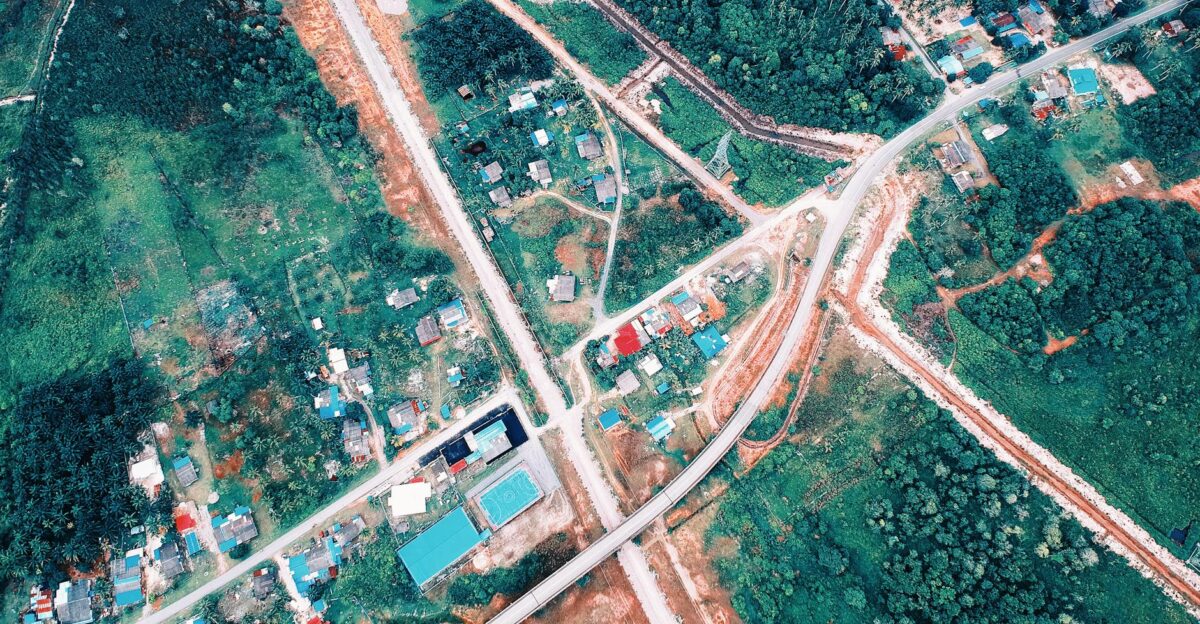
Reports from the Postal Regulatory Commission confirm rural Americans will feel these closures the hardest. Nearly 57% of all USPS locations are in small towns, covering almost 90% of the country’s geography. When one closes, it can mean a 30- to 50-mile trip for simple errands like sending a package or paying a bill.
For those without reliable cars, or for seniors who’ve always walked to their neighborhood office, that distance is daunting. In places where internet access is unreliable, losing the local post office means losing the primary link to the outside world.
Contract Units Leave Gaps in Small Towns
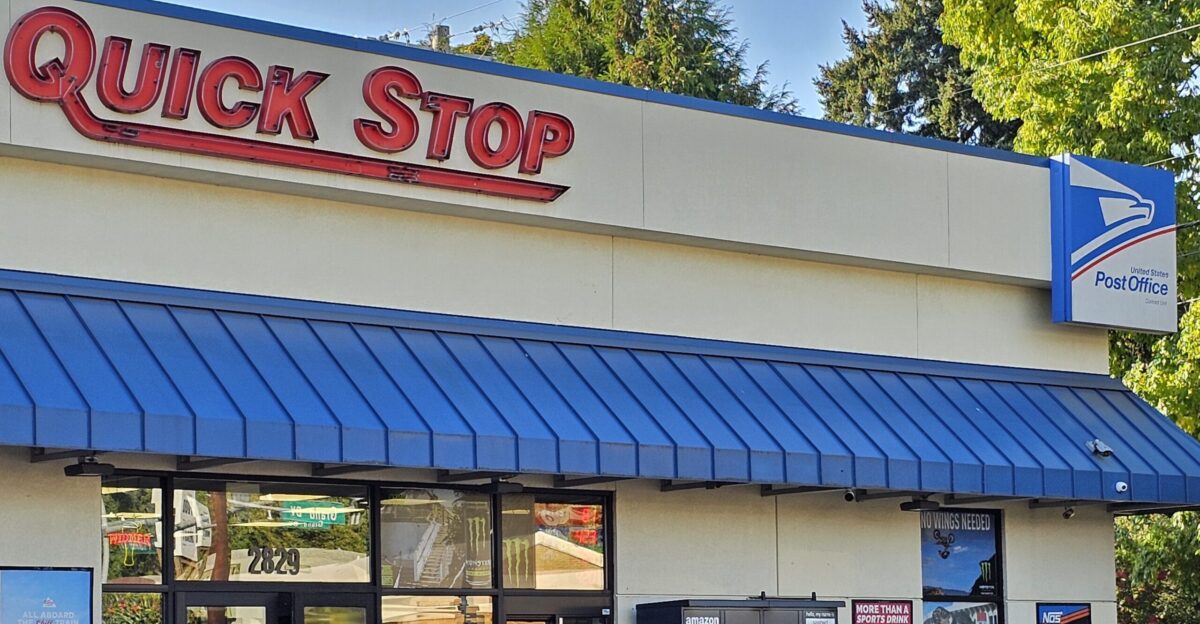
Many offices now closing are contract postal units, or CPUs, which are run by local businesses under agreements with USPS. These shops often double as gathering places, where residents can handle mail while picking up groceries or prescriptions. When the contract ends, the business loses a steady income stream, and the town loses a critical service.
In Illinois, Ohio, and South Dakota, petitions have already sprung up, as locals warn that the disappearance of CPUs will hurt small businesses and leave older residents especially vulnerable. For many, it feels like being cut off.
Balancing Efficiency With Public Mission
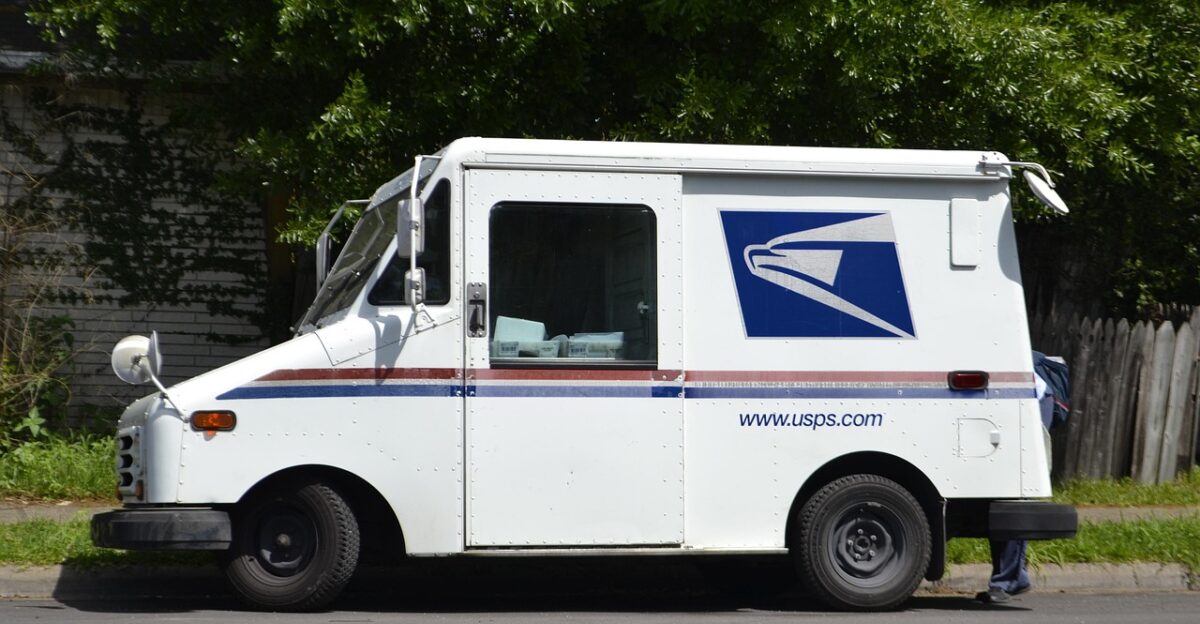
The USPS is legally obligated to serve every American household, no matter how remote. That promise—the universal service obligation—dates back over a century. Yet cost-cutting pressures increasingly collide with that mission. “It’s never going to make financial sense … we knew we had to service every American’s home, not just the ones that provide us a profit,” rural carrier Roger McDonald said in a public interview.
For critics, closures aren’t just about balancing the books. They see them as evidence that the nation is quietly abandoning its long-standing promise of equality in access.
Delivery Standards Take a Hit

It’s not only physical offices that are disappearing. In 2025, USPS lowered its on-time delivery benchmarks for first-class mail, stretching the official delivery window from three days to as many as five. The target rate for on-time mail dropped from around 90% to 80%. While the agency calls it a realistic adjustment, rural ZIP codes have been hit the hardest.
Prescriptions arrive late, payments take longer, and businesses lose reliability. The Postal Regulatory Commission warned the changes “understate the negative impact … in rural communities,” signaling that slower mail is quickly becoming the new normal in much of the country.
Stories From Communities in Transition

Behind the data are real people adjusting to longer drives and fewer options. In Colorado, resident Curt Gullen told local media that he now drives more than 10 miles to reach a functioning post office. For him, that means extra gas and time he never had to factor in before.
Small businesses say the impact is even heavier as shipping delays cut into already thin margins, and customers frustrated by wait times take their business elsewhere. For many rural towns, the loss of a post office isn’t just about stamps and mail but community survival.
USPS Defends Its Strategy
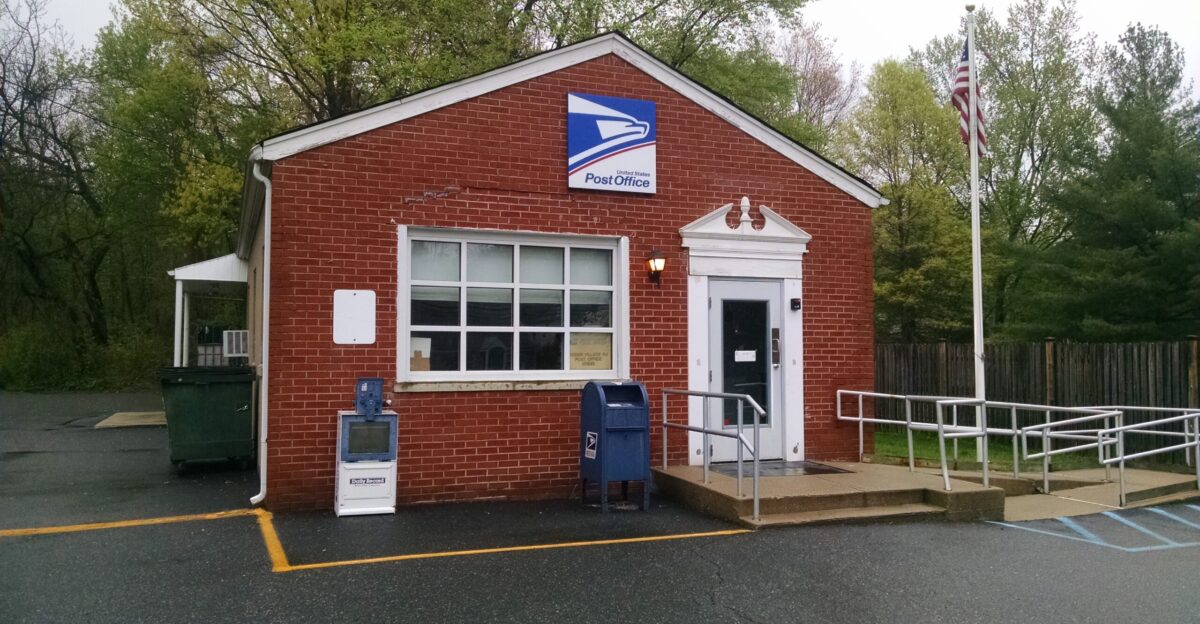
Despite the backlash, USPS maintains that essential services remain untouched. “Customers, regardless of where they live, will still receive delivery six and sometimes seven days per week,” the agency said in a public release. Officials stress that they focus on offices with the lowest demand and contracts that no longer make sense financially.
USPS is piloting “village post offices” and partnerships with retailers that sell stamps or accept flat-rate packages to fill gaps. However, these pared-down options lack the staff, infrastructure, and full menu of services that traditional post offices have long provided.
A Heated Political Issue
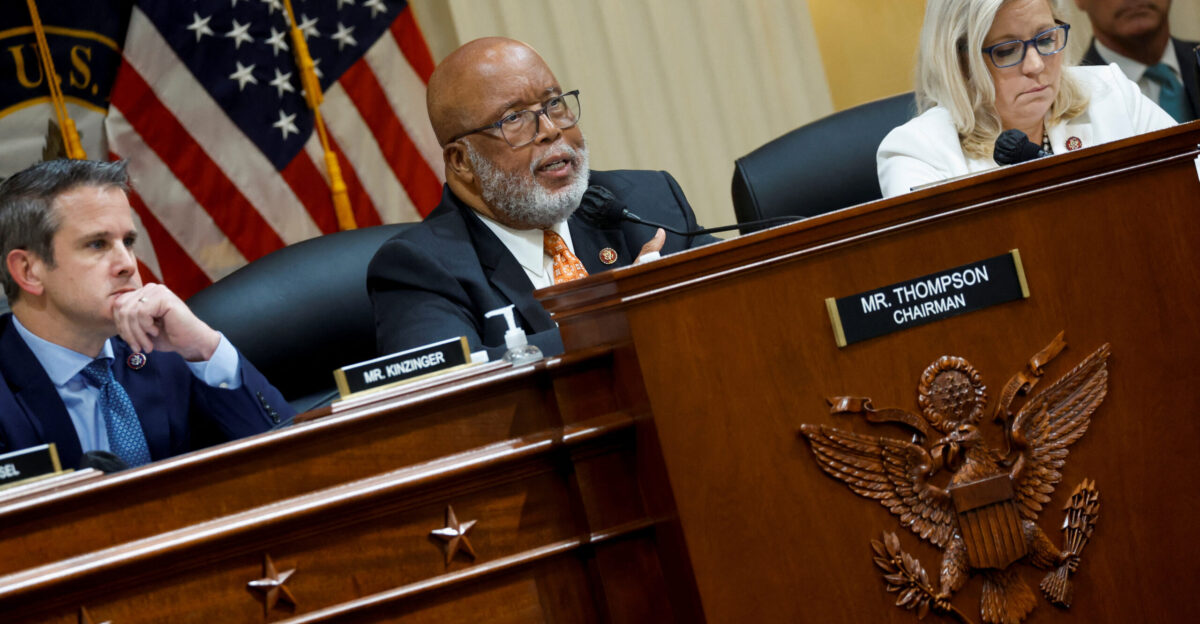
The debate over USPS closures stretches well beyond the mail counter. President Donald Trump, for example, previously described the Postal Service as a “tremendous loser for this country,” arguing it should operate more like a private business. Lawmakers remain divided. Some push privatization to end repeated deficits, while others demand stronger protections for rural areas that depend on the service.
Congressional hearings have grown heated as lawmakers consider whether the Postal Service is a business that must break even or a public service that must serve everyone.
Inside the Delivering for America Plan
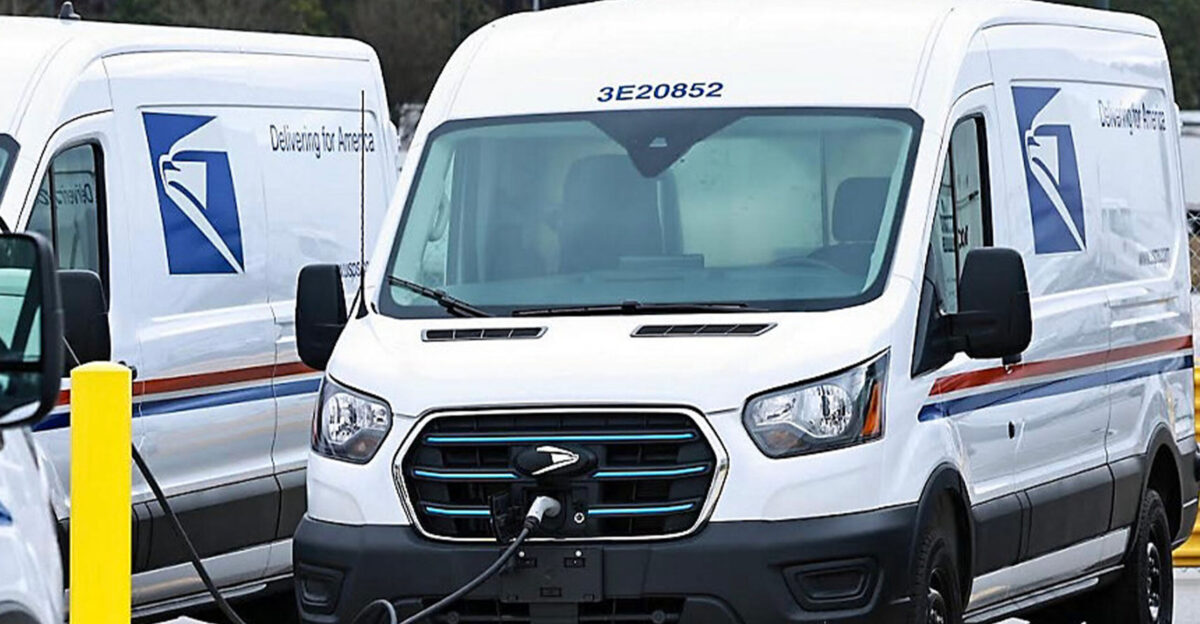
Much of today’s debate ties back to the “Delivering for America” plan, a 10-year strategy USPS launched in 2021 to overhaul operations. The plan includes office closures, staffing cuts, slower delivery standards, investments in automation, and an updated delivery fleet. Management projects annual savings of about $500 million. Supporters say that without such changes, USPS could collapse and suffer mounting losses.
Critics counter that the savings come at a steep social cost, particularly in rural areas where the post office is one of the few remaining federal presences in everyday life.
Jobs and Local Employment at Risk
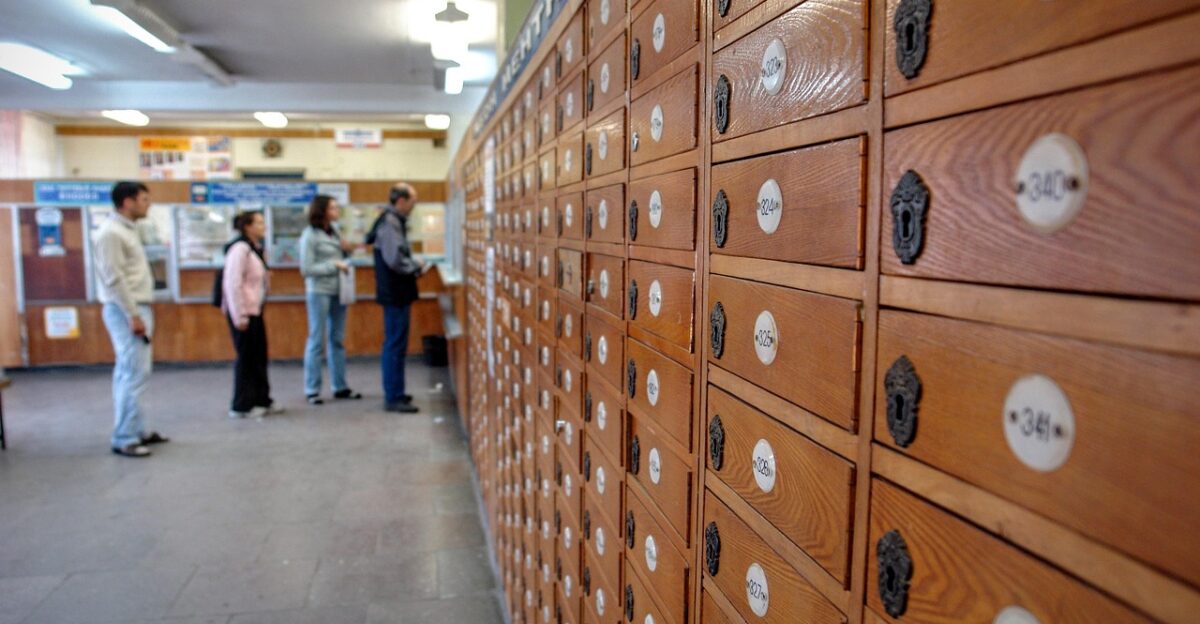
For many rural towns, the local post office isn’t just a place to send mail—it’s one of the few stable jobs around. USPS estimates that tens of thousands of positions could be cut, reassigned, or automated. Former Postmaster General Patrick Donahoe once warned that “many of these general stores are hanging on for dear life,” and closures could tip them over.
Unions argue the cuts mean not just lost jobs but lost anchors in already fragile communities. A postmaster’s paycheck can make the difference between survival and decline for small towns.
Customers Struggle With New Realities
As offices close, confusion has grown. Some towns still receive daily home delivery, while others must drive hours for routine services like sending certified mail. Complaints of lost packages, inconsistent hours, and long lines are piling up. Advocacy groups say the lack of clear communication worsens the situation, leaving residents scrambling to figure out new routines.
As one consumer watchdog report noted, abrupt service cuts without explanation “deepen mistrust” and leave people feeling like the Postal Service is abandoning the very communities it was built to serve.
Village and Part-Time Post Offices Tested
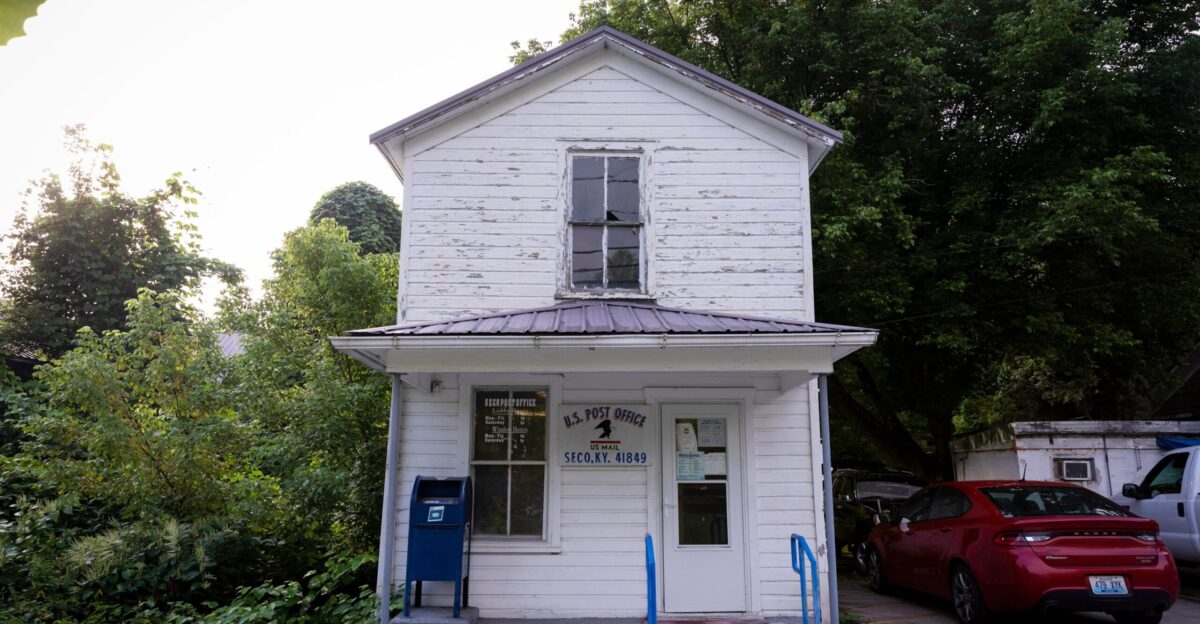
To soften the blow, USPS is experimenting with smaller models, including village post offices and part-time branches managed remotely. These offices often run just a few hours daily and provide limited transactions. In Tacoma, Washington, the Rankos Stadium Pharmacy CPU petitioned to remain open or transition into a part-time branch after its contract ended.
The alternatives are seen as innovative but imperfect. Without the staff or security of a traditional office, residents question whether these scaled-back versions are genuine solutions—or stopgaps that mask deeper service cuts.
Technology Reshaping Postal Needs

Digital transformation has hollowed out much of USPS’s traditional business. Since 2005, visits to post offices have dropped by more than 350 million as people pay bills and communicate online. Package delivery has grown with e-commerce, but not enough to compensate for the collapse of first-class mail.
For rural America, where broadband access is spotty, the local post office remains a necessity for everything from prescription deliveries to government paperwork. That digital divide explains why rural closures hit so much harder than in cities with countless alternatives.
The Legal Obligation to Serve All
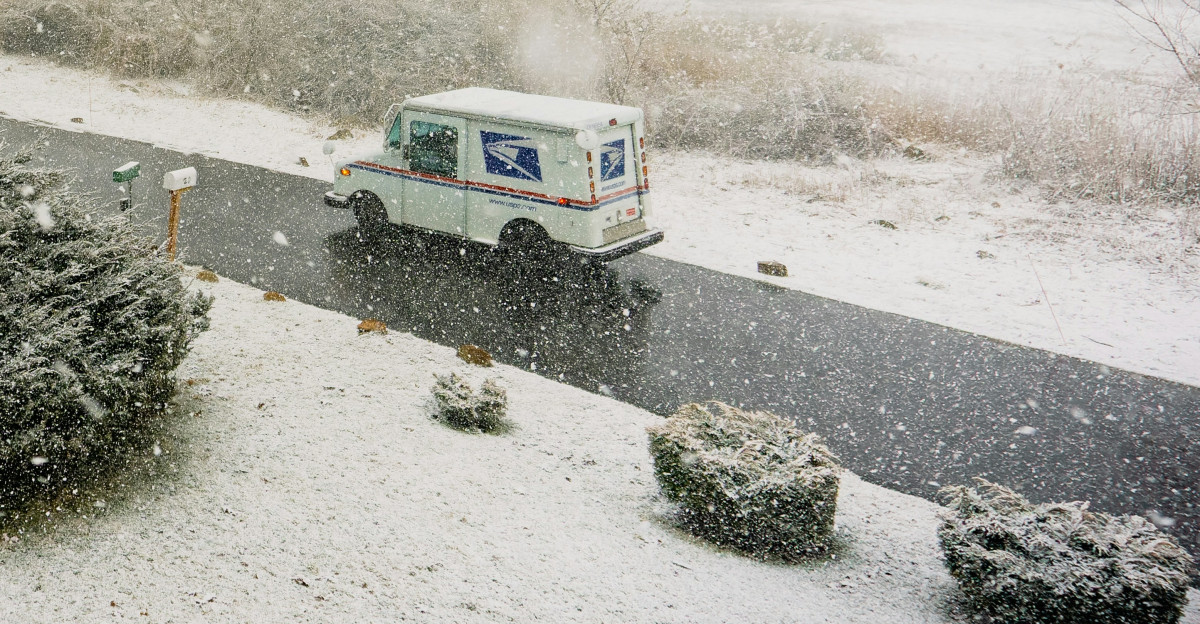
Even as services shrink, the law is clear: USPS must deliver to every address in the country, profitable or not. This universal service mandate is at the heart of today’s controversy. Advocates stress that while city residents can choose from multiple shipping options, rural Americans often rely exclusively on USPS. That makes closures not just inconvenient but potentially life-altering.
Oversight bodies like the Postal Regulatory Commission continue to monitor whether the agency’s reforms meet the legal threshold or whether downsizing erodes a guarantee Americans have counted on for over a century.
Economic Ripple Effects in Small Towns
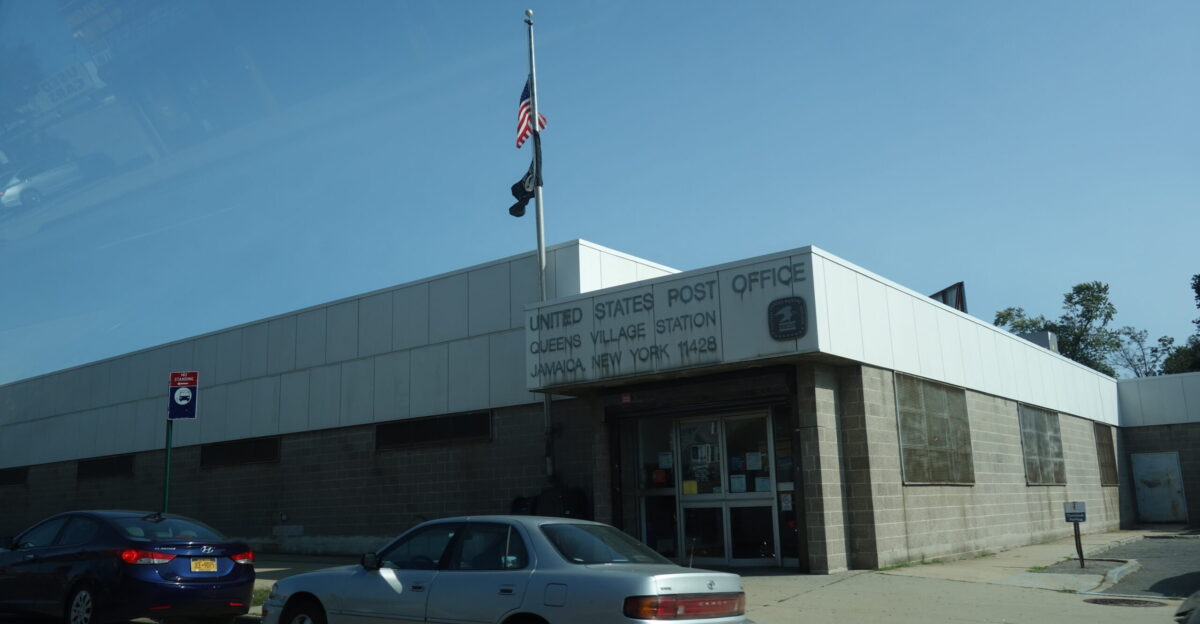
Post offices don’t just move mail; they move money through local economies. They draw foot traffic to nearby shops, serve as anchors for small-town business districts, and provide access to government services. Local markets and pharmacies often report falling sales when a post office closes.
Researchers warn that these ripple effects can worsen depopulation in rural towns that are already losing city residents. For communities trying to hang on, the disappearance of the post office isn’t just another loss—it’s a signal that survival is becoming even harder.
Rural Service Falling Behind Urban Areas
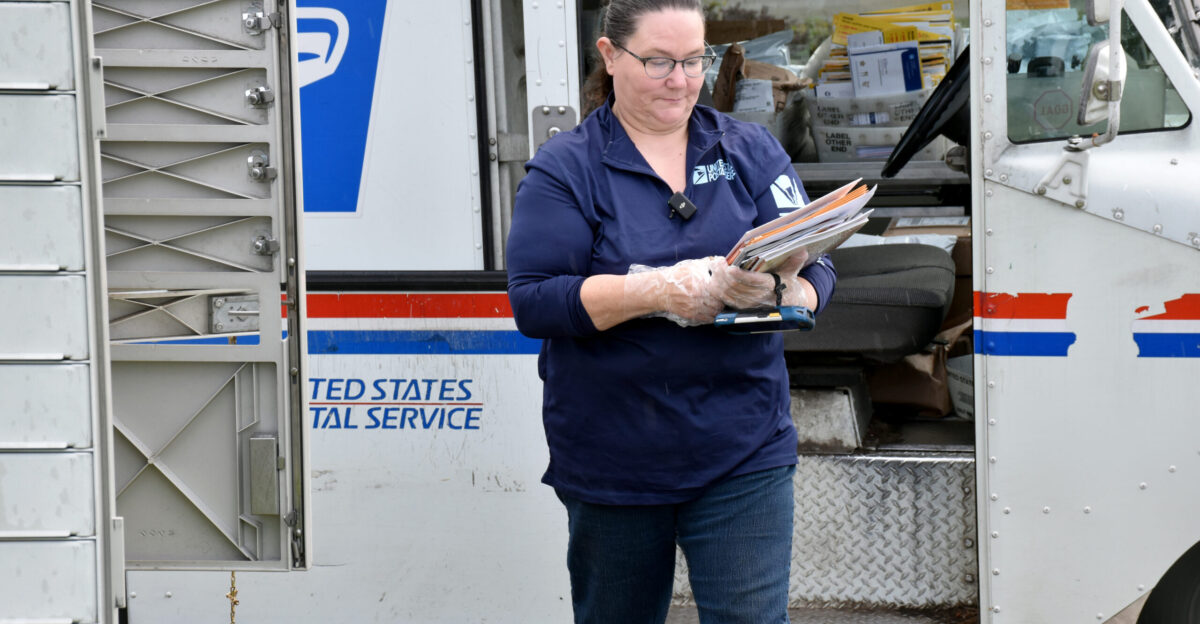
As USPS redesigns its logistics network, rural and urban delivery differences widen. The new system prioritizes efficiency in high-volume hubs, which means rural ZIP codes often fall to the back of the line.
Customers outside cities now routinely face slower package deliveries and missed deadlines compared to their urban peers. Critics warn the approach could turn rural access into second-class service, eroding trust in a system long built on the promise of equal treatment no matter where you live.
Growing Calls for Oversight
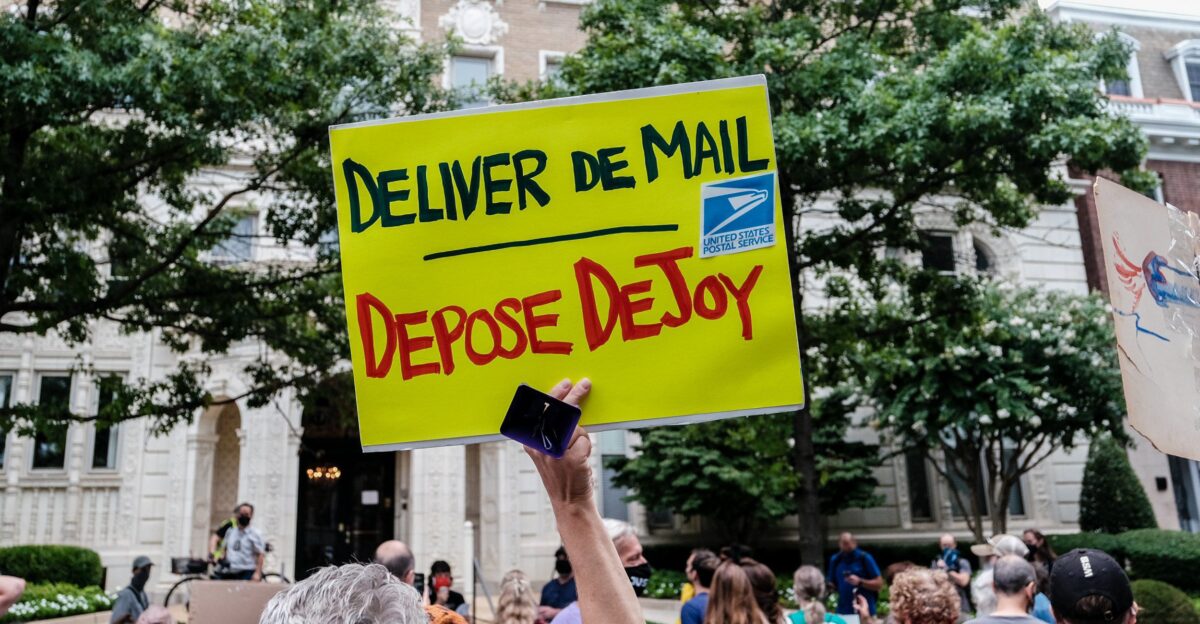
With closures mounting, pressure is building on policymakers to act. Labor groups and community leaders are urging Congress and the USPS Board of Governors to halt further cuts until full economic and social impact studies are done. They want public hearings in affected towns and more transparency about how decisions are made.
The debate comes amid a leadership shift: Louis DeJoy stepped down in March 2025 after nearly five years as Postmaster General, briefly replaced by acting chief Douglas A. Tulino before David Steiner took over in July. Advocates hope new leadership may bring a different course.
What’s Next for Rural Mail Service
The future of rural mail is uncertain. As digital alternatives expand and USPS doubles down on cost-cutting, many expect slower delivery and more closures ahead. Experts say only a major regulatory change or federal investment will ensure equal service.
Industry analysts note that trust in USPS rests on its ability to deliver for every community, not just profitable ones. If reforms erode that trust, the Postal Service risks losing financial stability and the public faith that has sustained it for generations.
A National Lifeline at Risk

The shuttering of rural post offices marks more than a shift in logistics—it signals a crossroads for American infrastructure. Post offices have been where neighbors meet, businesses grow, and families stay connected across miles for generations. As cost-cutting accelerates, many fear that the link is unraveling.
Whether through modernization, creative partnerships, or renewed public investment, the challenge is clear: preserving universal service in an era of fiscal pressure. The decisions made now will determine whether every American can still count on the Postal Service tomorrow.