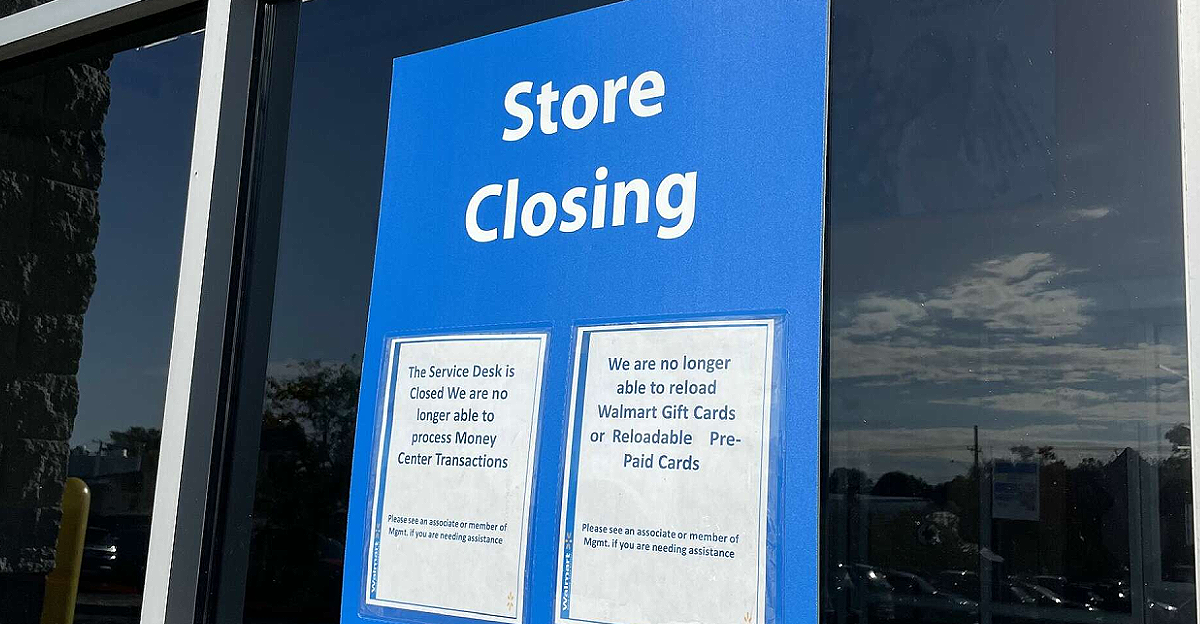
Walmart plans to permanently close five California stores this year, including locations in San Diego, El Cajon, West Covina, Fremont, and Granite Bay. This move aims to streamline operations and focus on high-traffic markets while enhancing e-commerce capabilities.
The closures will reshape local economies and shopping habits. City officials and residents are already exploring ways to adapt, including reusing vacant retail spaces in affected communities.
Strategic Downsizing Explained

Walmart describes the closures as the result of a “careful and thoughtful review,” weighing financials, customer behavior, and store overlap. The action reflects broader industry trends toward consolidation and growth in online sales.
Despite these closures, Walmart continues investing in California. Since 2020, it has spent over $800 million on store remodels and upgrades. The company stresses these closures aim to enhance efficiency, not respond to economic distress.
Shoppers Face New Challenges
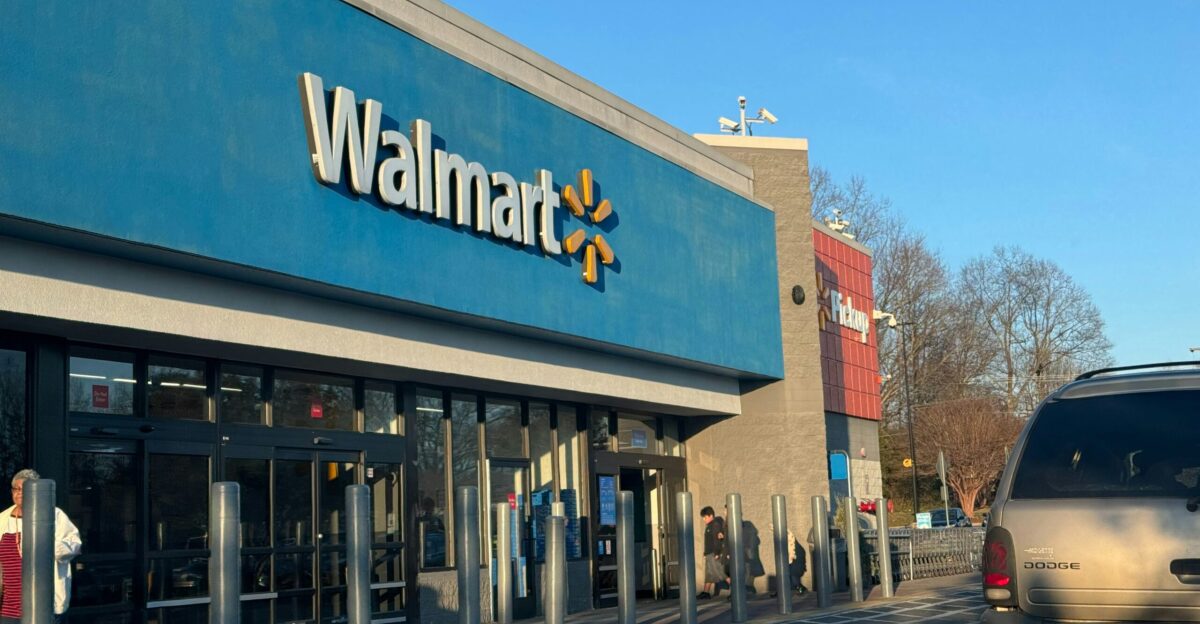
About 450 employees will be impacted, though many may transfer to other stores. For customers, especially those without private transport, longer travel distances loom for groceries and essentials.
Neighborhoods like San Diego’s Imperial Avenue will lose accessible options, straining lower-income households that relied on nearby Walmart stores reachable by walking or public transit.
Competitors Eye Vacant Markets

Walmart’s retreat opens doors for competitors including Target, Costco, and regional grocery chains to expand market shares in these communities. They stand to gain customers formerly loyal to Walmart.
Local independent retailers might also see increased demand but need to scale quickly to meet the influx of shoppers looking for affordable goods and household necessities.
Large Retail Spaces Hit Real Estate Markets
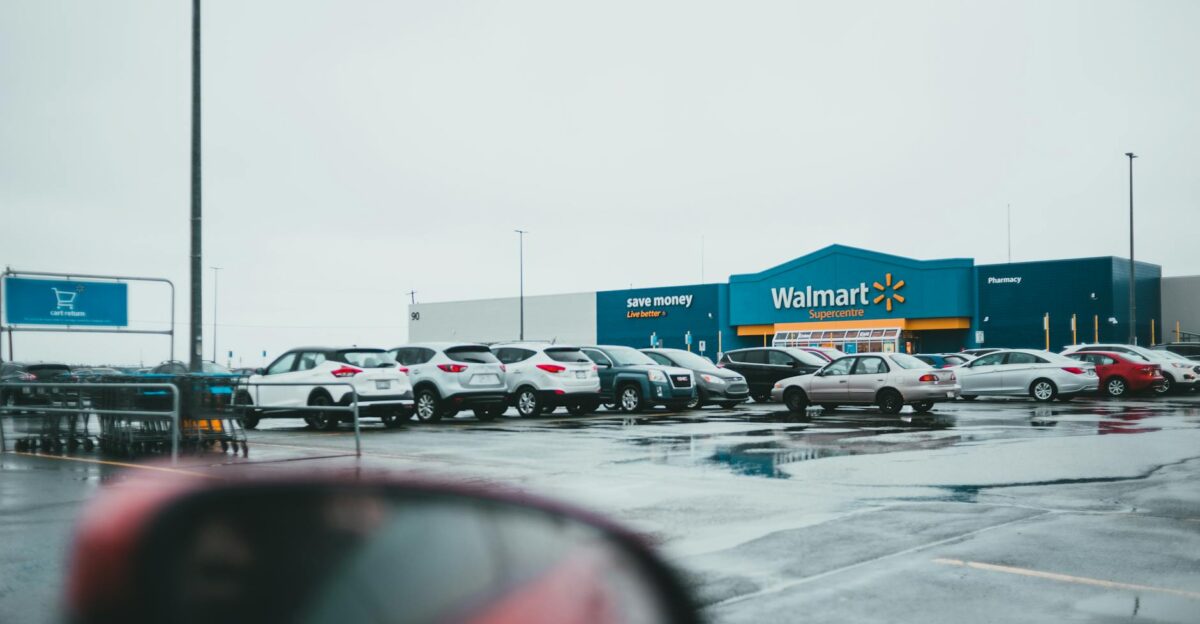
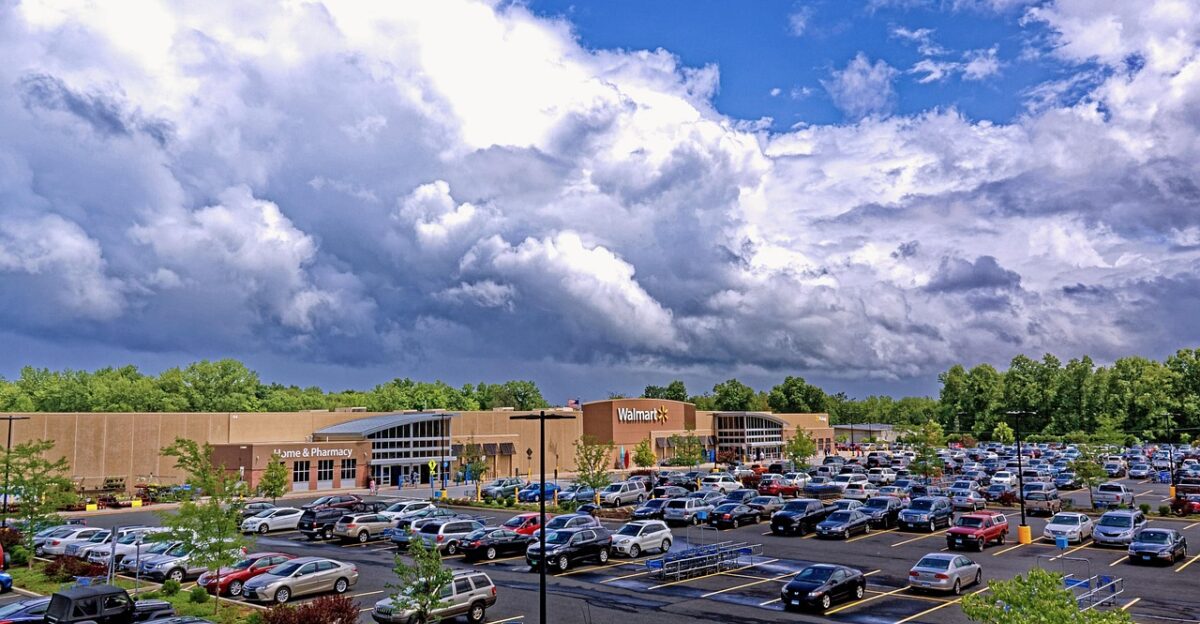
Each closing Walmart averages over 100,000 square feet, creating significant vacant commercial space. Few retailers require such extensive footprints, meaning properties will likely need subdivision or conversion to mixed-use or community purposes.
Nearby property values may suffer temporarily as owners and cities work to attract new anchors or reimagine these large sites, affecting local revenues and land-use planning.
Supply Chains Adjust Regionally
Inventory and delivery routes serving the closed stores must be restructured, reducing orders for local suppliers and contractors. This transition could lead to temporary supply chain disruptions as remaining stores absorb more customers and merchandise.
Walmart’s logistics infrastructure in California will be tested during this shift, likely requiring adjustments in distribution and transport networks.
Employment Effects Ripple Out
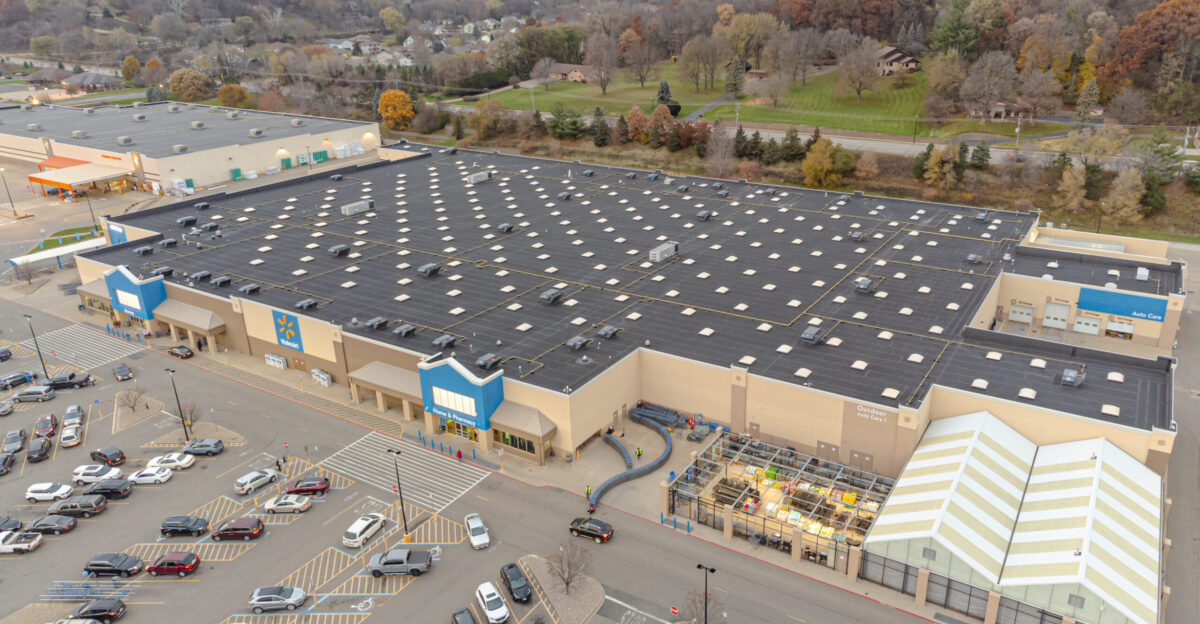
Job losses at the closed stores extend beyond Walmart. Neighboring businesses that relied on customer traffic—like restaurants and gas stations—may see declines.
Some displaced workers can transfer internally, mitigating impacts, but the broader service sector will likely feel ripple effects from reduced foot traffic.
Local Government Revenues Weaken
Closed stores mean reduced sales, property, and business tax revenue for local governments. City councils in affected areas must reconsider budgets, services, and revenue plans.
Tax incentives used to attract Walmart may no longer yield expected returns, highlighting the risks in depending heavily on a single large employer for economic development.
Consumer Prices Could Rise Locally
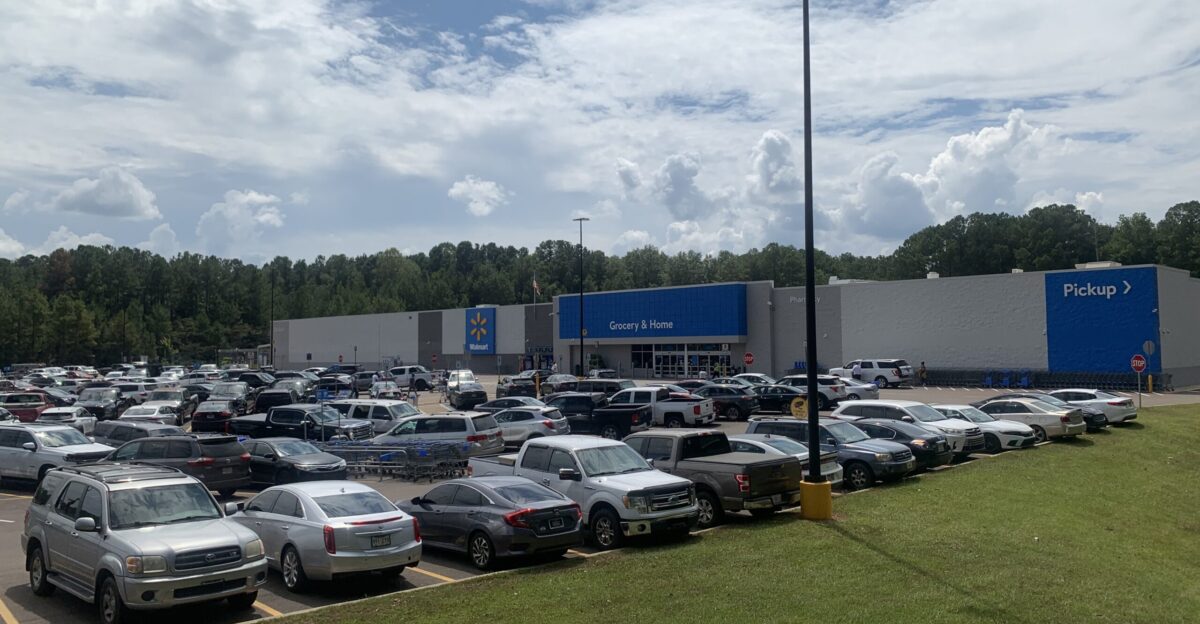
With fewer big retailers, there is risk essential goods will become more expensive due to diminished competition, especially affecting price-sensitive shoppers.
Nonetheless, Walmart’s investment in upgrading 57 California stores signals its commitment to competitive pricing, where it remains, potentially maintaining local price competition.
Retail Consolidation Continues Nationwide
California closures are part of a national pattern, coinciding with Walmart shutting stores in states like Georgia, Maryland, Ohio, Wisconsin, and Colorado in 2025.
This reflects an industry-wide trend toward consolidating retail footprints around fewer, stronger-performing locations amid ongoing growth in e-commerce.
Boosting E-commerce Infrastructure
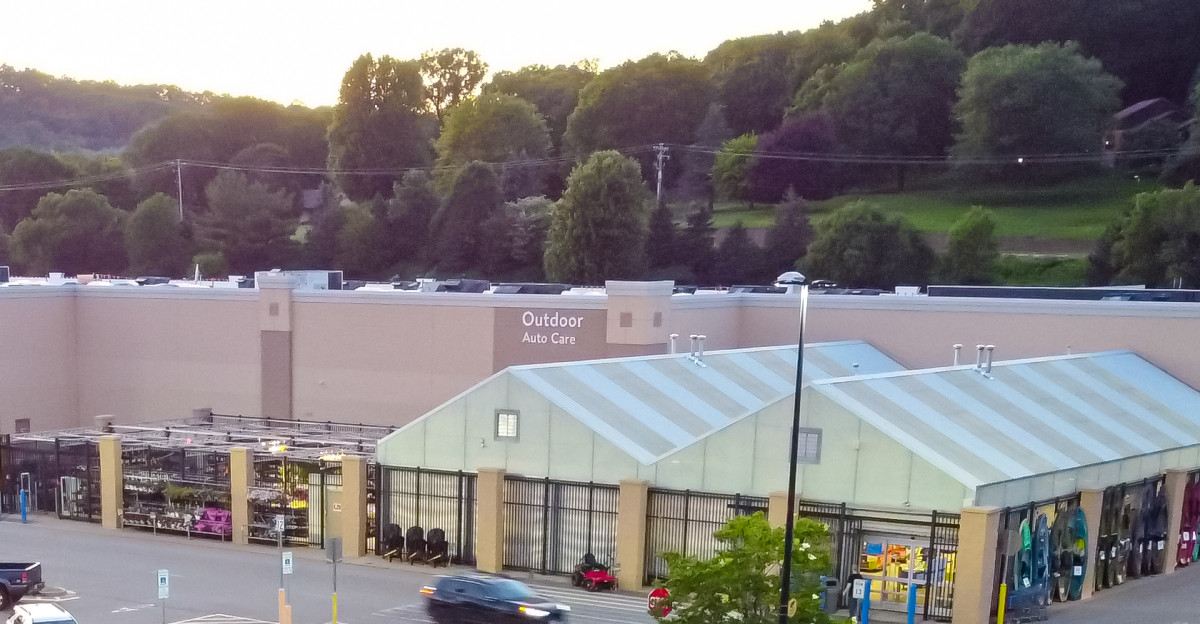
Walmart is ramping up digital investment, including curbside pickup and local delivery, to serve customers losing nearby stores. This strengthens the shift toward an e-commerce-dependent retail economy in California.
Demand for fulfillment centers and logistics facilities is growing, transforming commercial real estate needs from traditional shopping centers to warehousing and distribution hubs.
Regional Labor Market Shifts
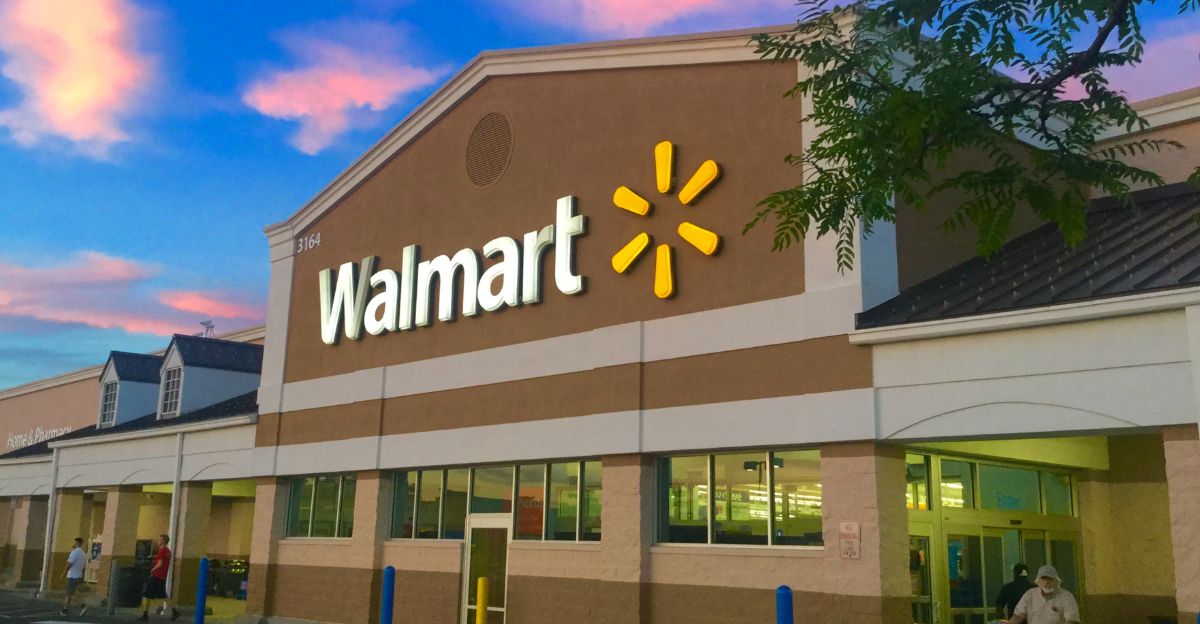
Approximately 450 employees face uncertain futures; some will transfer, others will enter the broader job market. This may impact local wages and competition in both retail and service sectors.
Loss of stable hourly jobs and advancement opportunities within Walmart also reduces upward mobility potential for affected workers.
Shopping Habits Permanently Altered
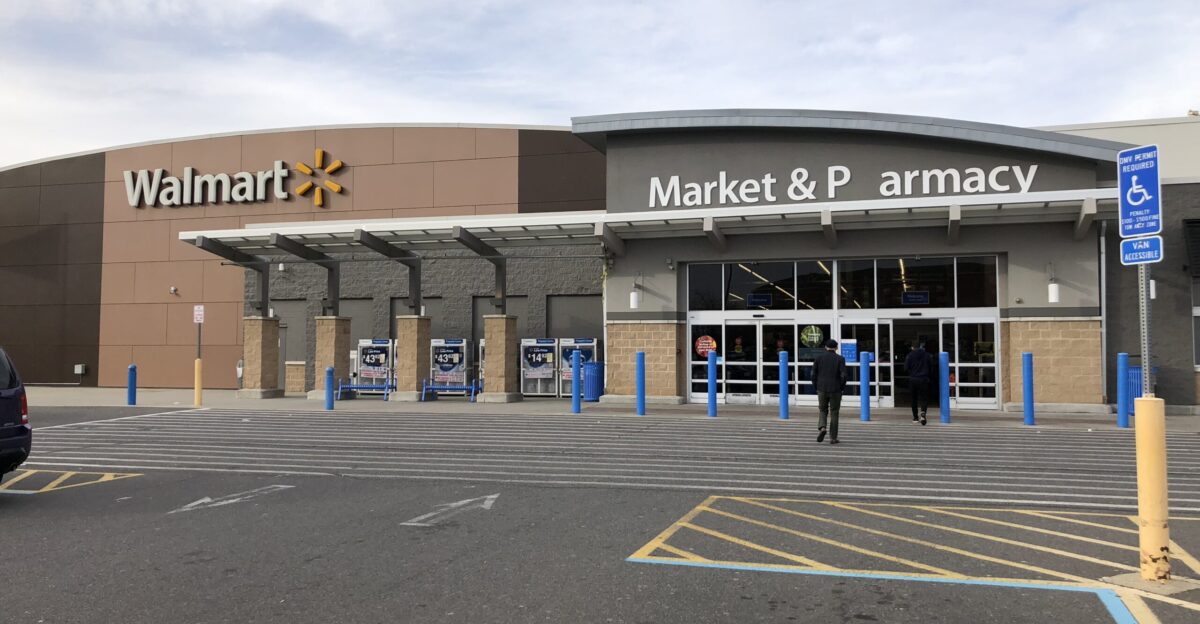
Shoppers in the impacted areas will need to travel farther or rely increasingly on online ordering. Shopping will become more fragmented across smaller stores or digital platforms.
While some neighborhoods may see less congestion and improved traffic flow, the reduction in cross-shopping traffic could harm other local businesses nearby.
Food Access Concerns Grow
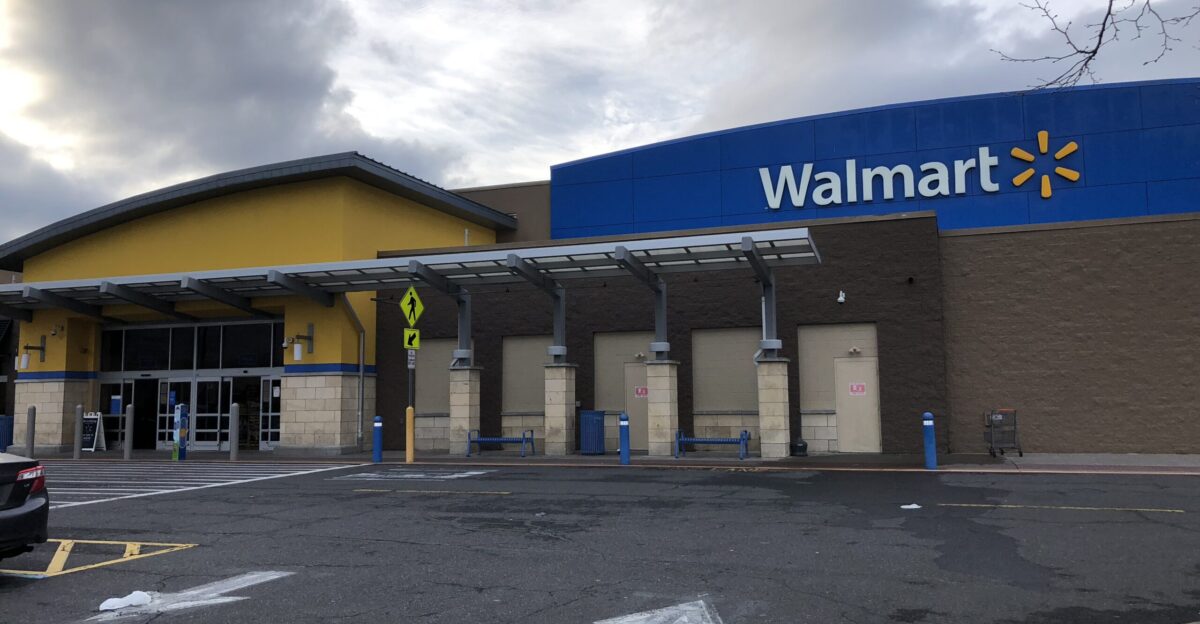
Store closures risk worsening food deserts, particularly in communities dependent on Walmart for affordable groceries.
Addressing these gaps will require community and governmental efforts focused on supporting vulnerable populations lacking transportation and alternatives.
Urban Planning Challenges Intensify
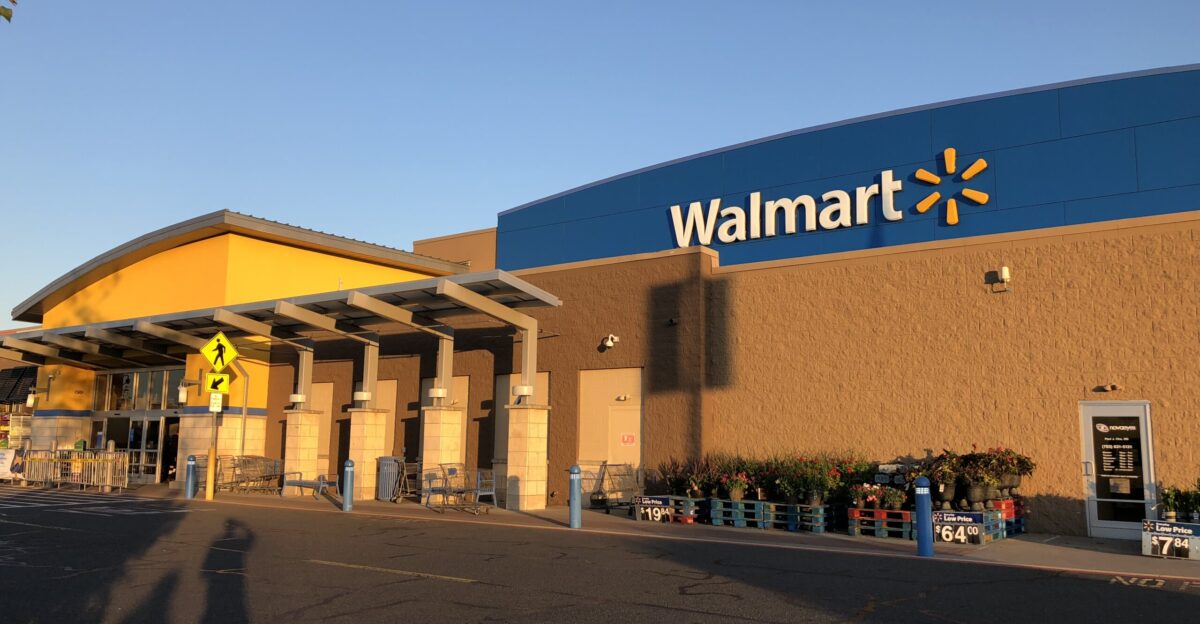
Local governments face pressure to repurpose large vacant retail spaces thoughtfully. Options include mixed-use redevelopment, community facilities, or smaller retail formats.
Rezoning efforts aiming for residential or office conversions could significantly alter neighborhood density and character in areas once anchored by big-box stores.
Winners and Losers Emerge
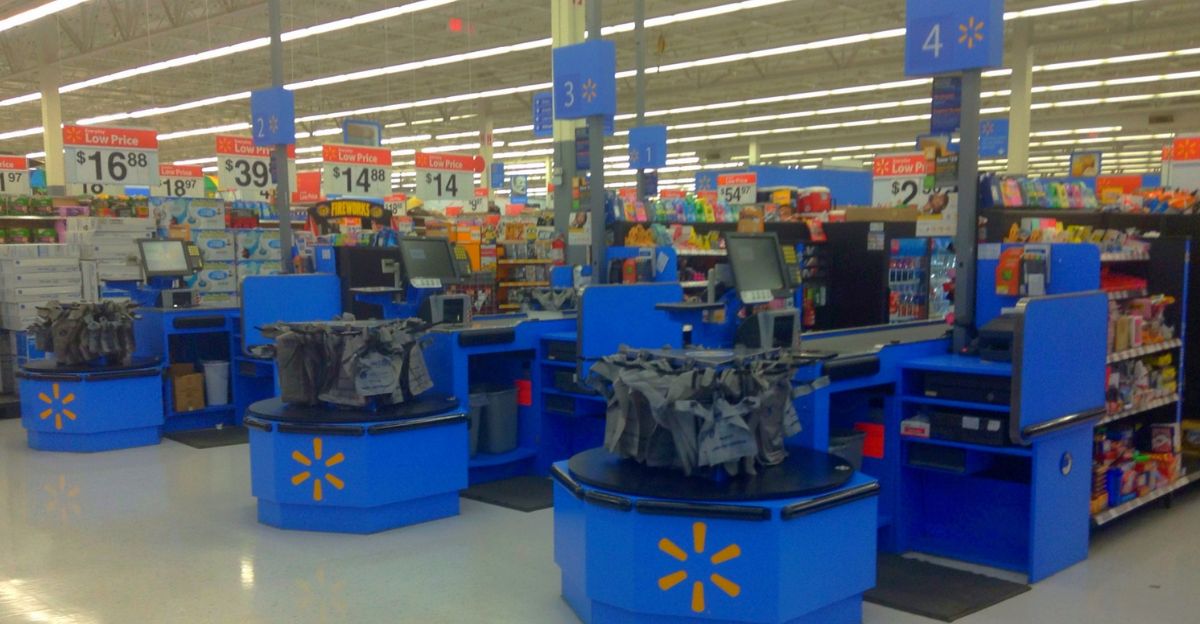
Regional chains and independents may capitalize on reduced competition, while displaced Walmart employees and transportation-limited customers confront new hardships.
E-commerce and delivery services are set to increase market share, whereas property owners and landlords risk revenue losses from anchor tenant vacancies.
Analysts Forecast Further Closures
Experts predict continued store closures nationwide as retailers optimize profit margins and invest in digital channels. Walmart’s strategy of remodeling and selective closings demonstrates this evolving business model.
Investors favor these efficiency moves, but communities face challenges that could influence how companies assess future store locations.
Consumers Must Adapt Rapidly
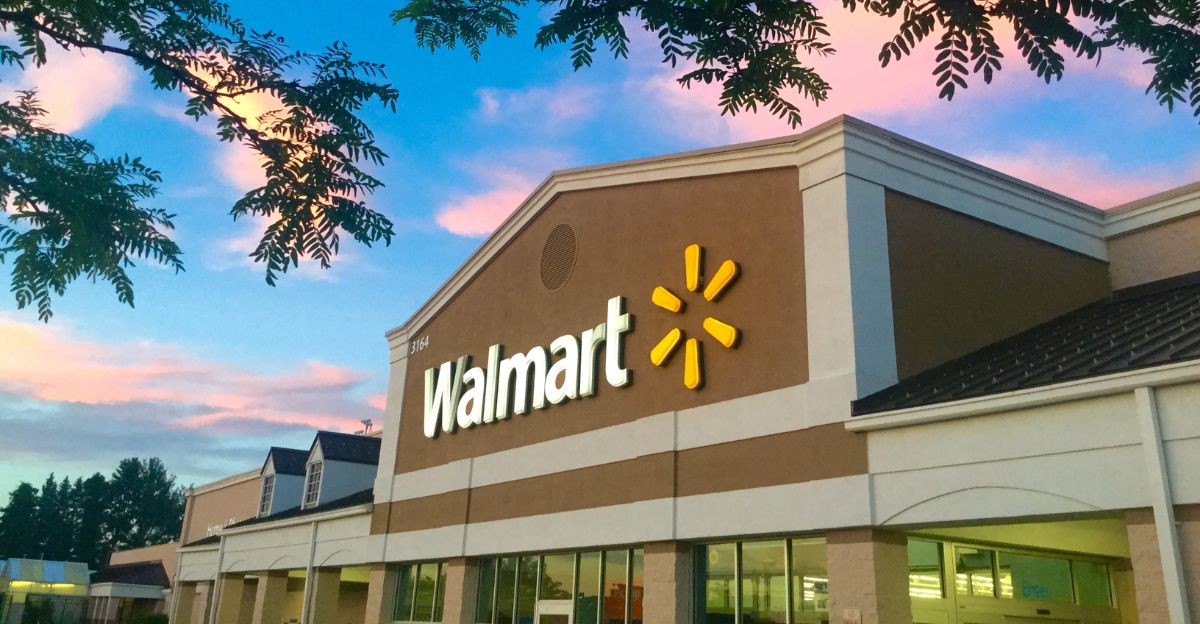
Affected shoppers are encouraged to explore alternative retailers, embrace online shopping, and consolidate trips for essentials.
Walmart’s digital tools, like its app and delivery services, will support loyal customers transitioning to e-commerce. Community groups may organize shared transport and shopping efforts.
Long-Term Retail Landscape Transformed
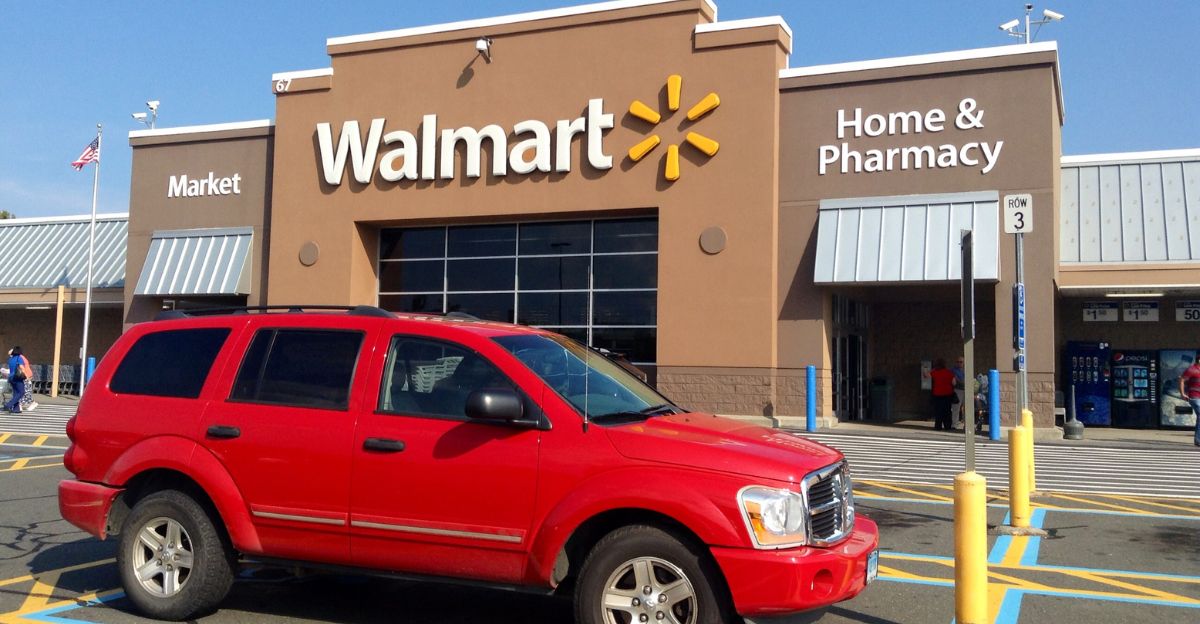
These closures mark lasting shifts in retail structures and strategies. California’s retail future likely features fewer, larger stores with integrated e-commerce and mixed uses.
This represents a departure from traditional suburban retail models toward more efficient, hybrid formats emphasizing convenience and digital connectivity.
California’s Retail Future Evolves
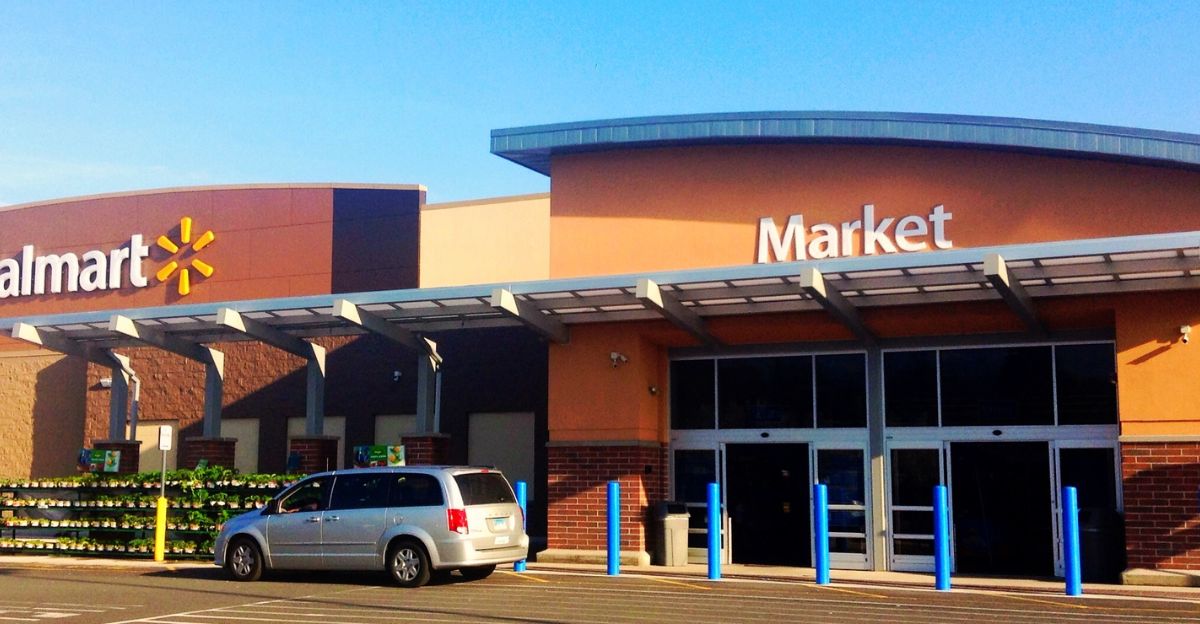
Walmart’s 2025 closures are one phase of an ongoing retail transformation balancing operational efficiency with community needs.
With investments exceeding $800 million in recent years for California store modernization, Walmart signals long-term commitment to select physical stores and robust e-commerce growth.