
Step into a supermarket today, and the aisles feel almost unfamiliar. Shelves once brimming with familiar staples now showcase new brands, bold packaging, and products promising sustainability or convenience. McKinsey’s 2023 review finds that Gen Z and younger millennials prioritize authenticity and values over tradition.
It’s not just about swapping a favorite shampoo or cereal — it’s a quiet upheaval across entire industries. Nostalgia lingers for older shoppers, but younger consumers are reshaping the rules, selecting items that reflect their beliefs, lifestyles, and sense of purpose. The supermarket aisle has become a mirror of cultural change, where shopping is as much about identity as necessity.
Why These Classics Are Struggling

Over the past decade, rising costs and rapid technological advances have quietly — and sometimes not so quietly — changed how we shop. Deloitte’s 2023 Global Consumer Trends survey found that younger buyers care less about sticking to one brand and more about getting the best value for their money. Thanks to social media, trends now catch fire and burn out faster than ever.
Cultural historian Dr. Polly Russell told The Guardian that while our tastes in food, fashion, and home goods have always shifted, we’ve never seen them change at this speed. It’s one reason long-time staples — from breakfast cereals to laundry detergents — are losing their grip, as a new generation rethinks what’s worth keeping in their carts.
The Nostalgia Factor – Why Sentiment Isn’t Enough

Marketers love to tap into nostalgia — think cereal boxes that look like they came straight from the ’80s or soda cans sporting “limited-edition” throwback designs. Sometimes they even bring back long-forgotten flavors, hoping to trigger that “I remember this!” moment. But studies show the magic often wears off fast. As sociologist Bella DePaulo told Vox, “nostalgia works best when it connects to current values, not when it’s used as a gimmick.”
Even products with heart-tugging ad campaigns are losing their place on the shelf. For younger generations, nostalgia alone isn’t enough — they want items that fit their values, lifestyles, and budgets. And that’s why the following, once-beloved classics are quietly slipping away, making room for the new.
1. Bar Soap – Once a Household Staple, Now Fading

Even the humble bar of soap isn’t immune to change. Once a bathroom essential, it’s quietly vanishing from shelves. Nielsen data from 2015 showed sales dropping more than 2% a year. CNN reports that younger shoppers often see bars as less hygienic — bacteria can linger on the surface — and less convenient than pump bottles. Dermatologist Dr. Karen Hammerman points out that liquid soap’s “no-touch” dispensers just feel cleaner.
Sustainability is part of the story, too. Refillable body washes are increasingly preferred over individually wrapped bars, blending convenience with eco-consciousness. Between hygiene concerns, practicality, and greener choices, the classic soap bar slowly slips out of everyday life — a quiet farewell to a once-ubiquitous household staple.
2. Cereal – The Quick Breakfast No Longer Cutting It
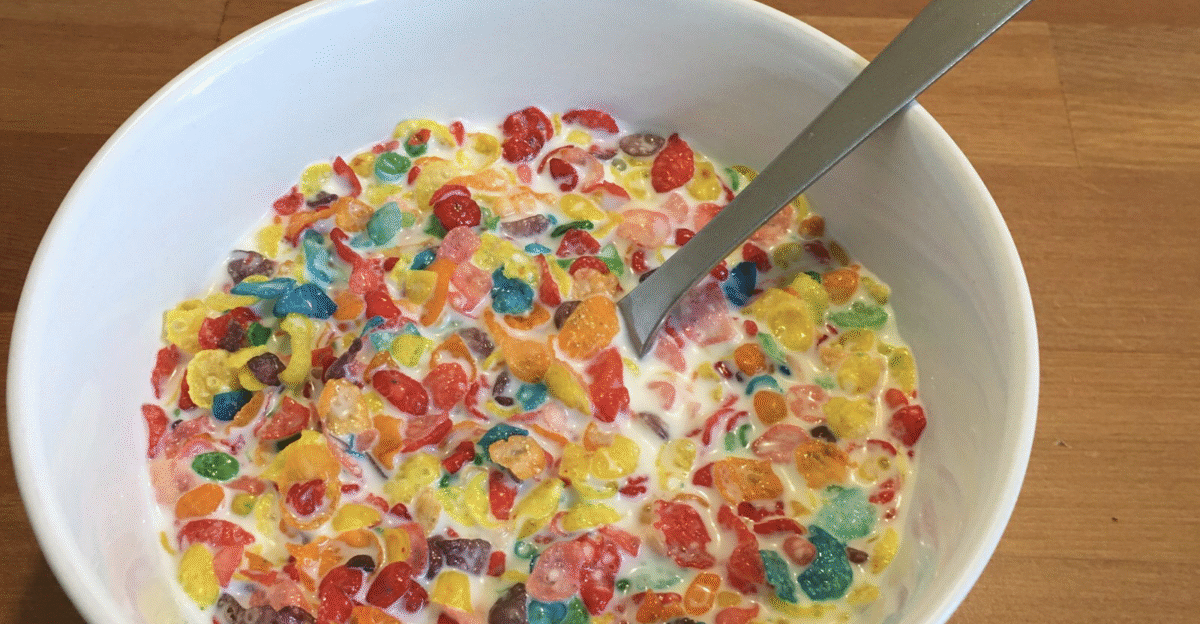
Once the morning hero of countless kitchens, many breakfast cereals are losing their shine. Nielsen and industry reports show sales declining year after year, especially among younger shoppers. Health concerns, sugar awareness, and the rise of quick, on-the-go alternatives like smoothie bowls or protein bars have reshaped breakfast habits.
Limited-edition flavors or retro boxes may spark a fleeting smile. Still, as sociologist Bella DePaulo noted, young consumers are drawn to products that match their values — not just their memories. For cereals, that means convenience, nutrition, and authenticity increasingly outweigh sentimental charm, leaving classic boxes to slowly gather dust on the shelves.
3. Fabric Softener – Obsolete in the Laundry Room
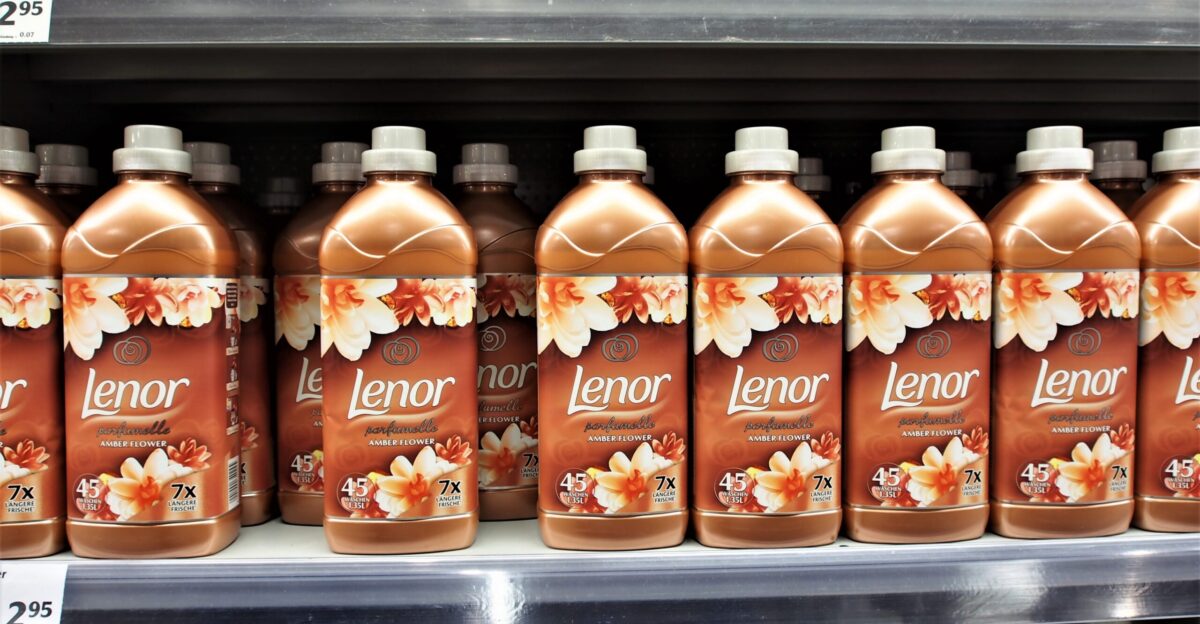
Once a laundry staple, fabric softeners are quietly losing their place in our homes. Shoppers today are rethinking the need for extra chemicals in their wash, with many opting for gentler, multi-purpose detergents or eco-friendly alternatives. CNN and industry reports note that younger consumers often consider traditional softeners unnecessary or wasteful.
Convenience plays a role, too. Liquid detergents with built-in softening properties mean fewer bottles, fewer steps, and less clutter. Between changing laundry habits, environmental awareness, and the lure of simpler routines, fabric softeners are slowly becoming a relic, a scented memory of laundry rooms past.
4. Marmalade – Toast’s Old Companion Left Behind

A sad day it will be when marmalade disappears from our breakfast tables. Dr. Polly Russell told The Guardian that changing breakfast habits, like avocado toast or peanut butter smoothies, has left little room for tart orange spreads. Even long-established brands struggle against sweeter, trendier toppings like Nutella.
Some artisanal producers maintain small followings at farmers’ markets, but mainstream supermarket sales continue to decline. Younger generations are shaping breakfast preferences, favoring flavors and products that align with contemporary taste trends rather than traditional spreads once considered household essentials.
5. Napkins Swapped for More Functional Paper Towels
Paper napkins, formerly a standard at our dinner tables, have been replaced by the versatile paper towel. Mintel research found that 86% of millennials buy paper towels, compared to 56% for napkins. Mintel analyst Ali Dibble told USA Today that “people want a product that works across cleaning needs.”
Younger consumers favor products that serve multiple purposes and align with practical, casual lifestyles. As a result, paper napkins—a staple for generations—are gradually losing relevance in everyday households, replaced by items that combine convenience with efficiency.
6. “Breastaurants”- The Decline of Gimmick Dining
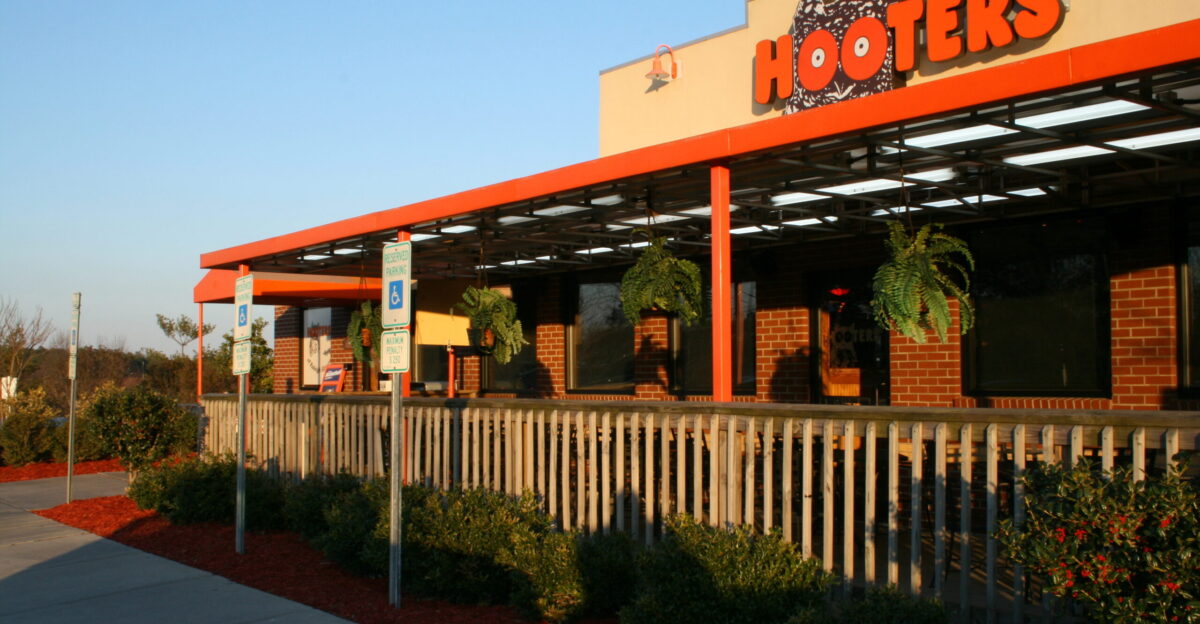
MarketWatch says chains like Hooters have closed over 7% of their U.S. locations since 2012. Hospitality expert Prof. Bob Passikoff told Business Insider that younger diners aren’t connecting with the gimmick anymore. With more diverse food options and changing social norms around gender representation, these themed chains are struggling to stay relevant.
Gen Z is increasingly drawn to experiences or dining options that align with their values rather than flashy concepts. The decline of novelty-focused restaurants reflects a broader shift. Marketing that used to fill seats now falls flat with a generation seeking authenticity, inclusivity, and purpose in every meal.
7. Luxury Handbags Are Less of a Status Symbol
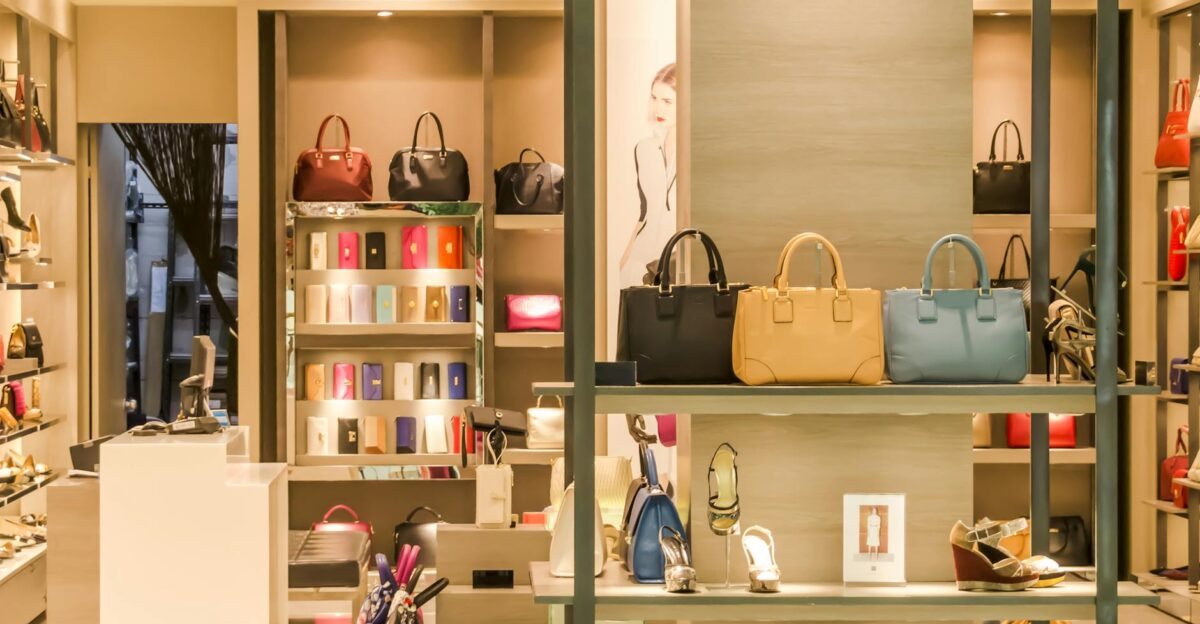
Sales of luxury handbags are slowing as younger consumers prioritize practicality over prestige. Milton Pedraza of the Luxury Institute told CNBC that “millennials are buying experiences, not status symbols.” Minimalist wardrobes, resale platforms, and the rise of gender-neutral accessories have all chipped away at the appeal of designer bags.
For today’s buyers, brand prestige no longer guarantees desirability. This trend reflects a generational shift toward meaningful experiences and versatile style. Luxury handbags, once an unmistakable marker of your social standing, now competes with values like sustainability, functionality, and personal expression.
8. Cable TV – Cut from the Routine

Media analyst Mike Goodman told NPR, “Gen Z wants content on their terms.” Nielsen data shows millions of households ditching traditional cable, while streaming platforms like Netflix, Disney+, and YouTube dominate viewership. The appeal is clear – on-demand content, convenience, and algorithm-driven personalization fits modern lifestyles.
The decline of cable highlights a generational shift toward flexible, technology-driven entertainment, where linear broadcasting gradually loses relevance as consumers decide how, when, and where they watch.
9. Diamonds & Traditional Jewelry – Reconsidered Meaning

Interest in conventional jewelry is evolving as younger consumers seek alternatives. Forbes reports growing demand for lab-grown gems, which are more affordable and ethically sourced. Ethical considerations, cost, and shifting values are reshaping the market, with Millennials and Gen Z favoring meaningful choices over material symbols.
Marketing focused on classic diamond-centered traditions now resonates less with a generation seeking purpose-driven purchases. The jewelry industry faces a cultural shift where ethics, affordability, and personal expression matter more than long-established traditions or status symbols.
10. Classic Childhood Toys Replaced by Screens

Digital play is quickly overtaking classic toys. NPD Group research shows most children switch to screens by age 7, compared with 12 or 13 in previous generations. LEGO sets and board games still sell, but no longer dominate playtime. Gaming researcher Dr. Nick Yee told the BBC, “Digital play is more engaging for today’s kids.”
Both parents and children embrace digital experiences, making traditional toys less central to childhood. The trend reflects broader technological and cultural shifts in how kids play, learn, and connect with the world around them.
11. Sodas & Sugary Drinks Retreat from Fridges
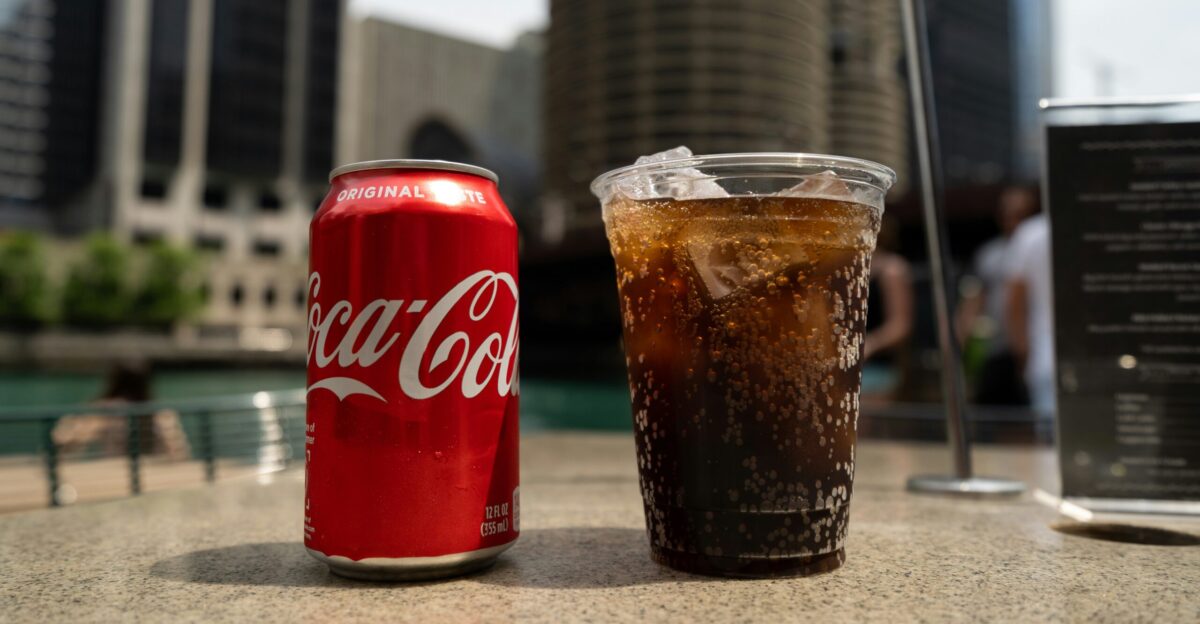
Refrigerators that once overflowed with sugary drinks now lean toward beverages that align with wellness trends. Soda, long a symbol of 20th-century refreshment, is steadily losing ground as taste preferences, nutrition awareness, and lifestyle values reshape what people choose to drink.
Dr. Ed Huber of Coca-Cola told Reuters that “consumers are increasingly conscious of sugar.” Carbonated alternatives and kombucha are taking market share, while major brands push zero-sugar options. Health awareness and changing dietary preferences are especially influencing younger buyers.
12. Barbecue Sauce—Losing Its Sizzle
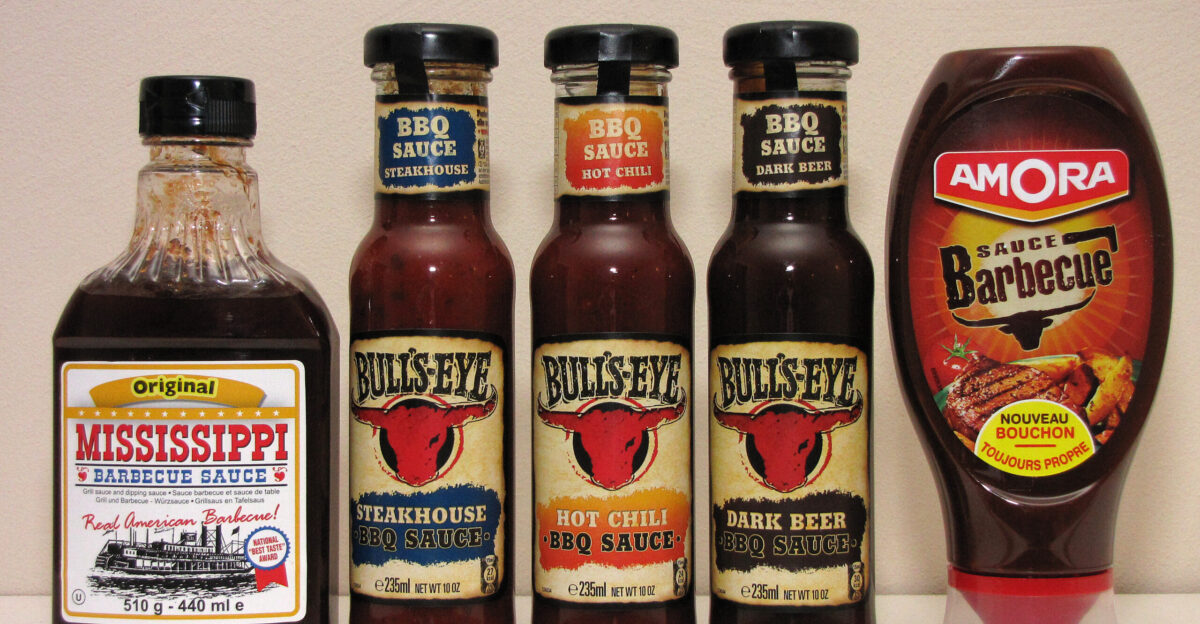
Health-conscious consumers are steering clear of sauces high in sugar and additives, opting instead for lighter, globally inspired marinades or homemade blends. Euromonitor data show that the rise of plant-based eating has reduced demand, as fewer meat-heavy meals mean less need for traditional condiments.
Specialty low-sugar or vegan barbecue sauces have found niche followings, but mainstream brands are seeing shrinking shelf space. Food trends are shifting toward fresher, less processed flavors, reflecting a generational change in cooking habits and values that’s leaving this once-essential bottle behind.
13. Greeting Cards – Losing the Personal Touch to Digital
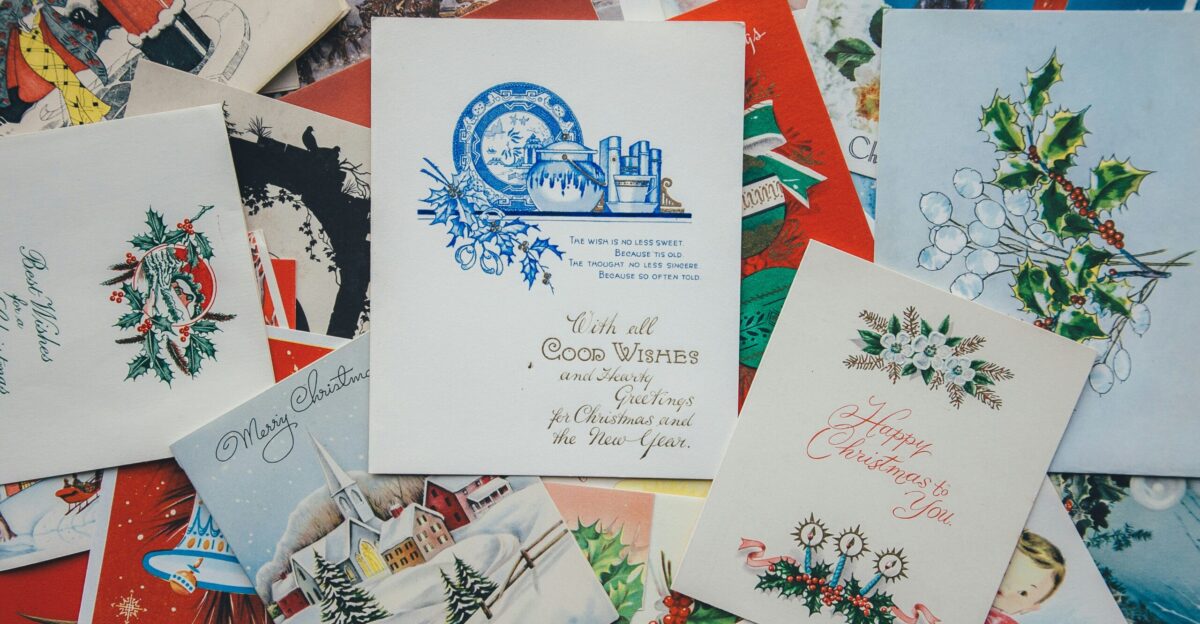
While luxury or handmade cards still capture attention in small niches, mass-market options are steadily losing shelf space. Stationery expert Sarah Hamilton told the BBC, “People send a quick message on social media instead.” Digital messages offer speed, convenience, and a personal touch, making them the go-to for younger consumers.
The decline of greeting cards reflects how technology and shifting social habits are changing how we mark milestones and share emotions, leaving paper greetings increasingly outdated.
14. Full-Priced Makeup – Decline of the Beauty Ritual

According to the NPD Group, prestige makeup sales have slipped since 2018. Minimalist skincare, resale makeup, and no-makeup trends driven by influencers are shifting spending away from traditional luxury brands. Younger consumers now choose products that reflect their values, not just prestige.
Once a daily ritual, full-priced cosmetics are losing their hold. The change reflects a generational shift toward practicality, ethical choices, and self-expression, with younger buyers favoring authenticity and meaningful routines over flashy brand names.
15. Shaving Cream – Not a Daily Essential Anymore

Shaving cream is no longer a must-have in many bathrooms. Retail analyst MaryLeigh Bliss told Quartz, “men shave less and eat differently now,” highlighting lifestyle changes that favor convenience and comfort over a clean-shaven look. Beards, designer stubble, and low-maintenance grooming trends reshape how men approach personal care.
Subscription beard-care kits and multipurpose skincare products are taking over. Euromonitor reports that the global men’s shaving market has grown flat or declined in recent years, reflecting a broader shift toward grooming routines that celebrate personal style rather than rigid daily rituals.
16. Canned Tuna – Once a Pantry Staple, Now Skippable
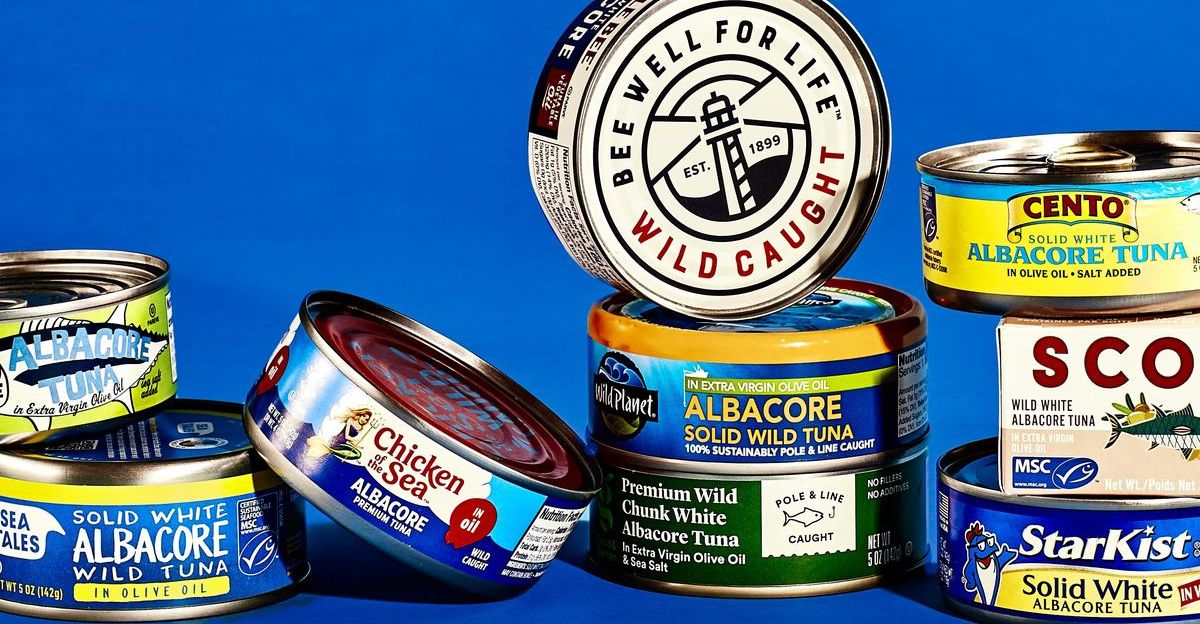
Once a go-to for quick lunches and affordable protein, canned tuna is losing its spot on many shelves. SeafoodSource notes that concerns over mercury, overfishing, and sustainability drive younger consumers toward alternatives. Plant-based options, like chickpea “tuna” or jackfruit blends, are increasingly appealing to eco-conscious shoppers.
Even those who still eat seafood often choose fresh or frozen fish through meal kits and grocery delivery. Nielsen data show that canned tuna sales have steadily declined over the past decade, reflecting how shifting diets and environmental awareness quietly reshape what ends up in our kitchens.
A Bittersweet Farewell to the Classics

There’s comfort in the familiar jingle of a cereal box or the scent of bar soap—echoes of simpler times. Older generations may feel a pang of loss as these products disappear, remembering shared meals, handwritten cards, or family TV rituals. Brand historian Laurence Samuel told TIME, “Change isn’t just inevitable—it’s how we grow.”
Though products fade, their memories endure, influencing modern choices. These icons remind us that while markets evolve, the values, experiences, and traditions of the past continue to shape consumer behavior, showing that nostalgia and innovation coexist in everyday life.