Years of warning shots culminated in April 2025 when China’s latest move sent shockwaves through global manufacturing. Beijing imposed sweeping export controls on seven rare earth elements – samarium, gadolinium, terbium, dysprosium, lutetium, scandium and yttrium – requiring export licences and citing “national security”.
Western carmakers suddenly teetered: dysprosium and terbium (used in EV motors and wind turbines) vanished from inventories.
“The automobile industry is now using words like panic… they’re talking about shutting down production lines,” said Mark Smith of rare-earths company Niocorp.
Major auto plants in Detroit and Stuttgart ground to a halt, underlining how vital these metals are for defense and energy systems.
Global Chokehold

China already mines about 70% of the world’s rare earths and processes nearly 90% of the global supply.
This dominance gave Beijing unprecedented leverage: overnight, Western buyers were drastically outbid and spot prices for key heavy elements spiked as inventories dried up.
Analysts warned of a “two-tier market,” where China’s subsidized suppliers could undercut competitors.
The result was a global chokehold on technology industries. In retrospect, few Western firms had contingency plans; only then did executives scramble for alternative sources as factories stood idle.
Strategic Vulnerability
For decades, Western governments largely overlooked this hidden vulnerability. Analysts have dubbed critical minerals “the oil of the twenty-first century,” given their role in cutting-edge technologies.
Meanwhile, China quietly consolidated control, pouring state subsidies into domestic producers and snapping up overseas mines and processing plants.
Seventeen rare earth elements – integral to everything from smartphone speakers and EV motors to F-35 fighter jets – have no easy substitutes.
This concentration was a silent Achilles’ heel for Western industries – one that the April 2025 crisis brutally exposed.
Supply Chain Siege
China’s April export curbs weren’t unprecedented. In late 2024, Beijing banned exports of gallium, germanium and antimony, flagging its willingness to weaponize niche metals.
European lawmakers responded sharply. In July 2025 the European Parliament condemned Beijing’s actions as “unjustified” and “coercive given the country’s quasi-monopolistic position”, and urged the EU to diversify supplies under its new Critical Raw Materials Act.
MEPs warned that relying on any single supplier for critical inputs poses a grave risk to industrial security. Governments and industry executives alike realized that no one nation should dominate these chains.
Australia’s Counterstrike
Australia moved quickly. On April 23, 2025 Prime Minister Anthony Albanese announced a A$1.2 billion Critical Minerals Strategic Reserve – a direct challenge to Beijing’s export squeeze.
Resources Minister Madeleine King hailed the move: “Critical minerals and rare earths are essential not only to reducing emissions but also for our security.” The plan expands Australia’s Critical Minerals Facility to A$5 billion, aiming to guarantee offtake agreements and stockpiles of key inputs.
Industry watchers called it a historic pivot: for the first time Canberra was treating mineral supply as a matter of national defense.
Industrial Awakening
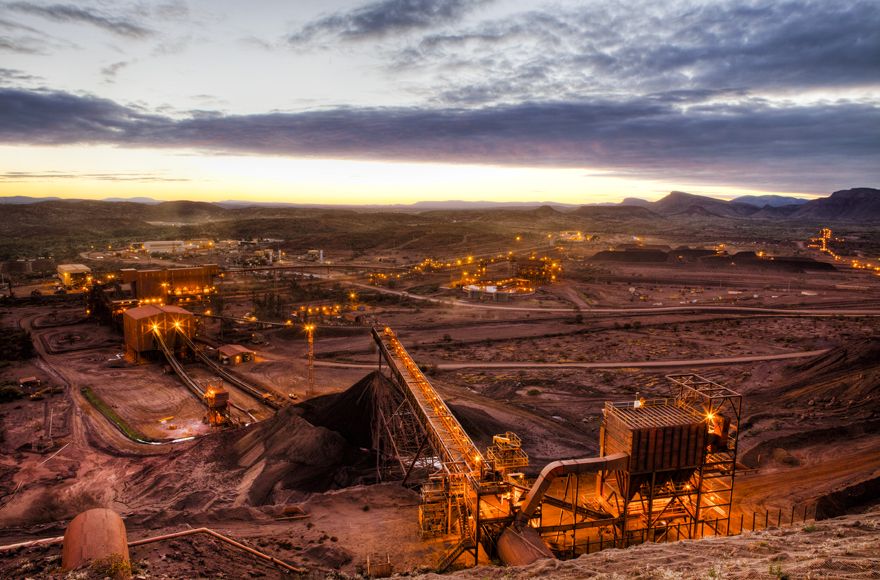
Western Australia soon became ground zero. Iluka Resources is spending A$1.65 billion on a refinery at Eneabba – the continent’s first fully integrated rare-earths plant.
Slated for 2027, it will extract heavy oxides like dysprosium and terbium on-site, instead of exporting raw concentrate. Local leaders call it a game-changer. “This is our first step into high-tech mining,” said a Kalbarri community representative.
The plant will break new ground by turning local ore into separated metals.
If successful, projects like Eneabba (and expansions by Lynas in nearby WA) could finally end China’s heavy rare-earth monopoly and spark a new processing hub in Australia.
Billionaire’s Bet
Australia’s mining magnates piled in, too. Gina Rinehart – the country’s richest person – has allocated roughly A$800 million to rare earth ventures, including a 10% stake in Arafura’s A$1.2 billion Nolans mine.
Rinehart’s backing is a powerful signal: analysts note that when Hancock Prospecting invests, others take notice.
Her aggressive moves underscore a new, all-in mentality among private investors.
Observers say her capital injections could help transform Australia from a raw-materials exporter into a high-tech minerals supplier. As one mining executive put it, this is “making our natural resources work harder for us.”
Mining Renaissance

Australia’s mineral boom goes beyond rare earths. It remains the world’s top lithium producer (about 49% of global output) and is among the top five rare-earth producers.
The country also ranks high in cobalt, manganese, zirconium and other critical metals essential for EV batteries and renewables.
These deposits now feed factories worldwide. “We’ve got one of the richest mineral playgrounds on Earth,” remarked a Western Australian mining executive.
With such abundance, Australia is positioned to supply much of the world’s growing demand for clean-energy materials – provided it builds the processing infrastructure at home.
Technology Transformation

Rare earths truly power modern tech. Neodymium and praseodymium create ultra-strong magnets for EV motors and wind turbines; dysprosium keeps those magnets stable under extreme heat; terbium powers the bright LEDs in displays.
Without these elements, clean energy and defense machines would stall. China’s earlier bans showed how shortages ripple through innovation.
Today, if dysprosium or terbium ran short, wind farms could idle and EV production could slow dramatically.
As one industry planner notes, in the 21st century, materials define capabilities: get the supply wrong, and whole technologies grind to a halt.
Government Lifeline
In a less-publicized move, Canberra earmarked roughly A$100 million to rescue Trafigura’s Nyrstar zinc smelters in South Australia and Tasmania, aiming to repurpose them for strategic metals (antimony, bismuth, germanium, indium) crucial to semiconductors and defense.
Resources Minister King emphasized this was about providing “pricing certainty” to investors in volatile markets.
The lifeline signals that Australia’s strategy extends beyond rare earths – it seeks to re-anchor the entire ecosystem of critical minerals.
By underwriting offtakes and prices, the government is effectively undergirding projects that otherwise couldn’t stand against cheap Chinese export pricing.
Industry Tensions

Global industry frustration became palpable. Lynas, Australia’s other rare-earth producer, noted Iluka’s own plight: CEO Tom O’Leary publicly blamed “Chinese market manipulation” for cost overruns at Eneabba.
Worldwide, refining profits have collapsed as cheap, state-subsidized Chinese output flooded markets. Analysts warn that new Western facilities need guaranteed pricing mechanisms.
One veteran miner quipped, “Without support, most Western rare-earth projects simply can’t compete.”
These tensions highlight the ongoing scramble: even as Australia pushes new mines, companies fear being undercut unless strategic policy shields them.
Political Momentum

As Australia’s federal election loomed, critical minerals became a bipartisan rallying point. Albanese’s “Future Made in Australia” agenda positioned resource security as a national imperative, with the Prime Minister promising that the Strategic Reserve will let Australia handle disruptions “from a position of strength”.
Opposition parties largely agreed on funding incentives, marking the rare minerals policy as rare common ground.
Policy experts note that this broad support – cutting across free-market orthodoxy – signals a recognition that supply chains are now a matter of national sovereignty, not mere commerce.
Financial Engineering
Australia also implemented sophisticated financing. The government now offers non-recourse loans and underwrites offtake contracts to reduce investors’ risk.
In one landmark deal, Arafura Rare Earths locked in a A$1.55 billion debt package from international banks and governments – including US, EU and Asian partners.
That package (with A$420 million in contingency funding) shows global confidence in an alternative supply chain. These arrangements – along with strategic stockpiles – are effectively risk-sharing measures to build the non-Chinese critical-minerals industry.
Financing, not just geology, became the lever of policy.
Market Skepticism
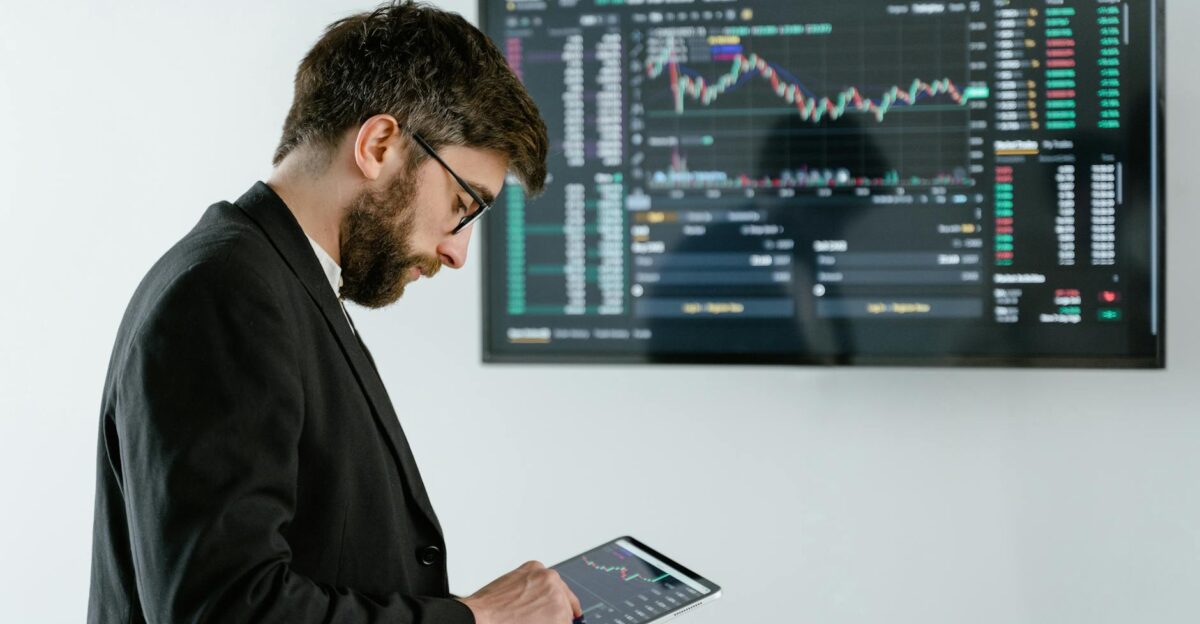
Industry analysts remain cautious. Australia’s new projects still face China’s entrenched cost advantages.
Commodity prices have been volatile: for example, lithium prices crashed about 75% in 2023 after spiking ~400% in 2022, underscoring how quickly fortunes change.
Faced with Chinese oversupply, several Australian projects have already been paused. “It’s one thing to build mines, another to find buyers at profitable prices,” a market strategist observed.
Until prices stabilize or governments absorb risks, some doubt whether all announced Australian mines will turn a profit.
Strategic Crossroads
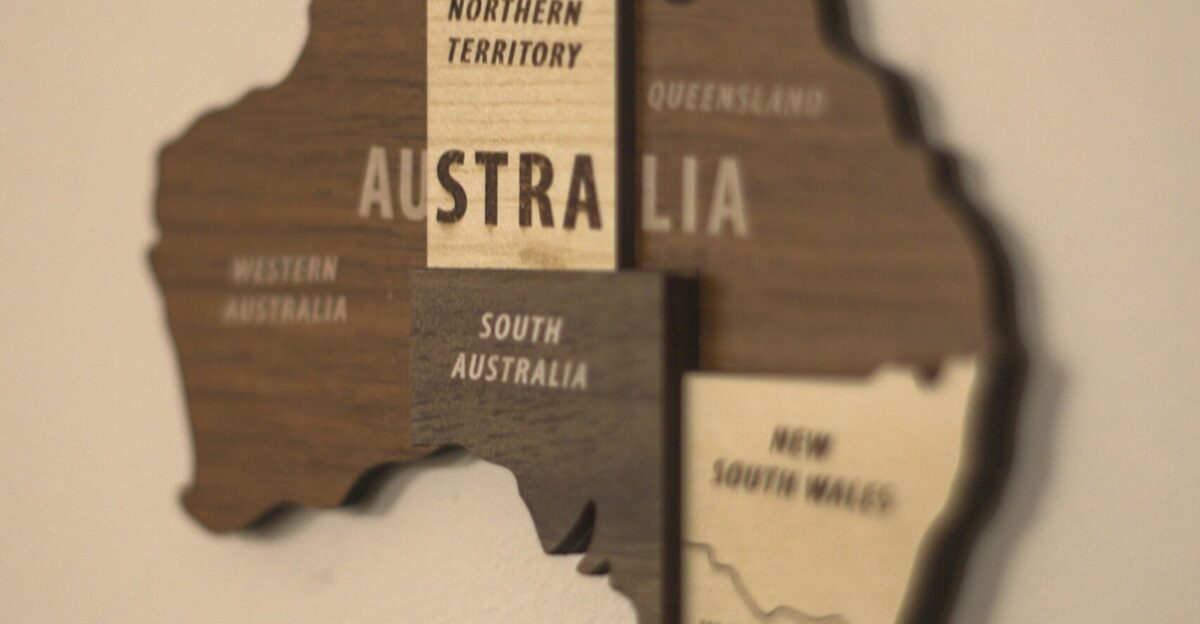
By mid-2026, when Australia’s Strategic Reserve is fully operational, global supply chains may be fundamentally reconfigured.
But a key question looms: can Western governments sustain the political will (and investment) to catch up with China’s two-decade head start? As one analysis warned, “Australia’s critical minerals sector is at a crossroads”.
The next few years will be a test of resolve. If commitments waver, Chinese dominance could reassert itself even as new mines open.
Securing supply chains may prove just as difficult as building them.
Geopolitical Chess

Australia’s rare-earth push aligns with a broader “friend-shoring” strategy by democratic allies. The U.S. Inflation Reduction Act and Europe’s Critical Raw Materials Act similarly pour subsidies into domestic critical minerals projects.
Together, these represent the largest coordinated industrial-policy effort since WWII. Governments now openly treat mineral supply security as part of national defense, not just economics.
In this new “resource diplomacy,” having a homegrown supply chain is akin to having an extra missile: it underwrites long-term geopolitical influence and resilience against coercion.
Alliance Building

Partnerships have been critical. Australia’s industry welcomed foreign support: Germany’s KfW development bank approved roughly A$113 million in financing, and South Korea openly “welcomed” Australia’s investment in the Nolans project as crucial for diversifying supply.
Canberra is now cultivating similar deals with Japan, India and other Indo-Pacific partners.
“We want Australia to be the trusted supplier for the democratic world,” said one Australian trade official. Each agreement tightens an allied network, positioning Australia as the hub through which friends shore up their critical minerals chains.
Environmental Stakes
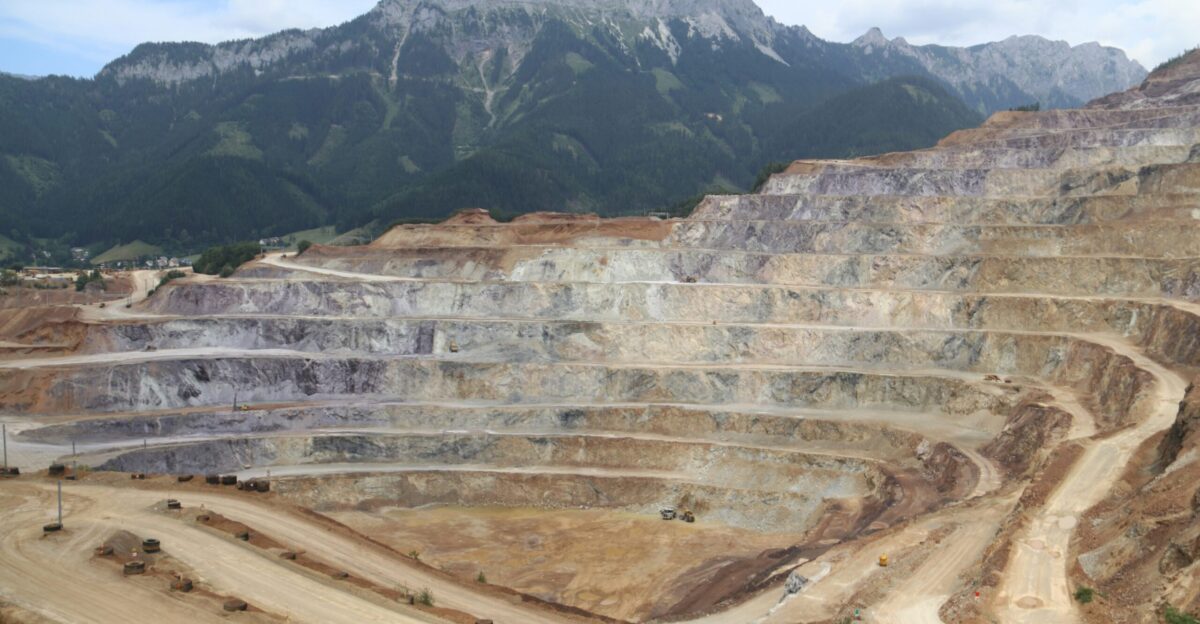
Australia is also betting on superior sustainability. Chinese rare-earth mining has often involved lax pollution controls and environmental harm.
Canberra contrasts that with strict domestic standards: new projects require thorough ecological studies and Indigenous consultation. “We do it by the book,” noted a Western Australian mining regulator, pointing to laws that protect heritage and water.
This higher-ESG approach is pitched as a competitive advantage.
Buyers in Europe and North America increasingly demand clean supply chains; Australia’s greener practices may help secure long-term offtake deals over dirt-cheap—but dirty—alternatives.
Generational Shift
A generational shift is underway. Younger Australians increasingly see critical minerals as their generation’s opportunity.
University mining and materials programs report rising enrolments, as students pursue careers in battery factories and advanced manufacturing.
High school guidance counselors note more teens talking about engineering in the new “rare-earth boom.” Industry surveys confirm a growing patriotism: many now view these minerals as keys to future jobs, not just commodities to export.
As one student quipped, “It’s like the Pilbara gold rush all over again – but this time, it’s high-tech.”
New World Order

Australia’s multi-billion-dollar gamble reflects a fundamental recognition: the rules of global trade have changed permanently.
In a world where resources equal leverage and supply chains determine influence, secure access to critical minerals is as vital as any weapon system.
This investment marks an era where mineral sovereignty stands alongside military strength in shaping power.
In essence, Canberra is betting that building a homegrown critical-minerals industry will be its new cornerstone of security – a 21st-century arsenal made of rare earths and strategic metals, not just iron and oil.