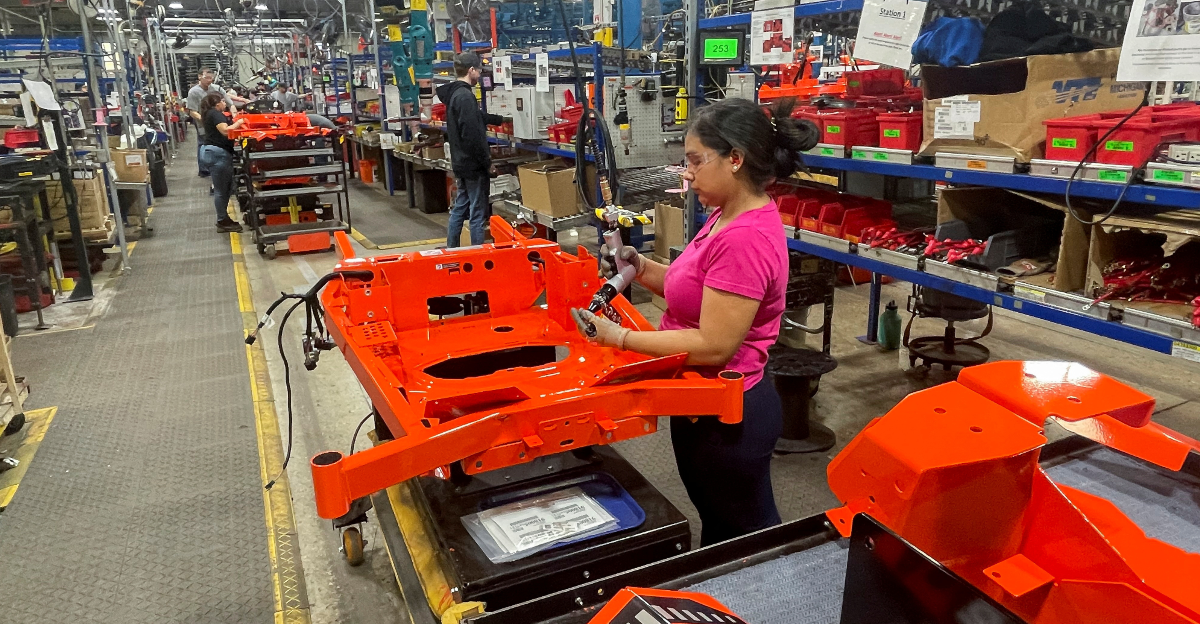
On September 29, 2025, First Brands, a prominent U.S. auto parts manufacturer, filed for Chapter 11 bankruptcy. This shake-up has sent shockwaves through the automotive industry, affecting thousands of workers and suppliers who rely on its stability. “We never expected things would spiral so quickly,” noted a union representative from Ohio, highlighting the uncertainty faced by employees.
The bankruptcy not only affects First Brands but also puts the entire auto parts supply chain at risk. Key analysts emphasize the urgent need to assess the damage, as job security hangs in the balance for many families.
Debt Dominoes
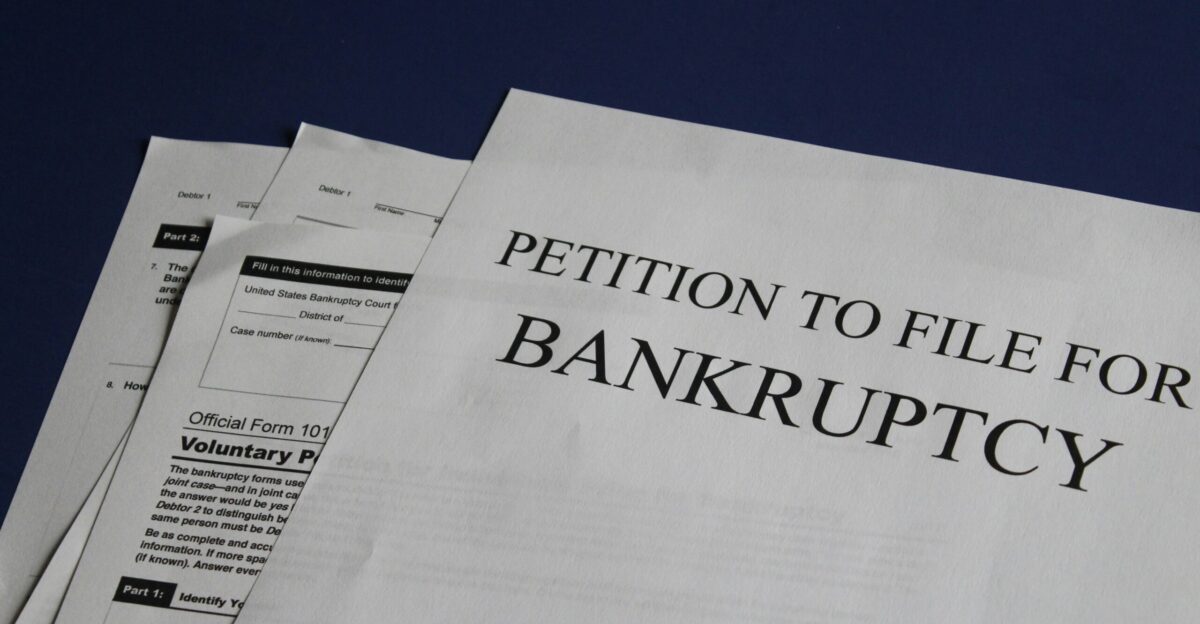
First Brands’ bankruptcy has thrust over $6 billion in debt into the limelight, raising immediate concerns among investors. As creditors nervously assessed their positions, fears of a domino effect rippled through the auto sector. A financial analyst commented, “The implications of this collapse are widespread, and many are now questioning the health of the entire supply chain.”
Heading into bankruptcy, the bond values of First Brands had already plummeted, revealing a fragile financial landscape. This crisis poses not just an economic threat but also an erosion of trust in the sector, leaving everyone on edge as they await further consequences.
Industry Giant

Founded in Ohio, First Brands grew into a multi-brand conglomerate through various acquisitions, becoming a key player in the aftermarket parts market. The company supplied essential components, including brakes and filters, to numerous businesses across the nation. “Every day, we depended on these parts to keep our operations running smoothly,” shared a local auto shop owner, illustrating the company’s far-reaching impact.
With thousands of employees based in multiple U.S. states, the shutdown leaves many in a state of distress as they confront an uncertain future. These developments underscore the far-reaching effects of one company’s downfall on an entire industry.
Mounting Pressure
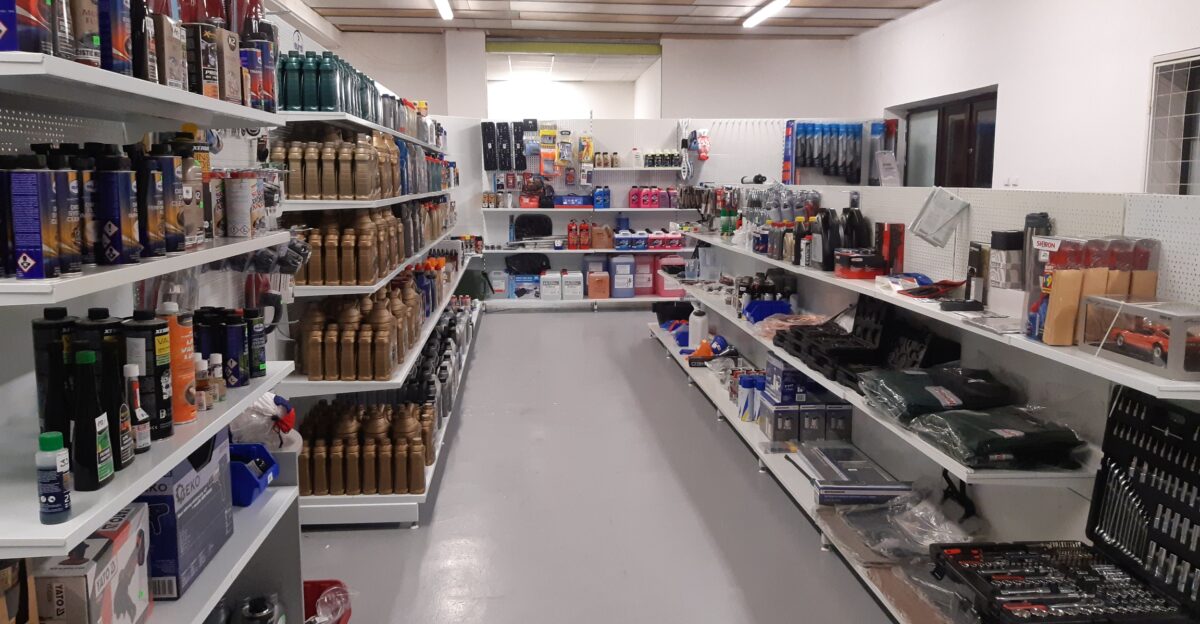
First Brands’ aggressive expansion strategy, financed heavily through debt, left the company walking a tightrope. Analysts raised alarms about the firm’s risky financial maneuvers, particularly its reliance on invoice factoring and supply chain finance, which obscured the true extent of its liabilities. “They seemed to weather storms without actually addressing the core issues,” remarked a financial expert.
As these risky practices were unveiled, questions arose concerning the viability of operations moving forward. The approach that once fueled growth now threatens to undermine job security and reshape the industry landscape. The revelations signal a troubling trend in corporate finance.
Day of Collapse
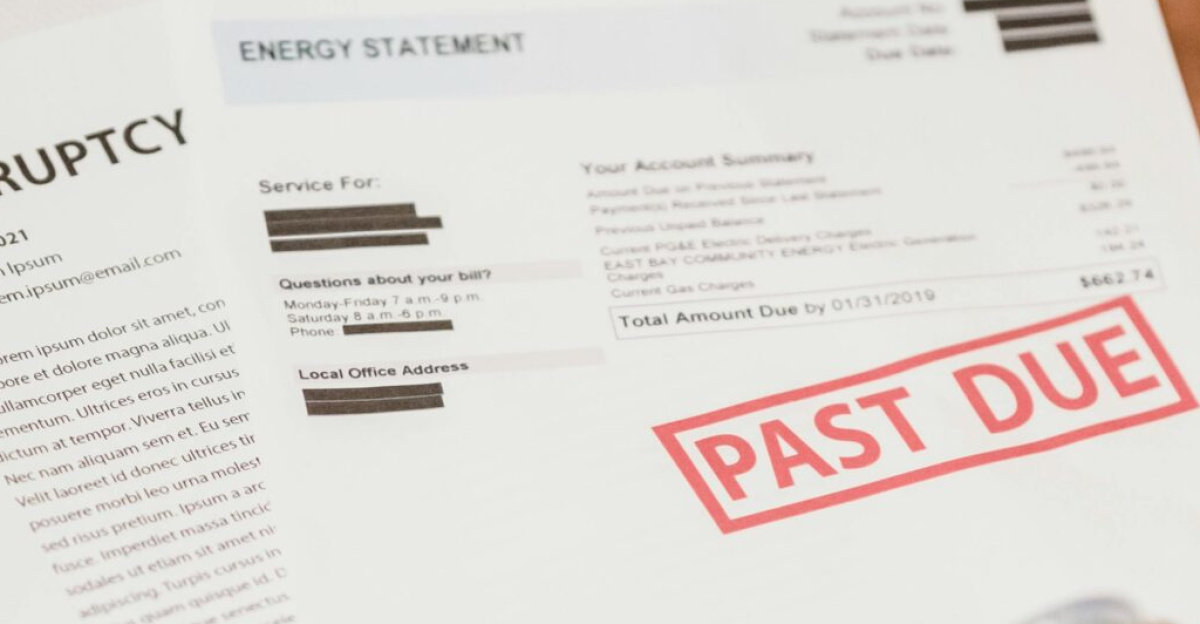
The filing for Chapter 11 bankruptcy on September 29 represents a harsh reality for First Brands and the auto parts sector at large. This unexpected move left numerous suppliers stranded and employees uncertain about their jobs.
“This is one of the largest collapses we’ve seen in years,” said an industry veteran, reflecting the shock felt across the board. Such a significant failure has broader implications, casting a shadow over the entire auto parts landscape, raising questions about the future viability of other manufacturers as well. The industry must now brace for the fallout from this turbulent chapter.
Ripple Effect in Ohio
The repercussions of First Brands’ collapse are hitting hardest in Ohio, where the company was headquartered. Thousands of U.S. factory and distribution jobs now hang in the balance, deepening fears of economic distress in the region. “We’ve seen families torn apart by layoffs before. We can’t go through this again,” a local union leader expressed, capturing the community’s anxiety.
While some global divisions remain active, many frontline workers find themselves in a state of limbo, uncertain about their future. This situation not only threatens livelihoods but has potential downstream effects that could ripple through independent garages and auto shops, straining the entire supply chain.
Human Costs

As the news of bankruptcy spread, concerns for employees and suppliers began to mount. “Paychecks are now in jeopardy, and, honestly, no one knows if we’ll have work next month,” confessed a production worker. Forums across the industry overflowed with stories of sudden order freezes and looming layoffs.
Each tale represents the human cost of a corporate failure that transcends financial figures. As the dust settles, it becomes evident that personal lives are intricately intertwined with the economic health of companies. The uncertainty looming over employees raises questions about how many will be able to make ends meet if the situation does not improve soon.
Supplier Shockwaves
First Brands’ bankruptcy is creating shockwaves throughout its supplier network. Many major suppliers and financiers, including Raistone and Wafra, now face a staggering $866 million in unpaid claims. A small vendor lamented, “We were already operating on thin margins; now we might not survive this storm.” The pressures are intensifying for many small to mid-sized companies that depend on steady payments.
With contracts facing delays or outright cancellations, the ripple effect threatens to destabilize the future of numerous businesses, further endangering jobs and economic activity across the sector. This situation highlights the vulnerability of small suppliers in troubled times.
Debt Trap

Industry experts increasingly point to First Brands’ downfall as part of a broader trend in the auto parts manufacturing sector where excessive debt is becoming normalized. After warning about the risks involved, Fitch downgraded First Brands before the effective collapse, citing exhausted refinancing options.
“It’s become clear that they were living on borrowed time,” said an industry analyst. As the implications of significant leverage raise alarms, the financial health of other major players is now under scrutiny. The intricate web of debt raises critical questions about the long-term sustainability of the sector.
Financing Nightmare

A special board committee is now investigating the alarming possibility that First Brands may have “double-counted” invoices, potentially inflating assets by as much as $2.3 billion. “If that’s true, the consequences could be far-reaching,” warned a financial investigator. This murky use of off-balance-sheet financing could entail deeper losses for creditors, signaling troubling governance issues.
As the investigation continues, trust in the transparency of the financial statements is waning, reflecting broader concerns about the company’s financial practices and potentially prompting increased regulatory scrutiny. Stakeholders are anxious for clarity on these unsettling matters.
Boardroom Tensions

In the wake of First Brands’ sudden collapse, executives and board members find themselves under intense scrutiny. Newly appointed restructuring officer Charles Moore is tasked with navigating this crisis while shareholders and creditors demand accountability for the company’s financial missteps.
“We need answers about what went wrong and where our investments went,” asserted a concerned shareholder. The level of tension within the boardroom is palpable, signaling that the road to recovery will be fraught with challenges. As pressure mounts for increased transparency, the management team’s next steps will be critical in regaining trust and stabilizing the company.
Leadership Shift

Amidst the chaos, a leadership change has taken place at First Brands. CEO Patrick James and an independent committee now oversee financial restructuring efforts tailored to restore confidence through enhanced governance and compliance protocols. “It’s essential we get back on track and prioritize transparency,” James stated, signaling a commitment to rectifying the company’s mistakes.
This shift aims to instill a renewed sense of hope among stakeholders. Yet, the challenges are immense, and the path to recovery remains uncertain as they face the aftermath of past decisions while striving to rebuild credibility in the market.
Rescue Moves

In an effort to maintain operations through the bankruptcy process, First Brands has secured $1.1 billion in debtor-in-possession financing. “We’re hopeful this funding will allow us to keep our doors open while we restructure,” a company spokesperson emphasized.
Court motions are currently underway to ensure timely payments to employees and suppliers, to maintain critical deliveries amid ongoing legal proceedings. However, the reliance on this lifeline raises questions about the organization’s financial resilience moving forward. As they navigate this precarious situation, every decision will be crucial for restoring operational stability.
Sober Outlook

As optimism fades, skepticism regarding First Brands’ recovery has taken hold. With liabilities potentially exceeding $11.6 billion, the road ahead will be anything but simple. “Any attempt at asset sales will face monumental hurdles given the current climate,” cautioned a financial analyst.
The necessity for cautious negotiations with lenders and partners is evident, stressing the fragility of current financial standings. Stakeholders remain on edge, anxiously watching to see if a restructuring plan can indeed revive a company that’s become emblematic of larger systemic issues within the industry.
Looking Forward

The bankruptcy case of First Brands raises crucial questions about the future of U.S. manufacturing giants burdened with heavy leverage. “Can companies of this size survive when relying heavily on debt financing?” pondered an industry expert, capturing the need for introspection. Additionally, the impact of this situation on the aftermarket supply chain remains uncertain.
Will stabilization occur before further jobs and companies face extinction? Such existential challenges remind all stakeholders of the industry’s fragile interconnectedness. The outcome is likely to have a significant impact on business strategies and financial structures in the automotive sector for years to come.
Policy Ripples
In the wake of First Brands’ bankruptcy, bankruptcy courts and regulators are beginning to scrutinize how supply chain finance is disclosed. Lawmakers are pushing for greater transparency, fearing the hidden debts may be impacting other industrial giants. “We need to ensure other companies aren’t concealing liabilities at the expense of vendors and employees,” asserted a government official.
The revelations related to First Brands have prompted discussions about potential regulatory reforms aimed at safeguarding the industry’s integrity. This situation serves as a vital reminder of the necessity for sound financial practices and transparency across the board.
Global Fallout

With U.S. operations now under court protection, the collapse of First Brands sends ripples through its international affiliates. Many countries rely on the parts produced by First Brands for their automotive sectors, and local suppliers express concern. “This could impact everything from production lines to delivery schedules,” remarked a foreign supplier, reflecting a growing unease.
As global operations attempt to stabilize, the potential for supply chain disruptions is raising alarms. The interconnected nature of international trade means that failures in one company can trigger unforeseen challenges worldwide. Stakeholders worldwide are watching closely.
Desperate Measures

As the fallout continues, desperate measures have become a theme. Some companies within the supply chain have begun preemptively cutting costs, leading to layoffs and reduced hours for workers. “It feels like the ground is shifting beneath us. Each day brings new challenges,” lamented a factory worker whose hours have been slashed.
This climate of uncertainty creates a cascade of insecurity, heightening the urgency for transparency and collaboration among companies. As peer enterprises navigate their response to First Brands’ crisis, it’s crucial to find a balance that prioritizes both stability and employee well-being across the industry.
Resilience in Crisis
Despite the chaos surrounding First Brands, some industry voices remain hopeful. “This industry has faced challenges before, and we will continue to adapt and evolve,” stated a veteran analyst. There are calls for resilience and commitment to innovation as businesses seek new technologies and streamlined operations.
During this turbulent period, many recognize that collaboration and shared experiences will be essential. The crisis could also act as a catalyst for a cultural shift, promoting more sustainable practices and financial diligence across the sector. Whether or not the industry can rebound depends on how effectively it learns from this ordeal.
The Road Ahead

As First Brands embarks on its restructuring journey, all eyes remain on the broader implications for the automotive parts sector. The lessons learned from this crisis will shape future operations and risk management strategies. “We cannot afford to let this happen again. It’s time to rethink our financial frameworks,” cautioned a supply chain consultant.
As companies brace for potential fallout, commitment to transparency, employee welfare, and financial prudence will be critical. The automotive industry now stands at a crossroads, poised to redefine its approach as it navigates the complex aftermath of First Brands’ bankruptcy. The future is uncertain, but change is on the horizon.