
It is unprecedented that Walmart CEO Doug McMillon has announced a three-year hiring freeze while implementing AI to transform roles. With 2.1 million workers worldwide, including 1.6 million in the US, Walmart’s action highlights how AI will unavoidably have a significant impact on all types of jobs.
According to McMillon, “I haven’t considered it, but perhaps there is a job in the world that AI won’t change” (CNBC, Sept. 29, 2025). Walmart is paving the way for a time when AI will transform work without causing widespread layoffs by redefining job tasks through AI integration rather than cutting headcount.
Retail’s Historical Employment Disruption

Technology has long disrupted retail workforces, from online shopping to inventory automation. With its cost leadership, Walmart historically upended Sears in the 1980s, and Amazon’s ascent in e-commerce in the 2000s put Walmart in jeopardy.
The next stage is represented by McMillon’s AI strategy, which involves profound task disruption within the current workforce rather than company displacement. This move represents a shift toward human-AI collaboration, as opposed to previous waves that replaced workers. Walmart’s record revenue growth contrasts with the freeze, demonstrating a model in which AI enhances rather than replaces human labor and sets the stage for an unprecedented workforce transformation.
The Impact of AI on Walmart’s Employees
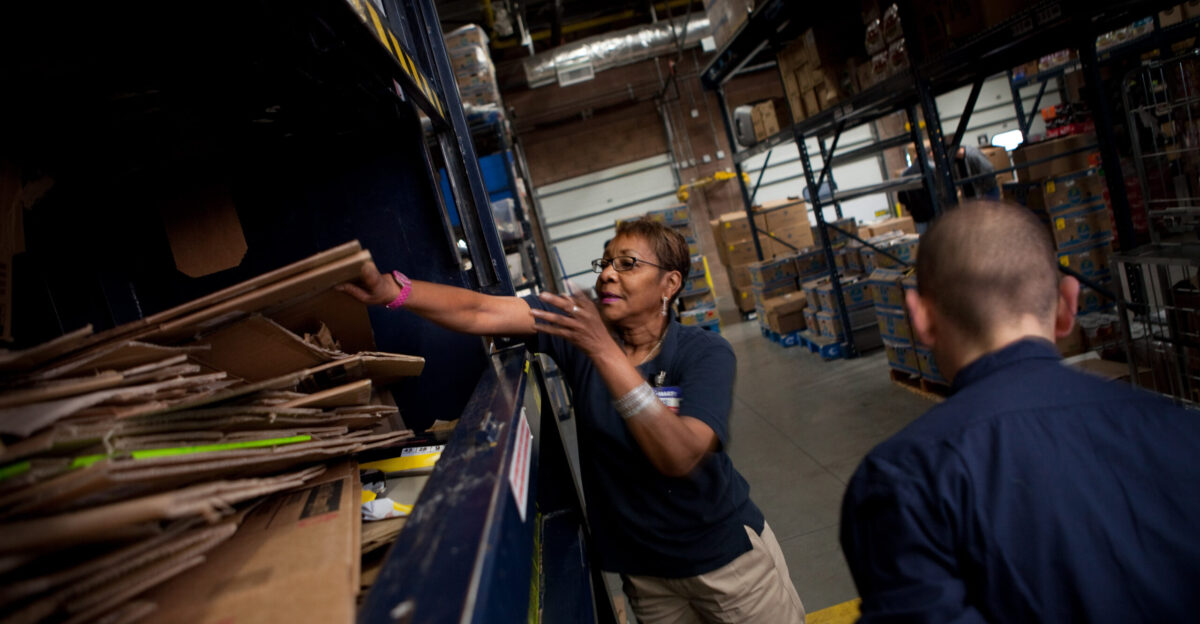
Every task for Walmart’s 2.1 million global employees is changing due to artificial intelligence. About half of Walmart’s workforce (about 1.05 million) is white-collar, and Ford CEO Jim Farley warns that AI may replace half of all white-collar jobs in the United States.
AI tools answer 3 million questions every week and cut down shift planning time from 90 to 30 minutes. By 2026, the company will have spent $1 billion on skill development, retraining millions of people through the certification programs offered by Walmart Academy and OpenAI.
Practical Use of AI Tools and Task Reconfiguration

Walmart’s AI-powered tools, like its “agent builder” platforms, enable non-technical employees to create AI agents by combining several bots into “super agents” that specialize in development, sales, customer service, and human resources.
Employees are free to perform higher-level tasks when repetitive and routine tasks are automated. The AI support saves $200 million a year by reducing developer hours by 4 million. New models for workforce engagement are established by this redistribution of labor, which promotes a hybrid role combining business and technology skills, a radical break from the traditional division between white-collar and blue-collar work.
The “Jobless Job Transformation” Paradox

A unique paradox arises from McMillon’s hiring freeze in the face of revenue growth: labor needs change, but volume does not. Conventional labor economics is challenged when the same or greater economic output is produced with fewer new hires.
In this instance, AI accelerates efficiency gains without requiring the addition of human capital, shifting the productivity frontier. It compels a reconsideration of labor market assumptions that the number of jobs increases in direct proportion to revenue.
White-Collar Risk vs. Blue-Collar Resilience

Despite popular belief, blue-collar jobs like stocking shelves or warehouses might be safer than office jobs. According to the CEO of Ford, AI has the potential to eliminate up to 50% of white-collar jobs by more efficiently automating knowledge and administrative tasks.
Walmart’s enormous logistics, warehouse, and frontline jobs continue to face difficulties, but rather than completely replacing them, the shift tends to elevate blue-collar workers to AI collaborators. Traditional labor hierarchies and educational presumptions about who is most at risk from AI disruption are called into question by this inversion.
Effects of AI-Induced Job Transformation on the Mind

Roles and tasks are closely linked to work identity. As employees adjust to non-traditional roles like AI agent builders, the massive transformation of 2.1 million Walmart jobs may result in stress and cognitive dissonance.
Psychological support and ongoing retraining programs will be essential. In addition, the change challenges long-standing social agreements regarding upward mobility and job security, which could lower morale if handled poorly.
Technology-Assisted Labor Transformation

During the Industrial Revolution, mass factory jobs were created, but craftspeople were displaced by mechanization. Although it created new tech fields, the personal computer revolution changed clerical roles. These are echoed by Walmart’s AI-led transformation, which speeds up change dramatically and redefines not only job volume but also cognitive and skill requirements.
AI blurs the lines between traditionally separate roles by disaggregating tasks within jobs, in contrast to previous revolutions. Due to its widespread impact, this labor revolution may be the most extensive in history, compelling businesses and decision-makers to reevaluate social safety nets, workforce development, and education from a fundamental standpoint.
Democratization of the Workforce through Walmart’s AI Certification

The most extensive private-sector AI training program ever is Walmart-OpenAI’s partnership to offer an AI certification program beginning in 2026, which will train 1.6 million American workers.
This makes it possible for retail employees without coding experience to develop and implement AI tools, democratizing AI literacy outside of Silicon Valley and other prestigious tech sectors. The elitist gatekeeping in tech adoption is broken down by this new business-technology hybrid role, which also broadens career paths.
Measuring Economic Impact and Efficiency Gains

Walmart’s AI cut shift planning time in pilots from 90 minutes to 30 minutes, a 66% reduction. This efficiency could save 1,825,000 hours a year, assuming 35,000 shifts per day.
At average rates, the savings of 4 million developer hours translate into labor cost savings of $200 million. These notable increases in productivity help Walmart maintain its business growth without making any new hires. This alters labor cost structures, which may allow consumers to pay less, but it also raises concerns about job quality and wage pressure in an AI-driven economy.
The Problem of Skill Gaps and Workforce Adaptation

Massive retraining is necessary for mass task transformation; by 2026, it is predicted that 62 million training hours will reach 40 hours per US employee. Not every employee reskills equally, and skill gaps may make inequality in Walmart’s workforce worse. The hiring freeze may worsen the risks of displacement for older or less educated workers who are less tech-savvy.
For traditionally low-tech roles to successfully navigate this, highly customized training, continuous support, and cultural change are necessary. Failing to do so puts the workforce at risk of disintegration and lost productivity gains.
The Debate Over AI’s Role in Job Preservation vs. Replacement
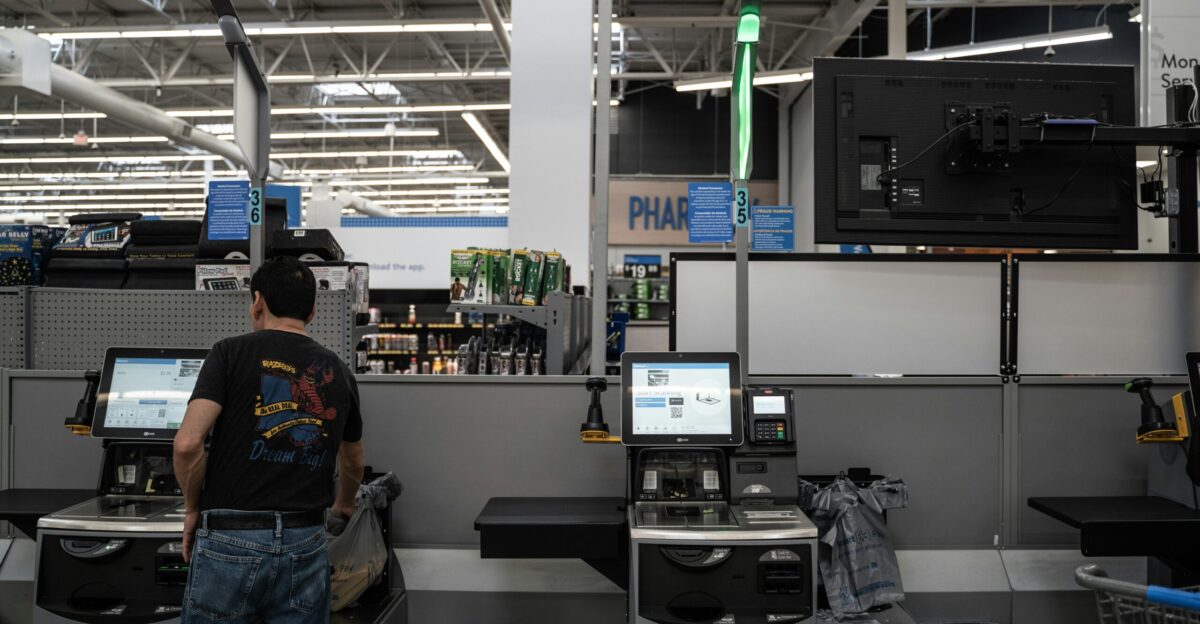
By flattening rather than cutting headcount, McMillon presents AI as a tool for job preservation through transformation rather than elimination. This stands in contrast to the popular dystopian narrative that predicts widespread unemployment.
Walmart’s experience could be used as a case study to demonstrate that, with careful planning, investment, and consideration for human roles, AI can complement rather than completely replace workers on a large scale.
Beyond Walmart, AI’s Impact: A National Blueprint
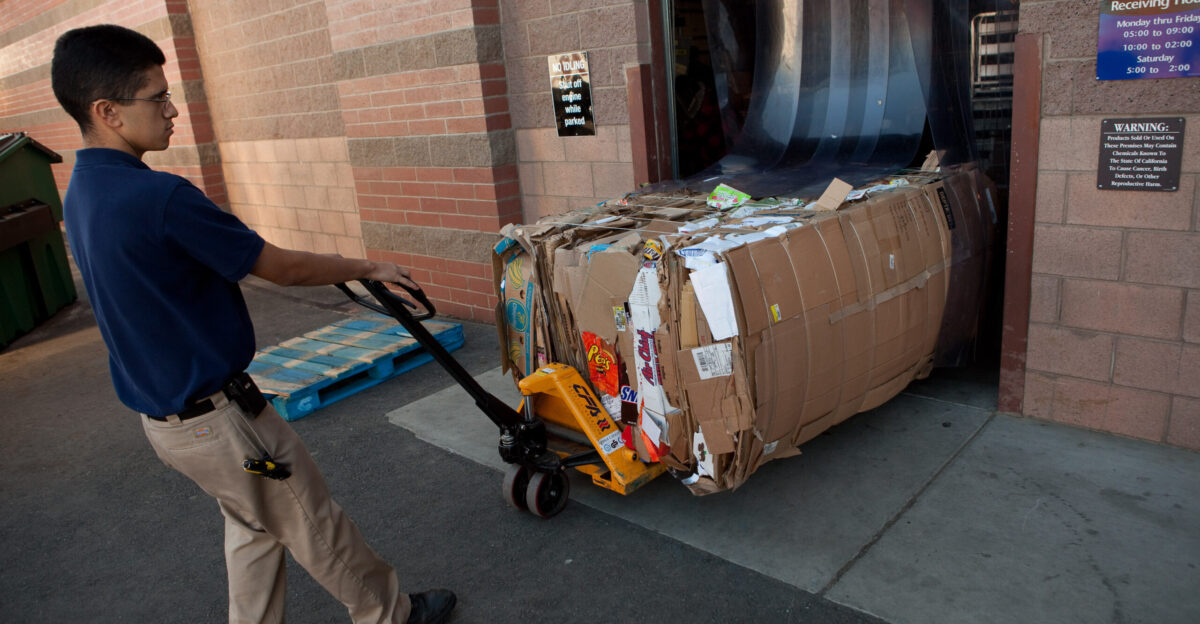
Walmart is a good indicator of how AI will affect American jobs because of its size. With 1.6 million employees in the US, the company’s transformation reflects issues in the manufacturing, services, and retail industries.
The outcome of this strategy could influence labor laws pertaining to corporate responsibility, social safety nets, and universal AI training. Walmart’s AI-human hybrid model might provide a model for increasing employment without causing widespread unemployment, preventing social unrest, while utilizing AI’s economic potential.
The Impact of AI on the Retail Customer Experience

AI “super agents,” like Sparky for customers, demonstrate how AI can improve customer interaction by providing prompt, dependable assistance. This may improve job quality by moving frontline jobs from routine inquiry handling to complex problem-solving or emotional support. But it also puts pressure on employees to work with AI, combining their technical and social skills.
Walmart’s extensive AI implementation in customer service is a prime example of the potential for AI-human collaboration models that could revolutionize the way that retail influences face-to-face communication.
AI-Driven Productivity: Some Takeaways

According to some businesses, AI saves millions of labor hours every year; in 2024, Walmart alone saved 4 million developer hours. In severe situations, AI-assisted scheduling or coding reduces expenses, but labor markets are impacted by this efficiency.
For instance, a similar trend in banking is automating up to 40% of back-office and teller tasks, illustrating how AI is displacing middle-skill positions across industries. Walmart’s widespread adoption of AI serves as a test bed for significant economic shifts where labor disruptions and productivity increases occur at the same time.
The Danger of Wage Pressure and Job Polarization

Because high-skilled workers gain from AI while mid- and low-skilled roles stagnate or decline, the impact could further polarize the labor market. Upskilling is necessary for Walmart’s hybrid roles, such as AI “agent builder,” but many frontline jobs run the risk of wage pressure as AI reduces the number of labor hours required.
For many workers, the freeze might conceal underlying declines in job quality or a halt in wage growth. This structural risk emphasizes the necessity of thorough labor market reforms in line with the adoption of AI in order to stop inequality from growing and maintain living standards for workers who are most at risk.
Theories of AI and the Evolution of the Workforce

One theory is that “job self-limiting” may result from AI’s quick task automation. The scope of human roles is reduced as AI automates more tasks, making them more managerial and supervisory.
This could eventually force a new social contract that separates employment from traditional jobs, which could strengthen the case for alternative economic models or universal basic income. Walmart positions itself ahead of more significant societal changes by tacitly practicing this by freezing hires and making significant investments in task evolution.
The Function of AI in Business Strategy

Walmart’s strategic foresight is demonstrated by its integration of AI, which lowers costs and boosts agility while sustaining revenue growth without hiring more employees. Amazon and Google are Walmart’s rivals, and both aim to disrupt the retail industry with AI. Competitive moats are created by early AI adoption through worker retooling, scale, and data. Businesses that wait run the risk of falling behind.
Walmart’s most extensive private-sector AI training program in the world can give the company a competitive edge by preparing staff to work as frontline AI collaborators and to integrate AI into core business processes before rivals can respond.
Ethical Issues and Employee Obligations
Walmart’s strategy, which places a strong emphasis on retraining, avoids mass firing, but it still runs the risk of hurting employees who are unable to adjust or who are indirectly displaced by task changes. Transparency, equitable access to reskilling, and assistance for impacted employees are all necessary for the ethical deployment of AI.
Although Walmart’s $1 billion training investment is noteworthy, it needs to be accompanied by wage protections and psychological support. The business highlights corporate responsibility in AI transformation, a topic that is becoming increasingly important as AI adoption grows, and acts as an ethical test case in striking a balance between AI-driven efficiency and human dignity.
Work’s Future Walmart provided the illustrations.
Walmart’s AI transformation and hiring freeze serve as a model for how the largest workforce in the world can adjust to AI without suffering a devastating loss of jobs. Walmart’s approach signals a future where people and AI work together in roles that are typically thought of as secure by redefining jobs rather than eliminating them.
Rethinking workforce planning, education, ethics, and economic safety nets is necessary to address the paradox of stable headcount in the face of significant AI-driven task disruption.