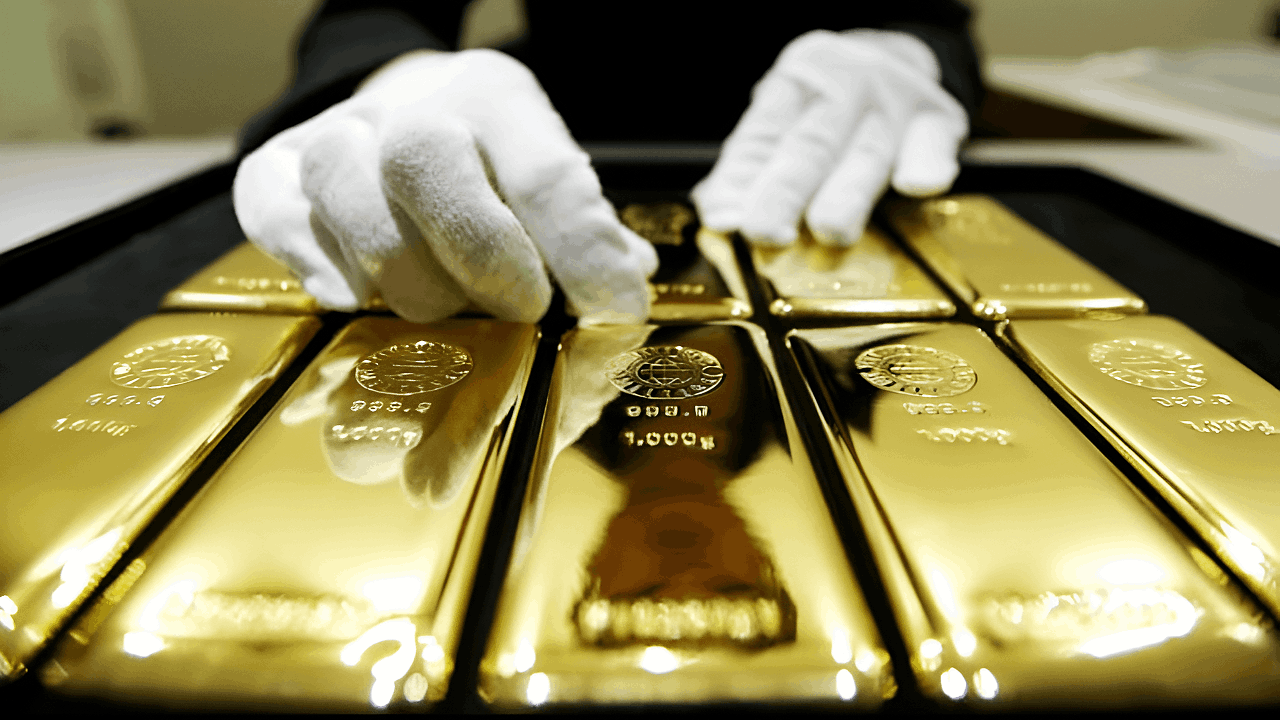
On Oct. 8, 2025, spot gold exploded past $4,000 for the first time. By 06:53 GMT, it hit $4,032.46/oz and December futures $4,054.80.
This follows a roughly 54% gain in 2025, dwarfing other assets. Traders in London, New York and Hong Kong scrambled as the unprecedented milestone shocked global markets.
Rally Accelerates into Overdrive
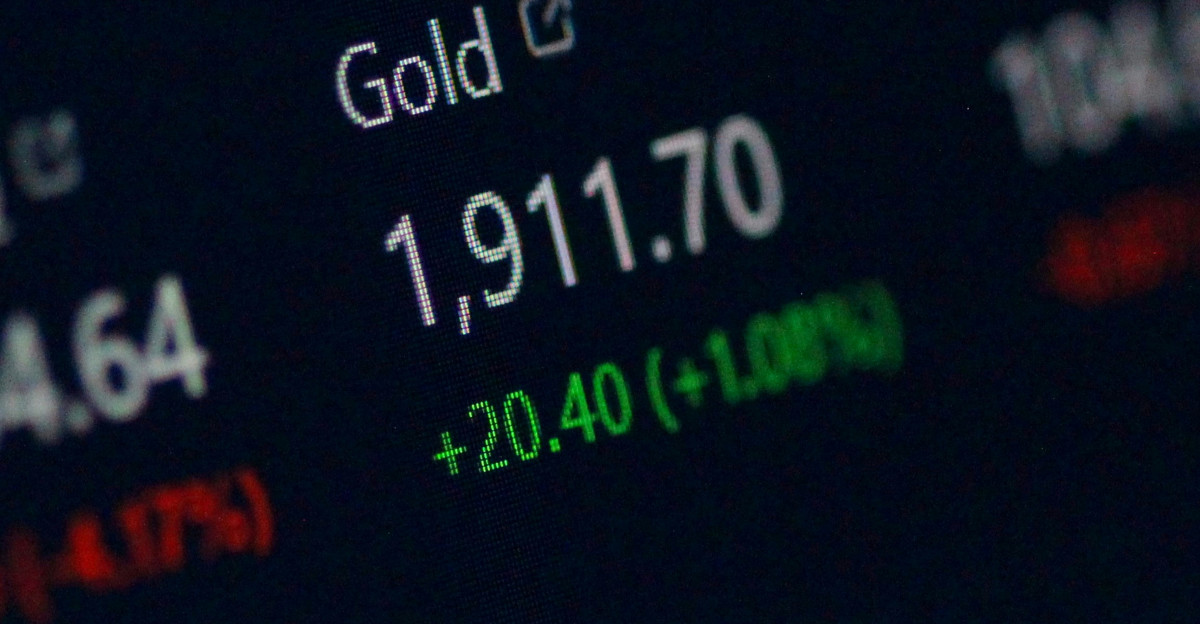
Gold’s ascent has gained terrifying speed. It took about 12 years (2008–2020) to double from $1,000 to $2,000, then only 7 months (March–Oct 2025) from $3,000 to $4,000.
Technical indicators flashed overheating: the monthly Relative Strength Index topped 90 – the highest since the 1980s. Investors note gold’s momentum has “gone parabolic” as demand surges.
Long-term Gold Accumulation

Massive gold reserves underpin this run. About 216,265 tonnes of gold have been mined globally. Central banks now hold roughly 37,755 tonnes (≈17%) of that.
In fact, gold’s share of central-bank reserves now exceeds the U.S. Treasury holdings for the first time since 1996, reflecting years of heavy buying and a shift in reserve strategies.
Dollar Plunge and Policy Shocks
Key pressures fueled the rally. The U.S. Dollar Index fell ~11% in H1 2025 – its worst first-half drop since 1973. President Trump’s aggressive tariffs (e.g. 39% on Swiss goods) injected trade uncertainty, and even a modest Fed move mattered: Washington cut rates 25 basis points in September.
Markets now fully price another cut by October, magnifying dollar weakness and boosting gold.
Record Milestone in a Thin Market
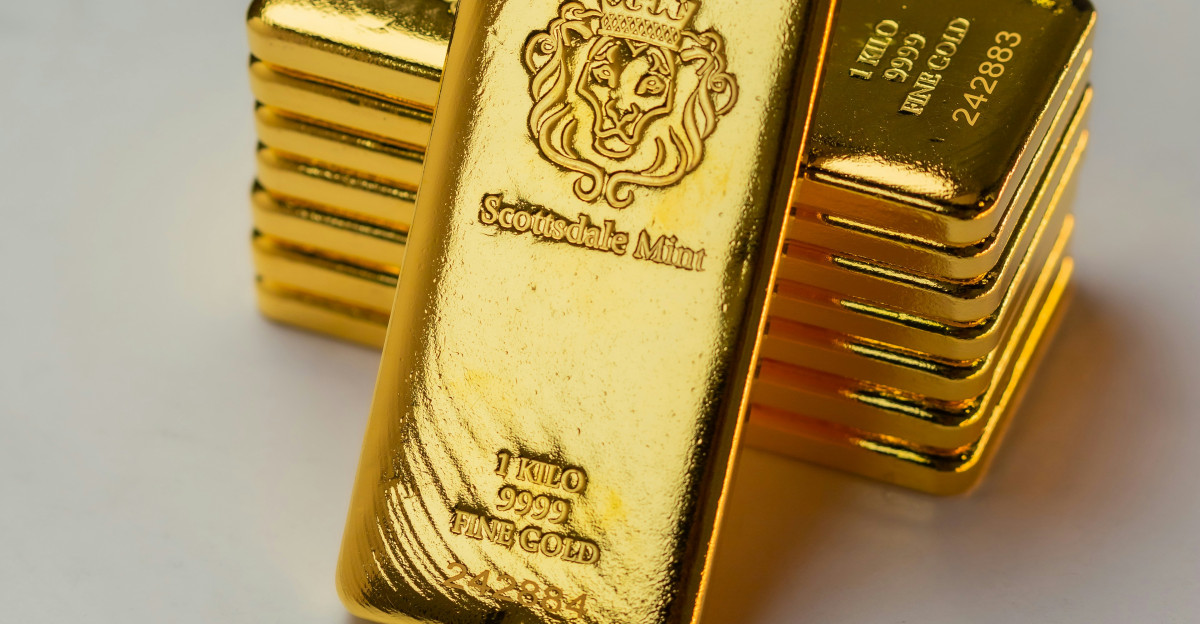
At exactly 06:53 GMT on Oct. 8, during Asia’s quiet hours, gold cleared $4,000. “Rising uncertainty levels tend to fuel gains in the gold price,” observed Tim Waterer of KCM Trade as traders watched.
That tick implied a simultaneous above-ground gold stock value of nearly $28 trillion (over 216,000 tonnes at $4k) – more than the GDP of any country.
Global Market Jitters
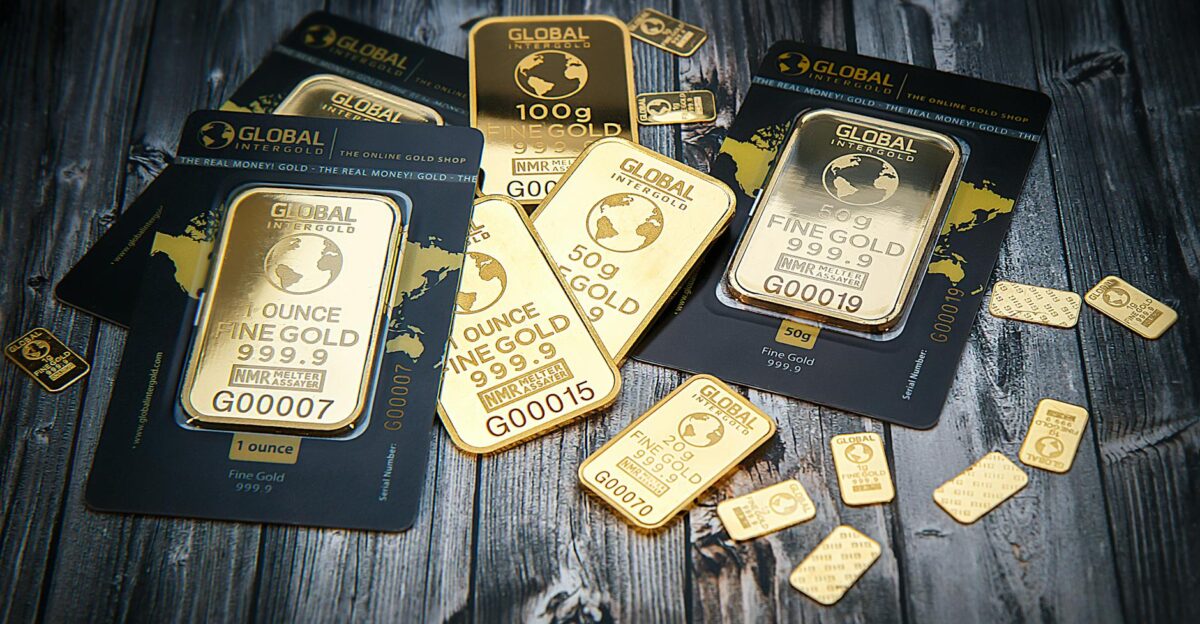
The milestone reverberated worldwide. In Hong Kong and Singapore, wild swings forced pauses in bullion trading, while Swiss refineries – responsible for most gold processing – halted U.S. shipments under new tariffs.
London struggled to keep its bullion market orderly as arbitrage surged. Investors in Europe, Asia, and the Middle East scrambled to hedge exposure amid the chaos and policy whiplash.
Retail Buyers and Bullish Analysts

Consumers rushed to cash in. Jewelers report people melting family heirlooms or postponing luxury purchases as 2025 prices eclipse weddings. Wall Street strategists were bullish: JPMorgan’s Natasha Kaneva told clients, “We remain deeply convinced of a continued structural bull case for gold”.
Newlyweds found gold rings cost nearly double the 2024 levels, and many are shifting to cheaper metals in marriage bands.
Central Bank and ETF Buying Surge
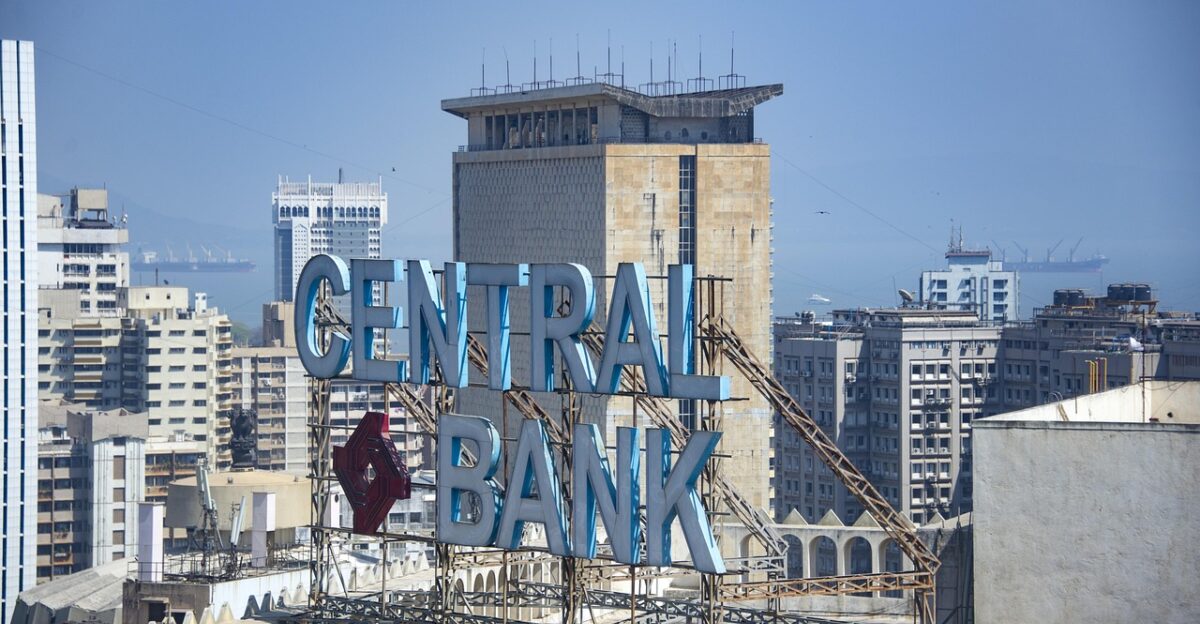
Institutions kept piling in. China’s central bank bought gold for the 11th month straight in September. Emerging-market reserves are diversifying: Poland reached its 20% gold-reserve target in April 2025 (287 tonnes acquired since 2023).
Global flows into ETFs smashed records – SPDR Gold Shares saw $35 billion of inflows by Sept. 2025, and World Gold Council data show $64 billion YTD.
Debasement Trade Fuels Other Assets

Investors speak of a “debasement trade.” Bitcoin surged to a fresh record ($125,245 on Oct. 5) as fiat worries mounted. Silver climbed alongside gold – futures topped $48.90, near the all-time high.
“Gold is making its way higher in tandem with one of its newest [assets], bitcoin,” noted VanEck strategist David Schlesser. Cryptos and commodities alike joined the gold rally.
Dollar’s Safe-Haven Status Questioned

The rally exposed a seismic shift in reserve balances. For the first time on record, central banks’ gold holdings (~$4.5 trillion worth) now exceed their U.S. Treasury holdings (~$3.5 trillion).
In other words, gold has become a rival to U.S. debt in safety perception. Some observers dub this the end of the dollar’s uncontested safe-haven mantle.
Fed Under Pressure amid Data Blackout
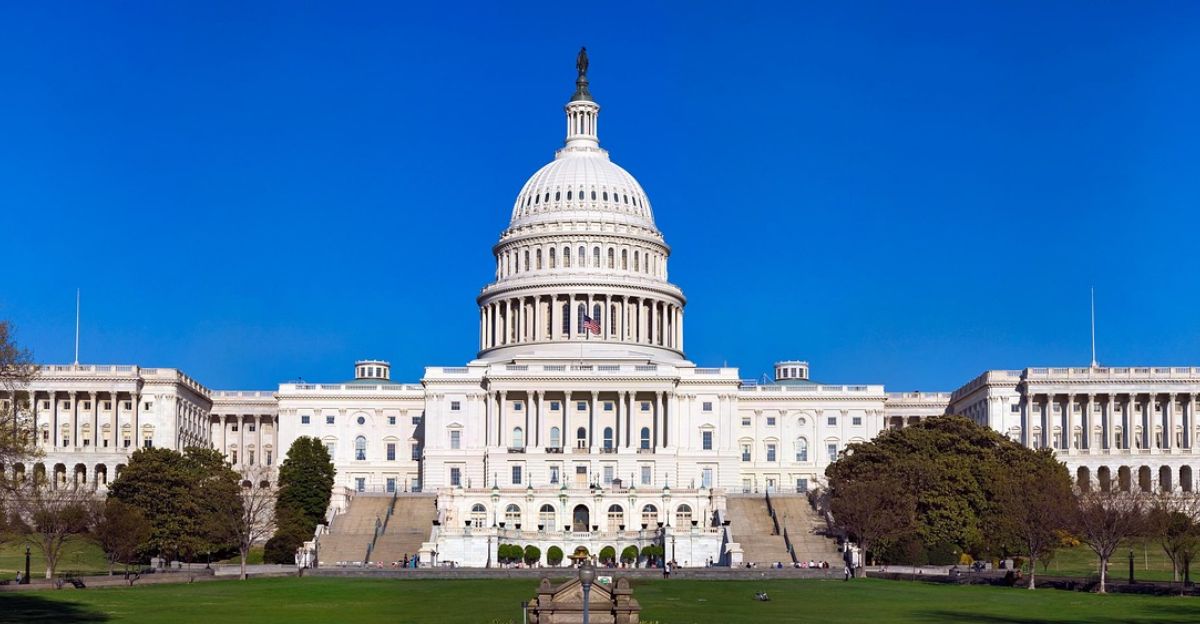
Fed officials face a squeeze. Chair Powell warned, “There are no risk-free paths now” as markets already price a 25 bp cut this month.
Yet the U.S. government shutdown (8th day, Oct. 8) has halted key economic reports, leaving the Fed blind. With inflation stubborn and stocks high, a tug-of-war grows between rate-cut advocates and inflation hawks at the FOMC.
Central Banks Shift Reserves
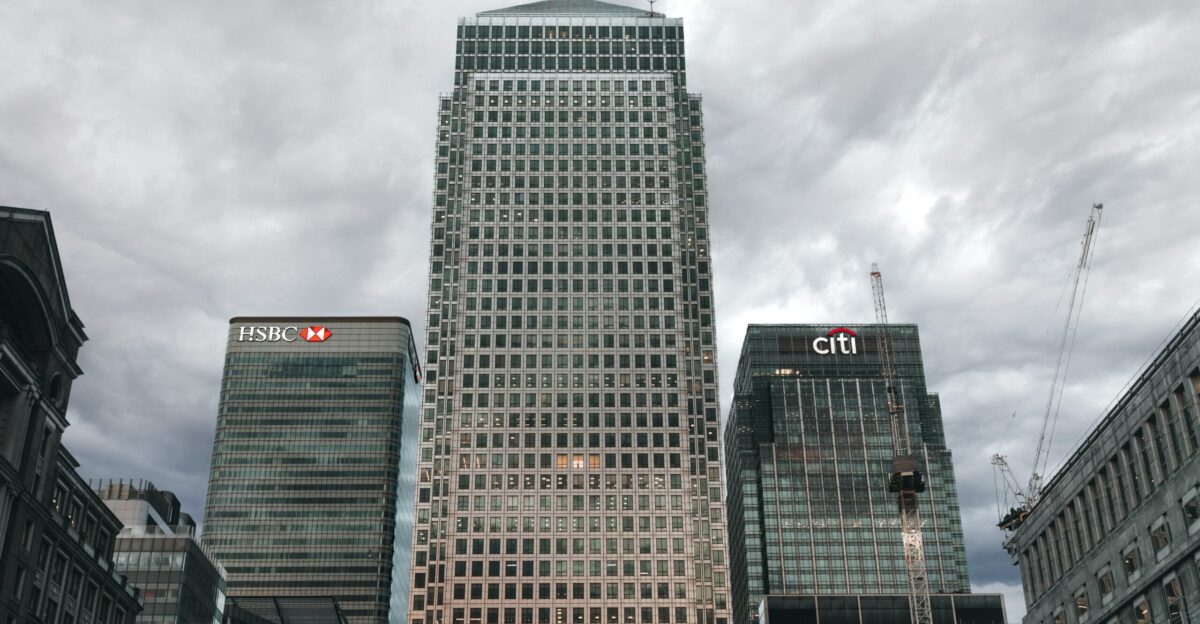
Countries continue the pivot to gold. Russia’s buildup (now thousands of tons) vindicates its “fortress economy” strategy from 2006. China, Turkey, and Kazakhstan accelerated purchases in 2024–25, while emerging markets cut reliance on dollars.
Central banks as a group bought around 900 tonnes in 2025 – down slightly from 1,000+ tonnes annual buys in 2022–24 but still historically high.
Tariff Fallout and Policy Response
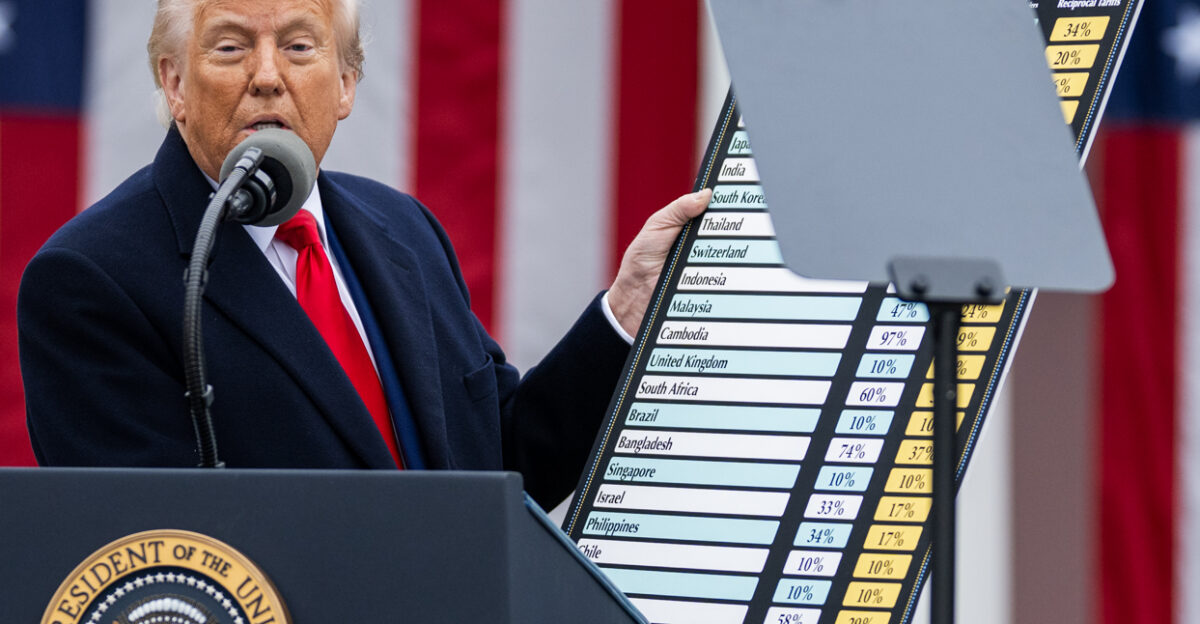
Washington scrambled to contain the fallout. The White House publicly labeled gold-tariff scares as “misinformation” and is preparing an executive order to clarify rules. But the Customs decision (39% on Swiss gold bars) already froze trade: Swiss refiners stopped U.S. deliveries, warning “with a tariff of 39%, exports of gold bars will be definitely stopped to the U.S.”.
The dispute has forced governments to reassess the legalities of gold trade.
Caution from Market Strategists
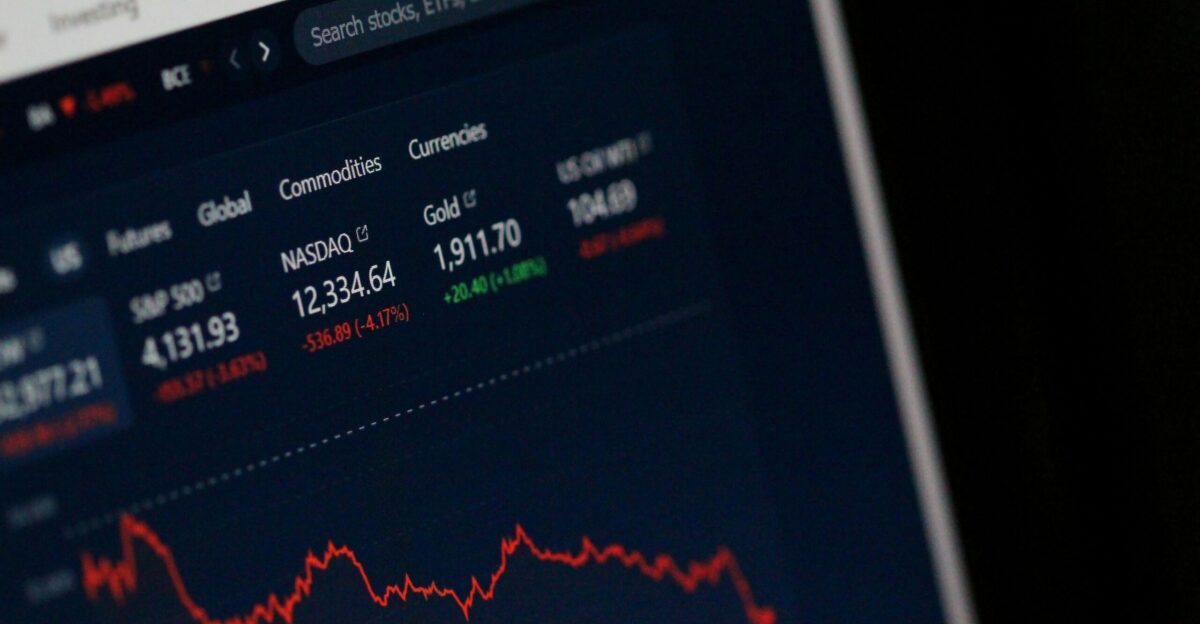
Despite euphoria, analysts urge care. Technical indicators flag gold as “extremely overbought.” As a VanEck strategist cautioned, “No asset goes up in a straight line and we should expect some tactical pullbacks”.
Some forecast a short-term retracement toward $3,835 if profit-taking ensues. Experts note that gold’s lofty price relies on relentless institutional demand – any slowdown in buying could chill the current rally.
Further Upside? Goldman’s Forecast

Major banks still see more upside. Goldman Sachs raised its 2026 target to $4,900/oz from $4,300 (Dec 2026). Other houses echo a cautious bullish stance.
The market now wonders: has gold broken out of its old patterns, or will “gravity” reassert? For now, the path is unclear. Each new report or policy move seems to swing the pendulum again.
Political Fallout in the U.S.
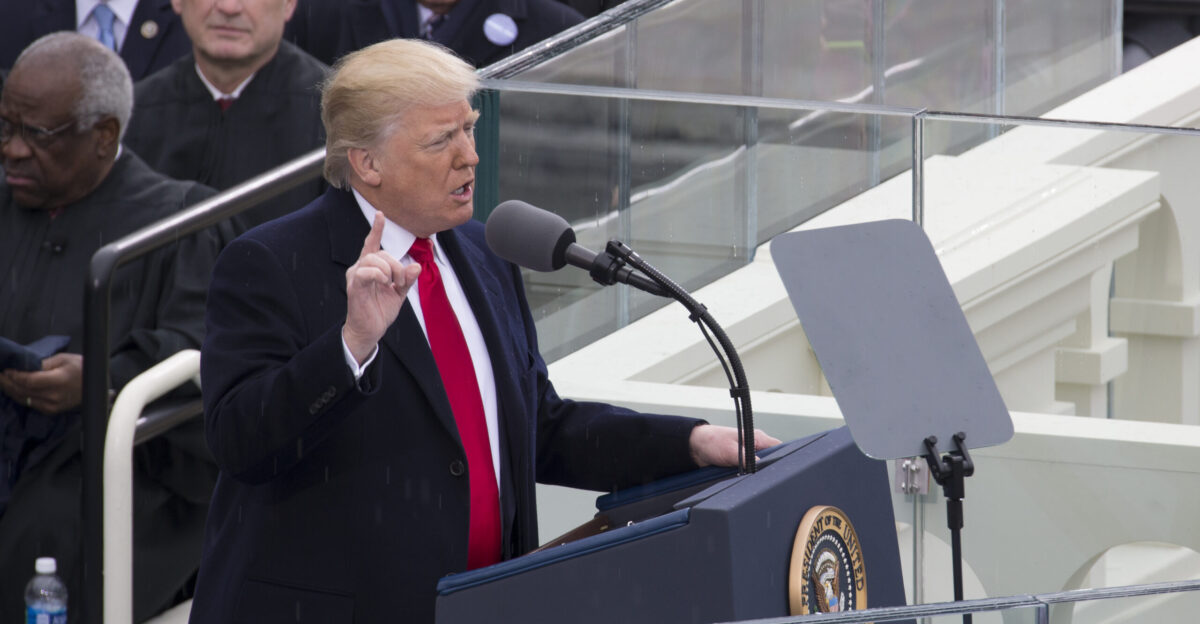
Gold’s rise has injected itself into U.S. politics. Republicans hail dollar weakness and high gold prices as vindication of fiscal-responsibility arguments, blaming deficits and Trump-era spending. Democrats counter that tariff-driven uncertainty is inflating safe-haven demand.
Even Fed independence is under fire: critics demand Powell justify cuts despite simmering inflation. In Congress, gold has become a talking point in debates over economic policy.
Ripples in Global Monetary Policy
Central bankers abroad are unsettled. ECB officials eye the rally nervously as a sign of eroding confidence in coordinated policy. China is accelerating de-dollarization, and initiatives like BRICS settlements in yuan or gold gain traction.
Long-running conflicts (Middle East, Ukraine) keep risk premiums high. Taken together, these shifts suggest Western financial dominance faces its gravest test since Nixon closed the gold window in 1971.
Trade Law and Supply Chains

The gold tariff saga highlights complex legal issues. Trade lawyers debate if bullion is a “specialized” product exempt from broad tariffs. In practice, the U.S. Sept 5 executive order revamped the tariff schedule: most 1-kg and 100-oz bars now carry 0% duty.
The London Bullion Market Association called it a “significant and positive step” after weeks of confusion. Meanwhile, regulators in Europe and elsewhere are scrutinizing gold’s regulatory classification to avoid unexpected levies.
Changing Attitudes Toward Gold
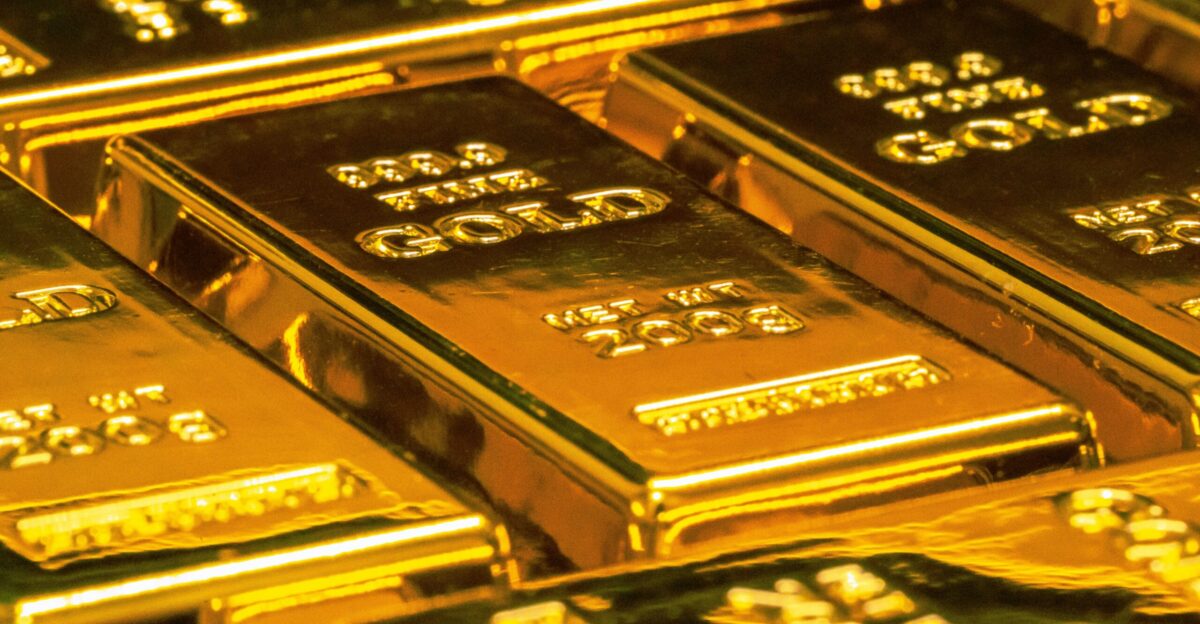
Culturally, a new generation is embracing bullion. In India, gold remains central: prices spiked 60% YTD to a record ₹122,829 per 10g on Oct 8, and urban investors are shifting toward gold-backed ETFs.
Globally, Millennials and Gen Z are allocating more to precious metals as inflation hedges. Weddings see more alternative metals and smaller gold gifts. “Gold parties” – gatherings where friends pool money to buy bullion – are emerging as a quirky hedge strategy among younger savers.
Gold’s Role in a New Era
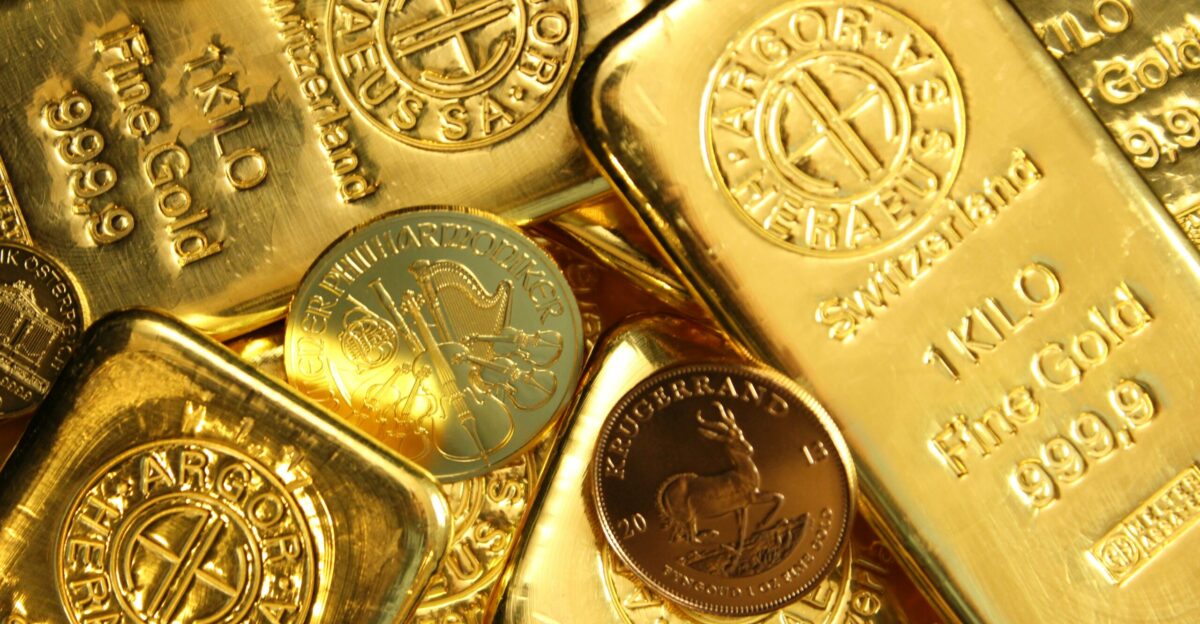
Gold’s $4,000 breakthrough forces a big question: Is this a temporary surge or the start of a new monetary era? Central banks now hold gold at levels (17% of above-ground stock) not seen since before the 1970s.
If trust in fiat currencies continues to wane, the 1971 Bretton Woods paradigm (end of gold convertibility) might be upended. For now, markets watch closely whether this is a lasting transformation or a once-in-a-cycle upheaval.