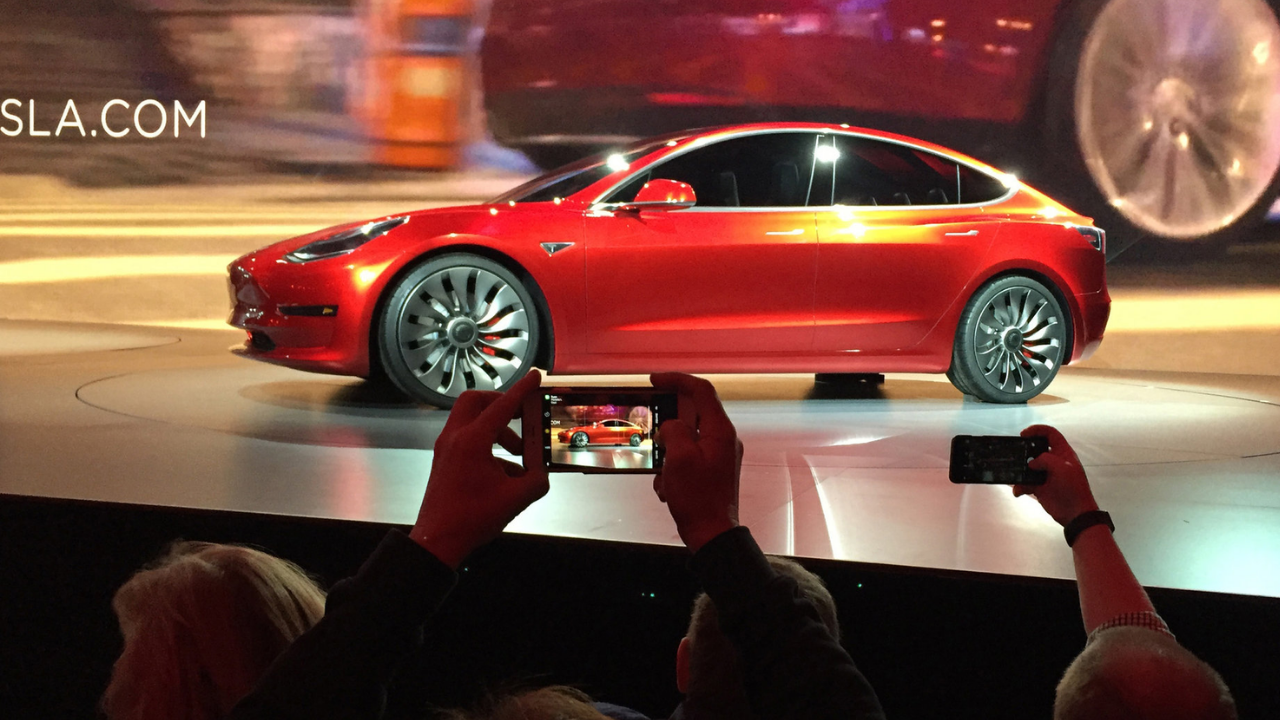
The numbers hit first: $36,990 for a Model 3 Standard. $39,990 for a Model Y Standard. On screen, the prices look inviting—until buyers notice what’s missing. Just seven days earlier, both cars still qualified for a $7,500 federal EV credit.
Now that credit is gone, the savings shrink to barely $2,000–$2,500 over the Premium versions—minus Autosteer, panoramic glass, and half the speakers. The question flashes in every buyer’s mind: Is “Standard” the new word for “less”?
Minimal Savings Over Premium
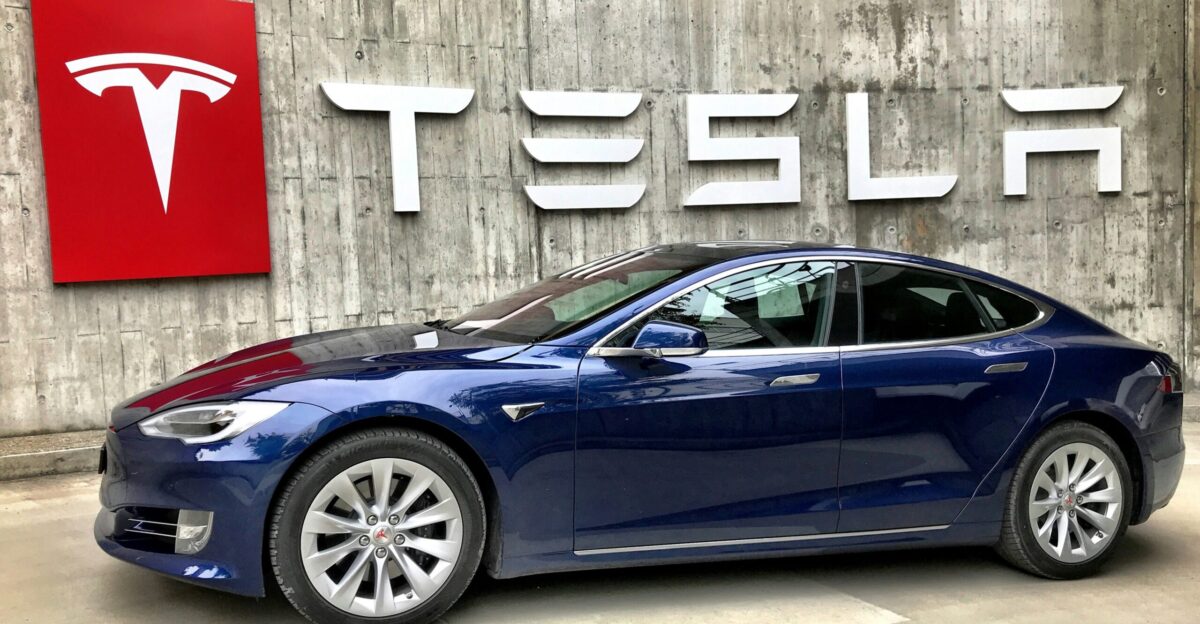
Tesla’s Standard trims save $5,500 (Model 3) and $5,000 (Model Y) compared to Premium versions—but lose far more in value.
For roughly $2,000–$2,500 more after the vanished tax credit, Premium buyers get panoramic roofs, advanced audio with 14+ speakers, Autosteer lane centering, faster charging, heated rear seats, and significantly more range. The math is brutal: pay nearly the same, get dramatically less.
The $25,000 Tesla That Never Was
Remember Tesla’s long-teased $25,000 “Model 2”? That vision has been shelved, after years of flip-flopping since its 2020 announcement. Reuters confirmed the project’s cancellation in 2024, despite Elon Musk’s public denials at the time.
The new Standard trims are Tesla’s workaround: not $25k cars, but cheaper Teslas that edge toward affordability—though still roughly $12k–$15k above the once-promised price.
Stripped-Down Model 3 Standard
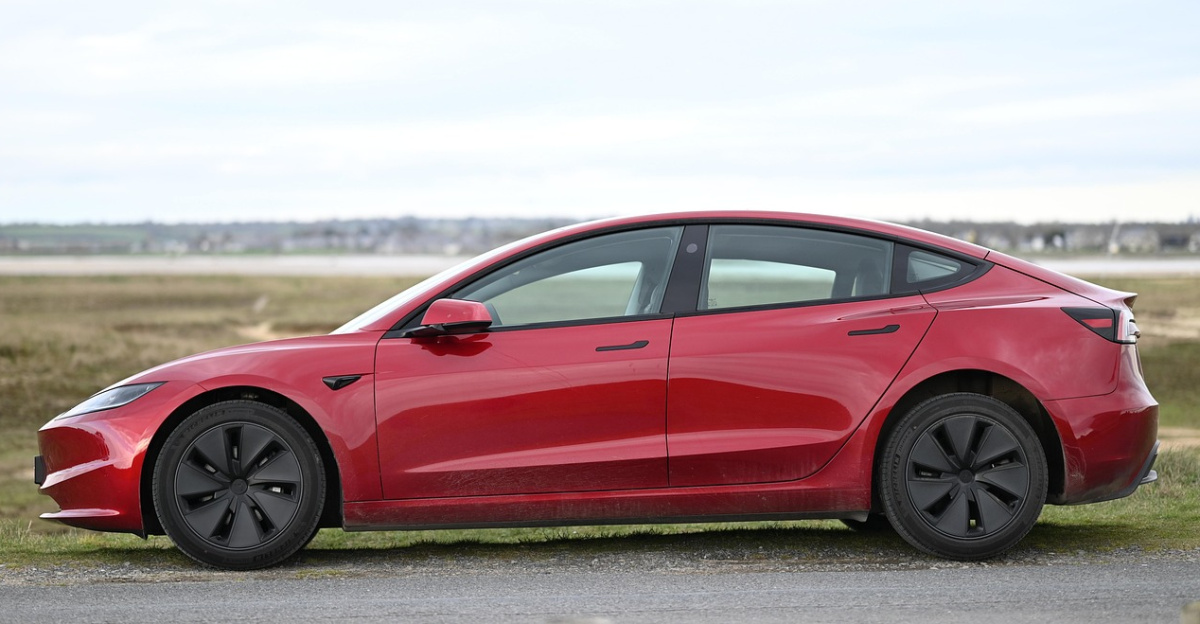
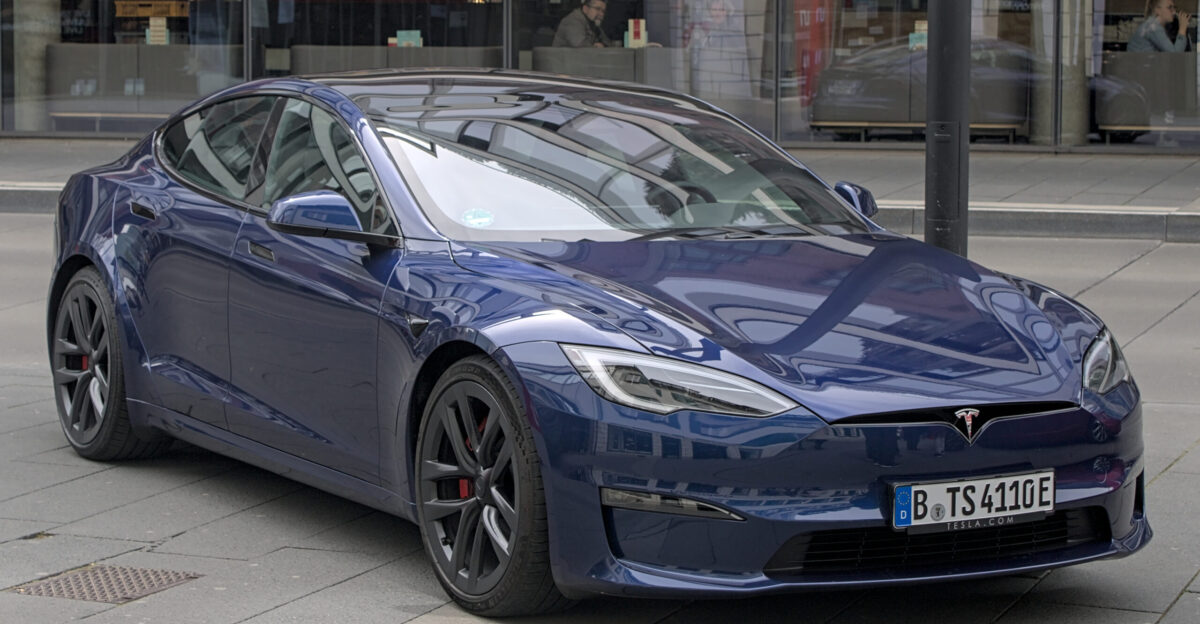
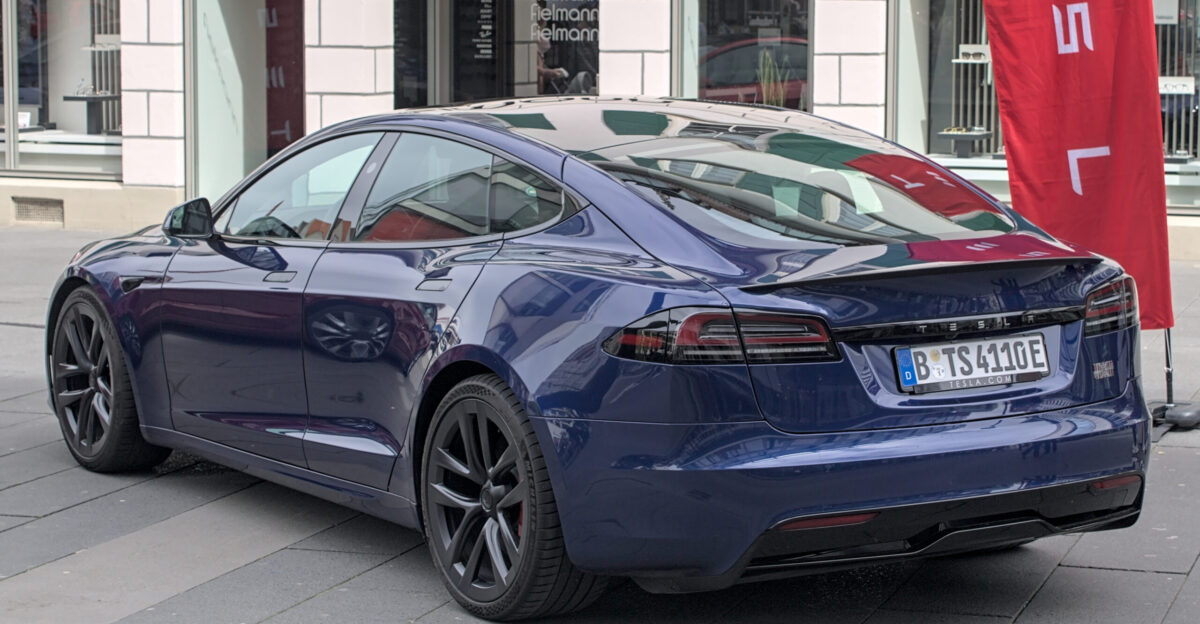
At $36,990, the Model 3 Standard keeps Tesla’s aerodynamic design and signature profile. However, it loses several hallmark features: no Autosteer lane centering, no ambient lighting, eight fewer speakers, no heated rear seats, and reduced battery range.
The sleek looks remain—but under the surface, it’s a leaner experience designed to reach a lower price point.
Model Y’s Missing Glass Roof
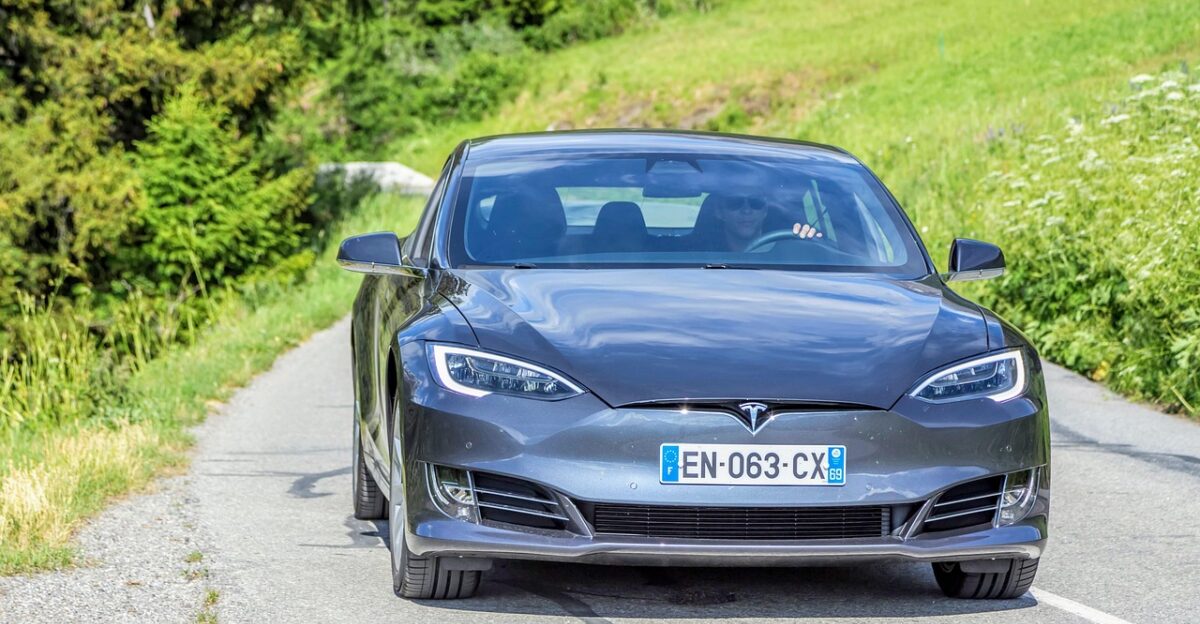
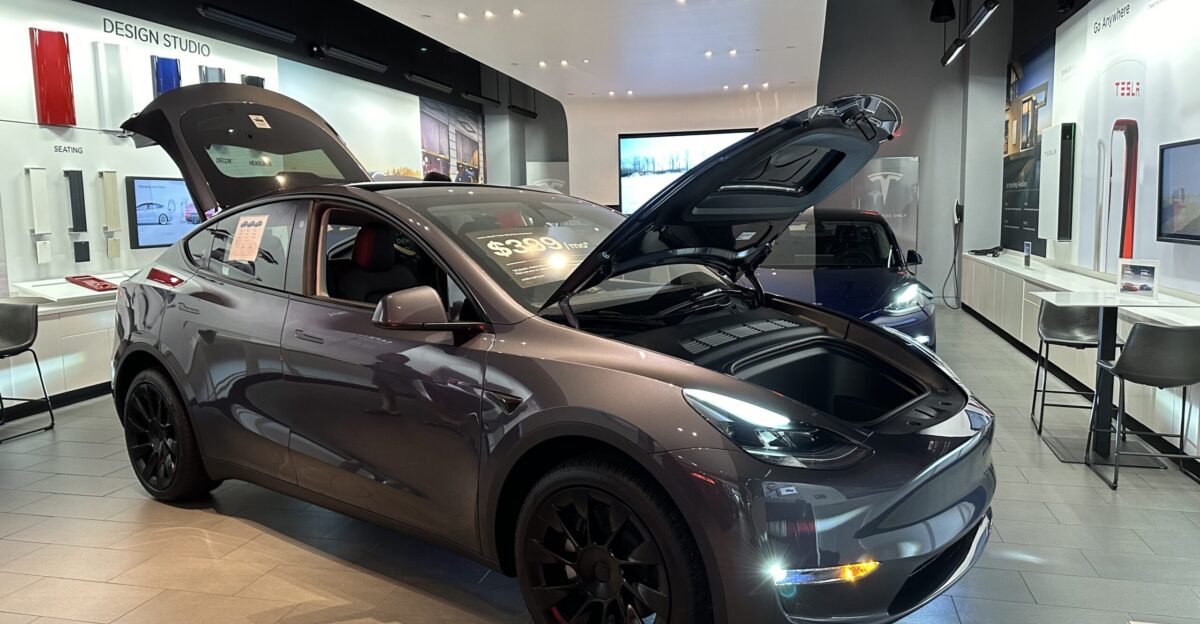
The Model Y Standard, priced at $39,990, brings Tesla ownership to families seeking space and range in a slightly pared-down package. Cargo capacity remains a major selling point—76 cubic feet vs. the Model 3’s 24.
Yet, its solid roof replaces the panoramic glass of pricier trims, signaling Tesla’s new cost-cutting direction while keeping the SUV’s functional appeal intact. The open-air feeling that defined the Model Y experience? Gone.
Aggressively Cut Features
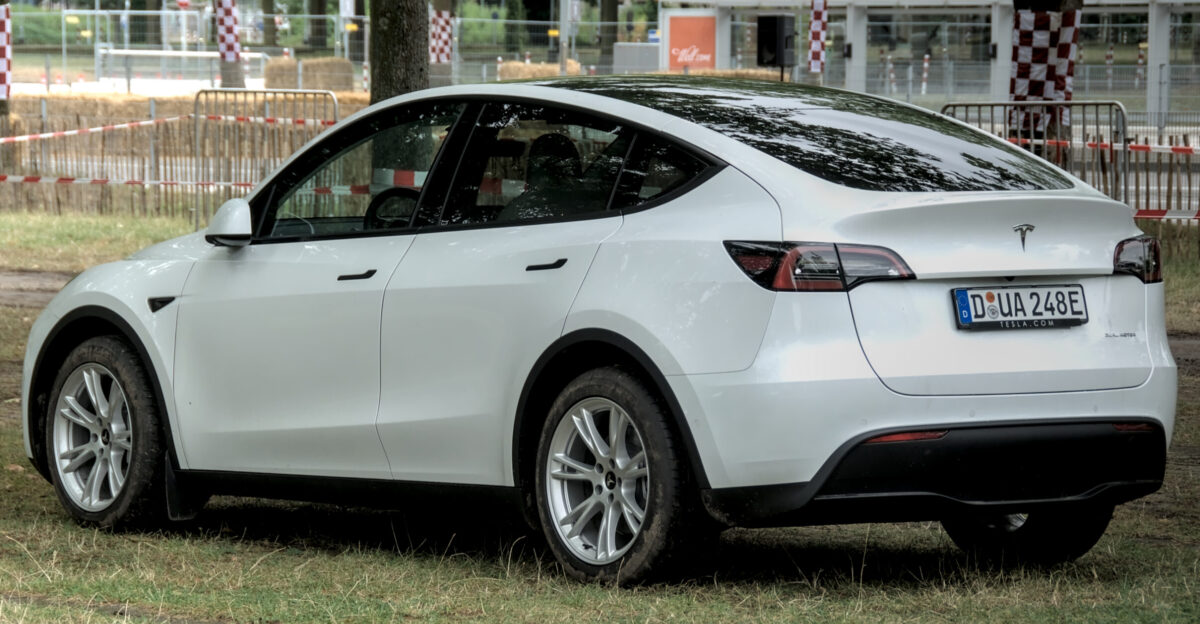
To reach sub-$40k pricing, Tesla trimmed aggressively. Gone are the ambient lighting (except footwells), rear entertainment displays, power-folding mirrors, heated rear seats, eight speakers, and Autosteer.
Even the roof glass and air filters are downgraded. The result is a visibly simpler interior that trades premium comfort for headline affordability.
Severely Compromised Audio
Standard models have only 7-8 speakers versus 14-17 in Premium trims. Missing are the subwoofer, amplifiers, and digital sound processing that create an immersive audio experience.
For music lovers and audiophiles, the flat, tinny sound quality represents a major downgrade—one that can’t be fixed with software updates. Tesla even disabled hardware modifications to unlock hidden speakers, forcing buyers into the stripped-down audio permanently.
Shorter Range, Smaller Battery
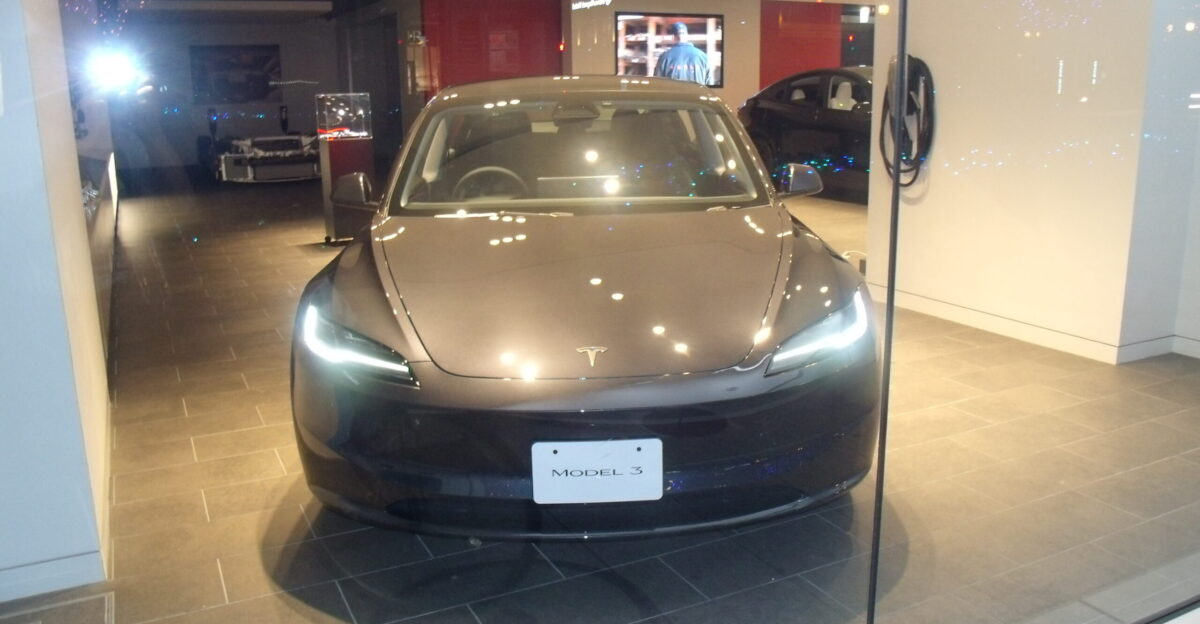
The Standard trims use smaller 69-kWh batteries versus 79-kWh in Long Range variants, trimming cost and weight. That means less range: 321 miles for both Model 3 and Y Standards, down from up to 363 miles in Long Range versions.
For road trippers and those with range anxiety, losing 42 miles of capability means more frequent charging stops and limited flexibility.
No Autosteer Lane Centering
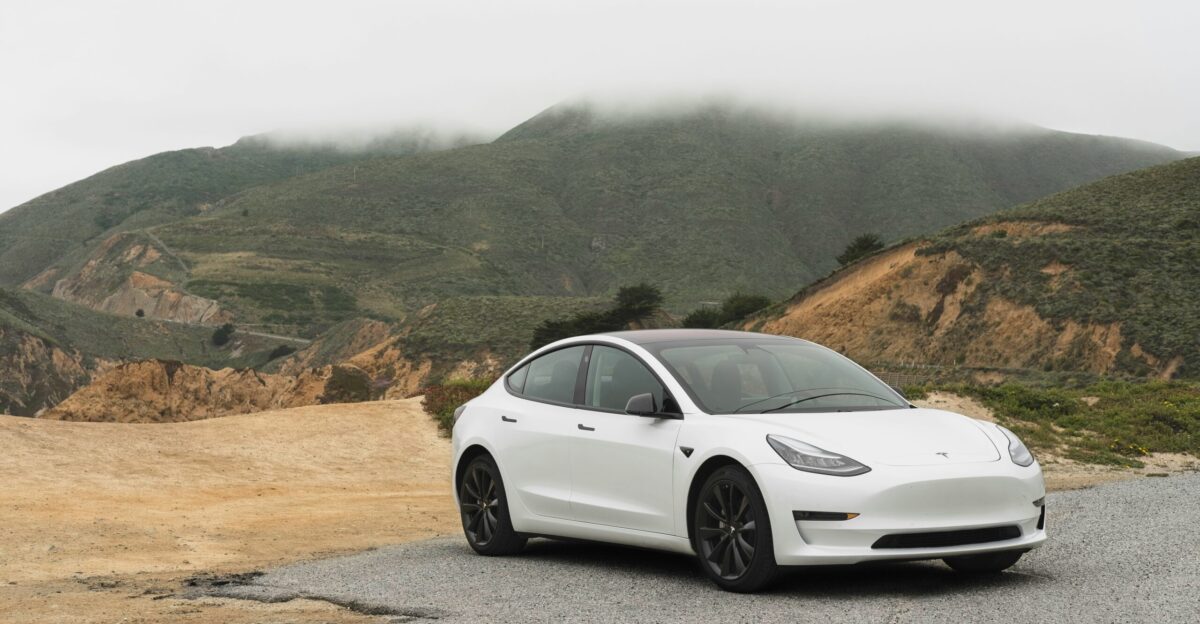
Losing Autosteer isn’t just about convenience—it’s about safety and the core Tesla experience. While basic Autopilot features like adaptive cruise control remain, the lane-centering assist that reduces driver fatigue on long trips is gone.
This was once a standard Tesla feature that defined the brand. Now it’s premium-only, making the Standard trim feel dated compared to competitors offering similar tech at lower prices.
Mission vs. Market Reality
Tesla’s mission has always been to accelerate the world’s transition to sustainable energy. The new Standard trims align with that narrative—expanding access to EVs. Yet, without the now-expired tax credit, affordability takes a hit.
Buyers pay more upfront than they would have weeks earlier, highlighting the tension between Tesla’s environmental goals and the financial realities of mass adoption.
Insurance Costs Skyrocketing
Tesla insurance premiums increased at twice the market rate from 2024 to 2025, with Model Y premiums rising 2.9 times faster than the national average. Average Tesla insurance now costs $4,058 annually—49% higher than gas vehicles at $2,732.
EVs cost 22% more to repair due to specialized parts and labor. Budget-conscious buyers drawn to the lower sticker price face a harsh reality: ongoing ownership costs erase any upfront savings.
Brutal Depreciation Rates
Tesla Model Y loses 60% of its value after five years, retaining just 39.2% resale value—one of the worst depreciation rates in the EV market. Model 3 drops 32% in the first year alone. Used Tesla values tumbled throughout 2025, with resale prices declining 1.8% month-over-month.
First-time EV buyers betting on Tesla’s brand cachet will watch their investment hemorrhage value faster than nearly any comparable vehicle.
Unpredictable Delivery Delays
Model Y delivery estimates extended from 1-3 weeks to 4-6 weeks in August 2025, with some buyers reporting delivery dates disappearing entirely from the app with no explanation. Wait times can stretch 1-6 months depending on configuration.
Tesla’s production volatility means buyers face uncertainty—order today, receive next quarter, maybe. For those needing reliable transportation on a timeline, it’s a frustrating gamble.
European Buyers Face Similar Struggles
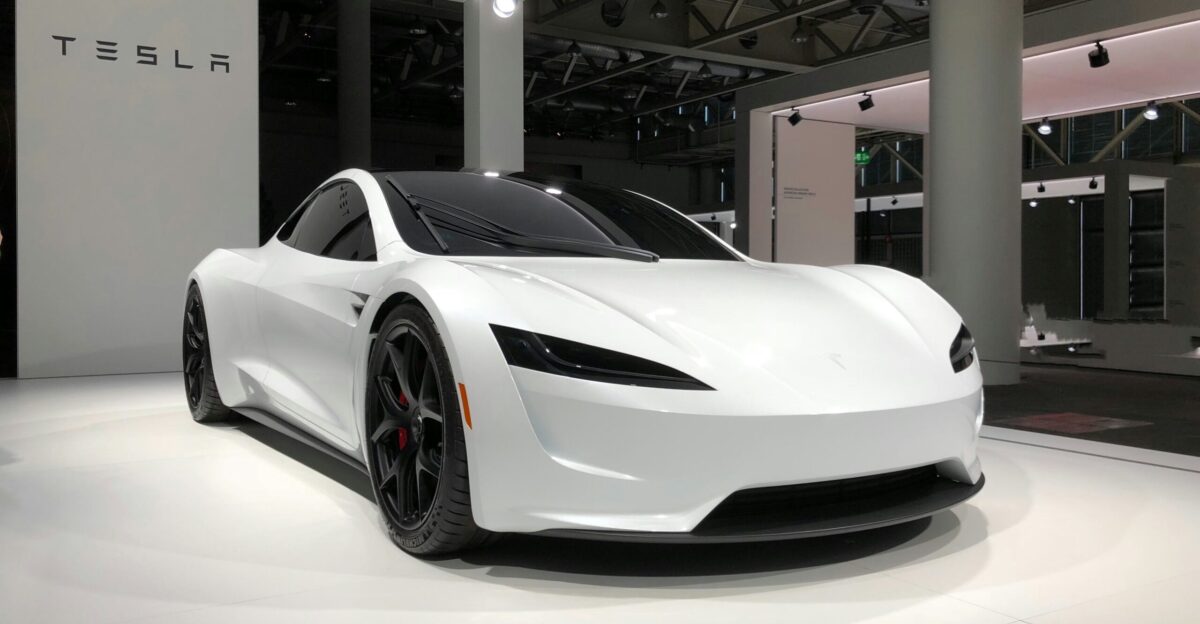
The Model Y Standard officially launched in Europe on October 10, 2025. Incentives vary—Germany still offers EV tax breaks, though direct subsidies ended in 2023. European buyers now face a similar affordability dilemma: appealing Tesla tech, but with fewer luxuries and less financial cushioning from government incentives.
The global rollout reveals these aren’t just American problems—they’re systemic Tesla Standard issues.
Losing Exclusive Supercharger Access
Tesla opened over 17,800 Supercharger stalls—58% of the US network—to non-Tesla EVs. By the end of 2025, nearly all EVs will have access to Tesla Superchargers. What was once a premium Tesla advantage now becomes a shared resource, with longer wait times and increased congestion at popular charging locations.
Standard trim buyers lose both exclusive access and the superior in-car experience while charging.
Safety First, Features Second
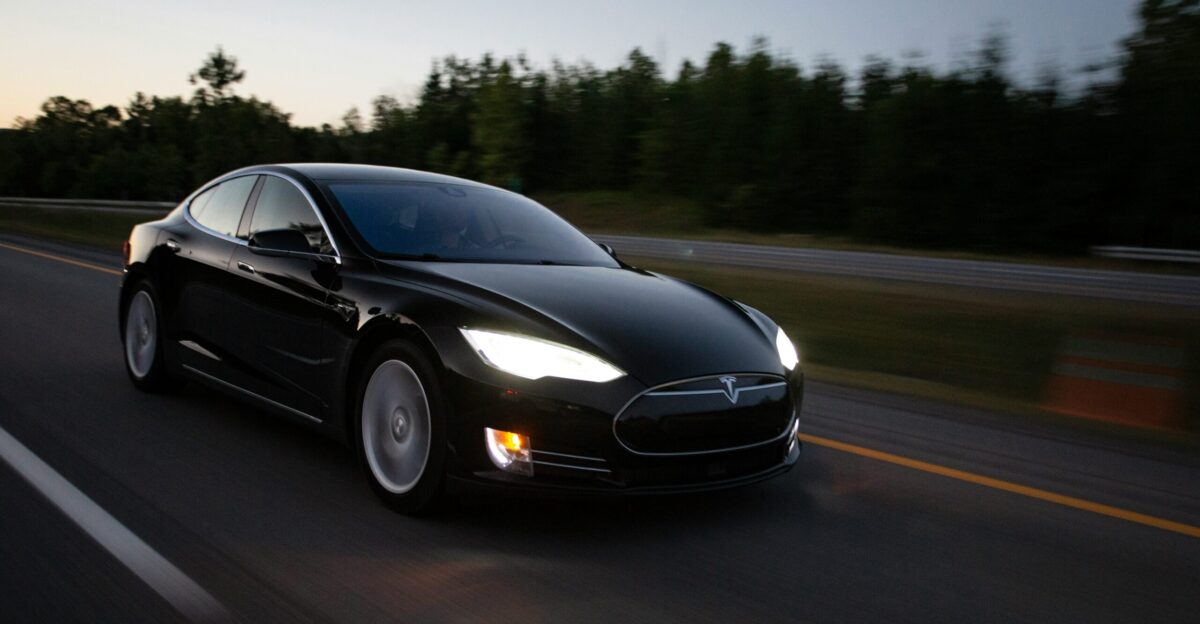
Even with trims trimmed, Tesla keeps its most critical assets—safety and software integrity. Automatic emergency braking, collision avoidance, and camera-based monitoring remain untouched.
Yet, advanced comfort and convenience tech—Autosteer, heated rears, and premium interiors—are gone, signaling a clear prioritization of safety over luxury in the Standard series.
Engineering the Simplified Tesla
These models reflect the work of Tesla’s Palo Alto engineering hub, re-established at the former Hewlett-Packard campus in 2023.
The facility collaborates closely with the Texas headquarters, ensuring the Standard trims retain Tesla’s hallmark performance and innovation—just delivered through a leaner, more cost-optimized lens.
Mixed Reactions: Praise and Pushback
Early reactions have been split. Some praise Tesla for expanding accessibility in a post-credit landscape.
Others see the feature cuts and timing as disappointing—especially when the price gap to Premium trims is narrower than expected. As deliveries ramp up, real-world feedback will reveal whether the Standard models strike the right balance.
Interiors Redefined: Minimalist to the Core
Inside, the new Standards lean hard into Tesla’s minimalist design language. Expect fewer materials, simplified lighting, cloth seats, and a stripped-back cabin that’s functional but stark.
The vibe is clean and modern—but for those accustomed to Tesla’s immersive feel, it might border on austere.
Big Picture: Affordable or Just “Less Expensive”?
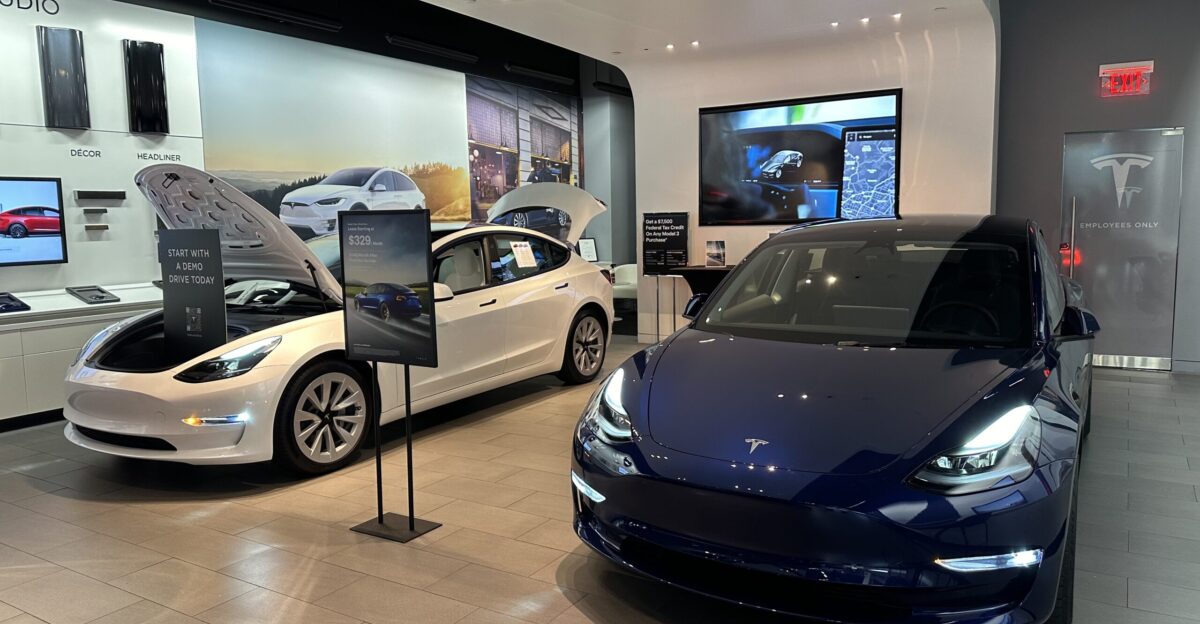
Tesla’s new Standard trims broaden its lineup and lower entry prices—but not enough to fulfill the long-promised $25k dream. With the federal EV credit gone, these models cost buyers more than last month while offering less than before. Factor in soaring insurance costs, steep depreciation, delivery uncertainty, and the loss of exclusive Supercharger access, and the value proposition crumbles.
For shoppers, the key takeaway is clear: evaluate features, timing, total cost of ownership, and long-term value before calling these Teslas “affordable.”