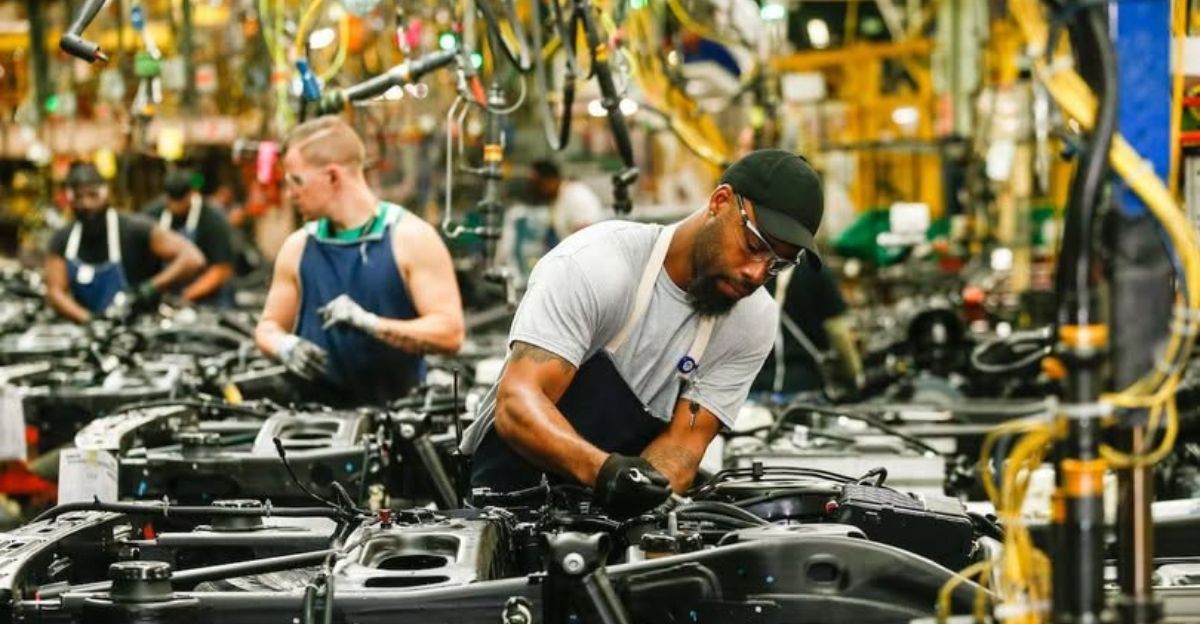
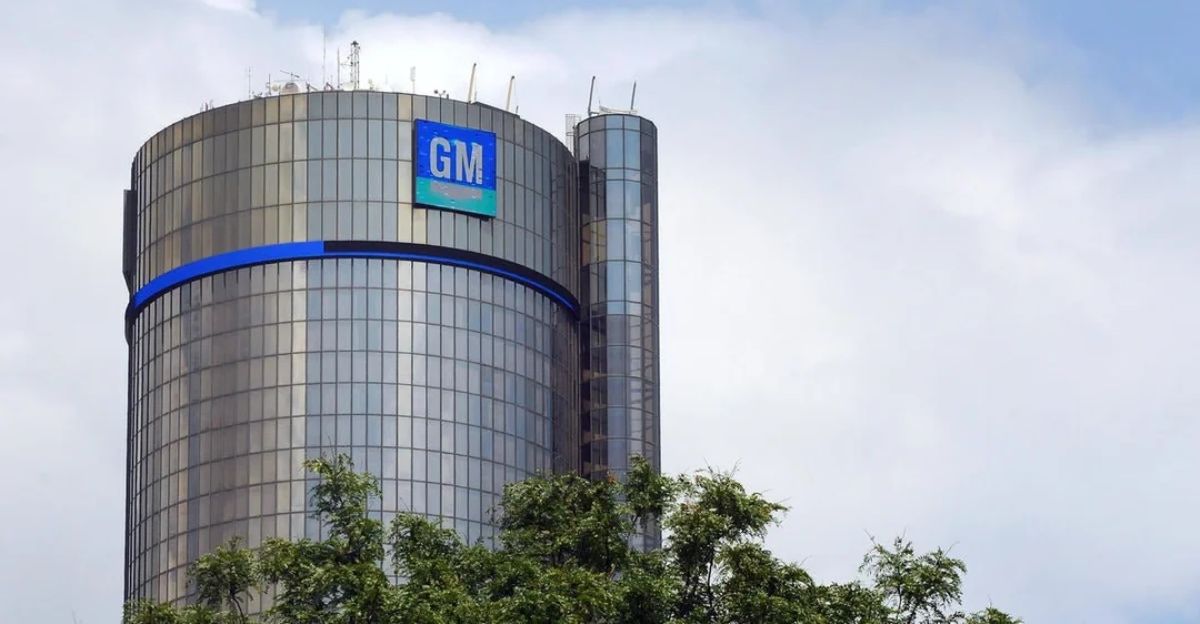
The hum of machinery at GM’s Detroit Factory Zero faded abruptly one afternoon, signaling more than just the end of a shift. Within hours, General Motors announced sweeping layoffs and furloughs across its electric vehicle and battery plants, a direct response to a sudden collapse in demand following the elimination of the federal $7,500 EV tax credit. The move, coming just 29 days after the policy change, has sent shockwaves through the auto industry, leaving workers, investors, and communities grappling with the fallout.
EV Production Stalls as Incentives Disappear
GM executives attributed the drastic cuts to the September 30, 2025, removal of the federal EV tax credit, which had long helped keep electric vehicles within reach for many buyers. Without the incentive, EV prices jumped overnight, and consumer interest waned. “We’re recalibrating production until the market stabilizes,” a GM spokesperson explained, underscoring the fragile nature of EV demand in the absence of government support.
The impact is immediate and far-reaching. Detroit’s Factory Zero, which produces the Hummer EV and Silverado EV, will remain idle until January 2026, returning with only one shift instead of two. Two Ultium battery plants in Ohio and Tennessee are also pausing operations until mid-2026. As a result, fewer electric vehicles will reach dealerships, and prices are expected to rise, narrowing choices for consumers already wary of higher costs.
Layoffs Ripple Through Communities and Supply Chains
The production pause means 1,750 GM workers are being laid off indefinitely, with another 3,400 furloughed across Michigan, Ohio, Tennessee, and smaller sites in Georgia and Warren, Michigan. The company is also taking a $1.6 billion write-down on EV assets and supplier contracts. The effects extend beyond GM: other automakers, including Rivian and Volkswagen, have announced their own cutbacks, signaling a broader industry reckoning.
For local communities, the consequences are deeply personal. In Warren, Ohio, 1,400 Ultium workers are sidelined until at least mid-2026. Small businesses in towns like Detroit and Spring Hill brace for lost sales, while families face uncertain prospects heading into the holidays. The layoffs represent a significant economic blow to regions already hit hard by automation and the shift to electrification.
Shifting Market Dynamics: Gasoline and Hybrids Regain Ground
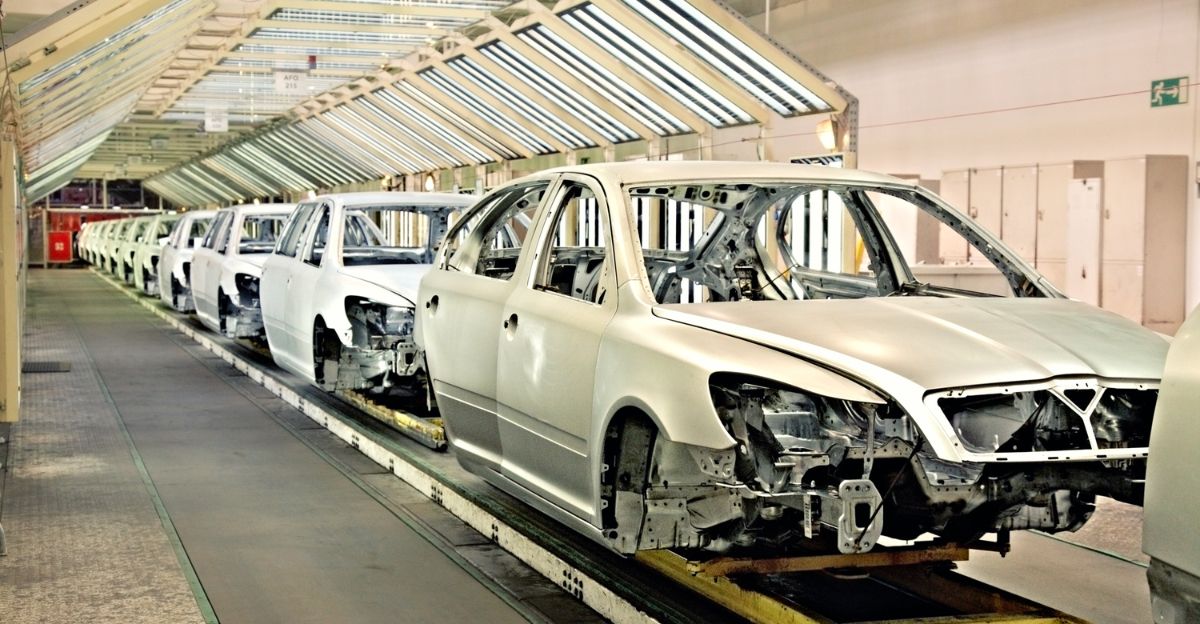
As GM and others scale back EV production, dealerships are reporting renewed interest in gasoline and hybrid vehicles. The loss of federal incentives has made traditional models more attractive to cost-conscious buyers. Suppliers are retooling for hybrid drivetrains, and automakers are reviving plug-in hybrid offerings as a compromise between affordability and environmental goals.
Industry experts note that this shift could extend the lifespan of internal combustion engines in the U.S. “The market is telling us that affordability still matters most,” said automotive industry analysts. “Without incentives, EVs face an uphill battle against established technologies.”
Globally, the U.S. pause stands in stark contrast to trends in Europe and China, where governments continue to support EV adoption and production. Analysts warn that America’s retreat could cede market share to foreign competitors and weaken its position in the global green tech economy.
Policy Debate and Economic Uncertainty
The abrupt end of the tax credit has reignited debate in Washington. Republican lawmakers argue that incentives distorted the market, while Democrats warn that rolling them back undermines climate progress and domestic manufacturing. Labor unions have called the layoffs “preventable collateral damage,” urging Congress to reinstate buyer incentives to protect jobs and sustain the transition to clean energy.
The uncertainty is also rattling investors. With plant closures reducing local spending and straining small manufacturers, many are reassessing their portfolios amid rising inflation and policy instability. Some analysts predict that slower investment could delay innovation and recovery in the EV sector by up to a year.
Looking Ahead: Stakes for America’s Clean Energy Future
The slowdown in EV production threatens to stall progress on air quality and emissions goals, with urban planners warning that delayed electrification could undermine clean transport initiatives. Many consumers, now priced out of EVs, are returning to gasoline models, potentially erasing recent gains in emissions reduction.
Abroad, competitors are watching closely. While Europe and China expand their EV output, the U.S. is seen as pausing for recalibration. Industry observers note that America’s leadership in clean technology faces significant challenges. “If we don’t resolve these policy and market challenges, we could fall behind for years to come.”
For now, GM insists its move is a pause, not a retreat, with plans to resume production in 2026. But for workers, communities, and the broader industry, the path forward remains uncertain—shaped by the delicate balance between sustainability, affordability, and the unpredictable tides of policy.