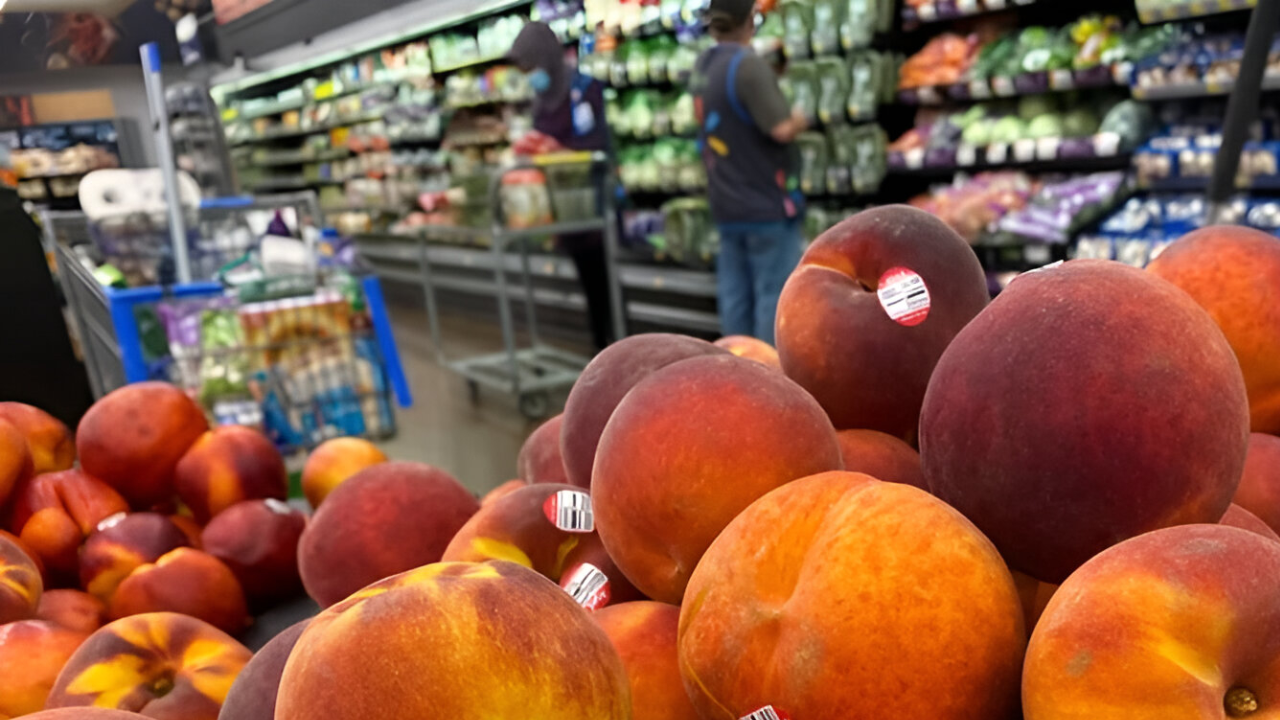
On October 29, 2025, a nationwide recall of California-grown peaches was announced by Moonlight Companies in coordination with the FDA, sending shockwaves through the food industry. Over 1,000 stores are urgently removing these products from their shelves amid significant health concerns tied to potential Listeria contamination.
The recall highlights the critical need for food safety protocols, especially affecting grocery chains that are now facing immense pressure to protect their clientele. The FDA’s announcement has prompted immediate responses at the retail level, as stores scramble to manage public health risks and their reputations with consumers.
The Urgency of Health Risks
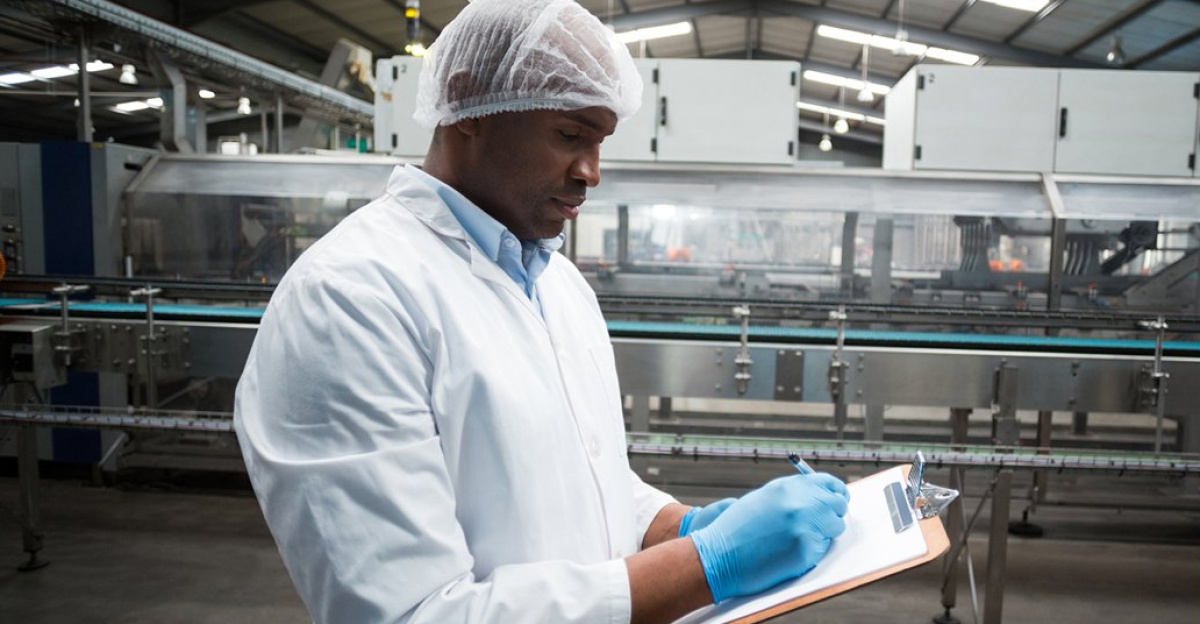
The ongoing recall presents stark implications for public health, impacting grocery chains across several states. Millions of consumers may have been exposed, sparking anxiety as families check their recent peach purchases.
The FDA has stressed the potential seriousness of Listeria exposure, highlighting the risk for vulnerable populations, including pregnant women, the elderly, and those with compromised immune systems. Retailers are now faced with the daunting task of rapidly addressing the situation while maintaining consumer trust. The impact of this recall creates an urgent and pressing scenario where timely action is necessary to mitigate health risks.
Industry Context and Challenges
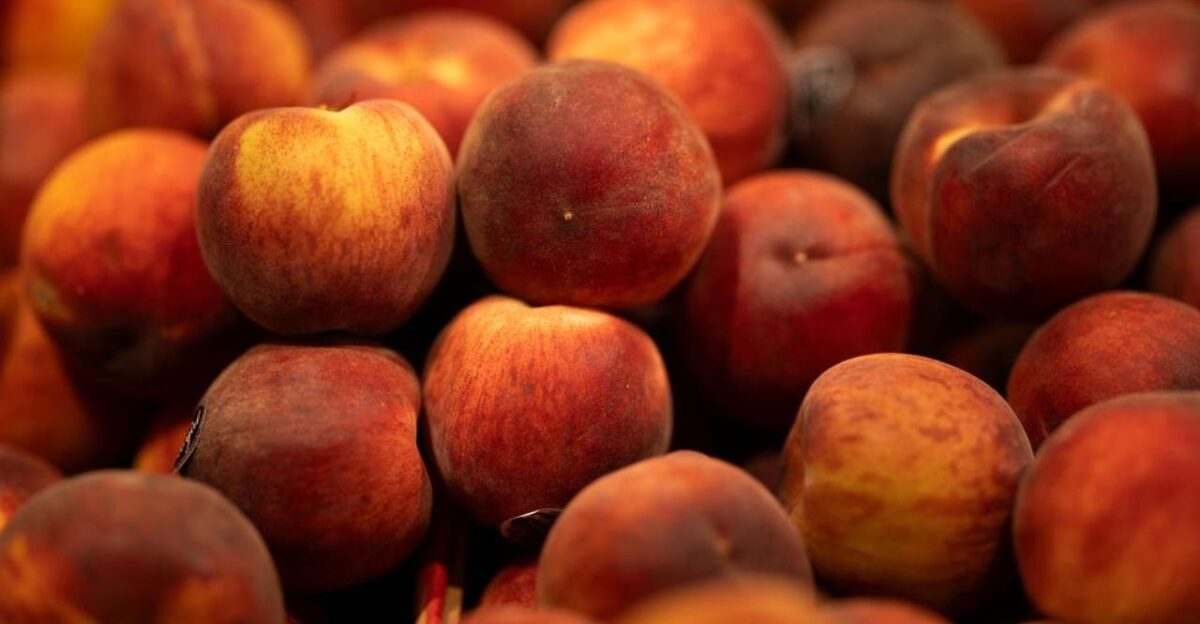
While peach recalls are infrequent, the current situation isn’t entirely without precedent. The food industry has been under intense scrutiny as contamination incidents have become more common in recent years. This particular recall serves as a grim reminder of the industry’s challenges regarding food safety and thorough inspections.
With rising consumer awareness and demand for transparency in the supply chain, food producers are now compelled to enforce stricter quality measures. The heightened scrutiny is reshaping how growers and retailers protect their products from potential hazards in an increasingly health-conscious marketplace.
Regulatory Pressures Intensify

Following several high-profile outbreaks of foodborne illnesses, the FDA has intensified its regulatory oversight, significantly impacting growers and retailers alike. The detection of Listeria monocytogenes in a packing facility associated with Moonlight Companies has raised immediate alarms.
With increased inspections and tighter compliance regulations, the pressure on industry players to ensure product safety has never been higher. Analysts indicate this scrutiny may further amplify as consumer concerns mount, obligating companies to deliver not just quality products but transparency in their safety practices as well.
The Nugget: Recall Unveiled

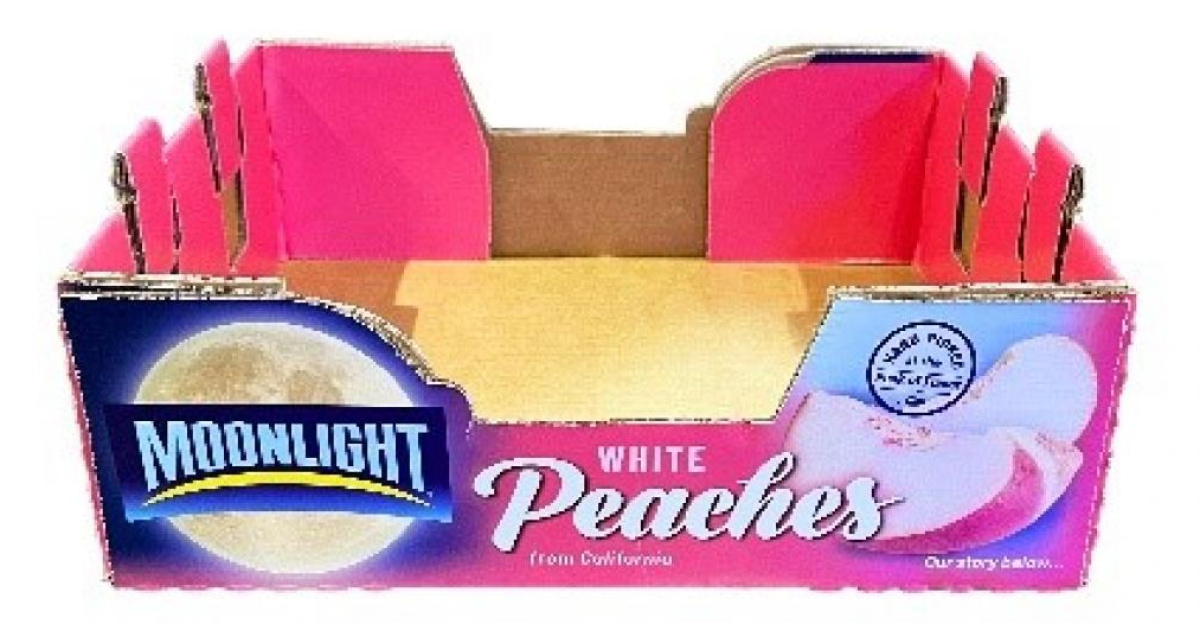
On October 29, 2025, a voluntary recall was initiated by Moonlight Companies, focusing on California-grown yellow and white peaches due to identified risks of Listeria contamination. The coordinated effort with the FDA covers all peaches sold between September 16 and October 29, revealing the urgency with which both agencies are addressing the situation.
As retailers begin to pull the affected peaches from their shelves, consumers are left to wonder about the safety of their recent purchases. This incident illustrates the fragile balance between agriculture and public health that society must navigate.
Wide-Scale Regional Impact

The repercussions of this recall span several states, affecting both bustling urban centers and rural communities alike. Major grocery chains, especially those operating in the Midwest and East Coast, are grappling with the consequences as they remove the peaches from their inventory.
This disruption not only diversifies supply chains but alters the shopping habits of consumers who now search for alternatives. Reports suggest some stores struggle with potential peach shortages while facing onslaughts of consumer inquiries regarding food safety practices and recalls, increasing the urgency for proactive communication.
Consumer Reaction and Awareness
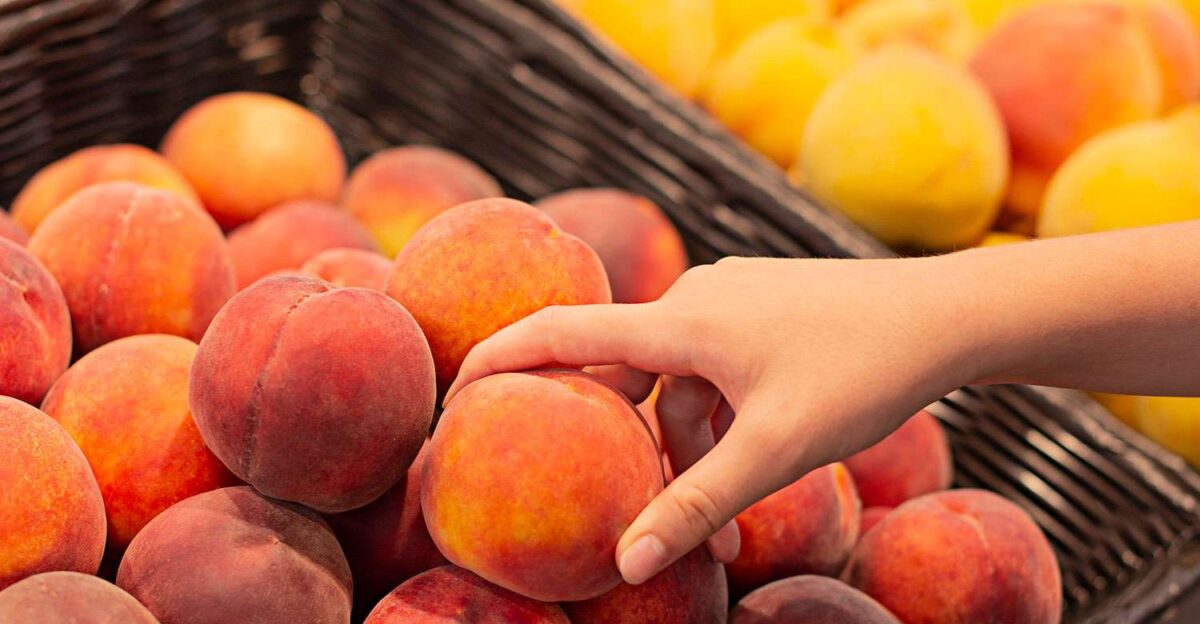
Millions of Americans are now urged to check their recent purchases of peaches, as concerns over Listeria pose potential health risks. Consumers have expressed anxiety over the possibility of contamination, with stories emerging from families who frequently consume peaches.
“I never thought I’d have to worry about what was in my fruit,” shared a concerned mother from Ohio. While there have yet to be reported illnesses, the FDA’s advisory serves as a crucial reminder for consumers. The heightened awareness resulting from this recall is likely to influence future purchasing decisions and vigilance.
Competitors’ Safety Protocols Under Review
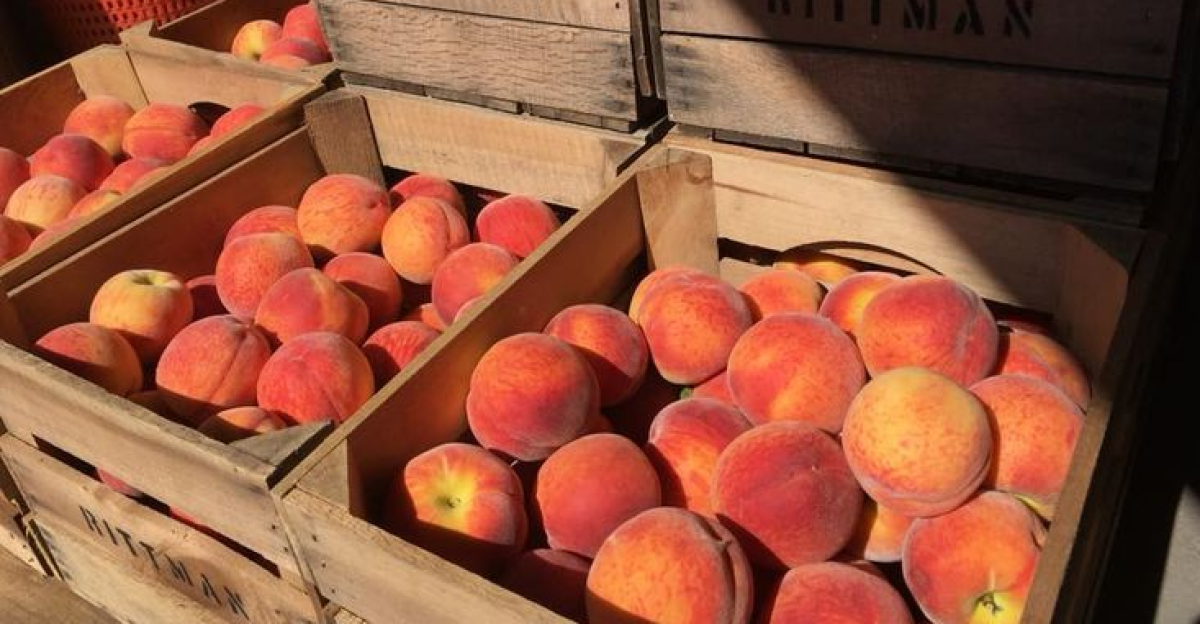
In the wake of this recall, other produce suppliers and retailers are stepping up their internal safety protocols. With regulatory agencies ramping up inspections, many grocery competitors are now proactively auditing their fruit suppliers.
Industry analysts highlight how the recall has quickly become a wake-up call, prompting many in the sector to evaluate their food safety measures. A spokesperson from a competing produce company stated, “We’re reviewing everything to ensure we’re not at risk. The last thing we want is to erode consumer trust.” This incident may rewrite safety standards across the industry.
Macro Trends in Food Safety
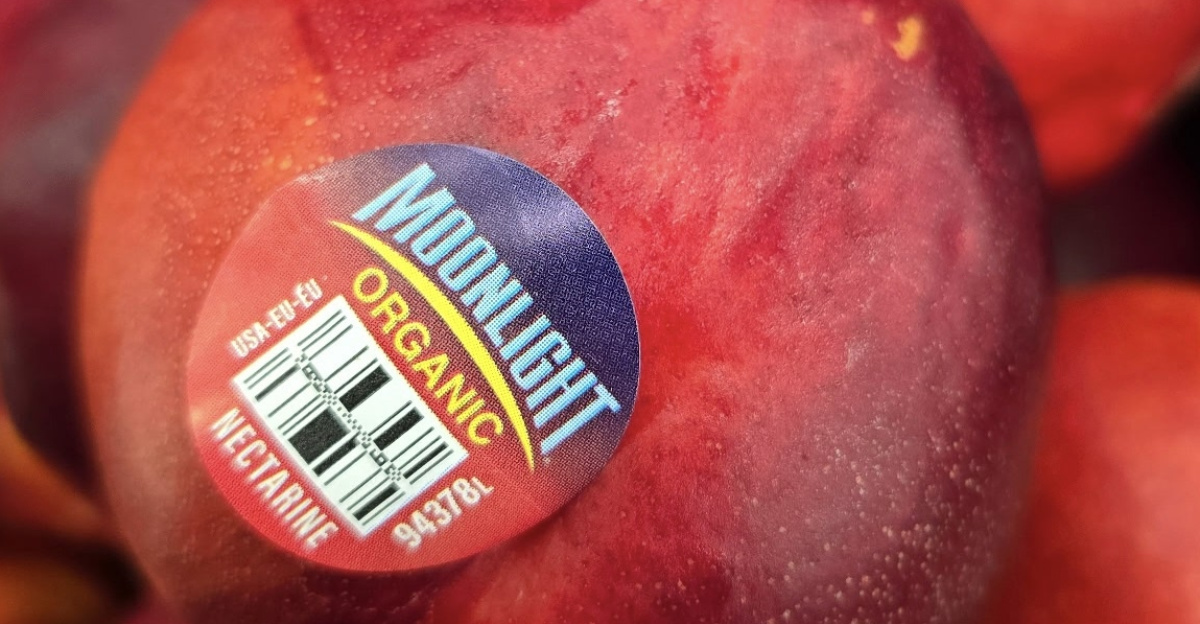
The Moonlight peach recall is representative of a broader trend within the food industry, signaling an uptick in safety recalls tied to improved detection technologies. As consumers become more conscious of food safety, the industry is feeling the pressure to balance speed in distribution with rigorous safety checks, especially in perishables.
Innovative technology is facilitating quicker identification of contaminants, but it also amplifies the necessity for transparent reporting and swift action. This delicate equilibrium is critical as companies strive to meet consumer demands while upholding safety standards.
Supply Chain Challenges
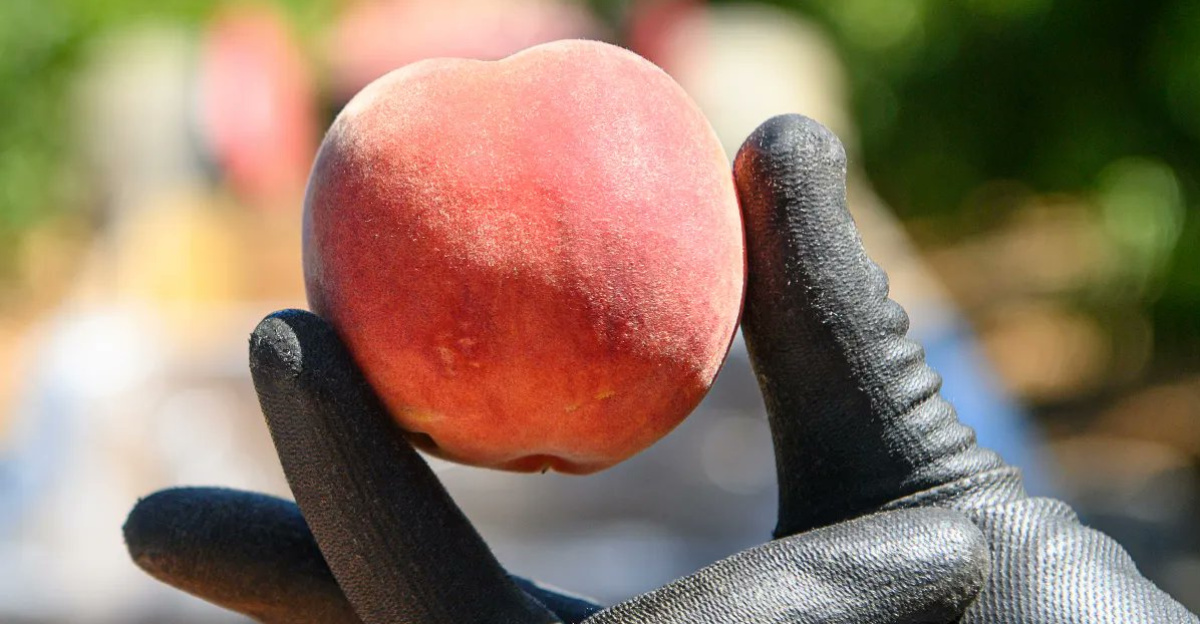
One collateral consequence of this recall is the disruption to the peach supply chain nationwide. Many stores are experiencing temporary shortages, while others contend with customer complaints regarding food safety. Retailers are now tasked with quickly managing inventory and communicating with consumers about the recall.
The ripple effects on shopping habits and supply dynamics may last beyond the recall, as consumers reassess their choices. This incident underscores the fragility of food supply systems, revealing how quickly public perception can shift in response to safety issues.
Retailer Frustration and Response
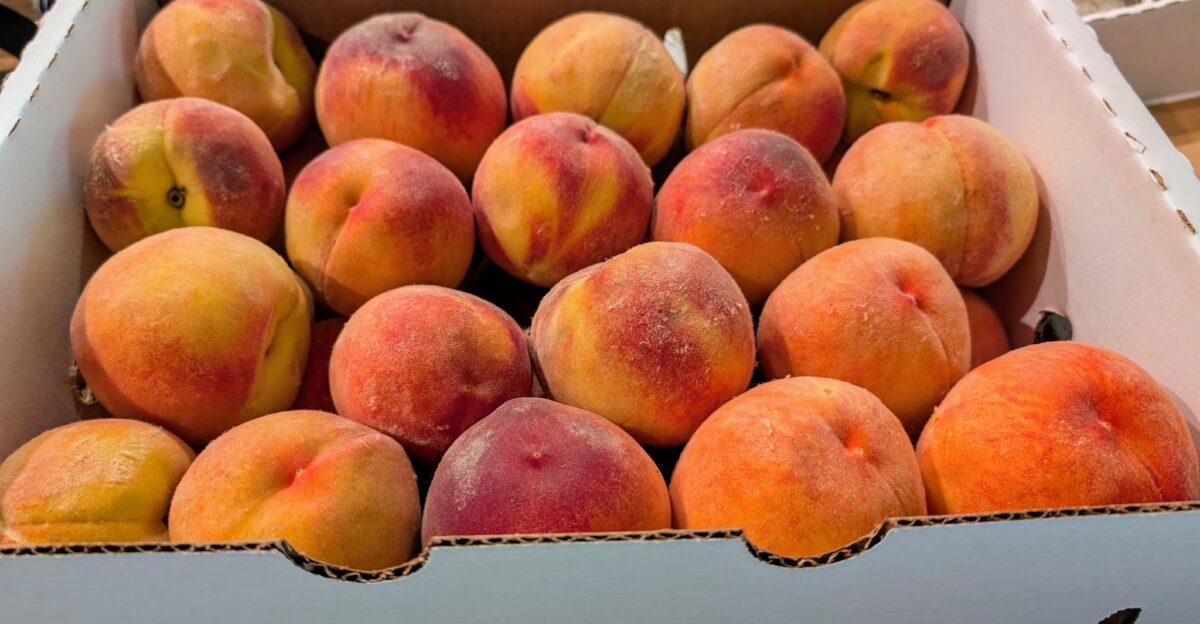
Retailers are expressing considerable frustration over the sudden turn of events. Many have been forced to navigate the complex process of removing products quickly, notifying customers, and anticipating potential financial losses. “It’s overwhelming,” said a regional grocery manager.
“We have to ensure customer safety, but the logistics are challenging.” The urgency and scale of the recall highlight the multifaceted challenges that companies face during large-scale food safety crises, emphasizing the need for effective crisis management protocols and consumer communication strategies.
Leadership Under Scrutiny
Moonlight Companies’ management team finds itself under the microscope as they coordinate closely with the FDA and retailers. This swift action by the company is not only a test of their crisis management capabilities but also a representation of corporate responsibility in times of emergency.
A company representative stated, “We recognize the gravity of this recall and are fully committed to ensuring customer safety.” The effectiveness of their response will be crucial in shaping public perception, trust, and future business operations as they navigate the fallout from this alarming incident.
Restoring Trust
In an effort to restore consumer confidence, Moonlight Companies has initiated several proactive measures, including establishing a dedicated recall hotline for customer inquiries. The company has emphasized its commitment to cooperating with regulatory bodies in order to ensure that safety is prioritized.
“Safety is our top concern,” the company emphasized in a statement. As they work diligently to remove affected products and reassure clients, Moonlight Companies is setting a precedent for accountability and customer engagement in the face of challenges.
Insights from Food Safety Experts

Food safety experts are advising consumers to remain vigilant until all potentially contaminated products have been removed from store shelves. “While no illnesses have been reported, the risk remains until everything is rectified,” cautioned Dr. Martin Keller, a prominent food safety analyst.
Their insights emphasize the importance of both consumer diligence and transparent communication from companies regarding food recalls. As awareness of these risks increases, experts encourage consumers to stay informed and proactive about their food choices.
Future Safeguards and Innovations

As this recall unfolds, questions arise about the future of food safety safeguards. Will advancements in detection technology, along with stricter regulations, prevent similar incidents? Experts believe that we may observe a tightening of compliance measures and transparency requirements from producers and retailers alike.
The pressure to assure consumer safety in the face of evolving challenges may lead to innovative solutions, highlighting the ongoing need for the food industry to adapt continuously. The industry must strive to never compromise on health standards.
Implications for Policy

The implications of the Moonlight Companies peach recall may spur policymakers to reevaluate existing food safety laws. Increased scrutiny may result in proposed legislation for more frequent inspections or stricter reporting mandates for suppliers and retailers.
Advocates for health and safety applaud the potential shift as it underscores the necessity of prioritizing consumer interests. Observing this incident may lead to meaningful change in how food safety regulations are implemented, fostering a safer food environment moving forward.
Global Impact on Trade
While the recall predominantly affects the U.S. market, international buyers are watching very closely. Export partners might require additional assurances or certifications before purchasing American-grown produce in the future.
This could reshape global trade relationships, emphasizing the need for U.S. producers to maintain rigorous safety standards in order to sustain international market access. As countries heighten scrutiny on imported goods, the ripple effect of this recall could significantly influence future export agreements and trade dynamics.
Legal Perspectives on the Crisis

Legal experts express concern that this unprecedented recall will lead to scrutiny of liability and consumer rights. Potential litigation may emerge from consumers seeking reparations in the event of health issues linked to the recalled peaches.
“This situation could serve as a turning point,” noted attorney Sarah Lindner. As the case unfolds, it will be crucial for injured parties to navigate the legal landscape while companies grapple with the repercussions of heightened liability in the consumer food sector.
Community Reactions

The community response to this recall has been mixed, with many residents expressing alarm over the health implications. Farmers who supply peaches have voiced concerns about their crops and livelihoods amidst the fallout.
“It feels like we’re all being unfairly punished for something beyond our control,” lamented a local farmer. This incident affects not just retailers and consumers but also the farmers who play a vital role in food production, highlighting the interconnectedness of the agricultural supply chain and retail markets.
Moving Forward
As the industry grapples with the repercussions of the peach recall, a focus on enhancing food safety practices will undoubtedly take center stage. Stakeholders are urged to invest in rigorous safety protocols and consumer education to mitigate risks moving forward.
The lessons learned from this incident will serve as critical touchpoints for both the food industry and consumers, guiding future practices in food safety. Maintaining vigilance and adapting to new challenges will shape the industry’s commitment to protecting public health in a dynamic environment.