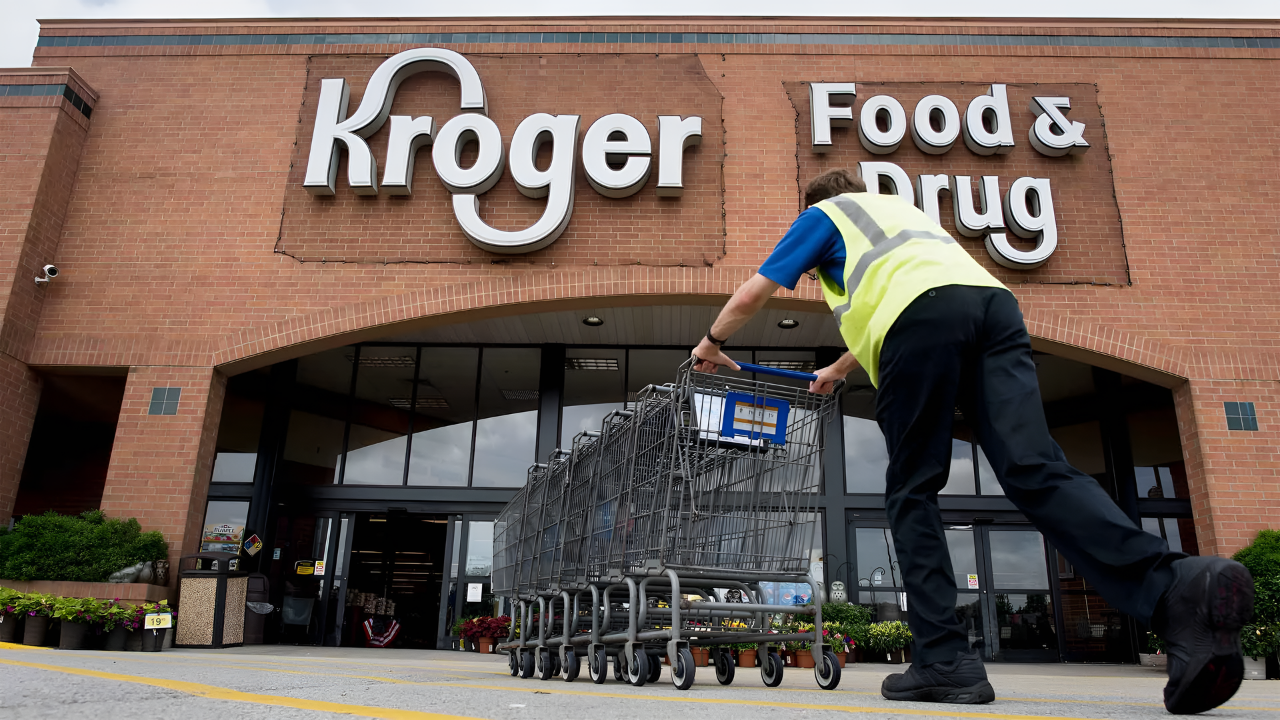
Kroger, the largest supermarket chain in the United States, is planning to close about 60 stores over the next year and a half. These locations, which represent around 2% of the company’s total stores, are mostly ones that have been performing poorly. The decision highlights how the grocery business is changing as people shop differently, costs rise, and competition grows tougher.
For many neighborhoods, losing their local Kroger means more than just having to drive farther for groceries. It can also affect the sense of community that formed around the store. With these closures, thousands of people will have to adjust where they buy food, marking a major shift in how Americans get their groceries today.
Jobs and Communities on the Line
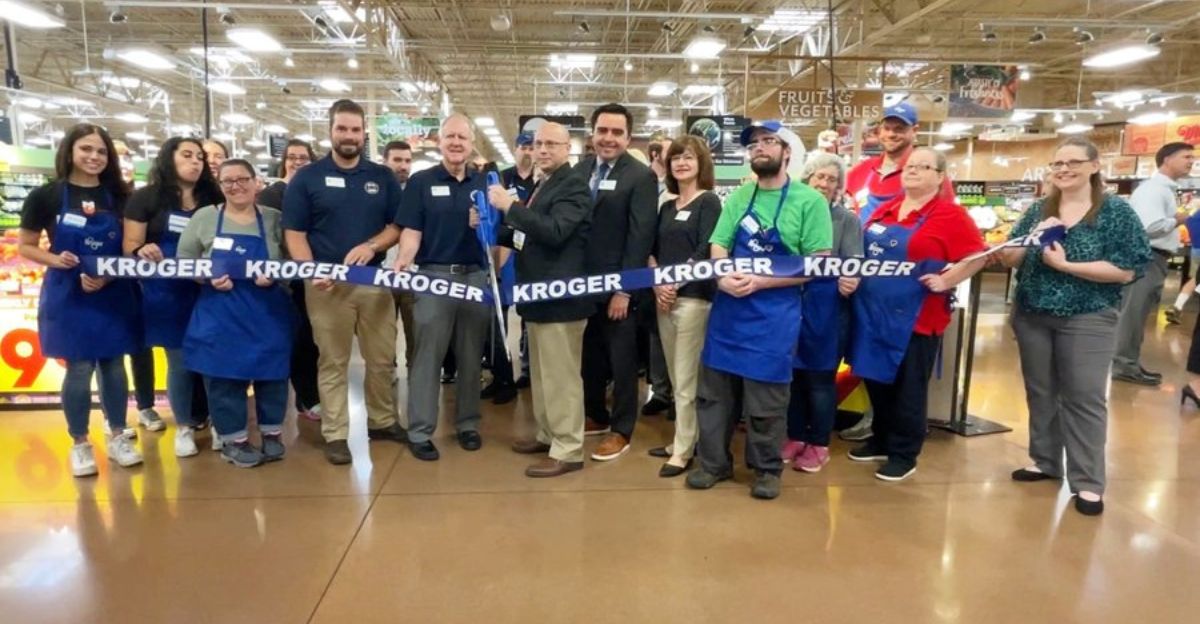
Each Kroger store usually employs 100 to 150 workers, which means up to 9,000 employees could lose their jobs once all closures are done. On top of that, around 1,000 positions in Kroger’s regional and corporate offices are being cut as the company tries to make its operations more efficient.
For workers, the news has been tough to hear. Some say their stores have been part of their lives for decades, and their closure feels deeply personal. While Kroger says it will try to place affected employees in other stores, that’s not always an easy choice. Moving to a new location often means longer commutes, inconsistent schedules, and the loss of long-term benefits. Some employees are choosing severance pay instead, especially as living and transportation costs continue to climb.
Experts say Kroger’s decision follows a larger pattern in the grocery world. Many grocery chains are closing stores as they deal with inflation, rising wages, and the growth of online grocery shopping. According to retail researchers, this shows how quickly the industry is changing and how traditional stores are struggling to adapt.
What’s Driving the Closures
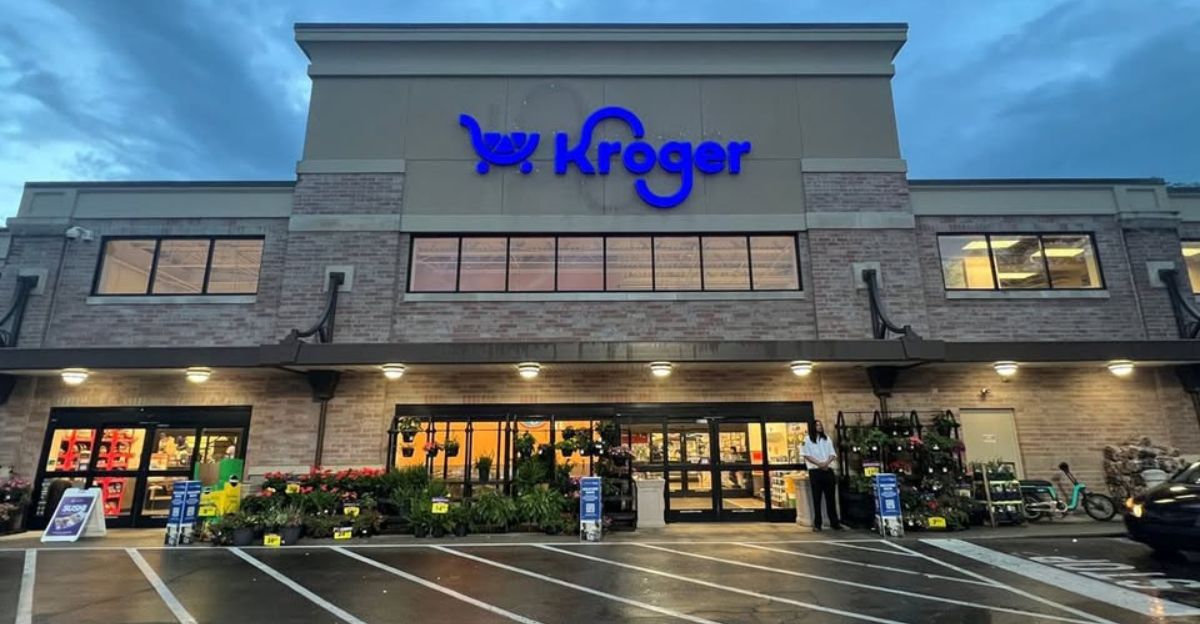
Kroger’s leaders say they are closing stores to focus on areas where the company is stronger. But the decision also reflects bigger financial problems. Retail theft has risen sharply across the U.S., and the National Retail Federation estimates that store theft cost companies over $112 billion in 2022. Many of the Kroger stores that are shutting down are in places where theft has become common, making it hard for them to stay profitable.
At the same time, Kroger faces higher prices on nearly every front. Fuel, shipping, and supplier costs are all up, and workers’ wages have increased. Grocery prices overall have risen about 25% since 2020, pushing many customers to buy cheaper brands or shop at discount stores instead. Competitors like Walmart, Aldi, and Amazon’s grocery services are attracting more price-conscious shoppers. For Kroger and other traditional supermarkets, keeping customers while maintaining profit margins has become a serious challenge.
Kroger also suffered a major setback when a federal judge blocked its $25 billion merger with Albertsons earlier this year. The U.S. government said the merger would have reduced competition and led to higher prices for shoppers. Without the deal, Kroger lost the chance to combine resources and compete more directly with retail giants like Walmart and Amazon. The failed merger has also led to lawsuits and tension between Kroger and Albertsons, adding to the company’s challenges.
Leadership Changes and Next Steps
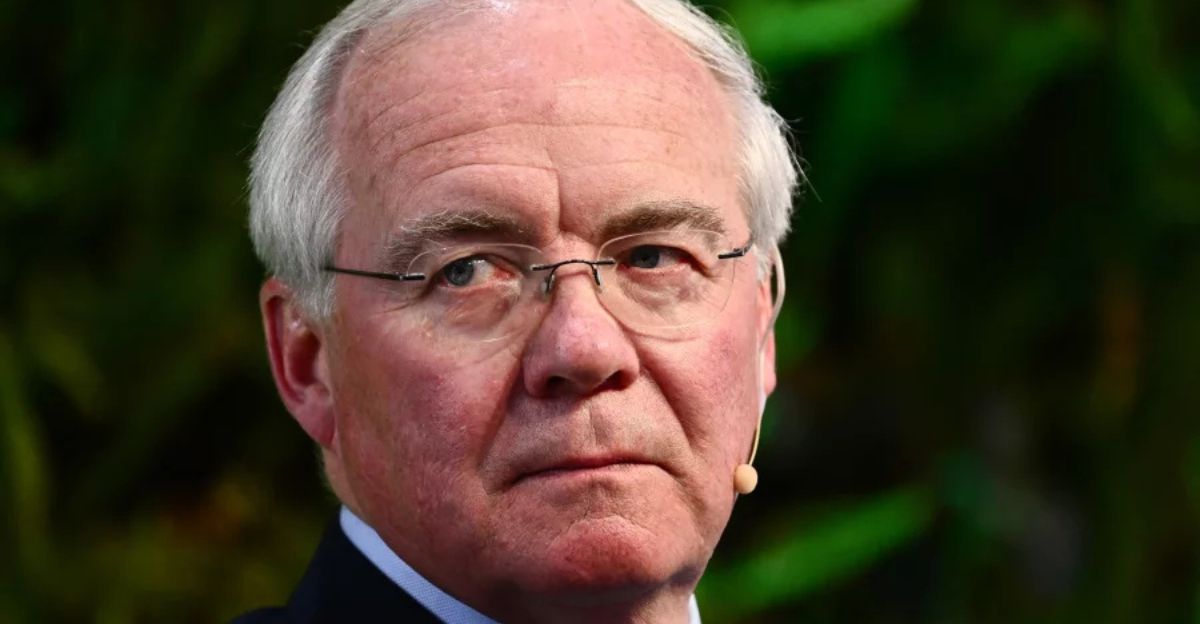
Kroger is also going through big changes in leadership. Former Staples CEO Ron Sargent has taken over as interim CEO after Rodney McMullen stepped down following an internal investigation. Sargent’s job now is to stabilize Kroger and rebuild trust with employees and customers while keeping the business profitable.
The company says that money saved from store closures and layoffs will be reinvested into lowering prices, improving pickup and delivery options, and upgrading its most successful locations. Kroger also plans to expand worker training to make stores more efficient and improve customer service. Still, critics say these promises may be hard to keep if financial pressures continue.
The closures will mainly affect states like Texas, Georgia, Illinois, Virginia, and Washington, places where Kroger faces tough competition from both national and international grocery chains. Real estate experts think new discount or independent grocery stores may move into some of these locations.
Local officials are worried about losing tax revenue from the shuttered stores, which help pay for schools and public services. Community groups are calling on Kroger to work with nonprofits and local governments to make sure residents can still get the groceries they need.
Kroger’s future now depends on how it handles this transition. If it can use technology, partnerships, and smarter strategies to adjust, it could become a model for how large grocery chains survive in a new era. But if not, the closures might stand as a warning about how tough the American supermarket industry has become.