Once giant retail chains have been victims of a rapidly changing landscape, many are trying desperately to evolve their brand image or identity, only to fail disastrously.
These retailers misread the market, alienated loyal customers, or simply couldn’t execute their grand visions.
JCPenney
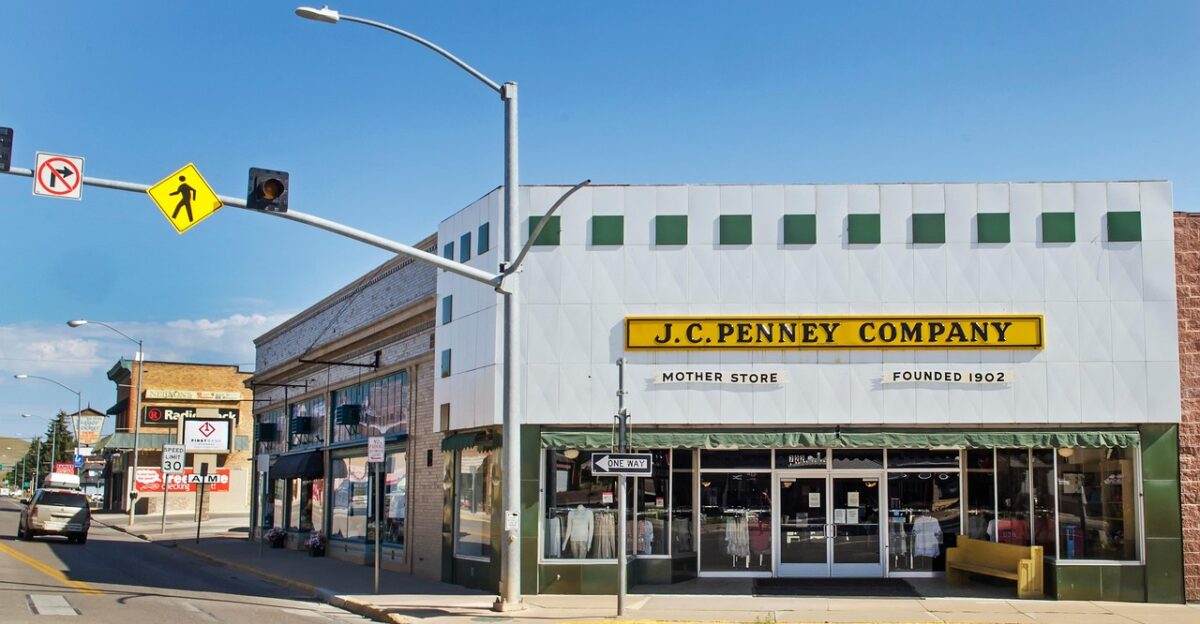
In 2011, JCPenney underwent a drastic change, revamping consumer favorite coupons and sale systems into “everyday low pricing.” This strategy didn’t work out well, as consumers felt alienated without the familiarity of the system they had grown accustomed to.
Sales plummeted 32% in one year, forcing the company to fire its new CEO after just 17 months.
Gap
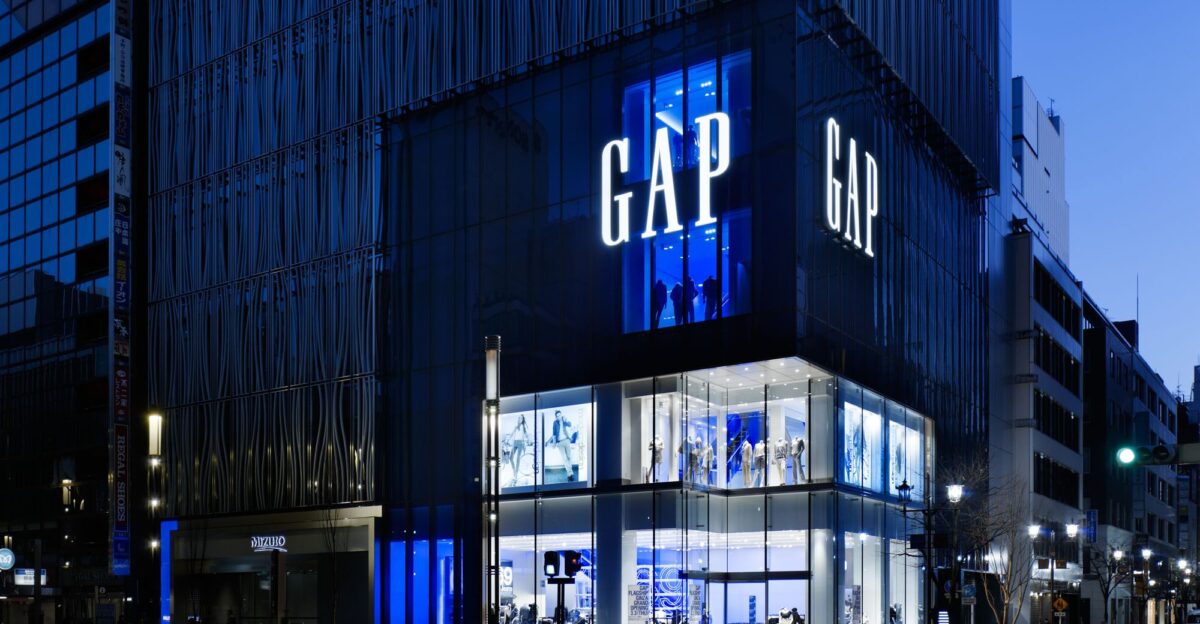
Gap’s change showcases how even a small change can upset consumers. The company changed its logo in 2010 and abandoned the iconic white-on-blue design for a bland modern typeface.
In under a week, Gap retreated and restored its original logo, making it one of the fastest corporate reversals in branding history. The costly lesson highlighted how brand familiarity trumps modernization attempts.
Tropicana

Another brand that changed its logo and had disastrous effects was PepsiCo’s Tropicana, jumping on the wagon for a minimalist design in 2009. Loyal customers couldn’t identify their favorite juice on store shelves, treating it like an unknown generic brand.
Sales crashed 20% overnight, costing the company $30 million in lost revenue. Within two months, Tropicana reverted to its classic packaging, proving that consumer recognition is worth more than design awards.
Toys “R” Us
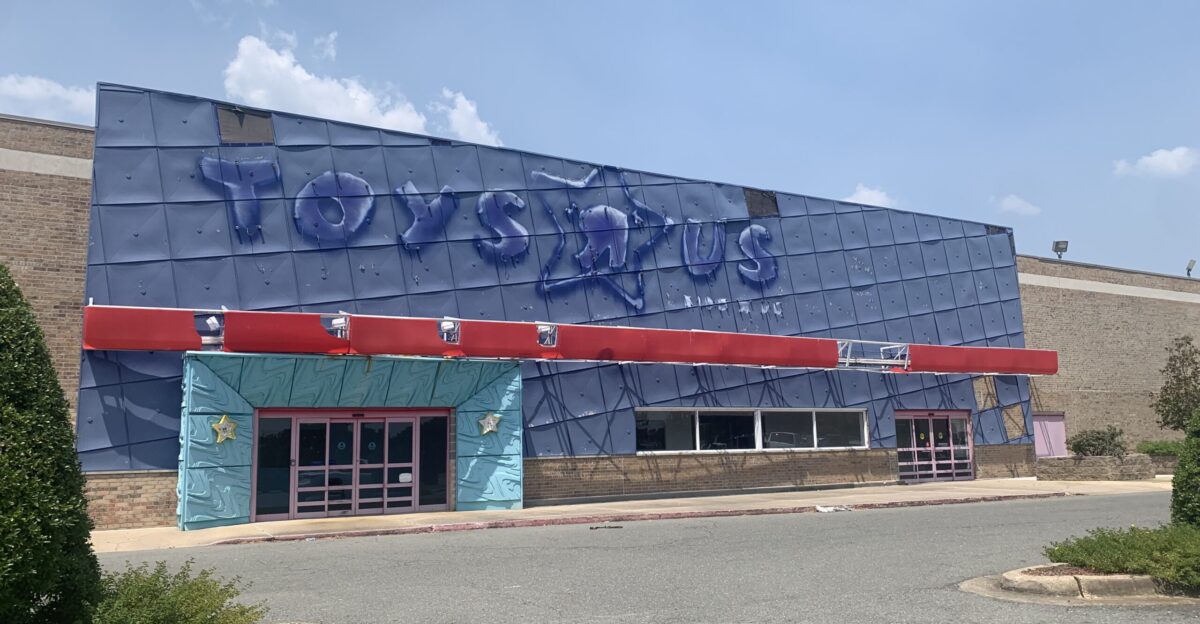
Drowning in $5 billion of private equity debt, Toys “R” Us attempted a comeback with updated store formats and enhanced Geoffrey the Giraffe branding. The retailer promised innovative “experiential” spaces and improved customer service to compete with Amazon and Walmart.
The reinvention came too late, as suppliers had already found new distribution partners.
Blockbuster
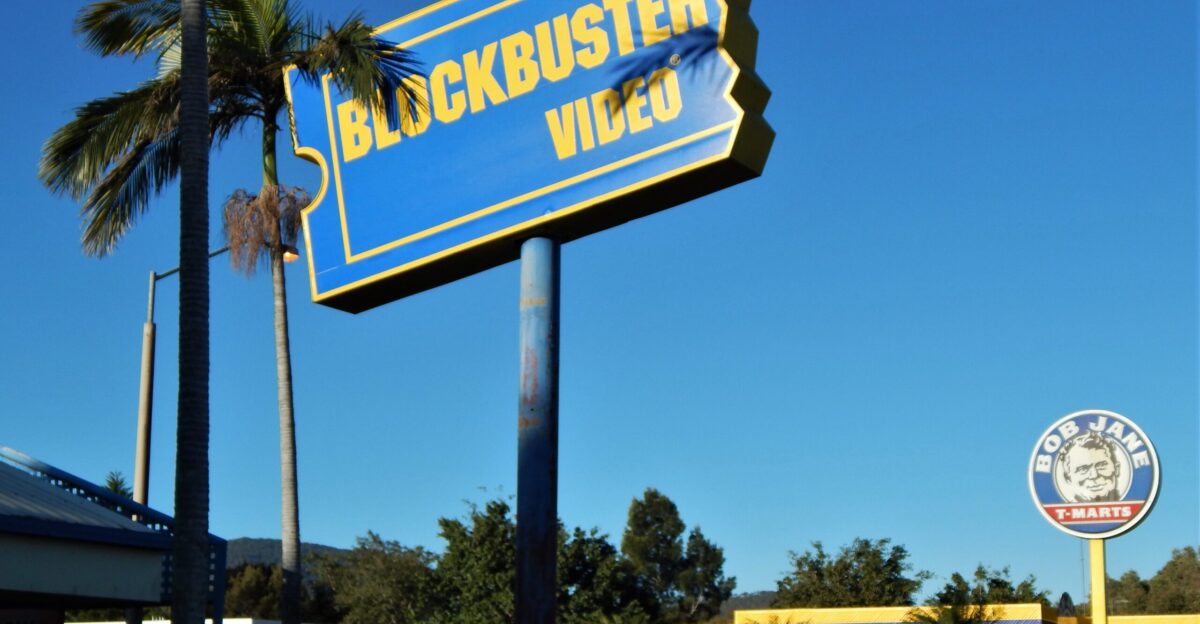
Blockbuster waved away Netflix’s $50 million buyout in 2000, but just four years later, it was scrambling to stay relevant in the streaming world. The hybrid physical-digital model confused customers and failed to match Netflix’s streamlined experience.
The company clung to late fees and physical stores while Netflix perfected streaming. Blockbuster’s belated streaming attempts and Total Access program couldn’t overcome years of arrogance, leading to bankruptcy in 2010.
Borders

Between 2001 and 2008, Borders decided to outsource its only sales to Amazon, which proved to be a fatal mistake, essentially training its biggest competitor.
The bookstore chain launched its Kobo e-reader in 2010, three years after Amazon’s Kindle dominated the market. Borders filed for bankruptcy in 2011, a victim of its digital myopia.
Circuit City
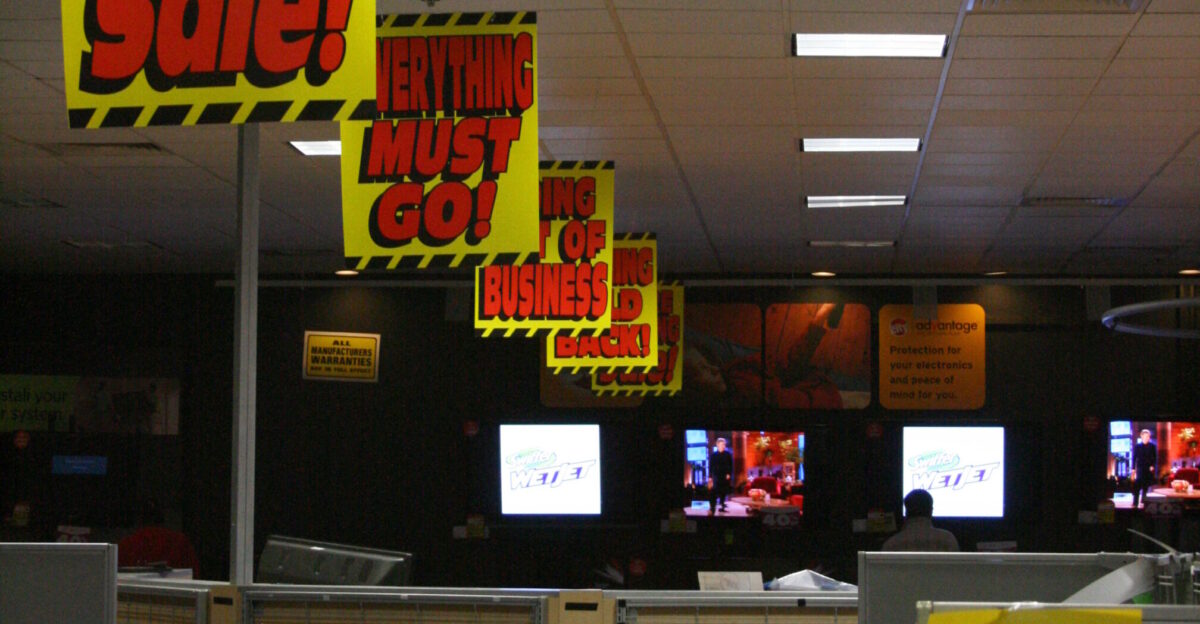
Circuit City tried cutting costs and trimming the fat by abandoning its profitable appliance business and laying off experienced salespeople. The chain ignored e-commerce while Amazon gained momentum.
Poor location choices and a failure to adapt to changing consumer habits sealed Circuit City’s fate. In 2008, it filed for bankruptcy, unable to compete with Best Buy’s superior customer experience and online presence.
RadioShack
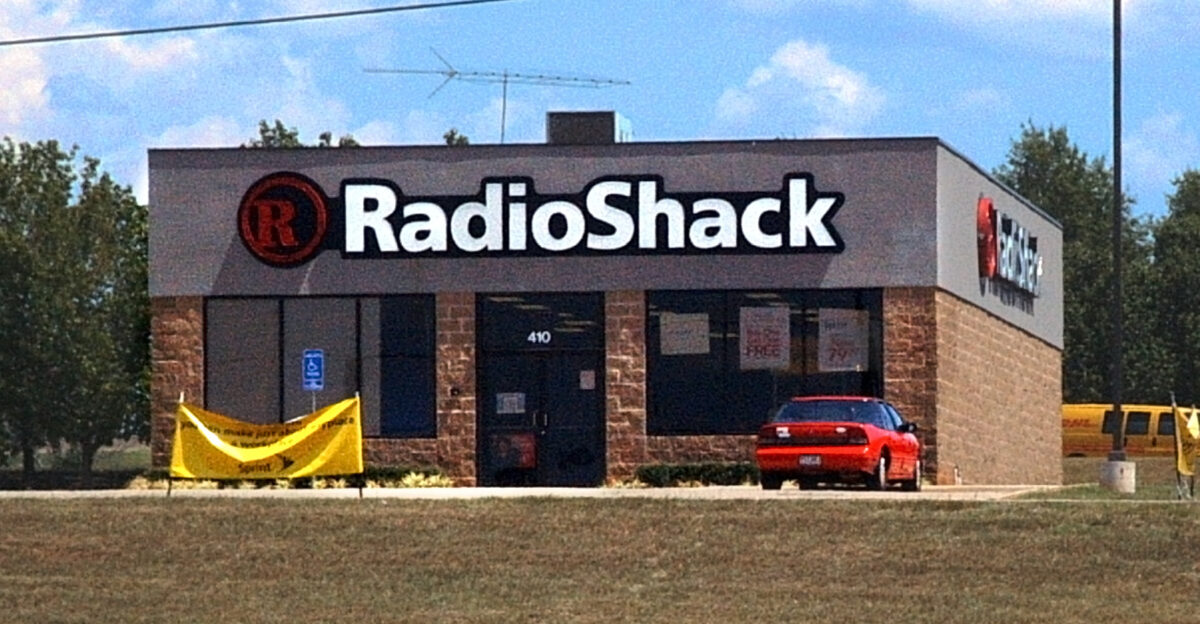
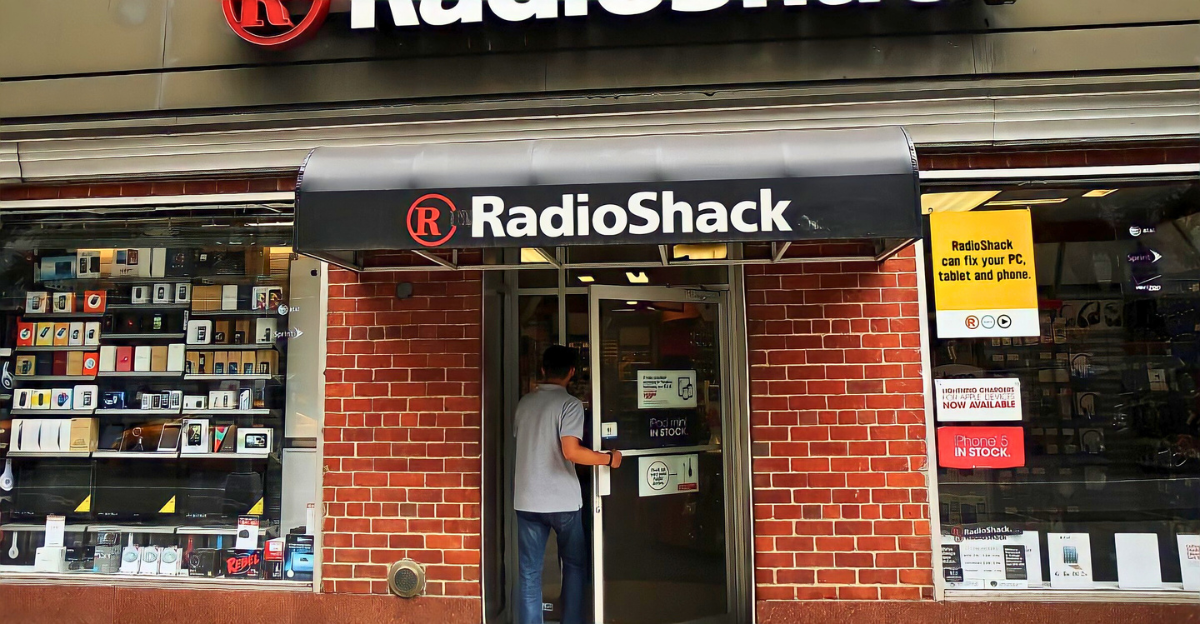
RadioShack tried to stay relevant by changing its model from an electronics hobbyist haven to a mainstream cellphone retailer with strong marketing campaigns.
The identity crisis confused old and new customers as smartphones made many RadioShack products obsolete. The company filed for bankruptcy in 2015, unable to find its place in a mobile-first world.
Montgomery Ward
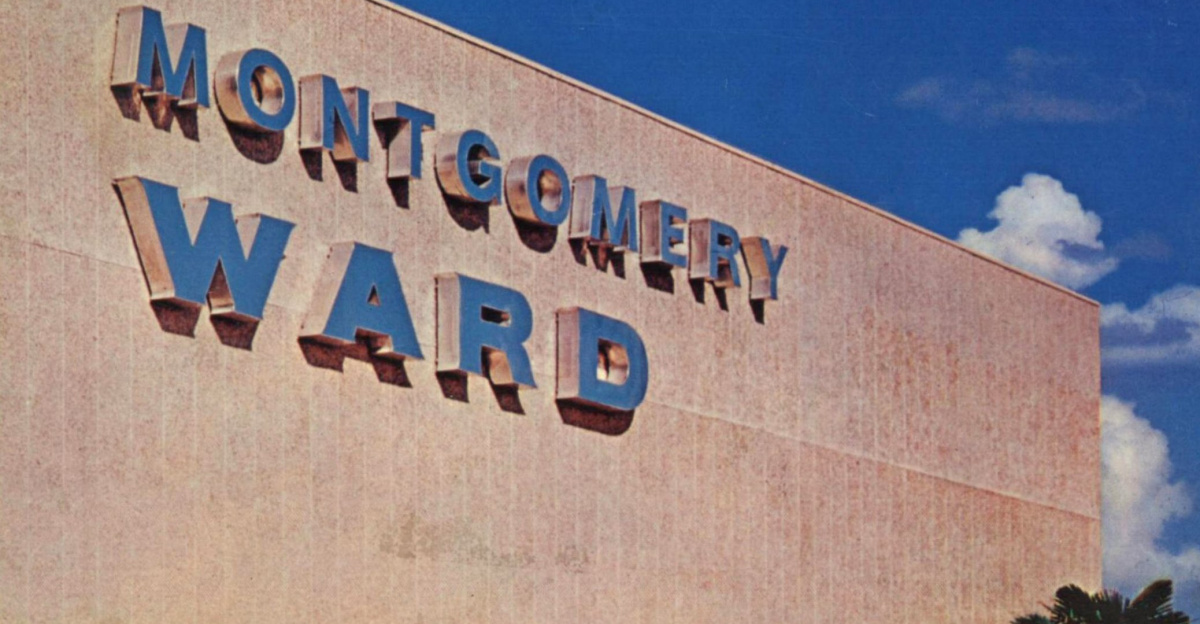
Montgomery Ward launched mail-order retail in the 1870s but missed the mark on the suburban boom in the 1950s, when rivals like Sears expanded into shopping malls.
Despite multiple ownership changes and modernization attempts, Ward never recovered from ceding prime real estate to competitors. The 128-year-old retail pioneer closed its final stores in 2001.
The Supermarket Grandfather’s Slow Death
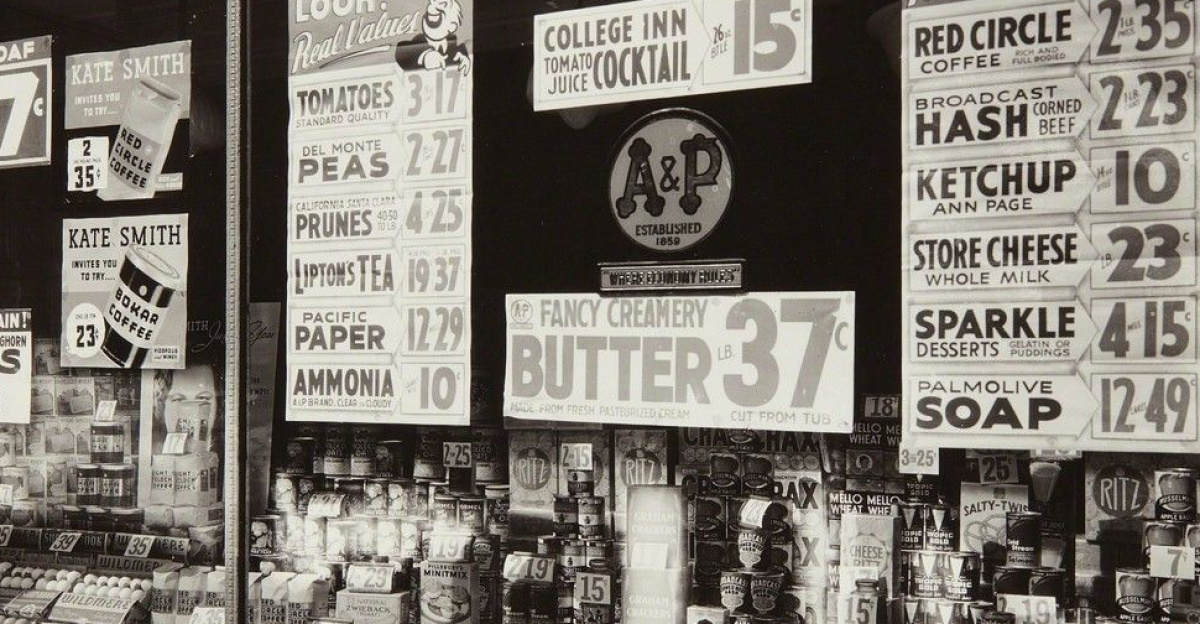
The Great Atlantic & Pacific Tea Company focused on squeezing suppliers for better margins instead of improving customer experience. While competitors added amenities and modernized stores, A&P’s locations were frozen.
The company failed to adapt to organic food trends and specialized shopping preferences. After two bankruptcies, A&P liquidated in 2015, unable to compete with Walmart’s efficiency or Whole Foods’ appeal.
Sears
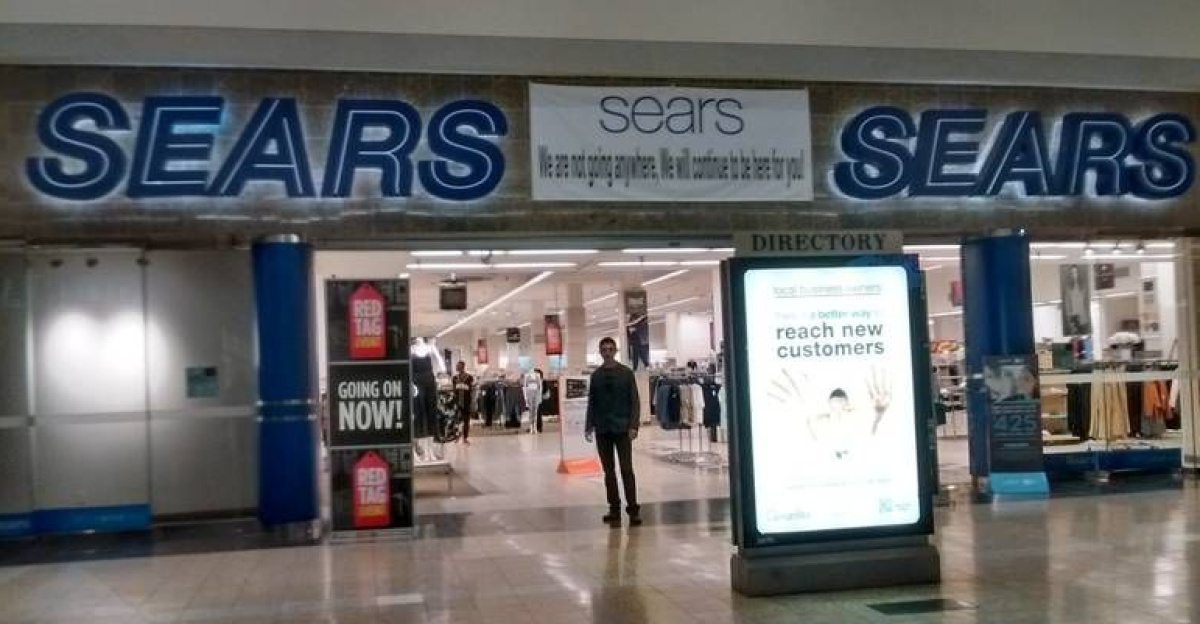
Amid bankruptcy proceedings, Sears rolled out prototype stores with bold new color schemes and updated layouts. The limited test locations featured modern fixtures and improved lighting in a desperate bid for relevance.
Without broader investment or inventory improvements, the cosmetic changes made no impact. Sears emerged from bankruptcy as a shadow of its former self, closing hundreds more locations.
Kmart

Following its 2002 bankruptcy, Kmart introduced prototype stores with lime green and gray color schemes to refresh its discount image. The new aesthetic aimed to compete with Target’s trendy reputation.
Limited funding prevented a full rollout of the concept, leaving most stores unchanged. Kmart merged with Sears in 2005 but continued declining, closing its last Michigan store in 2019.
Shopko
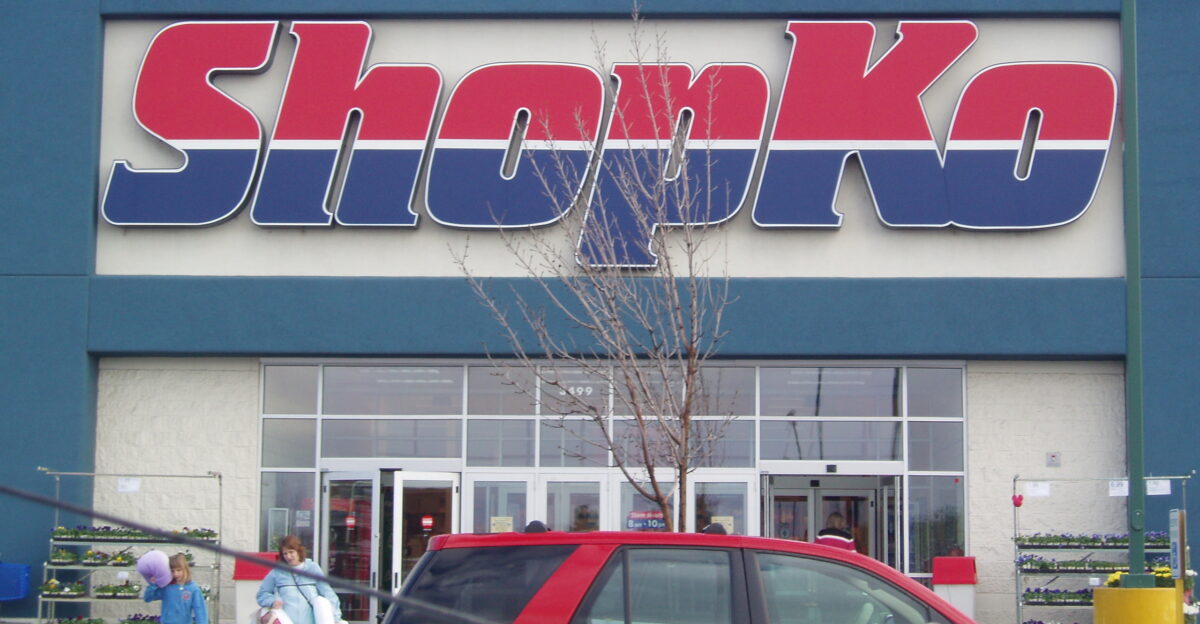
Shopko launched smaller Express format stores and adopted a lowercase “shopko” logo to appear more modern and accessible. The regional discount chain tried to compete with Dollar General in smaller markets.
The rebranding efforts couldn’t overcome operational inefficiencies and changing shopping patterns. Shopko filed for bankruptcy in 2019, liquidating all 360+ stores after 58 years in business.
Carson’s
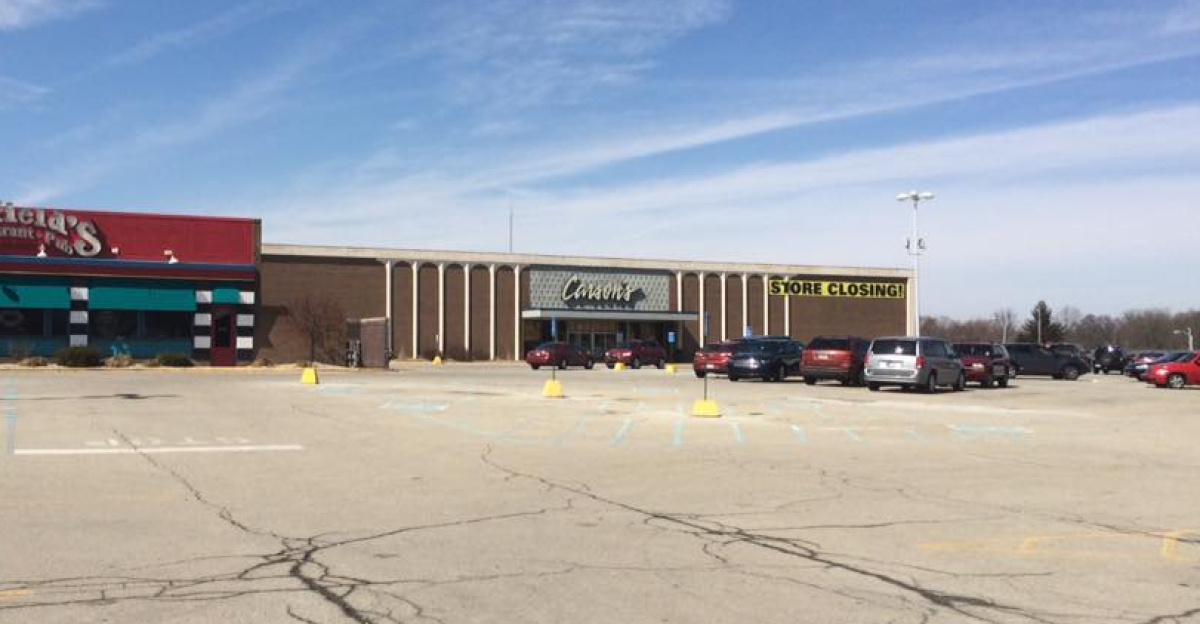
Carson’s endured multiple ownership changes and rebranding attempts through mergers and acquisitions. The department store chain repeatedly changed its identity and positioning for relevance.
The constant corporate upheaval prevented consistent strategy execution and confused employees and customers. Carson’s parent company, Bon-Ton, filed for bankruptcy in 2018, closing all stores.
Debenhams/Boohoo

Boohoo attempted to rebrand its entire company as “Debenhams Group” after acquiring the defunct department store’s intellectual property. The move aimed to leverage Debenhams’ 242-year heritage for credibility.
Key shareholders blocked the formal name change, arguing it was misleading since Boohoo bears little resemblance to traditional Debenhams. The company proceeded with the rebrand anyway, creating ongoing controversy.
TG&Y

TG&Y attempted to modernize by expanding into dollar store formats with names like “TG&Y Dollar” and “Dollar-T.” The variety store chain blurred its identity, trying to compete with emerging discount retailers.
The confused branding strategy failed to attract new customers while alienating longtime shoppers. TG&Y disappeared by 1990 and could not compete with focused discount chains like Dollar General.
Zayre/Ames
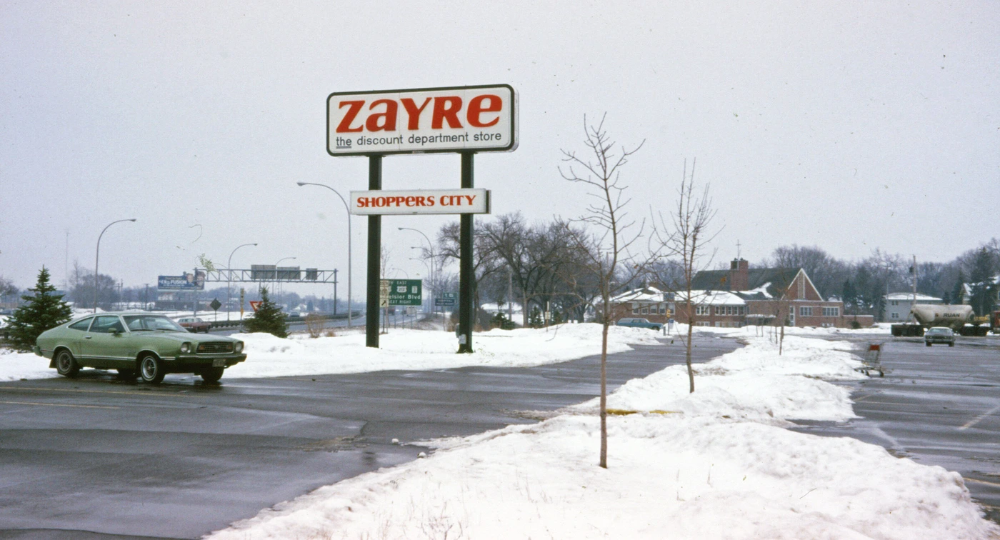
Zayre sold its discount stores to Ames in 1988, and all its locations were rebranded under the Ames name. The rapid integration overwhelmed Ames’ systems and confused customers who were familiar with Zayre’s local presence.
The $800 million acquisition saddled Ames with debt while forcing it to manage twice as many stores. Both chains effectively died, with Ames filing for bankruptcy in 1990.
Fedco
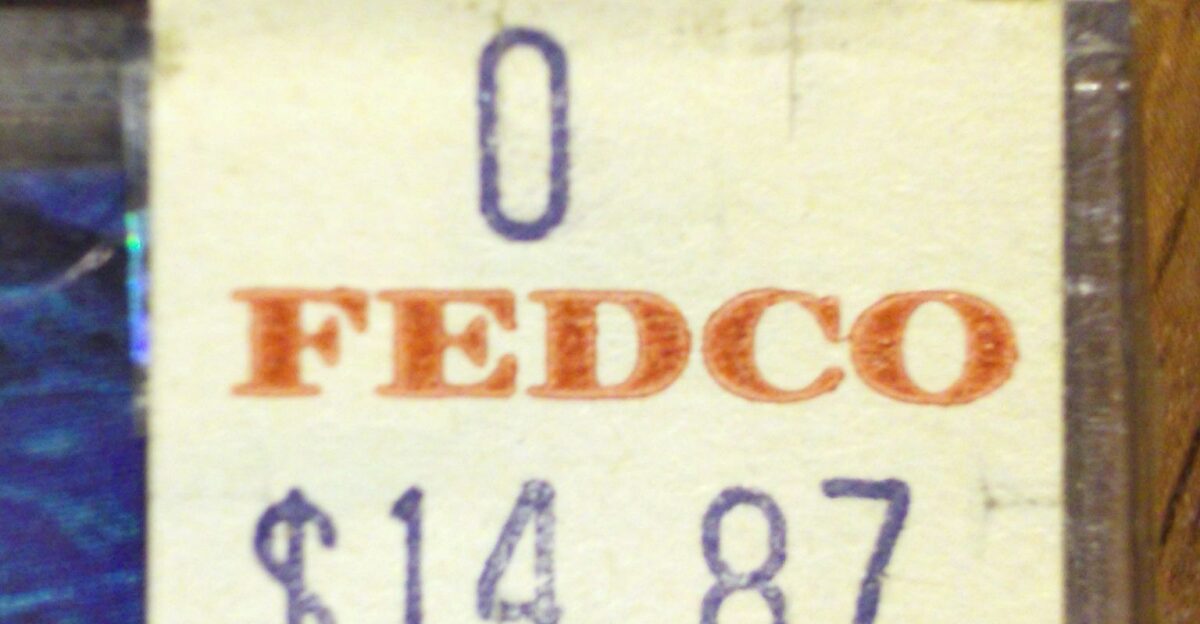
Throughout the 1990s, Fedco added bank services, food courts, and store refurbishments to compete with evolving retail formats. The membership-based discount chain tried to become a proto-Costco with broader appeal.
The incremental improvements came as wholesale clubs and supercenters were revolutionizing discount retail. Fedco filed for bankruptcy in 1999, unable to match the scale and efficiency of its competitors.
MasterCard
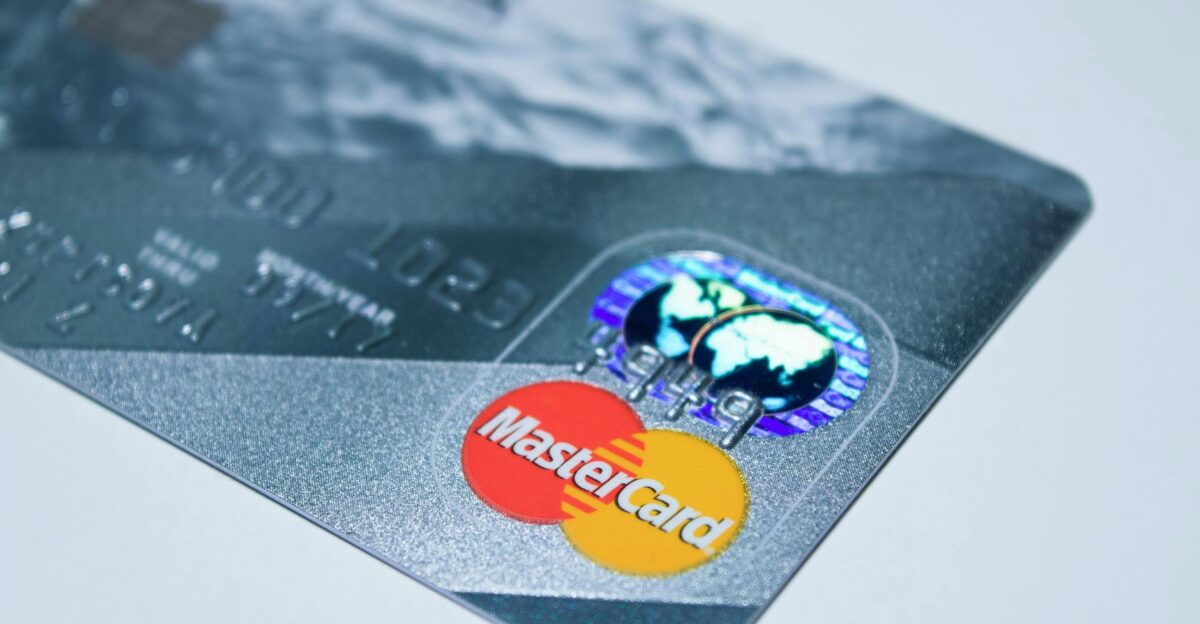
MasterCard removed its famous wordmark from its logo, leaving only the interlocking red and yellow circles. The simplified design aimed to work better in digital environments and international markets.
Unlike the other failed rebrands in this list, MasterCard’s bold move succeeded through careful testing and gradual implementation. The evolution of logos has proved that sometimes less is more in global branding.