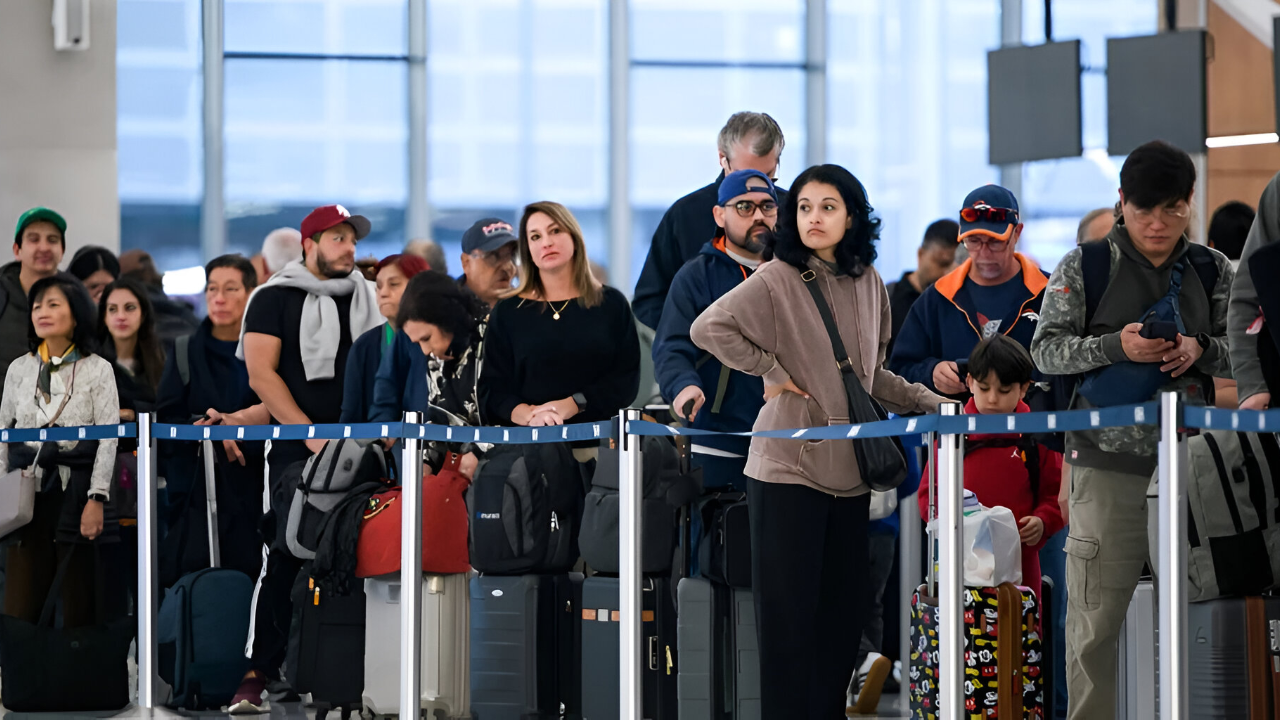
Thirteen thousand air traffic controllers are showing up to work without paychecks. Fifty thousand TSA officers are screening passengers for free, struggling to cover their own basic needs as the shutdown drags on. And starting Friday, November 7, the FAA is about to eliminate 3,500 to 4,000 flights a day.
This isn’t a budget spreadsheet problem. It’s the most sweeping peacetime aviation restriction in modern U.S. history, triggered by a system pushed to the breaking point. Over 36 days, the longest government shutdown on record has drained the aviation workforce into crisis mode. Now the FAA is taking unprecedented action: cutting 10% capacity at 40 major airports, the infrastructure nodes that handle the majority of American air traffic.
The Man Behind the Unprecedented Call

Bryan Bedford, the FAA Administrator with 35 years of aviation experience, put it plainly: “We’re not going to wait for a safety problem to truly manifest itself when the early indicators are telling us we can take action today”. Bedford says he’s never seen anything like this in his entire career.
His willingness to make this controversial call, disrupting millions of passengers, reflects serious FAA data about controller fatigue and system stress. When a 35-year veteran says he’s never witnessed something before, it signals a genuine crisis, not a routine adjustment or political posturing.
13,000 Controllers Haven’t Seen a Paycheck in Five Weeks
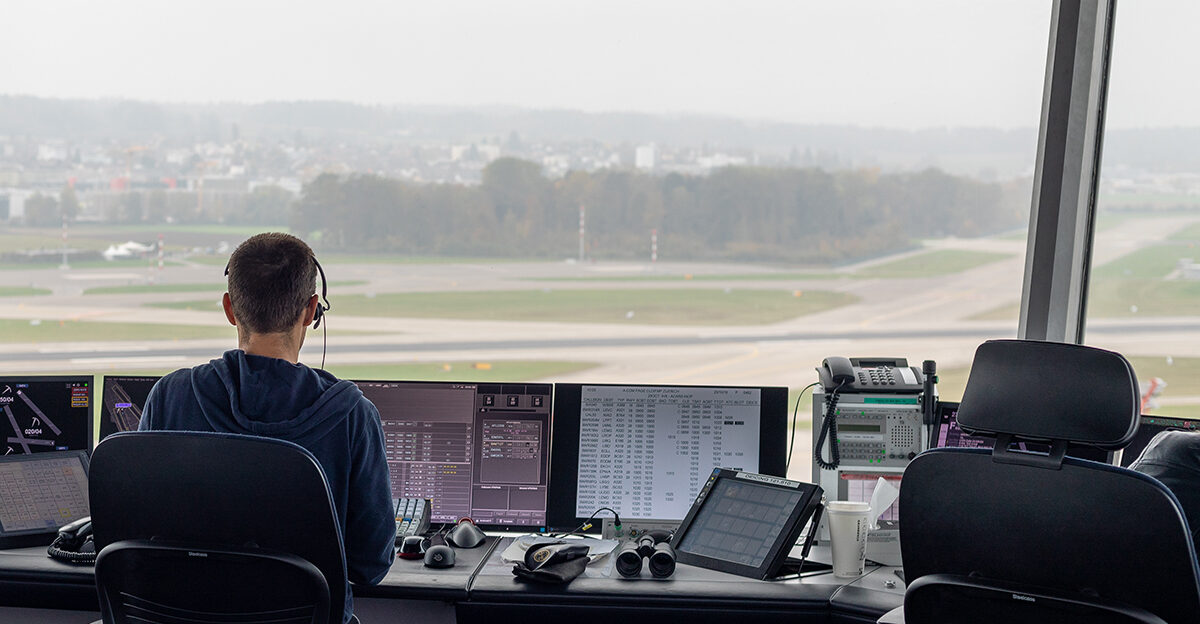
Here’s what most people don’t realize: 13,000 air traffic controllers are showing up to work without getting paid. These essential workers have been running on fumes since October 1, working mandatory overtime and six-day weeks, managing the nation’s airspace. Add 50,000 TSA officers to that number, and you’re looking at a workforce in genuine crisis.
According to National Air Traffic Controllers Association President Nick Daniels, hundreds of controllers have taken temporary second jobs as they miss paychecks, with that number expected to reach 1,000.
40 Airports Handling Major Share of America’s Flights
The 40 affected airports include the nation’s busiest hubs, which collectively handle the majority of U.S. commercial air traffic. We’re talking about Atlanta, Chicago O’Hare, all three New York-area airports, LAX, Dallas/Fort Worth, Denver, and 33 others. The FAA classifies “large hubs” as airports that each account for at least one percent of total U.S. passenger enplanements, and these facilities represent the highest-volume airports in the country.
From regional airports to small-town connections, cuts at these megahubs create nationwide consequences that compound across the entire network. From coast to coast, every region of the country is bracing for the fallout.
New York’s Three Major Airports Lead Northeast Disruption
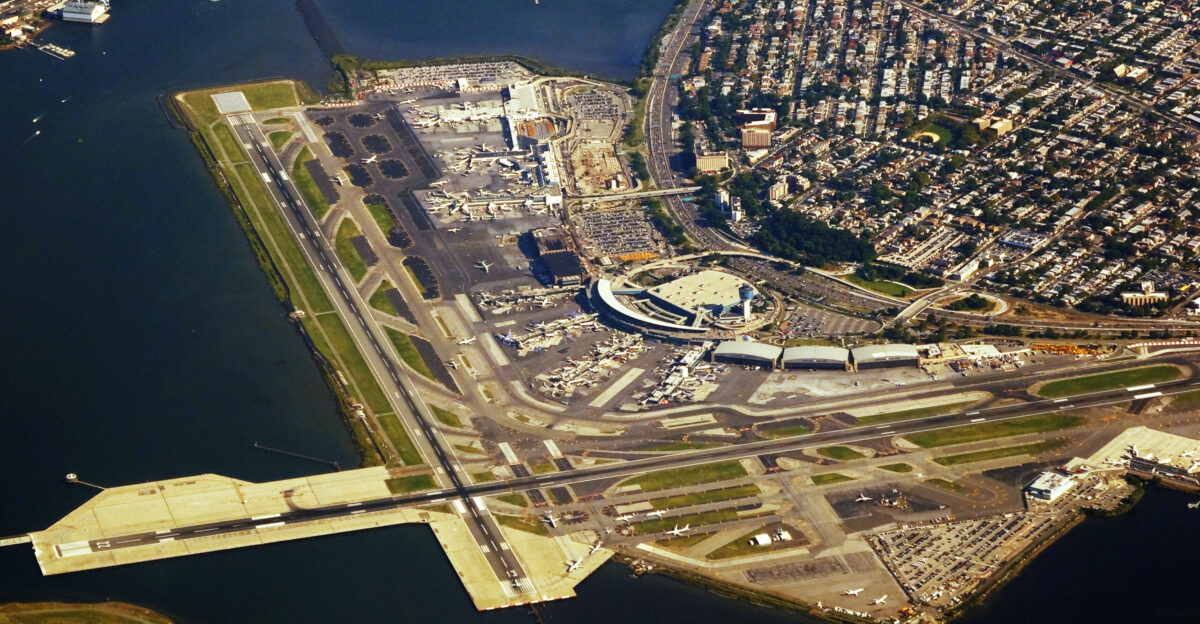
New York’s three major airports—JFK, LaGuardia, and Newark—all made the FAA’s mandatory reduction list. Add Boston Logan, Philadelphia, and Baltimore-Washington, and the Northeast faces hundreds of daily flight eliminations. These six facilities collectively process 150+ million passengers annually.
The Northeast’s densely connected business corridor, spanning Boston, New York, Philadelphia, and Washington, D.C., generates enormous economic value through constant business travel.
Northeast Business Connectivity Under Siege
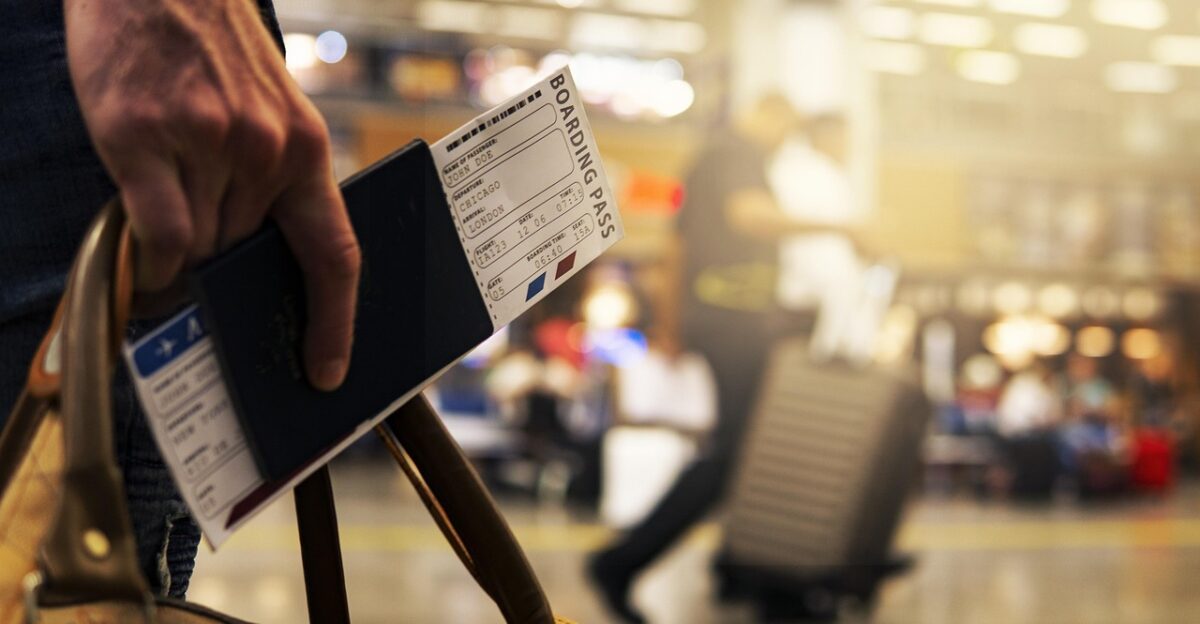
The Northeast corridor’s reliance on aviation for business connectivity means secondary effects ripple across industries and markets. Thousands of daily commuters connecting through these hubs face sudden cancellations, which can affect appointments, deals, and operations.
The hub-and-spoke model means cuts at major facilities cascade to smaller cities losing connections. For a region where business travel generates billions quarterly, this disruption threatens economic continuity across multiple industries simultaneously.
Smaller Northeast Airports Face Hidden Impacts
Beyond the megahubs, smaller Northeast airports, including Providence, Hartford, and others, face proportional reductions despite receiving less media attention. These facilities serve essential regional connectivity, particularly for leisure and secondary business travel.
When major hubs lose capacity, passengers reroute through smaller airports, creating bottlenecks at facilities unprepared for surge volumes.
Chicago O’Hare: World’s Busiest Airport Faces Cuts
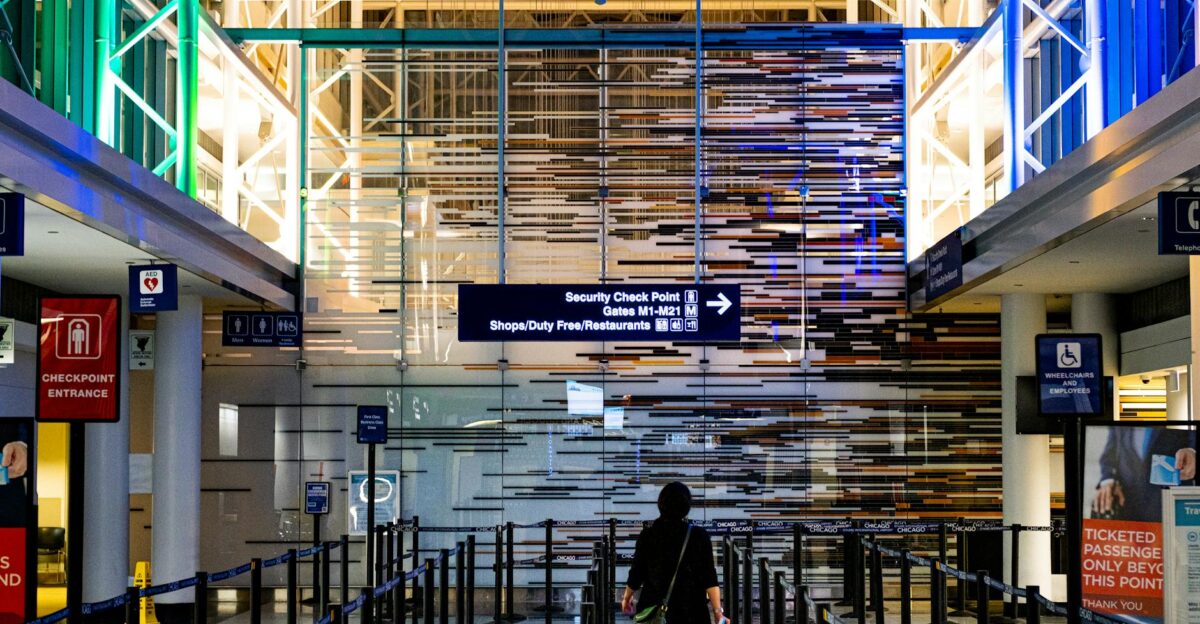
Chicago O’Hare operates 2,442 flights daily—the world’s busiest airport by operations. A 10% cut means 244 flights would be eliminated per day. Detroit Metropolitan and Minneapolis-St. Paul join O’Hare facing significant reductions. For United and American Airlines, which together provide around 85 out of every 100 services at O’Hare, the math becomes brutal.
With nearly a quarter of daily operations eliminated, the Midwest’s internal connectivity collapses, forcing impossible scheduling decisions.
Midwest Hub-and-Spoke Model Crumbles
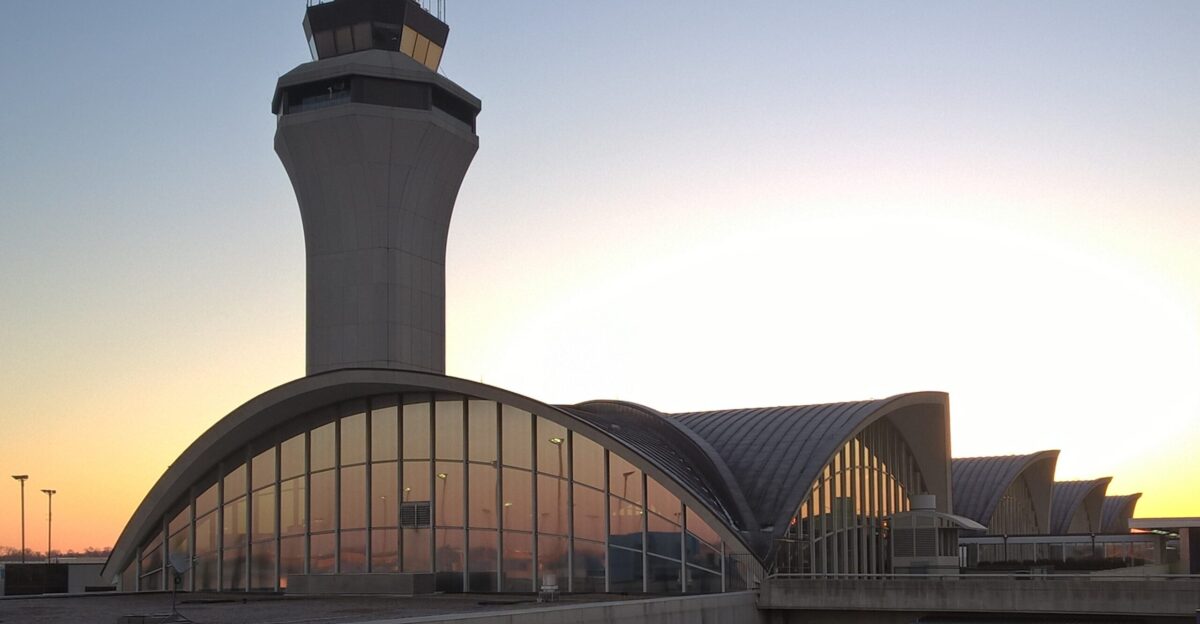
United and American, which together operate the vast majority of O’Hare services, must make agonizing choices about which routes survive. St. Louis Lambert, Kansas City, Cleveland, and Cincinnati airports also face cuts, further fragmenting regional connectivity.
The proportionate reduction mandate creates perverse incentives where carriers fight over remaining capacity rather than cooperating to preserve network integrity. For the Midwest’s economy, this represents genuine infrastructure failure.
Secondary Midwest Markets Face Isolation

Smaller Midwest cities, depending on connections through major hubs, face potential service elimination. Kansas City, Cleveland, and Cincinnati will experience proportional reductions affecting tens of thousands of connecting passengers.
Passengers in smaller Midwest cities face dramatically limited options as the network consolidates, focusing on crisis survival rather than service delivery.
Atlanta and Dallas: Southern Giants Face Massive Cuts
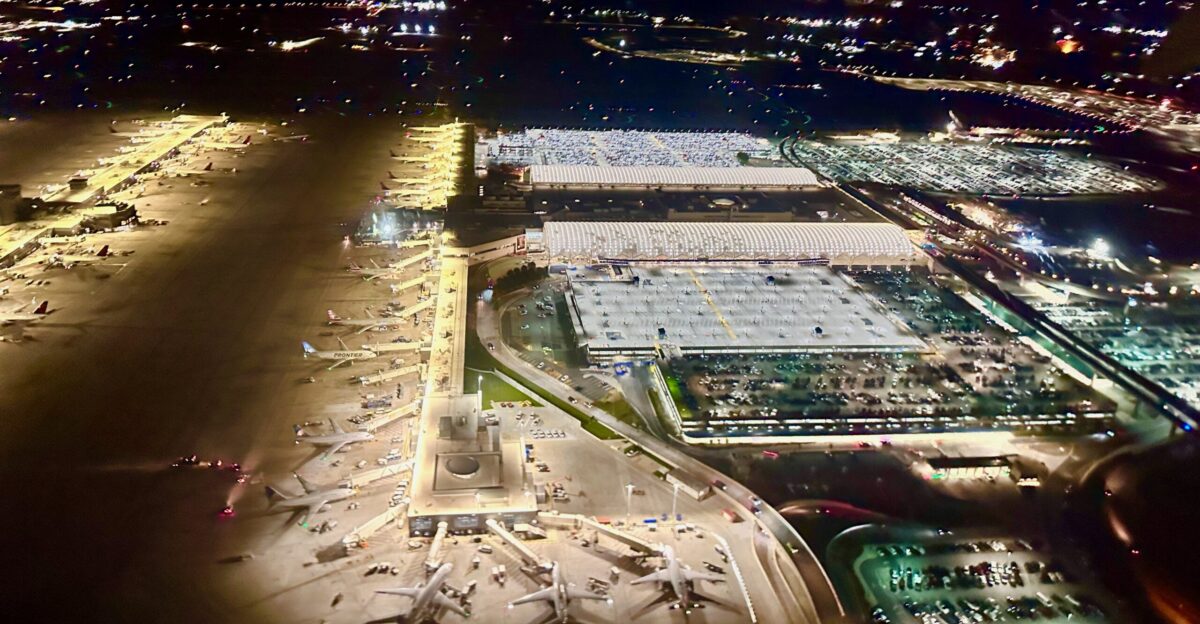
Atlanta Hartsfield-Jackson processes 2,100 daily operations, serving 286,000 passengers per day. That’s roughly 210 flights vanishing daily. Dallas-Fort Worth operates over 1,900 daily flights. Together, these megahubs serve millions monthly. Delta and American, the region’s dominant carriers, scramble to preserve critical routes.
Atlanta’s position as the world’s busiest airport by passengers means its operational capacity has a direct impact on millions. When you cut 10% at Atlanta alone, you’re eliminating capacity for tens of thousands of daily passengers.
Southern Economic Growth Meets Aviation Crisis
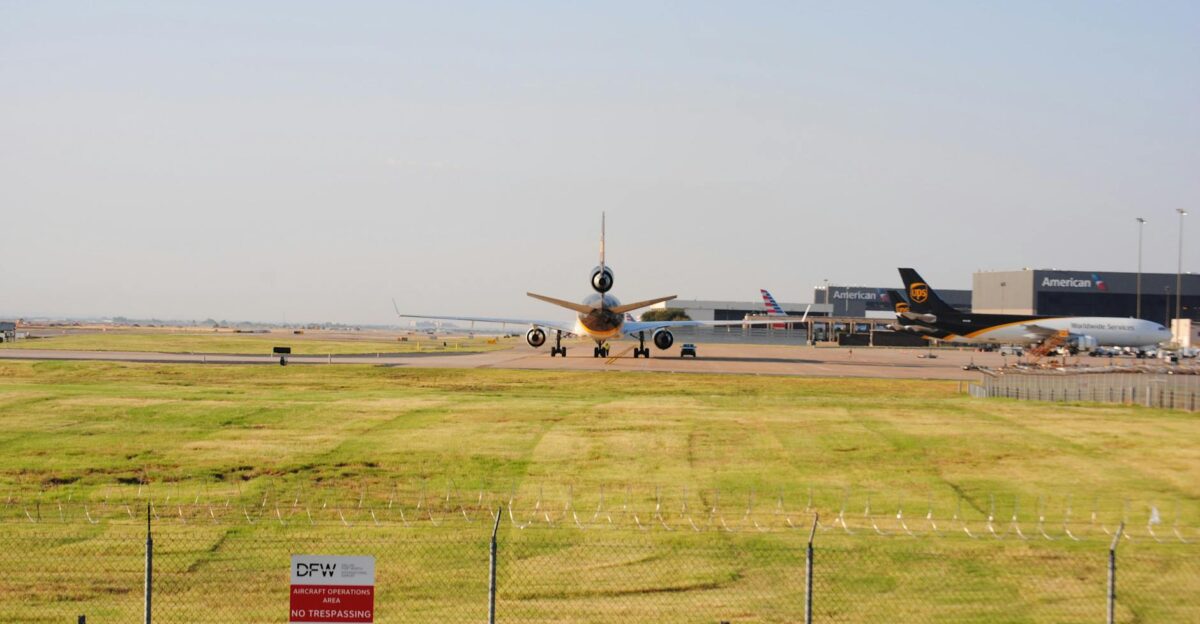
The South’s rapid population growth means Atlanta and Dallas have become essential connection points for millions of new residents. These hubs aren’t just connecting cities—they’re enabling economic migration patterns that define modern Southern development.
When you cut flights at these facilities, you disrupt the infrastructure enabling population movement and economic opportunity.
Miami, Charlotte, Houston Secondary Impact
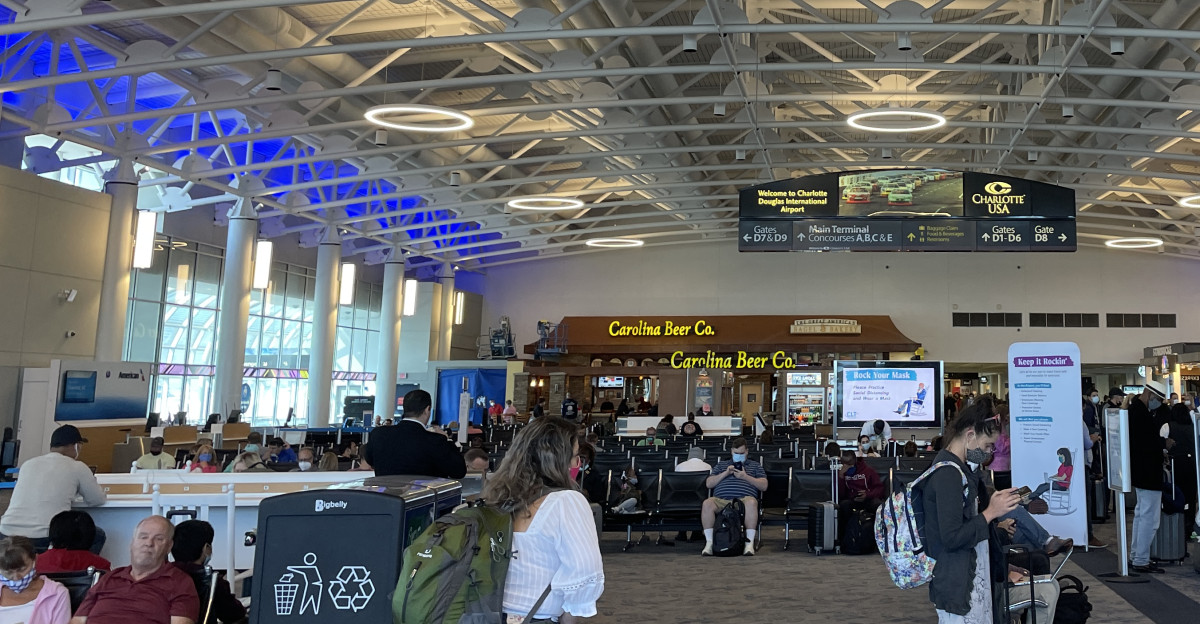
Charlotte Douglas functions as another American Airlines fortress hub; Miami serves as a critical gateway to Latin America and Caribbean destinations. Houston Bush Intercontinental anchors Texas operations beyond Dallas.
These secondary Southern hubs also face reductions affecting regional connectivity. Together with Atlanta and Dallas cuts, the South’s aviation infrastructure fragments precisely when demand peaks.
Los Angeles and Denver: Western Giants Face Hundreds of Cuts
Los Angeles International and Denver International represent the West’s two busiest hubs, routinely processing 160,000 to 200,000 passengers daily combined. The FAA mandate means hundreds of flights disappear from schedules daily at these locations.
LAX functions as a critical transpacific gateway; Denver serves as United’s third-largest hub connecting mountain and western destinations. Both airports face particular challenges given their roles linking coastal cities to interior regions.
Western Geography Makes Air Capacity Irreplaceable
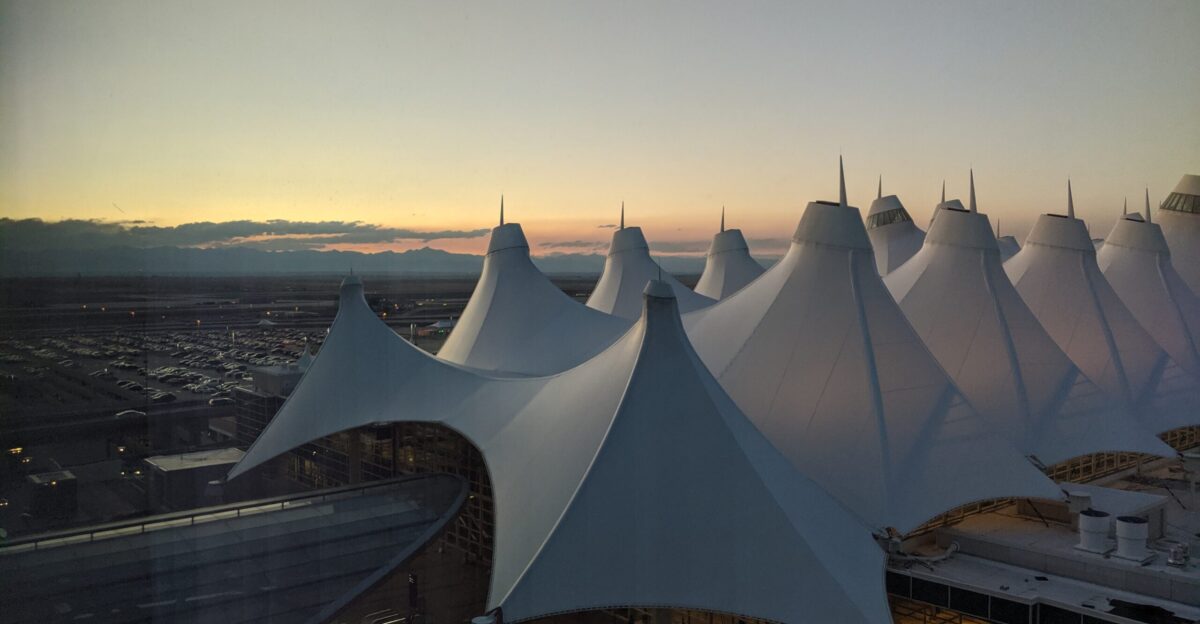
Unlike the Northeast’s dense ground infrastructure, Western states depend on aviation as the primary long-distance transport. A 10% cut at Denver doesn’t just eliminate flights to coastal cities—it isolates mountain communities, restricts access to major medical facilities, and disrupts supply chains.
San Francisco, Phoenix, and Seattle also face cuts, fragmenting the West’s critical connectivity. The West’s sprawling geography means air capacity is literally irreplaceable.
Regional Western Airports Face Ripple Effects
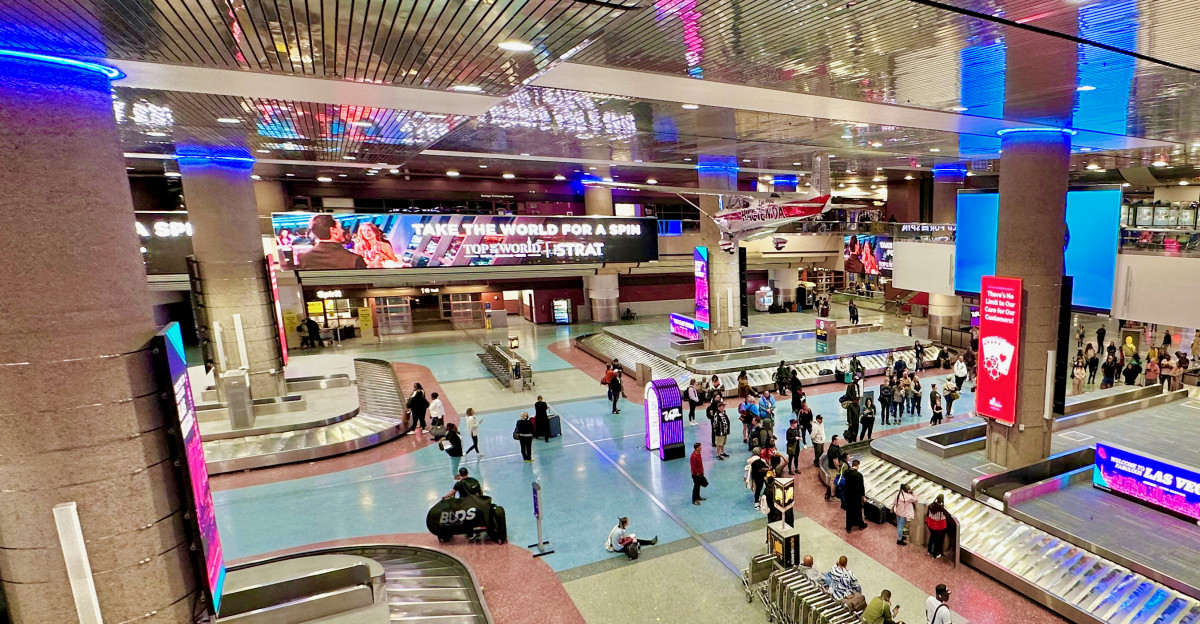
San Diego, Salt Lake City, Portland, and Las Vegas complete the Western region’s affected facilities. Salt Lake City serves as Delta’s fourth-largest hub; Las Vegas ranks among America’s busiest leisure destinations; Portland serves Pacific Northwest regional traffic.
These reductions hit regional routes and leisure destinations particularly hard during pre-holiday periods when demand peaks.
The Economic Bloodbath Nobody’s Talking About
The US Travel Association reports America’s travel economy has already lost $4 billion since October 1. Research on flight disruption costs shows airlines lose between $25 billion and $35 billion annually from disruptions, with total costs to travelers, corporations, and the aviation ecosystem reaching approximately $60 billion per year.
Hotels fire staff; restaurants close early; rental agencies consolidate fleets; attractions reduce hours. Every business depending on travel revenue faces multiplier-effect pain.
Thanksgiving Travel: The Perfect Storm Arrives

November 7 is when cuts begin. November 27 is Thanksgiving. The TSA processed 3.09 million passengers the Sunday after Thanksgiving 2024—the second-busiest day in US history. Airlines anticipated record 2025 volumes before this crisis.
Picture Thanksgiving week with 10% fewer flights and 300,000 displaced passengers competing for services that don’t exist. Hotels are booked. Airlines are full. Rebooking nightmares multiply exponentially. For families planning holiday gatherings, this creates genuine crisis—pay last-minute premium prices or miss the holiday entirely.
No Endpoint. It Could Get Much Worse
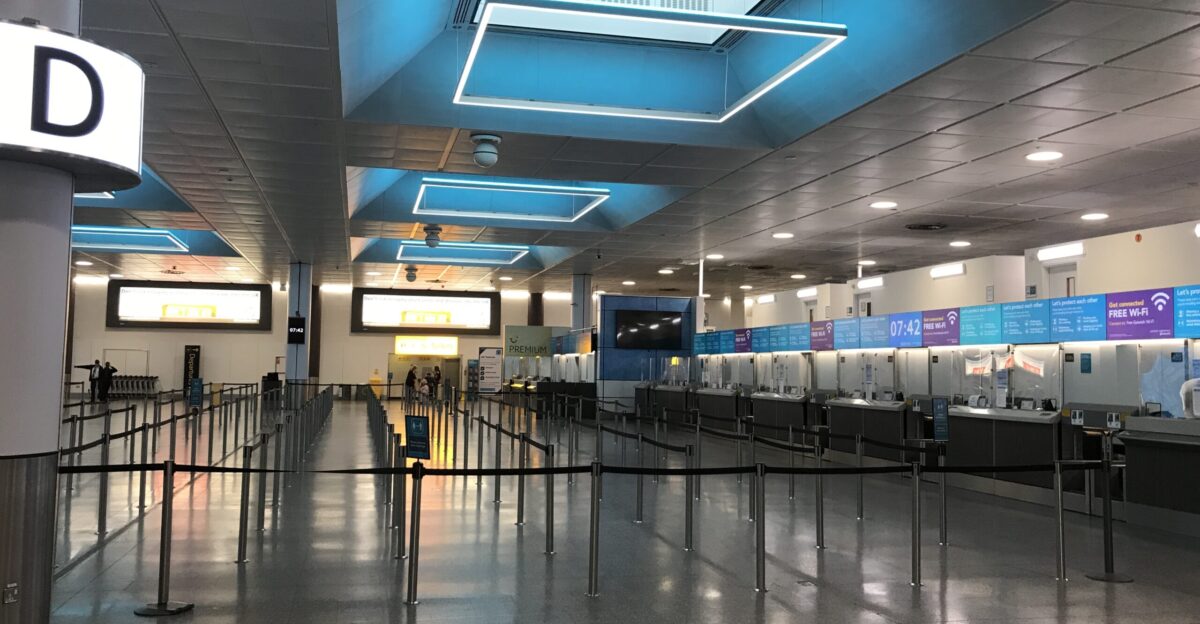
According to Bedford’s own warnings, these cuts have no predetermined end date. They continue until the shutdown ends or controller staffing improves. Transportation Secretary Sean Duffy warned that certain airspace sections might require total closure if controllers miss their next November 11 paycheck.
Duffy’s warning wasn’t hypothetical, it was prediction based on controller capacity modeling. If conditions worsen, the FAA will return with additional restrictions, potentially cascading toward complete operational shutdown in critical markets nationwide.
What This Moment Reveals About America
When 13,000 workers show up without paychecks, when the world’s most sophisticated air traffic system needs to cut capacity to prevent collapse, when a 35-year veteran says he’s never seen this before—it’s a reckoning moment. The system was already strained. The shutdown didn’t break it; it just exposed what was already fracturing underneath.
Aviation represents America’s most advanced infrastructure. If it’s cracking under shutdown pressure, what does that say about every other system running on fumes? The answer is terrifying for the nation’s future resilience.