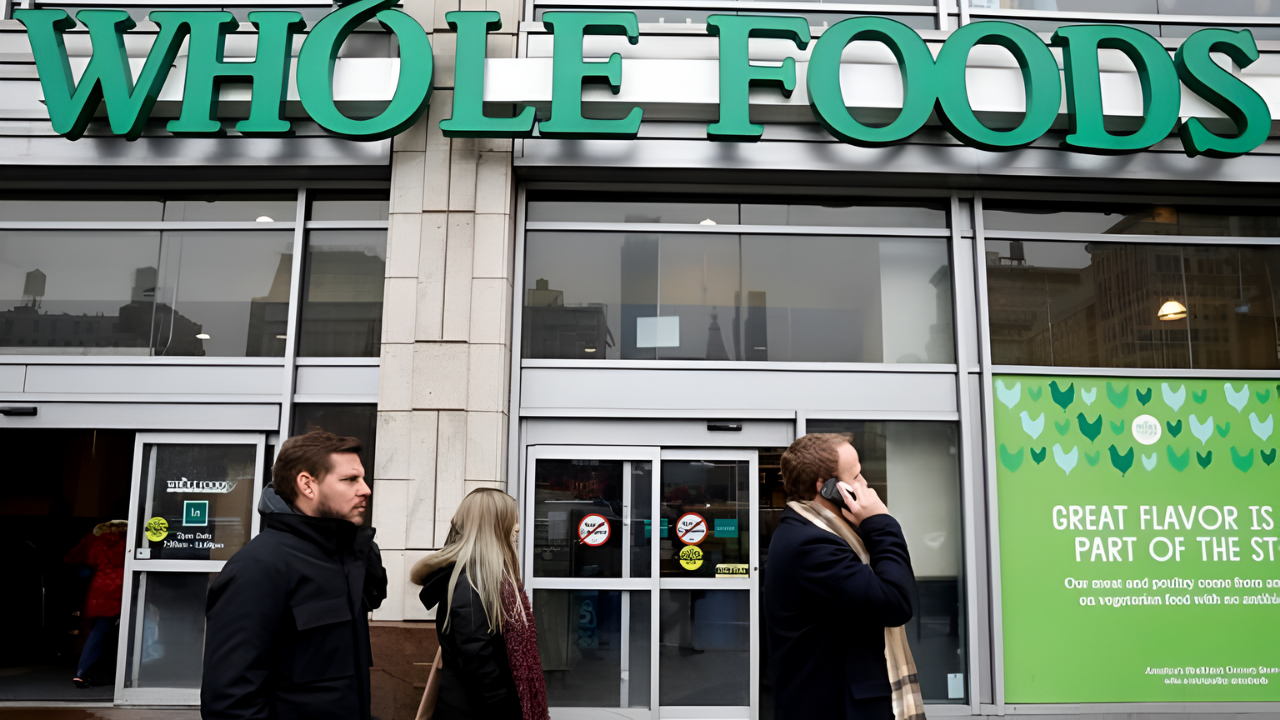
Eight years after Amazon’s $13.7 billion acquisition of Whole Foods, the natural-foods pioneer is undergoing a dramatic transformation. Once celebrated for its premium organic offerings and counterculture ethos, Whole Foods is now being reshaped by Amazon’s drive for efficiency, automation, and mass-market appeal. The changes reflect Amazon’s urgent need to close the gap with grocery giant Walmart, whose dominance has left Amazon’s grocery ventures lagging in both market share and growth.
Stalled Growth and Market Pressures
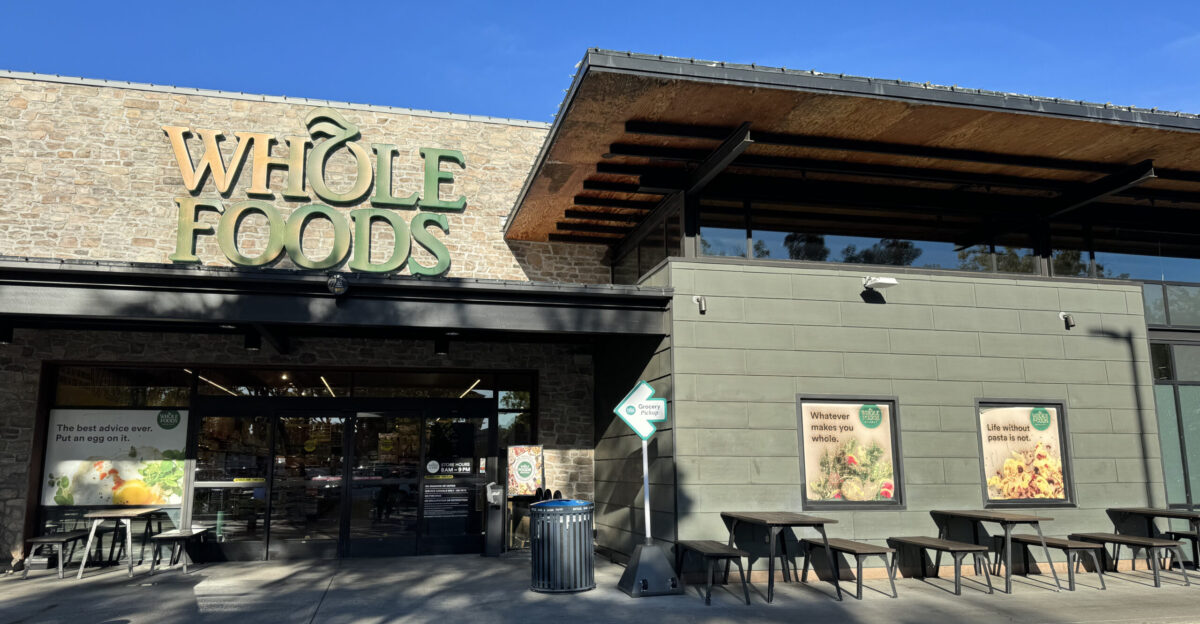
Whole Foods’ sales have increased by 40% since the 2017 acquisition, averaging about 5% annual growth. This is a sharp decline from the double-digit expansion the chain enjoyed before Amazon’s involvement. The slowdown highlights a core dilemma: Whole Foods’ premium positioning attracts a niche audience but fails to compete on price and scale with larger rivals. Amazon’s entire grocery ecosystem—including Whole Foods and Amazon Fresh—accounts for less than 4% of the U.S. grocery market, while Walmart controls 21%. This disparity has forced Amazon to rethink its strategy, viewing Whole Foods less as a disruptor and more as a costly asset in need of reinvention.
Expansion Lags Behind Competitors

Whole Foods’ pace of expansion has slowed considerably. In 2023, the chain opened about 10 new stores, while Sprouts Farmers Market—a competitor in the premium grocery segment—opened nearly 30. By 2024, Sprouts added 33 more locations, underscoring Whole Foods’ struggle to keep up. With 535 stores worldwide, Whole Foods is losing ground to Sprouts, which now operates 440 stores across 24 states and continues to grow rapidly. The gap in expansion signals Amazon’s recognition that organic growth through traditional retail is no longer sufficient.
Automation and Restructuring Redefine the Brand
Amazon’s transformation of Whole Foods is most visible in its embrace of automation and restructuring. In October 2025, Amazon announced 14,000 corporate job cuts, the first wave of a planned 30,000-position reduction affecting 10% of its white-collar workforce. Whole Foods’ corporate staff faces significant exposure, with many employees transitioning to Amazon payroll and losing long-standing benefits such as the 20% in-store discount. Performance bonuses are being replaced with Amazon stock options, further aligning Whole Foods’ culture with its parent company.
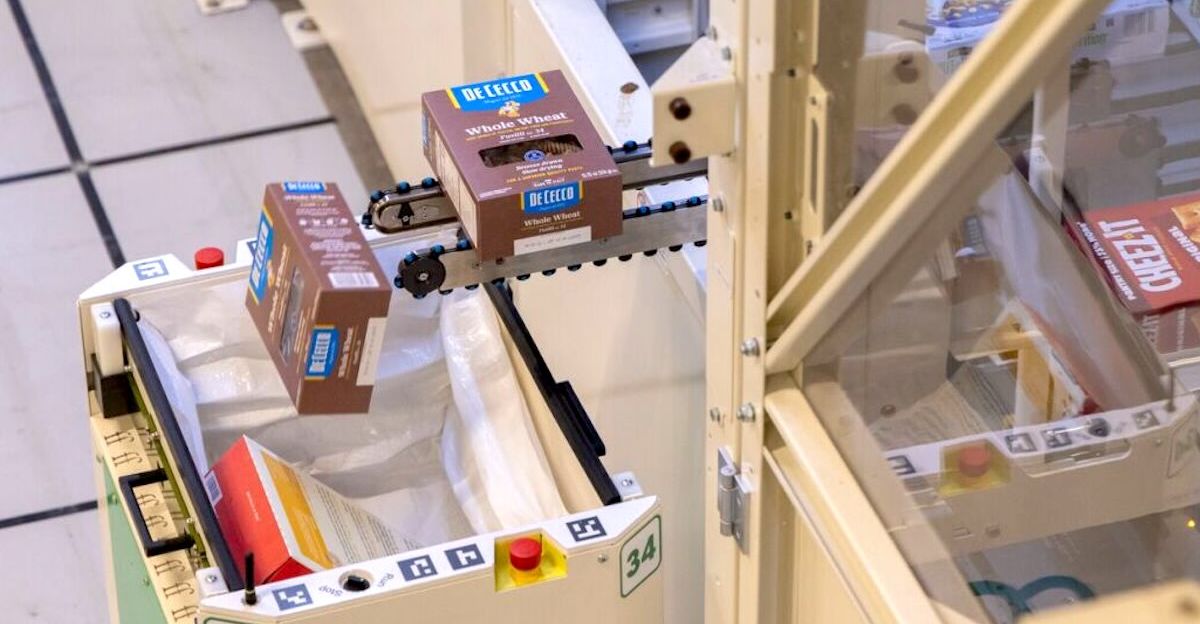
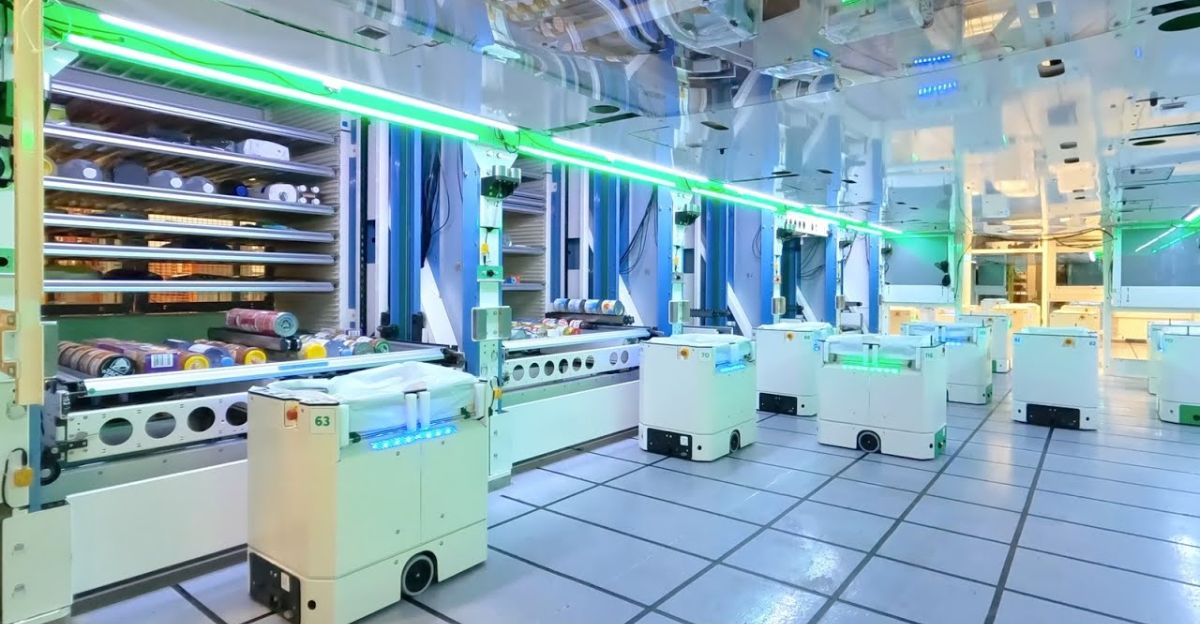
In November 2025, Amazon launched a new Whole Foods location in Plymouth Meeting, Pennsylvania, featuring a 10,000-square-foot micro-fulfillment center powered by autonomous “ShopBot” robots. These machines retrieve mainstream brands like Pepsi and Kraft, while customers shop for organic produce. Shoppers use QR codes to order mass-market items, which are delivered to a pickup counter by robots, blending the organic shopping experience with high-tech convenience.
Cultural Shifts and Brand Erosion
The changes extend beyond automation. At Chicago’s flagship Whole Foods, a 3,800-square-foot “Amazon Grocery” kiosk has replaced the iconic espresso bar, stocking household essentials and mass-market groceries not typically found on Whole Foods shelves. This shift marks a departure from the chain’s artisanal, premium aesthetic, positioning Whole Foods as a location for convenience rather than a cultural experience.
Behind the scenes, Whole Foods’ micro-fulfillment centers now house over 12,000 unique items, including both organic products and national brands. This hidden inventory allows the chain to maintain its premium image while catering to broader consumer needs. For Amazon, it resolves the longstanding tension between Whole Foods’ purity mandate and the demands of a mass-market audience. For loyal customers, however, it represents a visible erosion of the brand’s original philosophy.
Legacy and Leadership in Transition
Whole Foods was founded in 1980 in Austin, Texas, with a mission centered on sustainability, animal welfare, and ingredient transparency. For decades, the company resisted mass-market products and conventional agriculture. That identity is now being systematically dismantled. Co-founder John Mackey, who led the company for 44 years before stepping down in 2022, has described the sale to Amazon as a reluctant move forced by activist investor pressure. In a 2025 podcast interview, Mackey likened the transaction to “marrying off my daughter to the richest man in the world,” reflecting his sense of resignation as Whole Foods’ culture is transformed.
The influence of activist investors remains strong. Jana Partners, whose campaign precipitated the sale, exited with a $300 million profit, but its impact endures in ongoing cost-cutting and restructuring. Amazon faces relentless demands to prove its grocery strategy can rival Walmart’s dominance.
Looking Ahead: The Stakes for Whole Foods and Amazon
Amazon’s rollout of automated grocery hubs and restructuring efforts signal a decisive shift in Whole Foods’ identity. With plans to expand the ShopBot model and Amazon Grocery kiosks nationwide, the chain is poised to become a hybrid of organic retail and automated fulfillment. This transformation raises questions about the future of premium grocery brands under tech-driven ownership. As Whole Foods’ legacy is redefined, the stakes are high for employees, customers, and the broader retail landscape. By 2026, Whole Foods may exist in name only—a cautionary tale for any brand navigating the pressures of integration with a technology giant.