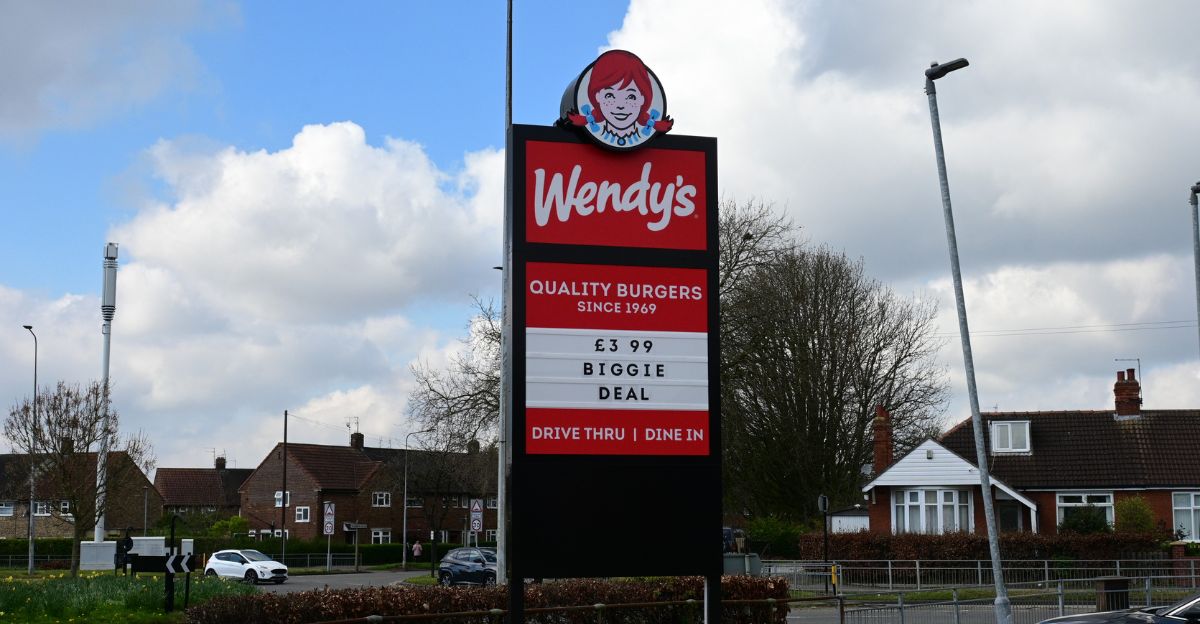
Wendy’s, a fixture in the American fast-food landscape, has announced plans to shutter between 200 and 350 of its U.S. restaurants beginning in late 2025 and continuing through 2026. The decision marks one of the largest retrenchments in the company’s history and signals a period of turbulence and transformation for the broader quick-service industry. The closures are expected to affect thousands of employees and reshape dining options in communities across the country.
A Strategic Retreat: Why Wendy’s Is Downsizing
The move comes as Wendy’s faces declining sales and shifting consumer habits. Interim CEO Ken Cook described the closures as a key part of a turnaround strategy, following a reported 4.7% drop in U.S. same-store sales in the third quarter of 2025. By eliminating underperforming locations, the company aims to concentrate resources on more profitable outlets and restore financial health.
Economic pressures, including rising labor and ingredient costs, have squeezed profit margins throughout the restaurant sector. Wendy’s leadership has indicated that the closures are a response to these challenges, as well as to changing patterns in how Americans eat out. The company’s focus is now on streamlining operations and investing in locations with the strongest potential for growth.
Community Impact: Jobs and Local Economies at Risk
For many towns and neighborhoods, Wendy’s is more than just a place to grab a quick meal—it’s a source of jobs and a familiar gathering spot. The closure of up to 350 restaurants could leave significant gaps, particularly in smaller communities where fast-food options are limited. While Wendy’s has not released specific figures on job losses, estimates based on typical staffing levels suggest that between 7,000 and 14,000 workers could be affected.
Franchise owners, who operate the majority of Wendy’s locations, face difficult decisions as they weigh the costs of staying open against the company’s new profitability benchmarks. The closures will ripple through local economies, impacting not only employees but also suppliers and service providers who depend on the chain’s business.
Industry Trends: Fast-Food Consolidation Accelerates
Wendy’s is not alone in retrenching. The fast-food industry has seen a wave of closures as chains adapt to a tougher economic climate. Subway, for example, closed more than 600 locations in 2024, while Denny’s announced plans to shutter around 150 stores. Analysts describe this as a period of consolidation, with companies reassessing their footprints and focusing on high-performing markets.
Meanwhile, competitors like McDonald’s and Burger King, which have reported stronger sales, may benefit from Wendy’s retreat. Local diners, convenience stores, and independent restaurants could also see increased business as they fill the void left by departing fast-food outlets. The shake-up is expected to reshape the competitive landscape, with surviving chains and new entrants vying for displaced customers.
Broader Effects: Supply Chains and Related Businesses
The impact of Wendy’s closures will extend beyond the company’s own workforce. Suppliers of beef, potatoes, packaging, and cleaning products may see reduced demand, forcing them to adjust production and distribution strategies. Logistics firms and other service providers that support Wendy’s operations could also feel the effects of a smaller network.
Local retailers near closing Wendy’s locations may pivot to attract new customers, expanding their ready-to-eat meal offerings or enhancing hot food sections. The changes could create opportunities for some businesses even as others face losses.
Looking Ahead: A Changing Fast-Food Landscape
Wendy’s plans to offset some of its U.S. contraction with international growth, projecting a more than 9% increase in overseas locations in 2025. The company has also seen success with new menu items, such as chicken tenders, which have driven demand at many outlets.
For consumers, the closures mean fewer familiar dining options and potential changes in local eating habits. Policymakers and community leaders may consider measures to support displaced workers or repurpose shuttered sites. As the fast-food industry continues to evolve, chains are expected to invest in technology, menu innovation, and delivery services to stay competitive.
The planned closures at Wendy’s reflect a broader reckoning in the U.S. restaurant sector, as companies adapt to economic headwinds and changing consumer preferences. The outcome will shape not only the future of Wendy’s but also the dining choices and economic health of communities nationwide.