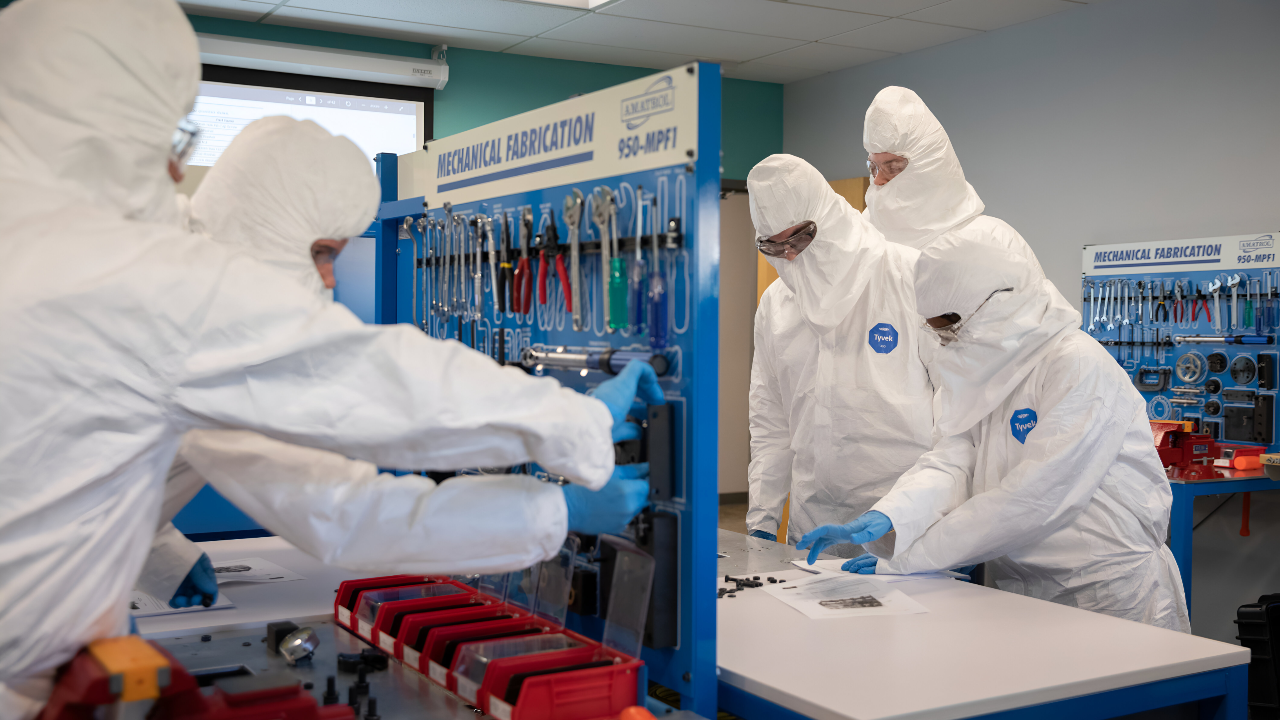
What looked like America’s semiconductor salvation in October 2024 became a cautionary tale by November 2025. The Biden administration had pledged $1.75 billion in federal support to Wolfspeed for a massive silicon carbide factory in rural North Carolina, but the Trump administration, which took office in January 2025, immediately began renegotiating all such awards.
Now, with the company that promised 1,800 jobs emerging from bankruptcy with barely 150 workers actually employed, taxpayers are left wondering: where did the money go? The empty parking lot in Siler City tells a story of broken promises and a federal bet on a company that collapsed faster than anyone anticipated.
Construction Began With Fanfare, Ended in Silence
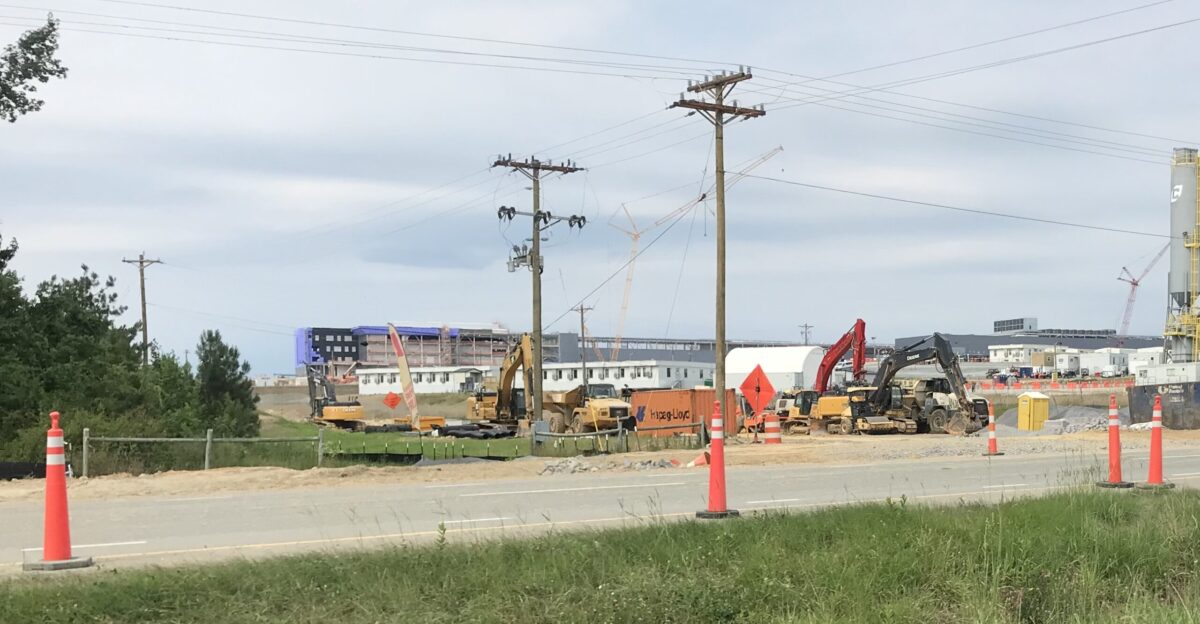
Construction commenced in 2022 with significant momentum. By March 2024, Wolfspeed held a topping-out ceremony to celebrate the facility’s structural completion, attended by Senator Thom Tillis and local officials. The 2-million-square-foot facility on 445 acres was designed to increase the company’s silicon carbide capacity more than tenfold, with phase one anticipated to be completed by the end of 2024.
News articles celebrated the achievement as proof that American manufacturing was roaring back and that federal investment in critical technologies was actually effective.
Reality Strikes in June 2025

Just months after the facility’s operational launch, Wolfspeed announced layoffs affecting 73 employees at the Siler City location—one-third of its workforce there. Only approximately 200 workers had been hired when layoffs began, far short of the 1,800 targeted. The company cited “business challenges” and “near-term customer demand,” signaling that the promised hiring spree would not materialize.
Instead of the promised growth trajectory, Wolfspeed was already cutting staff—the facility was operational, investment was flowing, yet the company’s optimistic expansion evaporated almost overnight.
Largest Semiconductor Restructuring
On June 30, 2025, Wolfspeed filed for Chapter 11 bankruptcy protection, marking one of the largest restructurings in the semiconductor industry. The company carried $6.5 billion in debt, facing existential pressure from weakening electric vehicle demand and market uncertainty.
The filing shocked industry observers, given that the company had just received preliminary approval for federal support only eight months earlier.
Emergence From Bankruptcy

On September 29, 2025, Wolfspeed emerged with a drastically restructured balance sheet: approximately 70% of debt eliminated ($4.6 billion) and annual cash interest expenses slashed by roughly 60%.
Yet emerging from bankruptcy didn’t solve the fundamental problem—the factory remained vastly underutilized, federal funding was in jeopardy, and customer demand for silicon carbide chips had evaporated. The company’s survival strategy remained uncertain.
The Empty Parking Lot Tells the Story

By October 2025, photographs revealed the harsh reality. The massive parking lot, once imagined as a gathering place for hundreds of workers, sat nearly empty with only a handful of vehicles visible on a Wednesday afternoon, according to the Triangle Business Journal. T
he $5 billion facility, substantially completed and equipped with sophisticated manufacturing systems, hummed with minimal activity. A sprawling complex built for thousands was operating at a fraction of capacity—the contrast between the promise and present had become impossible to ignore.
Trump’s CHIPS Act Review
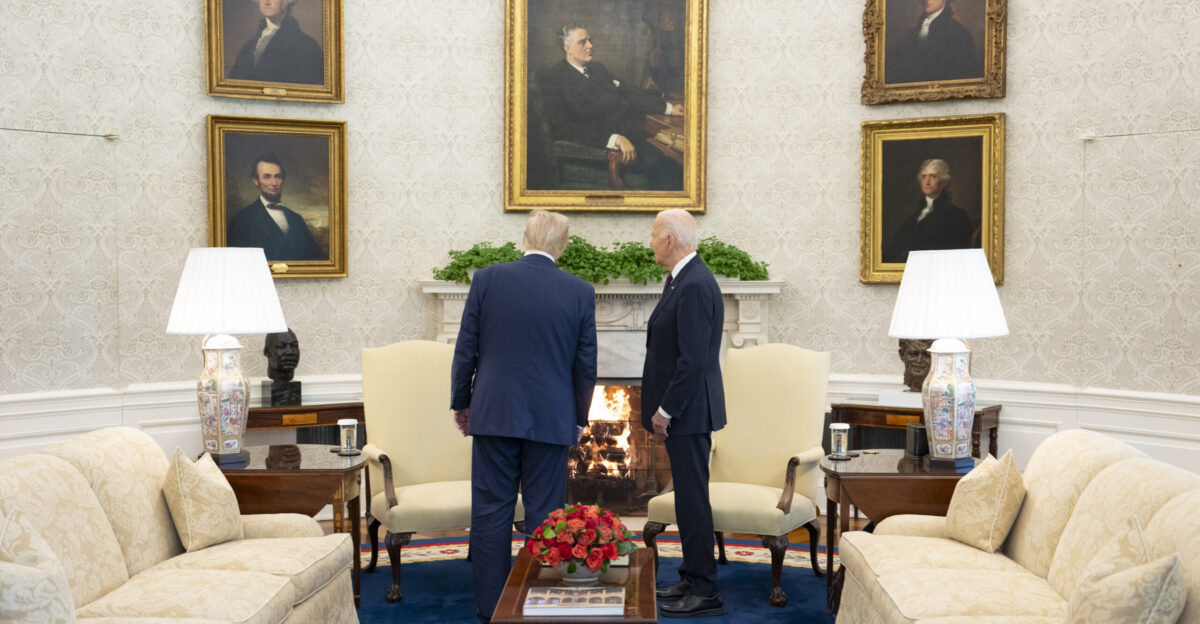
The Trump administration’s arrival created profound uncertainty around the $1.75 billion federal commitment. In March 2025, President Trump called the CHIPS Act “a horrible, horrible thing,” suggesting lawmakers eliminate it and redirect unspent funds to debt reduction. Commerce Secretary Howard Lutnick announced plans to renegotiate all Biden-era CHIPS awards, stating his department was “renegotiating funding requests approved by the Biden administration” to achieve “better deals.”
For Wolfspeed, the promised grant that was supposed to anchor growth now faced existential uncertainty under an administration openly hostile to the CHIPS Act framework.
Leadership Scrambles to Maintain Federal Support

Wolfspeed executives scrambled to maintain their $750 million grant as political winds shifted. Board Chair Tom Werner told investors that the company was in “constructive dialogue” with the Trump administration. Still, he acknowledged that Wolfspeed was managing its operations to be “not overly reliant on CHIPS funds or tax incentives.”
Translation: the company was planning for a scenario where the federal money never materialized.
Stock Price Collapses Amid Funding Uncertainty

By March 2025, before bankruptcy even struck, Wolfspeed’s stock plummeted 48% intraday amid concerns the grant might not materialize. Investors understood: this company had bet everything on federal support that might evaporate.
The stock’s trajectory would continue its downward spiral as bankruptcy concerns intensified.
The Job Creation Crisis: 93% Shortfall
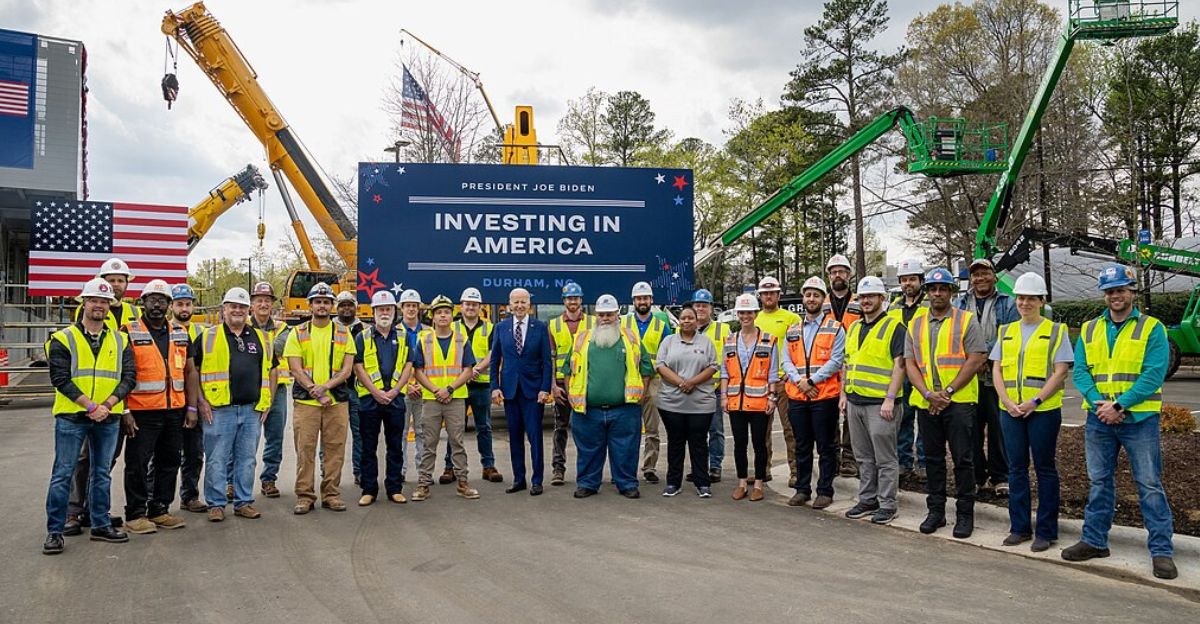
The original commitment to create 1,800 jobs by 2030 sat in sharp contrast to the current reality. With approximately 200 employees initially hired and 73 laid off in June, Wolfspeed operated with roughly 127 workers remaining—a 93% shortfall from the promised employment.
The federal government committed $1.75 billion to support factory operations, creating between 100 and 150 actual jobs, or approximately $11.6 million to $17.5 million per actual employee position. That’s nearly $1 million per promised job in federal support alone.
Crushing Debt Burden Undermines Operations
At the time of its bankruptcy filing, Wolfspeed carried approximately $6.7 billion in total funded debt—a crushing burden for a company intended to utilize federal incentives to build capacity, not service debt. The restructuring pushed major debt maturities to 2030, essentially postponing reckoning to the end of the decade.
CEO Robert Feurle declared the bankruptcy marked “a new era” with “much improved financial stability,” yet the company still faced proving viability without the federal crutch meant to help it reach scale.
Tax Credits and State Incentives in Jeopardy

North Carolina had structured its incentives as performance-based, with payments contingent on Wolfspeed hitting employment targets. With the company nowhere near the promised job creation levels, North Carolina faced an awkward position: potentially withholding state funds from a company already in distress, or continuing to subsidize failure.
Meanwhile, the anticipated $1 billion in federal Section 48D tax credits remained in limbo, pending IRS compliance determinations and regulatory stability.
Broader Business Model Collapse Beyond Siler City
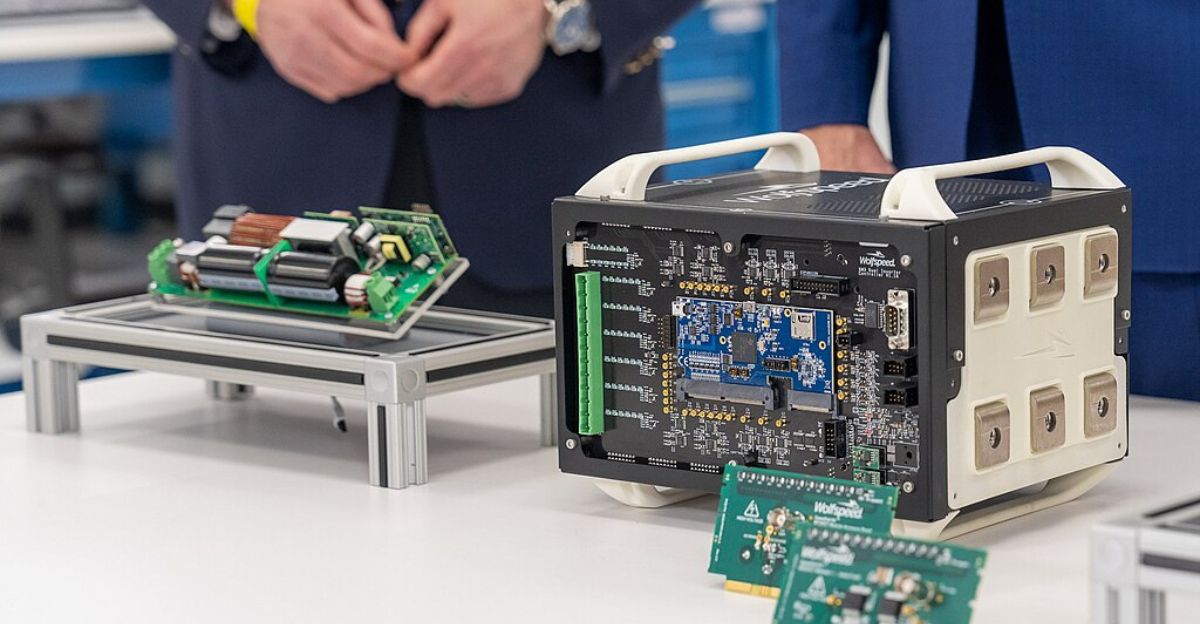
Wolfspeed’s struggles extended far beyond Siler City. The company had spent three years hemorrhaging cash as demand for silicon carbide chips—critical for electric vehicles—declined sharply. The company laid off 20% of its global workforce in late 2024, closed its Durham facility, and suspended a planned German factory.
Cash burn reached $885 million in fiscal year 2025 alone. The company wasn’t just struggling at one factory—it was fundamentally broken across its entire operations.
Market Demand Never Materialized for EV Chips

The EV market slowdown that Wolfspeed didn’t anticipate became its undoing. In Q4 2024, Materials revenue—the core product of the Siler City facility—faced severe headwinds from “continued weakness in industrial and energy markets” and declining EV-specific revenue.
The company that was supposed to benefit from automotive electrification became collateral damage in the EV industry’s correction. The demand forecast that justified a $5 billion factory investment simply didn’t materialize.
Renesas Takes Control Through Debt Conversion
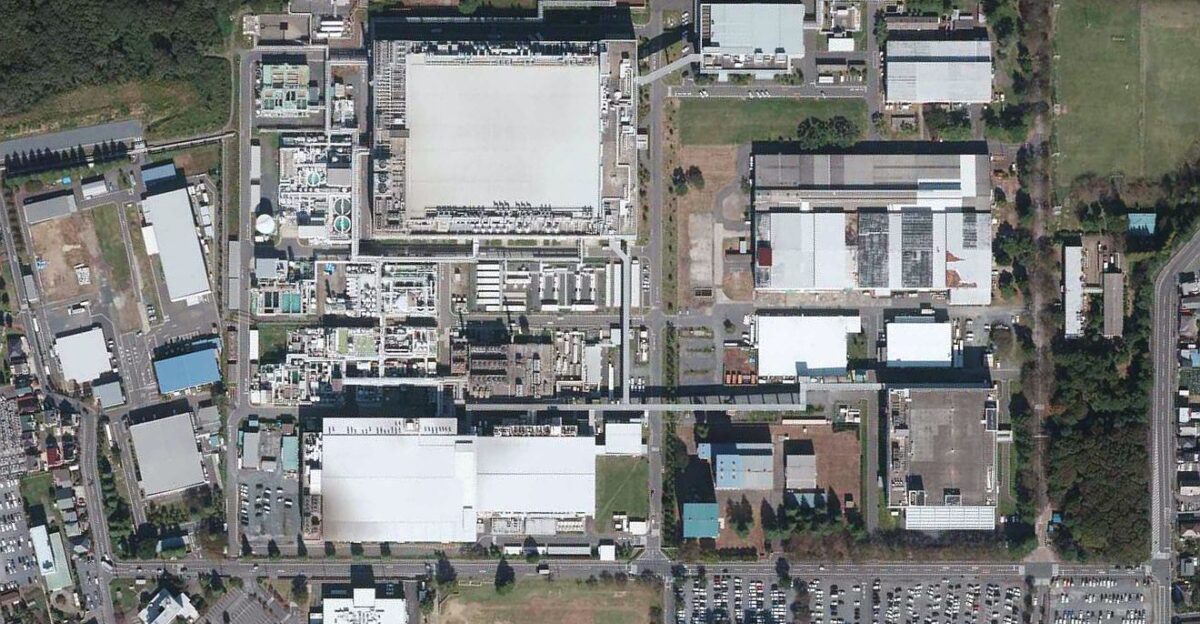
Financial analysts argued the three-month bankruptcy represented a calculated move. The company’s largest creditor, Renesas Electronics, agreed to convert its $2.06 billion debt into equity and secured 95% of the restructured company, taking control to preserve its critical supply chain relationship.
This wasn’t liquidation—Wolfspeed kept factories operating and paid suppliers. However, existing equity holders faced severe dilution, retaining approximately 3-5% ownership. For investors, bankruptcy wiped out almost everything.
The Timing Question: Did Commerce Know?
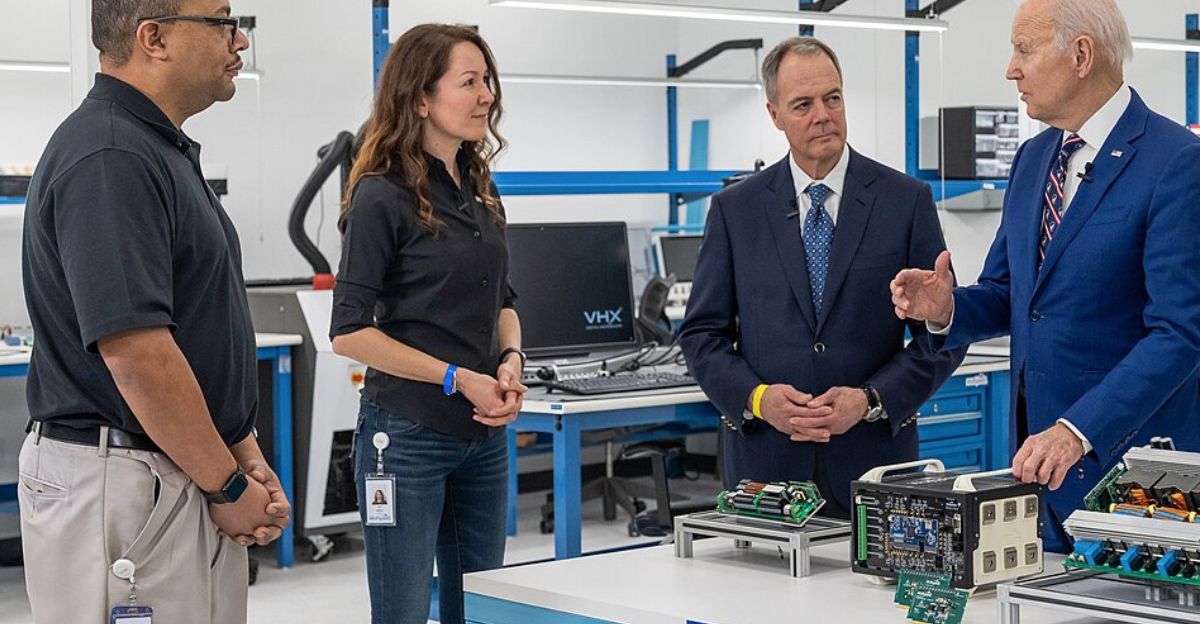
Questions intensified about when the Biden administration committed $1.75 billion to Wolfspeed. The company signed its preliminary memorandum of terms with the Commerce Department in October 2024, with Commerce Secretary Gina Raimondo announcing the funding. Yet by June 2025—just eight months later—Wolfspeed filed for bankruptcy.
Did Commerce know the company was struggling when it committed funds? The timing raised uncomfortable questions about due diligence and market evaluation.
Systematically Reviewing All CHIPS Awards
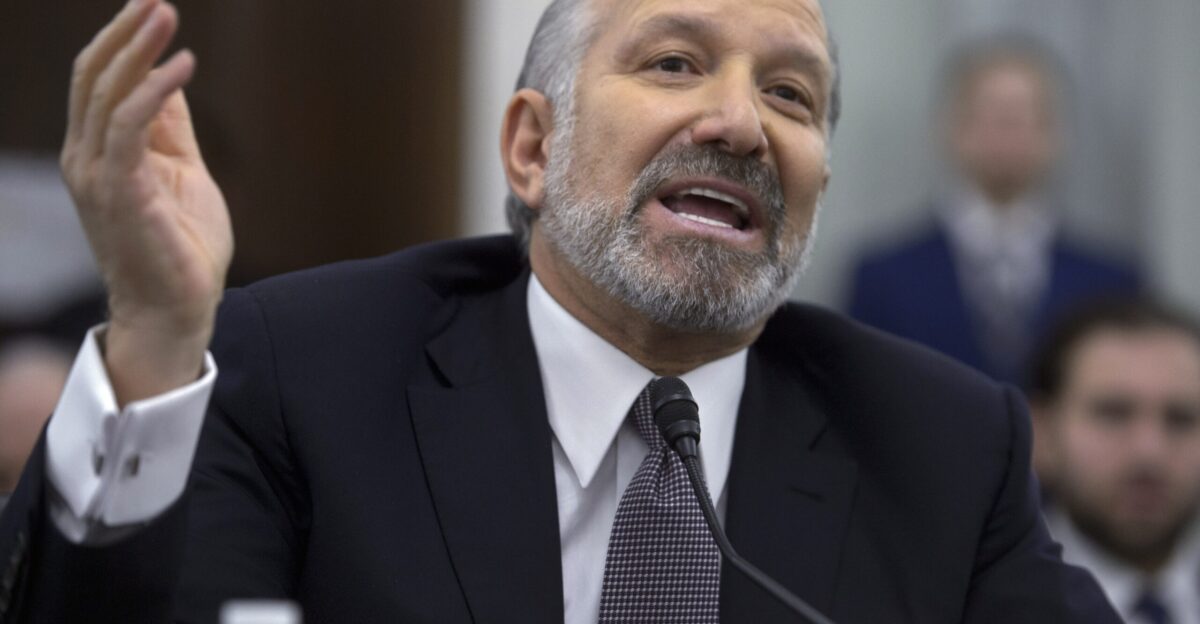
Trump administration officials made clear they would systematically revisit all Biden-era CHIPS Act awards. An executive order directed officials to “negotiate much better deals” and evaluate which awards “should have never been done in the first place.”
Commerce Secretary Lutnick told senators that funding levels above “4% or less” of project value seemed “overly generous” and his department had been renegotiating them. For Wolfspeed, Commerce was actively looking to slash its commitment—right when the company most needed stability.
Chatham County’s Economic Devastation

Rural Chatham County had restructured its entire economic development strategy around Wolfspeed’s promised investment. Real estate developers built projects for incoming workers. Training programs were established. Local governments zoned and prepared for explosive growth. Instead, residents watched the sophisticated facility become an empty monument to overpromising.
Homebuyers who relocated, expecting a booming job market, found themselves in a community where the promised economic transformation never materialized.
National Security Implications as Silicon Carbide Supply Remains Fragile
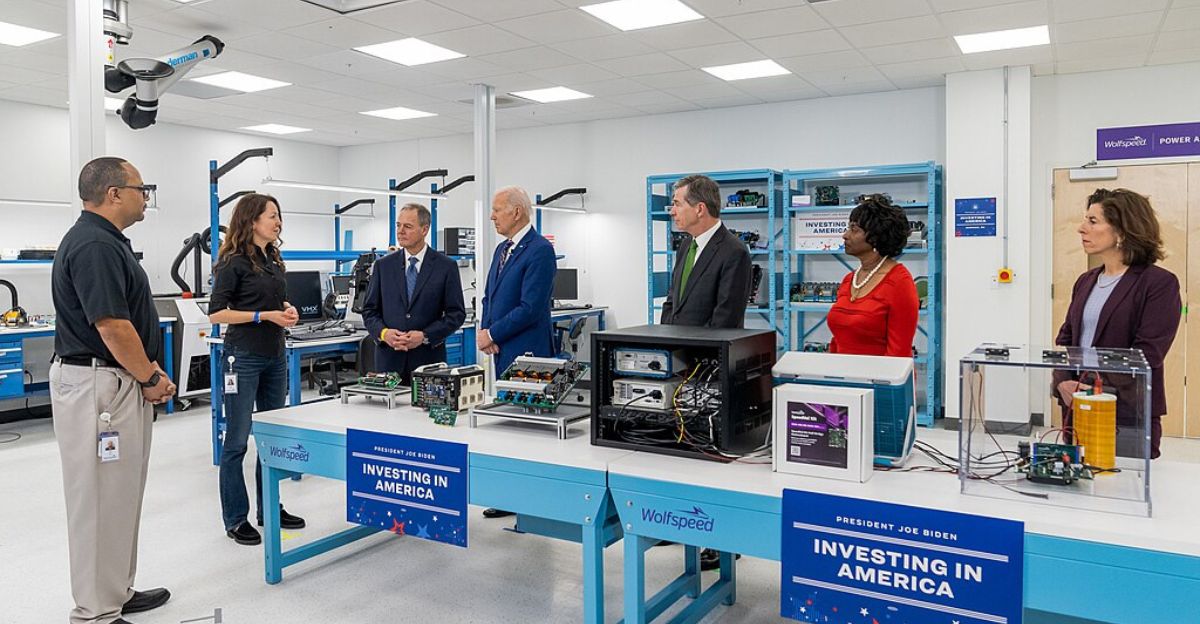
Beyond economic disappointment, national security implications loomed. Silicon carbide semiconductors are designated critical materials for military applications, electric vehicle infrastructure, 5G deployment, and renewable energy systems. The U.S. government had positioned Wolfspeed’s expansion as essential to reducing American dependence on Asian chip suppliers.
With the Siler City facility operating minimally and federal funding uncertain, the nation’s silicon carbide supply remained heavily dependent on overseas manufacturers. A project designed to enhance national security may ultimately strengthen foreign competitors.
The Unresolved Question for American Industrial Policy
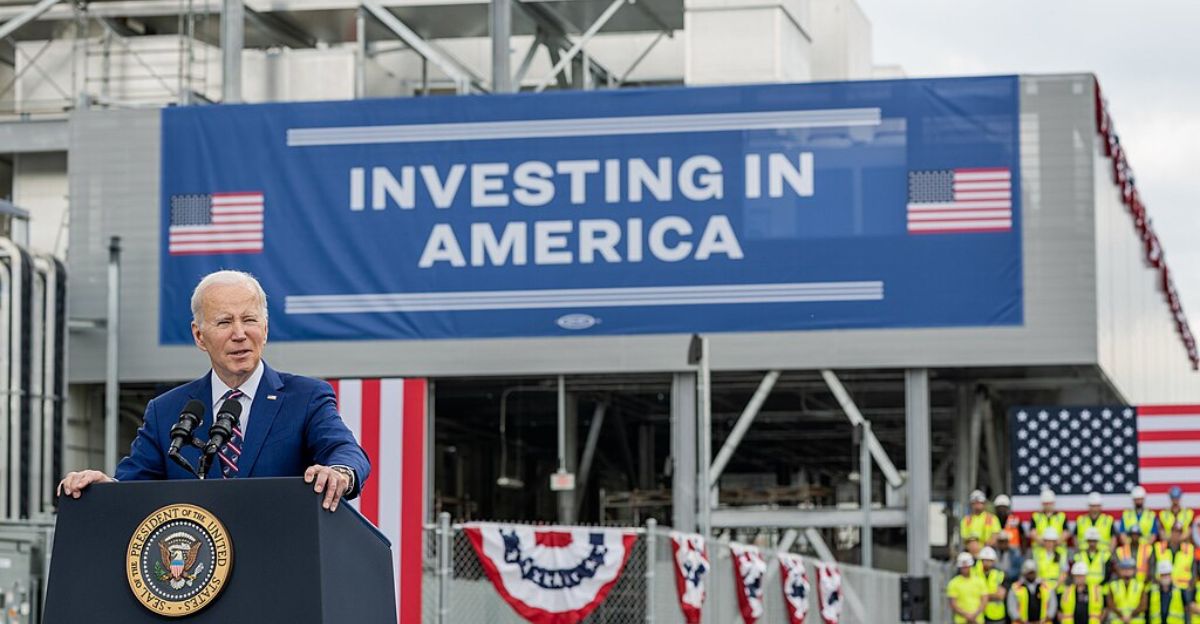
The Wolfspeed collapse raised fundamental questions about whether the federal government should continue aggressive semiconductor incentive programs if companies could file bankruptcy within months of receiving awards. Future manufacturers would question whether federal commitments could survive political transitions.
Policymakers confronted a brutal choice: continue funding Wolfspeed as a strategic national security asset despite failed promises, or allow it to become a cautionary tale, potentially deterring future domestic manufacturing investments America’s semiconductor supply chain desperately needs. The stakes extended far beyond one company—they encompassed the future of American industrial policy itself.