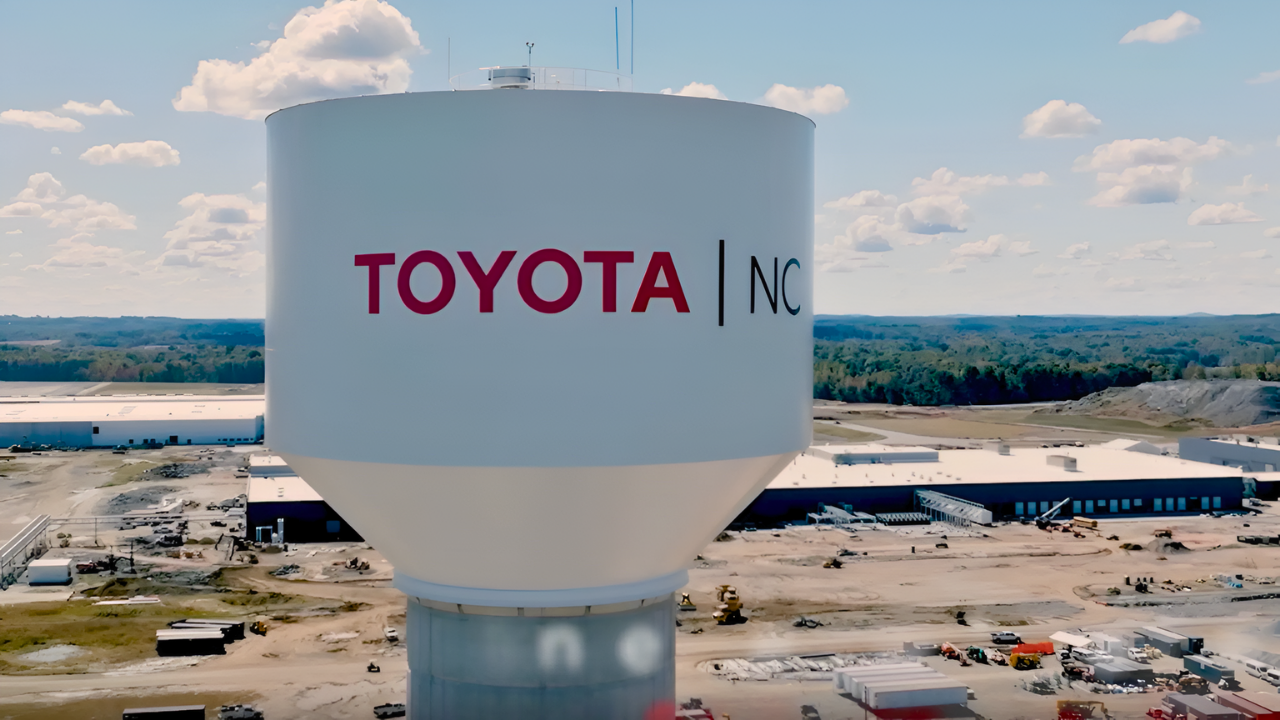
Toyota has launched production at its $13.9 billion battery plant in Liberty, North Carolina, marking the company’s largest single investment in the United States. This facility, Toyota’s first battery plant outside Japan, signals a major shift in the automaker’s American strategy and comes alongside a fresh $10 billion commitment to U.S. operations over the next five years. With this move, Toyota’s total investment in the U.S. nears $60 billion since it entered the market nearly seven decades ago.
Strategic Response to Tariffs and Economic Pressures
Toyota’s decision to build the Liberty plant is rooted in recent economic and political realities. The automaker faced a projected $9.5 billion profit loss due to tariffs imposed during the Trump administration—by far the largest impact reported by any automaker. By manufacturing batteries and vehicles domestically, Toyota aims to sidestep tariffs on Japanese imports and strengthen its resilience against future trade barriers. The company’s expanded U.S. footprint is both a defensive maneuver and a long-term growth strategy, ensuring it remains competitive as global trade dynamics evolve.
Transforming North Carolina’s Economy
The Liberty facility is poised to reshape the economic landscape of North Carolina’s Piedmont Triad region. When fully operational by 2030, the plant will employ more than 5,000 people across 14 production lines, making it one of the largest manufacturing employers in the state. The 1,850-acre site is designed to produce 30 gigawatt-hours of lithium-ion batteries annually, supporting both hybrid and fully electric vehicles. Production is ramping up in phases, with initial operations beginning in mid-2025 and additional lines coming online through the decade.
Toyota’s investment has drawn bipartisan praise from North Carolina’s political leaders, who highlight the creation of high-paying jobs and long-term economic growth. The company has also committed $2.7 million in education grants to local schools, supporting STEM education and workforce development through its NC Driving Possibilities program.
A Multi-Pathway Approach to Electrification
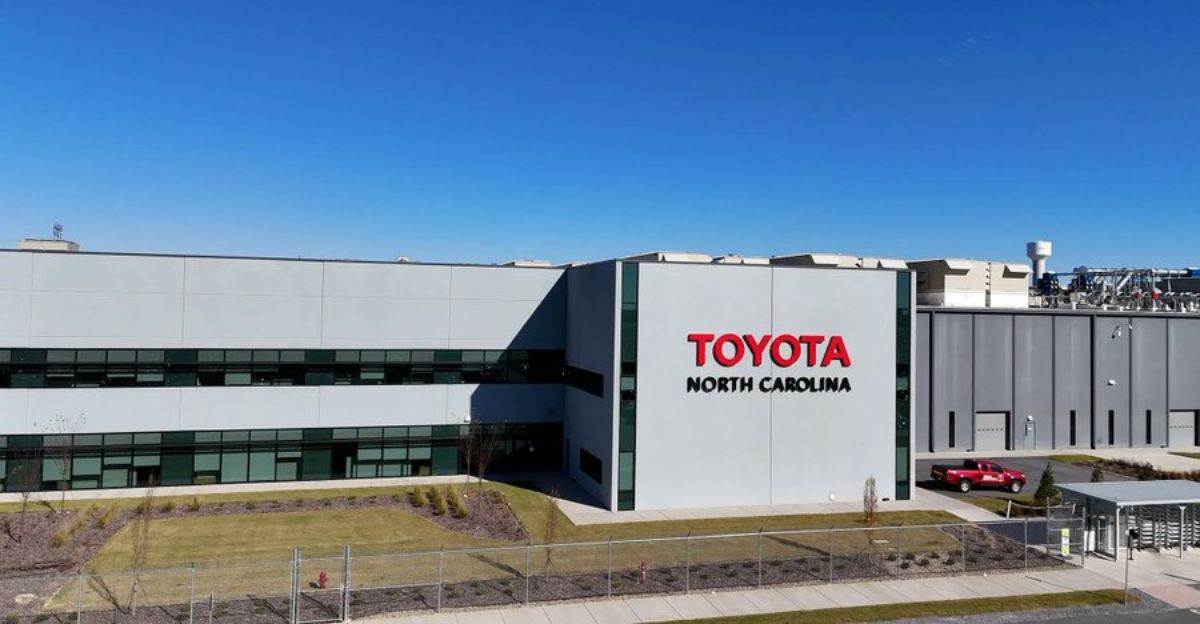
While many automakers are racing toward an all-electric future, Toyota is charting a different course. The company’s “multi-pathway” strategy emphasizes a mix of hybrids, plug-in hybrids, and battery electric vehicles. In the third quarter of 2025, electrified vehicles accounted for nearly 45% of Toyota’s U.S. sales, with hybrids making up almost half of all Toyota division sales. The Liberty plant will supply batteries for popular hybrid models such as the Camry HEV, Corolla Cross HEV, and RAV4 HEV, as well as for Toyota’s first all-electric three-row SUV built in America.
This approach has paid off in the marketplace. In the second quarter of 2025, Toyota captured a 14.2% share of the U.S. auto market, second only to General Motors. Dealers report that hybrid models are selling rapidly, often pre-sold before they reach showrooms. Nationwide, hybrid and plug-in hybrid sales surged 36% in the same period, now representing about 22% of new light-duty vehicle sales. Factors driving this growth include improved affordability, the phase-out of federal EV tax credits, and heightened consumer interest in fuel efficiency.
Sustainability and Worker Well-Being at the Forefront
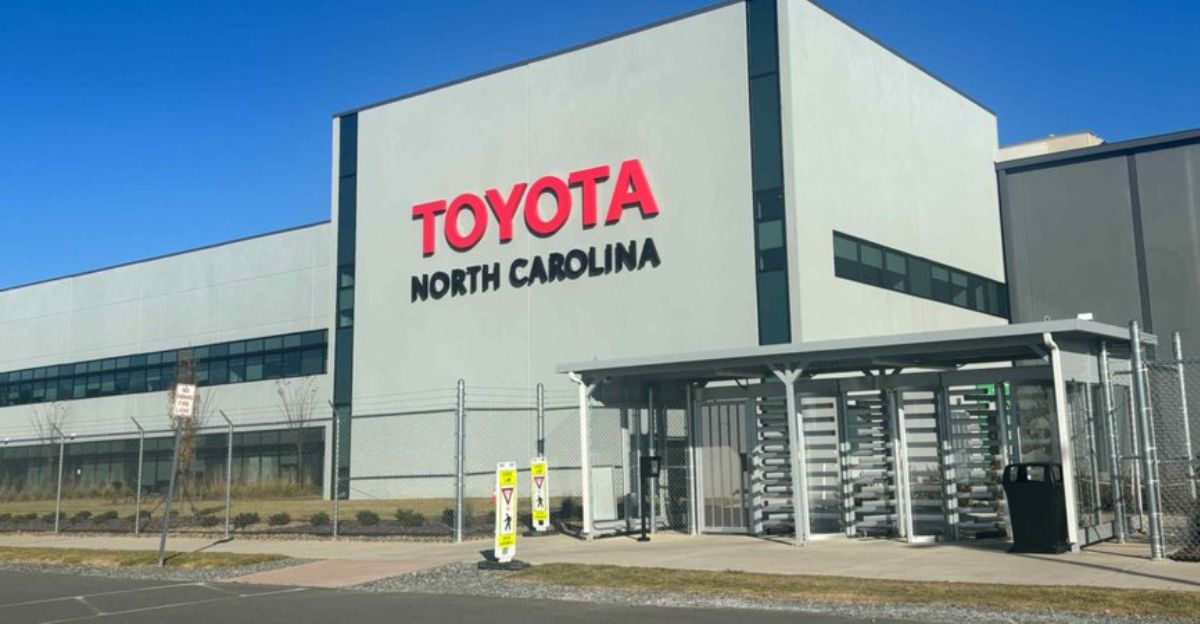
Toyota has designed the Liberty plant to operate entirely on renewable energy, aligning with its goal of achieving carbon neutrality by 2050. Duke Energy supplies the facility with renewable power, making sustainability a core element of the plant’s operations. The campus also features amenities aimed at supporting employees, including on-site childcare, a medical clinic, and fitness facilities—reflecting Toyota’s commitment to worker well-being and its efforts to attract top manufacturing talent.
The company’s investment in the U.S. is part of a broader reshoring trend across the auto industry, as manufacturers respond to tariff pressures and shifting trade policies. Other automakers, including Honda and Ford, are also increasing domestic production and moving key vehicle lines to U.S. plants.
Looking Ahead: Competition and the Road to 2030
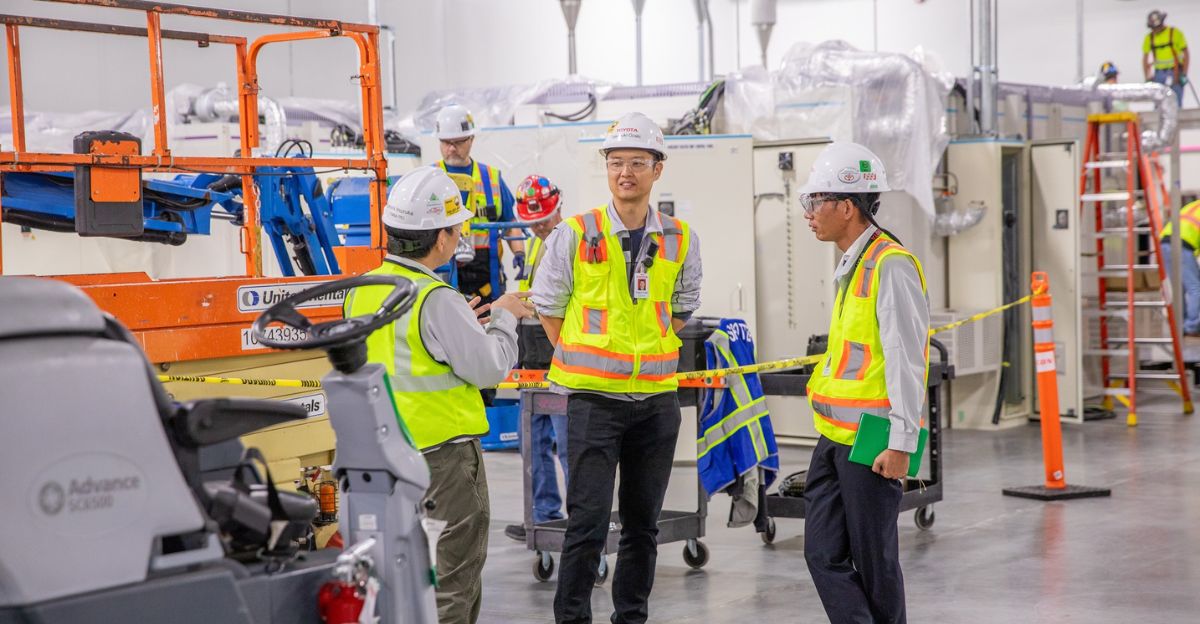
Toyota’s North Carolina battery plant is its eleventh manufacturing facility in the United States, bringing its direct American workforce to nearly 48,000. The plant positions Toyota to compete in a rapidly expanding EV battery sector, with at least ten new battery factories from rivals like Panasonic, Samsung, and Hyundai set to open nationwide. Industry analysts predict that these investments could boost U.S. battery manufacturing capacity by 90% compared to 2024.
A recent trade agreement between Japan and the U.S. has reduced tariffs on Japanese vehicle imports, but the framework still favors domestic production. Toyota’s ongoing expansion in North Carolina and its additional $10 billion investment underscore the company’s commitment to leading the next era of American automotive manufacturing. With plans to introduce 30 electric models globally by 2030, Toyota is positioning itself at the forefront of the U.S. transition to electrified vehicles, balancing innovation, economic impact, and sustainability for the decade ahead.