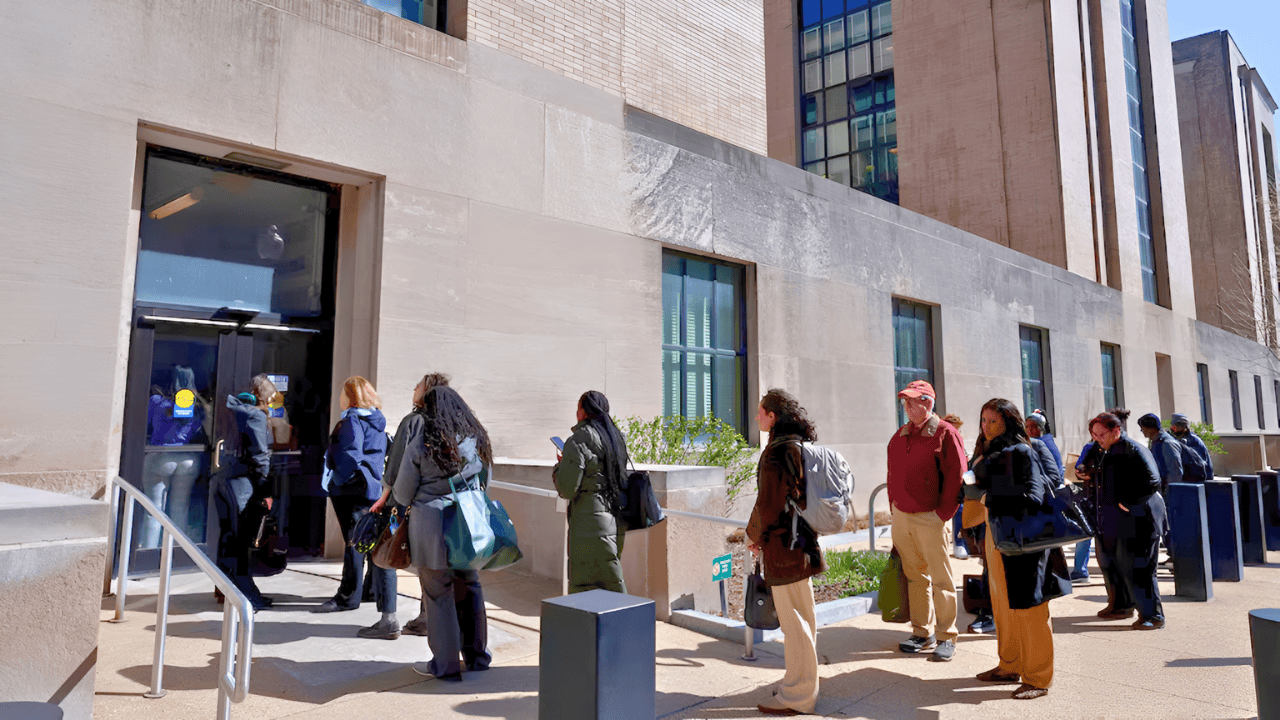
A wave of layoffs, factory closures, and rising inflation hit 23 U.S. states in October 2025, sparking immediate panic in local communities. More than 150,000 jobs were slashed in just one month—the largest layoff total in over two decades. Across the country, families watched in shock as the economy faltered under pressures of sticky inflation, flatlining wages, and rising tariffs.
The impact of this economic slide is felt at every level, with nearly a third of the nation’s GDP at risk. But what happened next caught everyone off guard, throwing national recovery efforts into question.
Why Are States Slipping Into Recession?
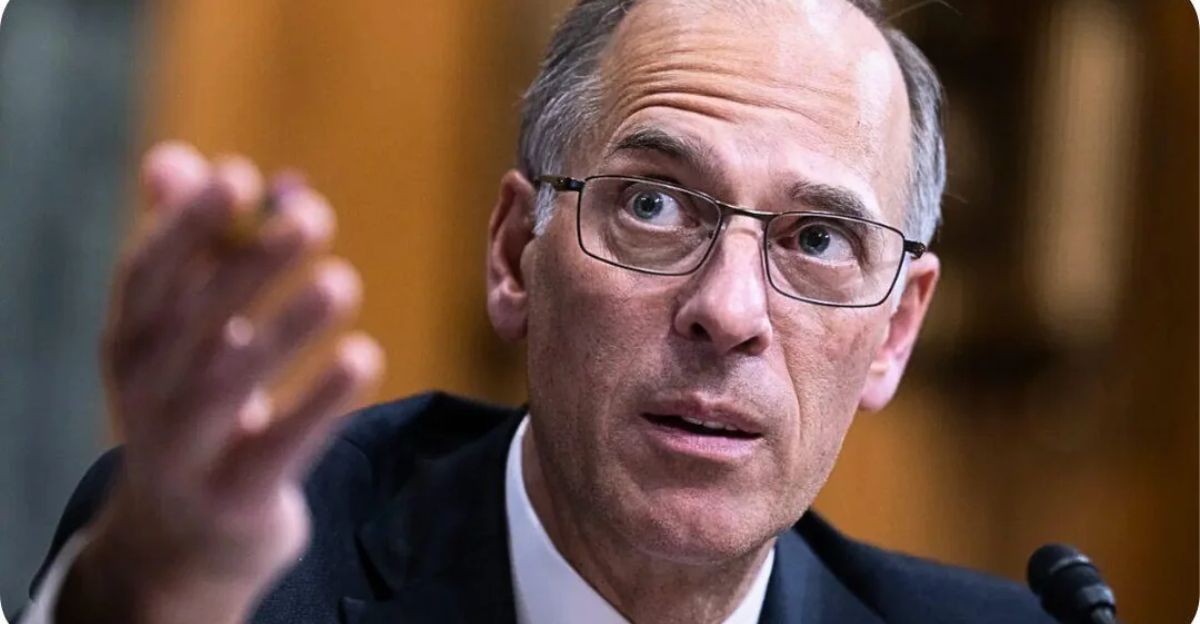
According to Mark Zandi, chief economist at Moody’s Analytics, several factors are contributing to this decline. From rising tariffs to slowing immigration and job cuts at the federal level, these factors are dragging down states that rely on manufacturing and agriculture.
Global trade tensions and domestic policy shifts are amplifying the recession’s spread. As these elements converge, the risks to these states’ economies grow—threatening the livelihoods of millions.
Consumers Feel the Pinch: Everyday Struggles

In affected states, the recession is already personal for millions. Families in these regions are feeling the squeeze with stagnant wages, rising debt, and a grim job market. Despite the national unemployment rate remaining relatively low, the real economic hardship is hitting hardest at the local level.
Lower and middle-income households are bearing the brunt of this downturn. Many are struggling to keep up with rising costs, while their financial security continues to erode.
Corporate America Responds with Layoffs
October 2025 saw more than 150,000 job cuts across the country—the largest October layoff total in more than 20 years. These layoffs are a direct response to the pressures facing major corporations, as companies move to restructure and trim costs in anticipation of a prolonged downturn.
This massive reduction in workforce is sending shockwaves through local economies. For many, the impact is immediate and irreversible, especially in industries hit hardest by the downturn.
Shifting Markets: New Opportunities in Adjacent Sectors

As traditional sectors face a slowdown, new markets are beginning to rise. Gig work, temporary staffing, and discount retailers are seeing increased demand. Consumers, too, are changing their spending habits, moving to lower-cost options in an effort to stretch their dwindling dollars.
Some sectors, such as used car sales and repair services, are seeing a temporary boost as consumers shift priorities. However, these changes aren’t enough to fully offset the losses being experienced in other areas.
Global Trade Struggles: U.S. Exports Drop
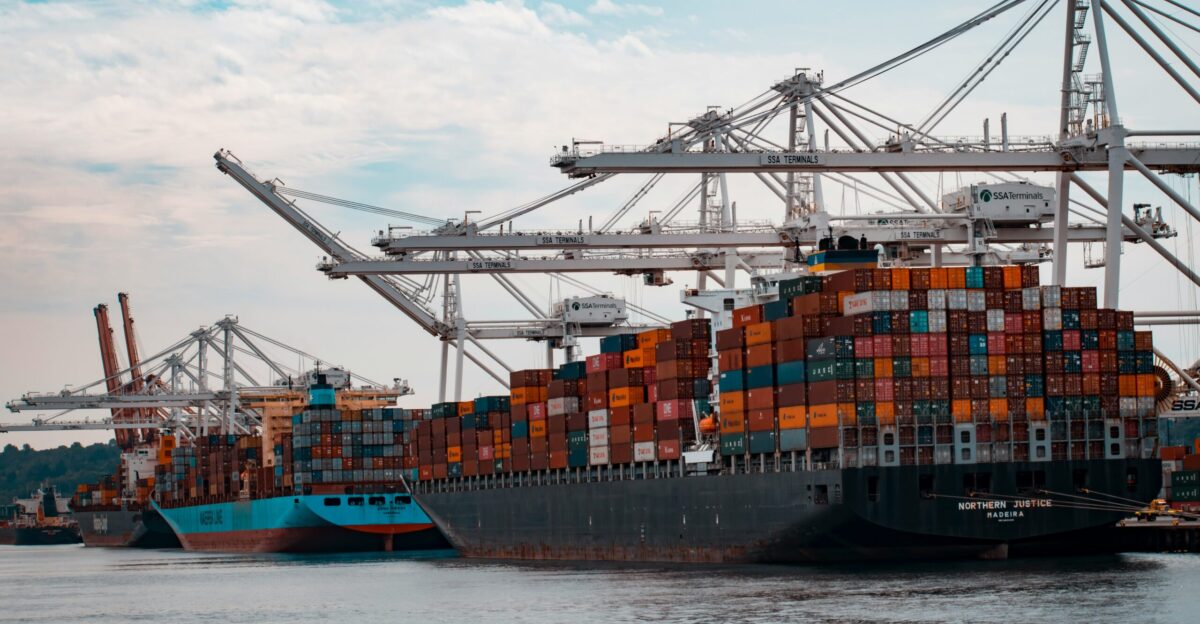
States heavily reliant on exports, particularly those in manufacturing and agriculture, are feeling the pain of a strained global economy. U.S. demand for imports is falling, and the trade wars and tariffs only add to the growing uncertainty.
These states are particularly vulnerable to the shifting dynamics in global trade, as supply chains face disruptions. The resulting slowdown further deepens the recession’s impact.
Workers and Families Bear the Burden
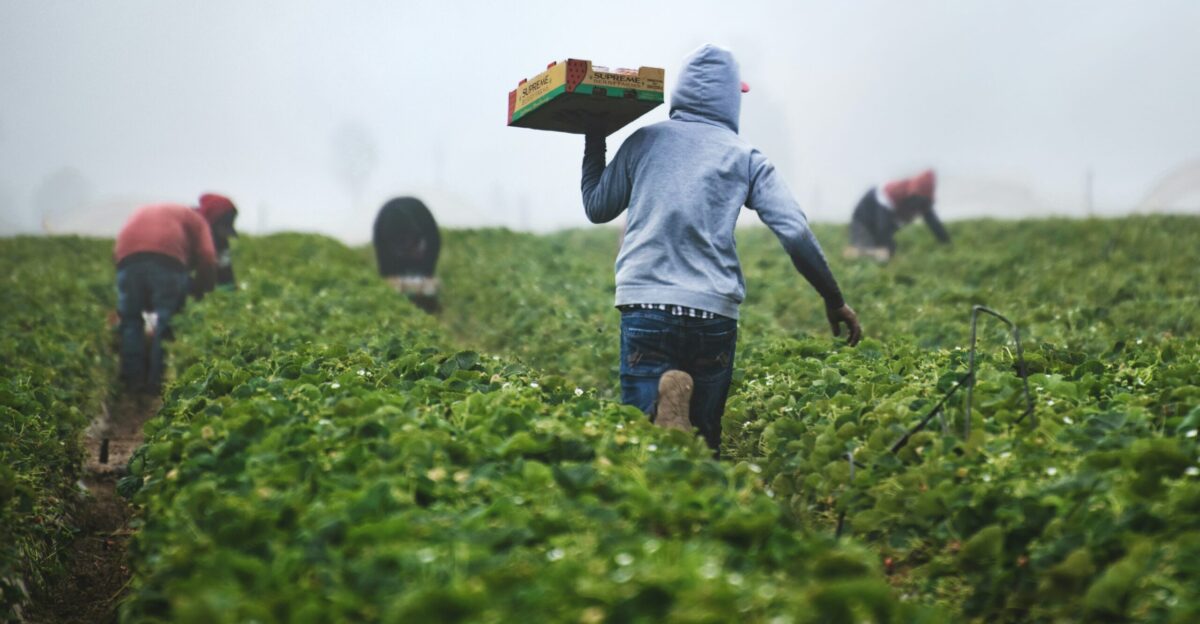
The toll of the recession isn’t just economic; it’s deeply human. Take Iowa, for example, where farmers are struggling due to falling commodity prices and trade wars. Families in recession-hit states face dwindling savings, insecurity about their jobs, and tough decisions about basic necessities like food and housing.
This financial strain is leading to a spike in anxiety and mental health issues, particularly in hard-hit communities.
State Leaders Scramble for Solutions

Governors in recession-hit states are urgently calling for federal assistance. With rising unemployment, job cuts, and economic distress, state officials are fighting to secure stimulus measures and relief funds.
At the heart of the debate is how to best stabilize local economies. The political landscape is shifting as state leaders push for economic policies that will provide immediate relief while laying the groundwork for long-term recovery.
Inflation’s Ripple Effect: Prices Climb

Though national inflation remains relatively controlled, the affected states are seeing rising prices for everyday goods. Supply chain issues and consumer uncertainty are causing shortages in essential products, further contributing to the economic pain in these areas.
If the recession spreads to larger, more economically powerful states like California and New York, the national inflation rate could spike, compounding the already tough situation.
Retailers Adjust to the Economic Slowdown

Retailers in affected states are quickly adjusting to shifting consumer demand. Discount lines, promotions, and e-commerce have become essential tools to retain cost-conscious shoppers.
Meanwhile, some retailers are closing underperforming locations and re-evaluating their business models. Others are pivoting to offer more affordable products and services, but this transition may not be enough to counteract the broader downturn.
Hospitality and Dining Struggle

The hospitality industry, including restaurants and hotels, is taking a significant hit. Declining bookings and lower foot traffic have led many businesses to reduce staff hours, cut menu options, or delay renovations.
Independent businesses, particularly in tourist-heavy areas, are facing closure as demand wanes. The ripple effect from the hospitality industry’s struggle is already being felt in local economies.
Housing Market Hit Hard by Slowdown

The housing market in recession-affected states is stagnating, with fewer homes being sold and rising mortgage delinquencies. As construction projects slow and fewer new homes are built, the housing sector is contributing to the overall economic downturn.
Connected industries—such as construction, pet food, and fertilizer—are also seeing reduced demand, further amplifying job losses and stagnating economic activity.
Global Impact: U.S. Slows, World Feels It
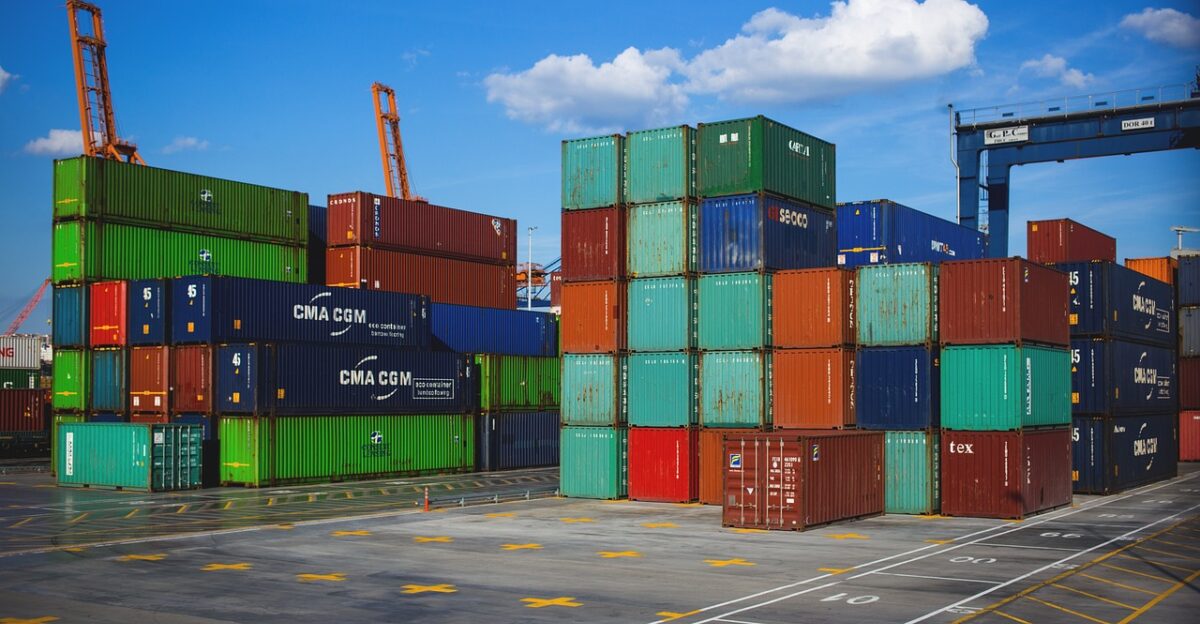
As U.S. demand for imports drops, international partners are beginning to feel the consequences. Exporters to the U.S. are facing uncertainty, while multinational companies reassess their investment and hiring plans.
The U.S. slowdown is reverberating around the globe, putting pressure on economies worldwide. Companies with heavy exposure to the American market are already recalibrating their strategies in response.
Health and Lifestyle Shifts Amid Economic Stress

The recession is causing significant shifts in lifestyle. Households are cutting back on discretionary spending, postponing medical care, and seeking cheaper food options. Mental health issues are on the rise, particularly in communities already struggling with financial insecurity.
As the economic situation deepens, more families are seeking assistance, adding to the already strained resources in affected areas.
The Debate on Economic Resilience and Sustainability
The ongoing recession is sparking intense debate about economic resilience and the role of government. Advocates of green investment and local sourcing argue that the country needs a more sustainable economic model, while others push for deregulation and tax cuts to spur business growth.
This cultural and political debate could shape the future direction of U.S. economic policy, depending on how long the recession lasts.
Winners and Losers in the Recession

While many sectors are struggling, some industries are thriving. Discount retailers, debt collection agencies, and repair services are all seeing increased business. Conversely, luxury goods, travel, and high-end real estate are among the hardest-hit sectors.
This uneven impact underscores the complexities of the downturn, where some are managing to weather the storm while others buckle under the pressure.
Wall Street’s Optimism Amid Uncertainty
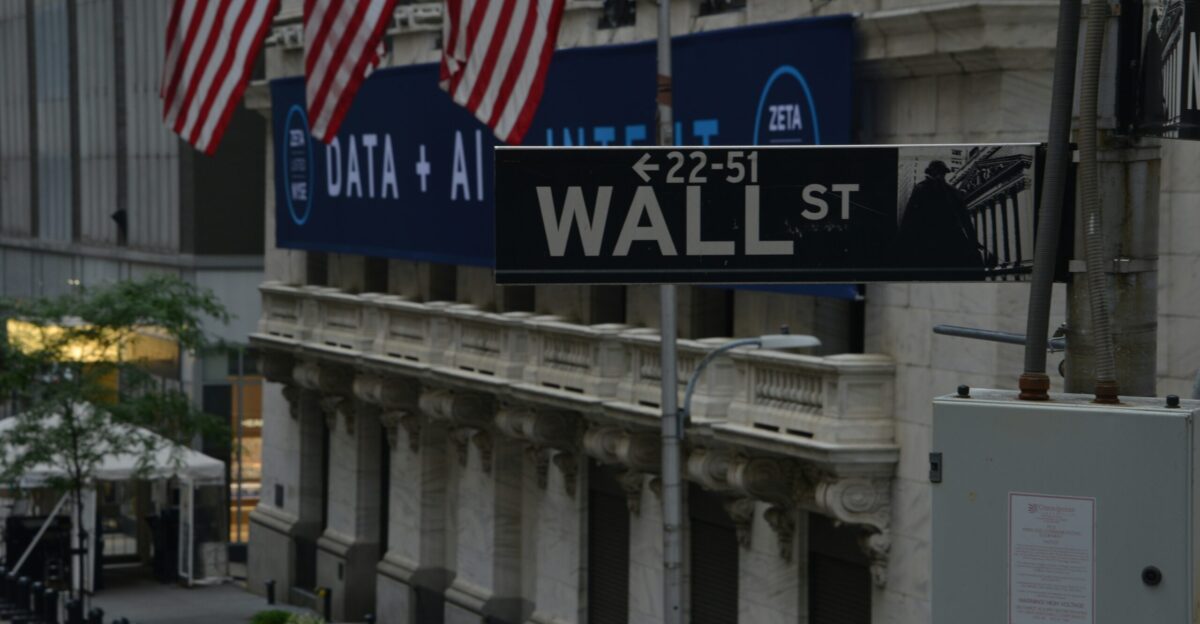
While Wall Street remains near record highs, buoyed by strong performance in specific sectors, analysts are concerned about the broader economic outlook. If the recession continues to spread to larger states like California and New York, market volatility could follow.
The disconnect between Wall Street’s optimism and the struggles faced by everyday Americans has raised concerns about the sustainability of this current economic model.
Consumer Tips for Surviving the Downturn

Experts are advising consumers to tighten their belts. Reviewing budgets, building emergency savings, and avoiding new debt are key strategies for those in recession-hit states.
In addition, job markets are expected to remain unstable, so it’s crucial to consider retraining opportunities and utilize any available relief programs to weather the storm.
What’s Next for the U.S. Economy?
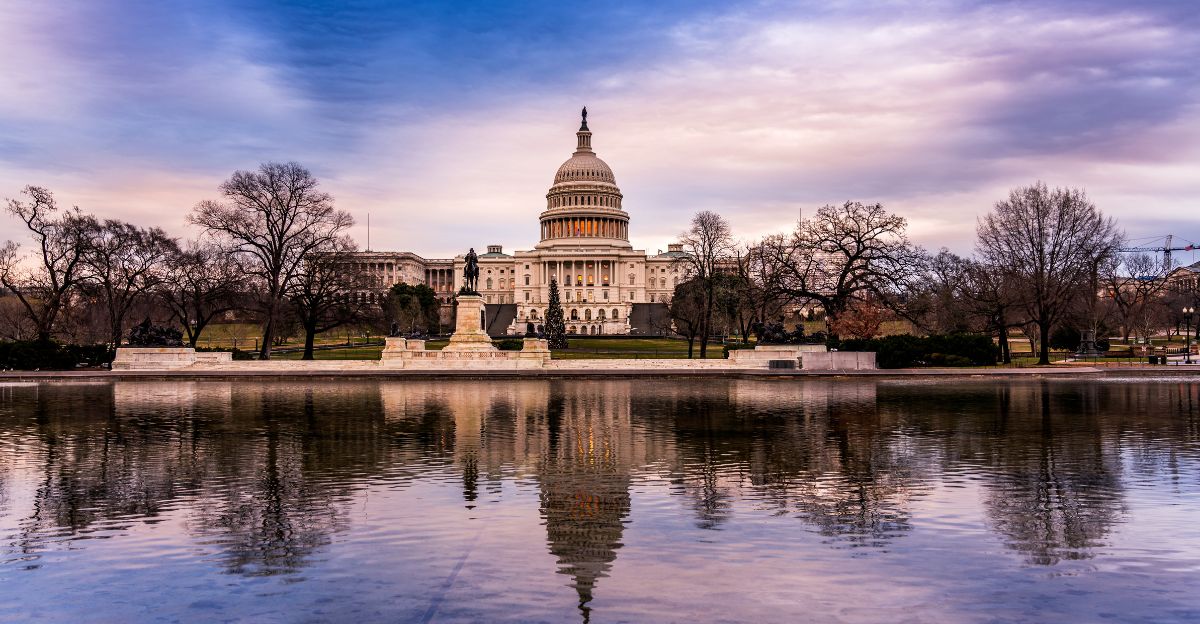
The future of the U.S. economy now hinges on the performance of key states like California and New York. If these states avoid recession, the national economy may be able to stabilize.
Policymakers, businesses, and households alike are watching closely for any signs of a turnaround or continued decline.
The Ripple Effect: A Nation on Edge
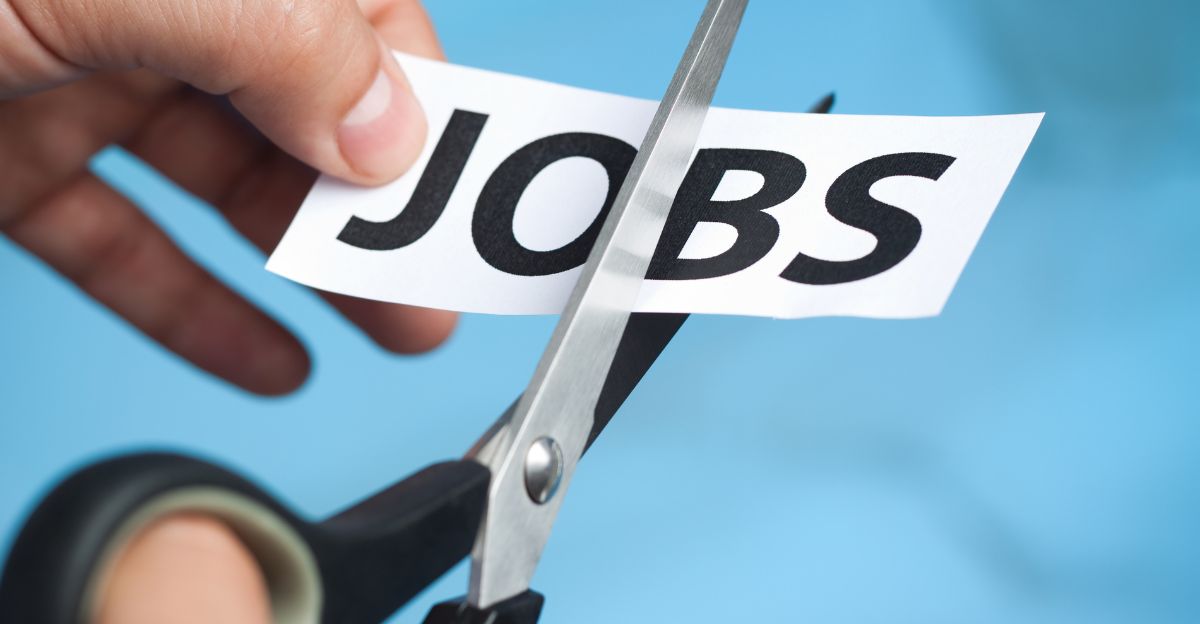
The recession’s ripple effect is being felt across the nation. From job cuts to shifts in lifestyle and political debate, this downturn is testing America’s resilience.
As 23 states struggle, the country stands at a pivotal crossroads—one that could shape its future for years to come.