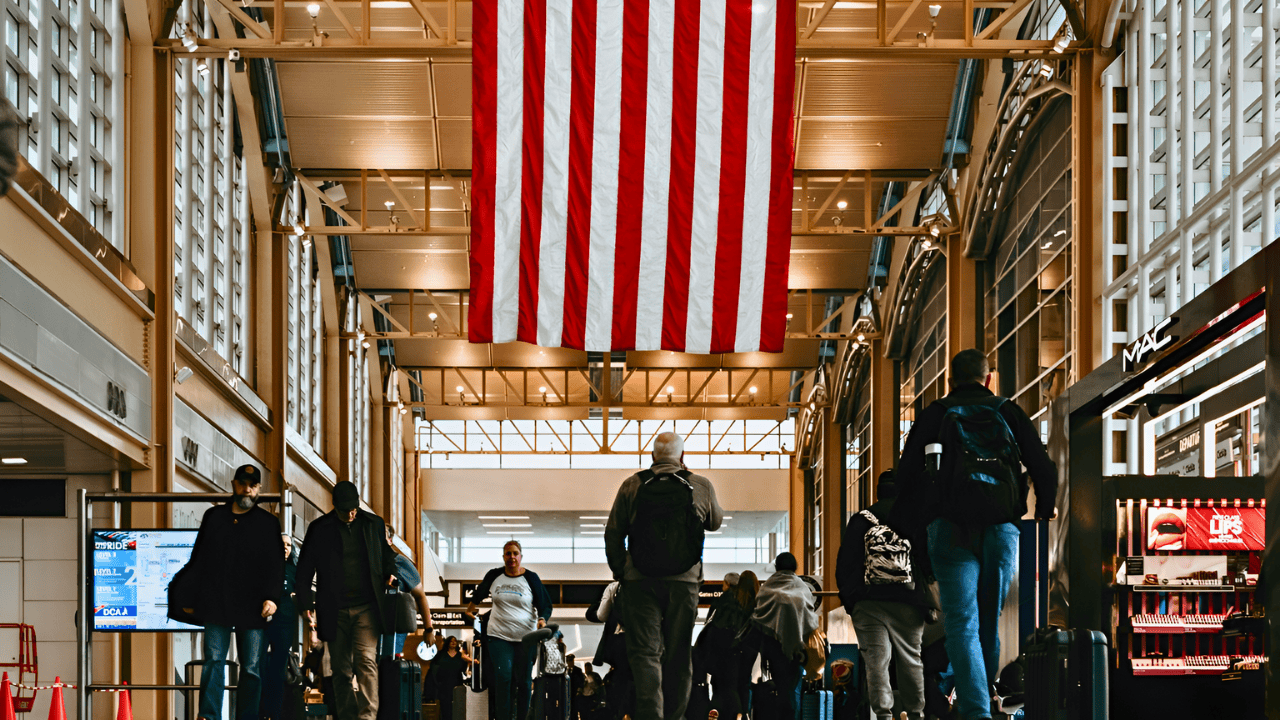
Passengers across Nigeria, India, South Africa, and the United Kingdom were left stranded last week when Air Peace, Nigeria’s largest airline, faced an abrupt operational crisis. Four of its leased Airbus A320 aircraft were withdrawn without warning by SmartLynx Airlines, a Latvian ACMI provider, triggering widespread disruption and exposing vulnerabilities in the airline’s international leasing practices.
Aircraft Withdrawals and Immediate Fallout
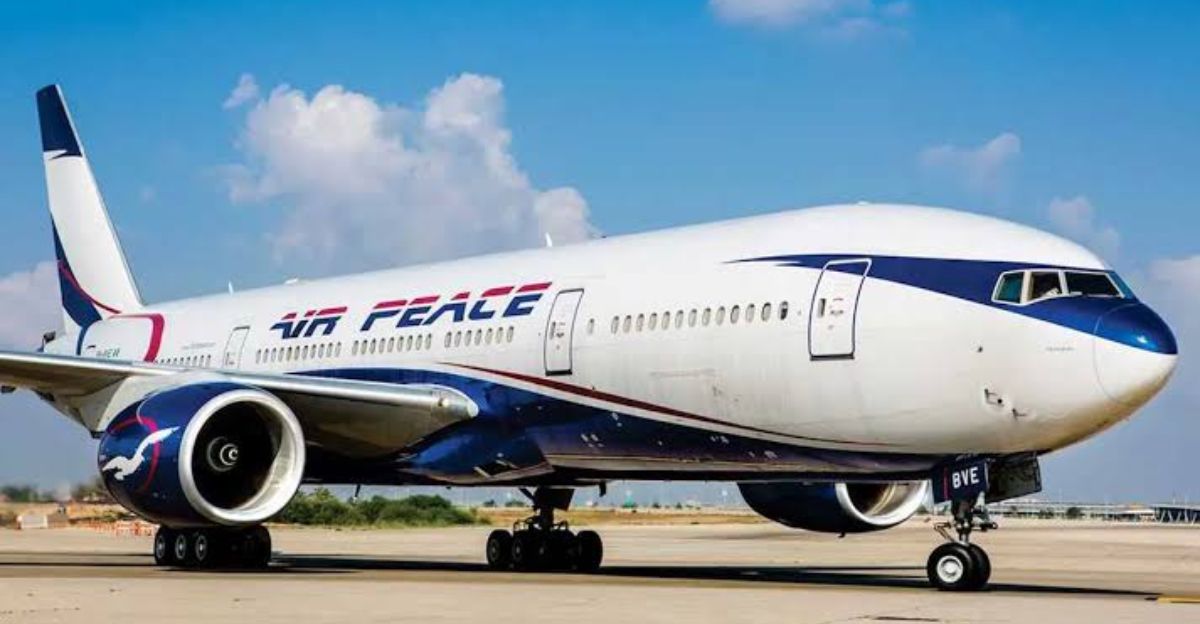
Between November 13 and 14, 2025, SmartLynx Airlines removed four Airbus A320s from Air Peace’s fleet. The aircraft—ES-SAY, 9H-EDO, YL-LDM, and 9H-IVO—were either parked, ferried abroad, or already in storage. This move coincided with a period when 13 of Air Peace’s own planes were undergoing maintenance in the United States, leaving the airline with only a fraction of its operational capacity.
The timing of the withdrawal was critical. With nearly three-quarters of its fleet unavailable, Air Peace was forced to cancel dozens of domestic and international flights. Major routes affected included Lagos, Abuja, Kano, Port Harcourt, Enugu, Mumbai, Johannesburg, Accra, and Dakar. Thousands of passengers faced delays, missed connections, and limited alternatives, while the airline scrambled to re-accommodate travelers and manage the fallout.
Behind the Disruption: Financial Turmoil and Contract Disputes
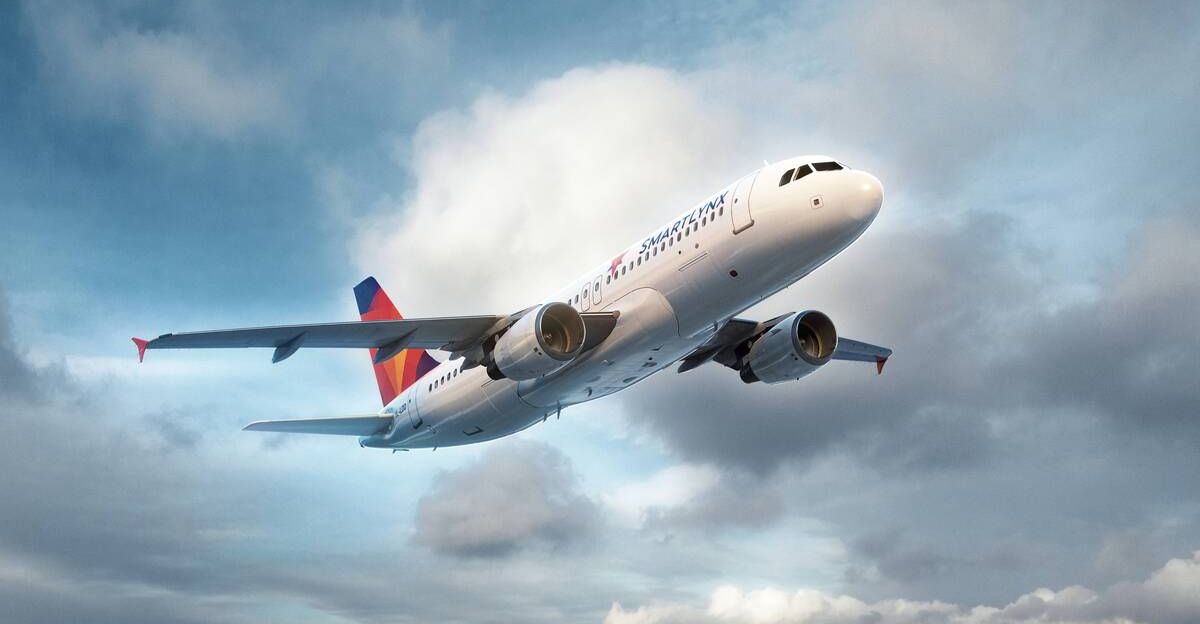
The roots of the crisis trace back to SmartLynx’s own financial instability. In October 2025, SmartLynx’s parent company divested its operating units to a Dutch fund, leaving the airline in default to global aircraft owners such as AerCap, Castlelake, and other lessors. These owners ultimately reclaimed control of the four aircraft, triggering the operational chaos at Air Peace.
Air Peace’s Chief Commercial Officer, Nowel Ngala, described SmartLynx’s actions as a “serious breach of contract” and “fraudulent.” The airline claims SmartLynx collected over $5.5 million in advance payments, including $1 million in security deposits, despite being in default. Air Peace estimates its total damages at over $15 million, highlighting the financial risks airlines face when dependent on external lessors during peak travel periods.
SmartLynx’s collapse was driven by debts exceeding €238 million, including significant amounts owed to internal and external parties such as Lufthansa Technik and Boeing. Investigations suggest a deliberate division of profitable and debt-laden units, leaving partners like Air Peace exposed to sudden operational and financial shocks.
Operational Impact and Passenger Experience
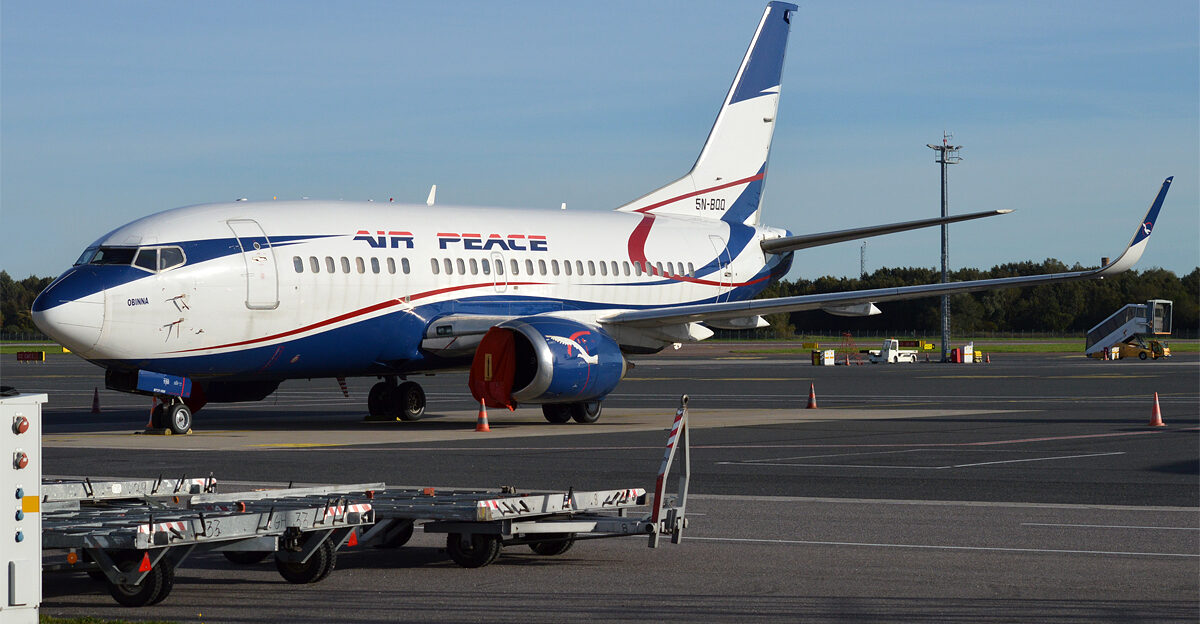
The withdrawal of leased aircraft, combined with ongoing maintenance of Air Peace’s own planes, left only five to six aircraft available for service. The airline canceled dozens of flights, affecting an estimated 10,000 to 20,000 passengers. Re-accommodation efforts included voluntary refund deductions and surcharges: $100 per international segment, $30 per regional segment, and N5,000 per domestic segment.
Passengers reported extended waits, missed connections, and little advance notice. International travelers faced separation from families and business disruptions, while domestic passengers struggled with rescheduling fees and limited alternatives. The indirect costs to travelers and businesses ran into millions of dollars, amplifying the impact of the crisis.
Air Peace’s Response and Recovery Efforts
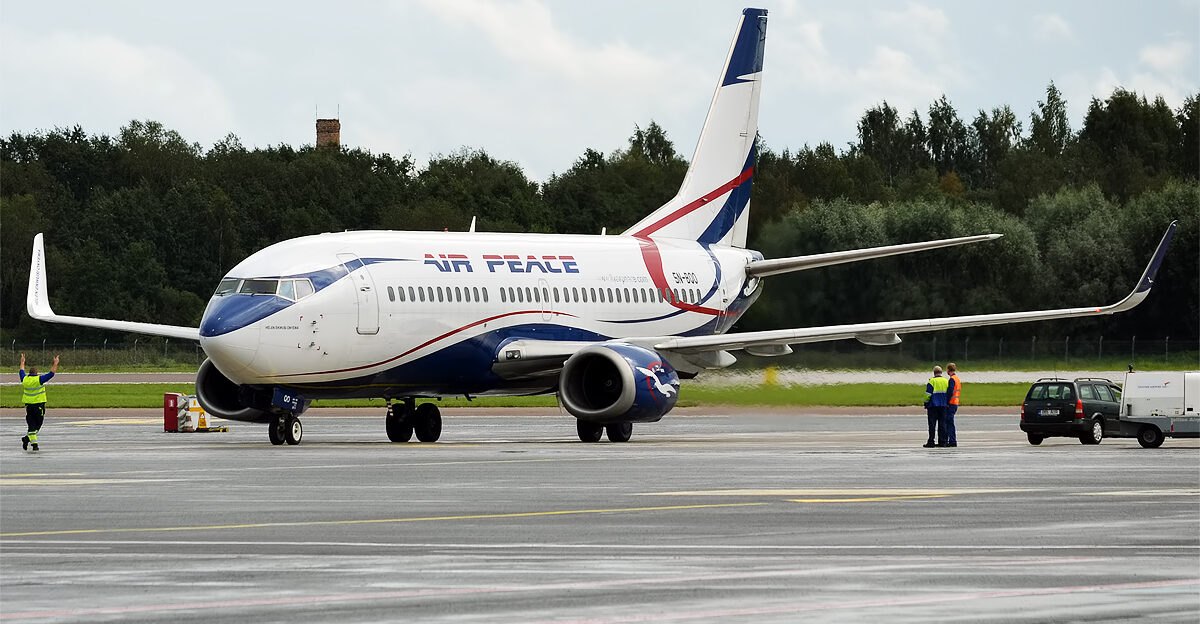
In the wake of the disruption, Air Peace initiated several recovery measures. The airline released three aircraft to their owners, returned two of its own planes from maintenance, and pursued additional leasing arrangements to support capacity recovery. Legal action was launched to reclaim over $5.5 million from SmartLynx, signaling a multi-pronged effort to restore operations and financial stability.
The crisis also prompted Air Peace to reflect on its structural vulnerabilities. The airline’s reliance on wet-leasing during peak periods, combined with maintenance schedules, left it exposed to external shocks. Ngala noted that this was not the first time Air Peace had faced difficulties with international lessors, referencing a previous incident with SYPHAX Airlines of Tunisia.
Broader Implications for Aviation and the Economy
Air Peace’s disruption occurred amid a wave of regional airline collapses in 2025, including Play Airlines, Braathens, Eastern Airways, and Blue Islands. The events highlight systemic stresses in global aviation leasing, affecting multiple carriers and international passenger routes.
The ripple effects extended beyond passengers. Employees, supply chains, tourism, and medical travel were all impacted. With Nigeria’s population of over 223 million relying on Air Peace for connectivity, delays proved costly for businesses and individuals alike. The federal government assumed financial liability for leased aircraft, shifting risk to taxpayers and underscoring the economic stakes of aviation disruptions.
By November 17, 2025, Air Peace began gradually resuming flights as more aircraft returned from maintenance. While the crisis created significant operational challenges, recovery efforts were underway to restore service to affected routes.